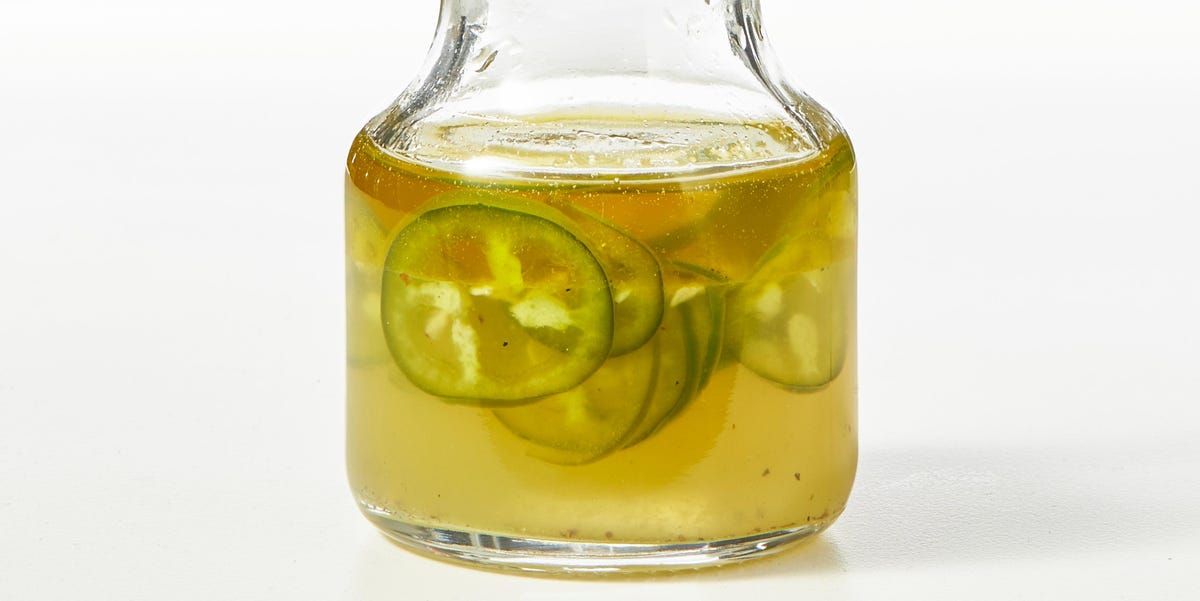

Some salad dressings politely sit in the background. Jalapeño-lime vinaigrette, on the other hand, walks into the kitchen wearing sunglasses and carrying a tiny flavor trumpet. It is bright, zesty, lightly spicy, fresh, and just bold enough to make lettuce feel like it finally got promoted.
This homemade jalapeño-lime vinaigrette recipe is the kind of dressing that does more than dress a salad. It wakes up grilled chicken, makes taco bowls taste restaurant-worthy, turns roasted vegetables into something people voluntarily eat, and gives grain bowls the confidence of a food-truck menu item. Best of all, it takes about 10 minutes, uses everyday ingredients, and does not require a culinary degree, a secret handshake, or a blender that sounds like a jet engine.
In this guide, you will learn how to make jalapeño-lime vinaigrette from scratch, how to balance the heat and acidity, what ingredients matter most, how to store it safely, and how to use it far beyond salad. Consider this your complete, no-fuss roadmap to a dressing that tastes fresh, lively, and just spicy enough to keep dinner interesting.
What Is Jalapeño-Lime Vinaigrette?
Jalapeño-lime vinaigrette is a fresh salad dressing made with lime juice, oil, jalapeño pepper, seasoning, and often a touch of sweetness or herbs. Unlike creamy jalapeño dressing, this version is usually lighter, pourable, tangy, and clean-tasting. It belongs to the vinaigrette family, which means it is built around the classic relationship between fat and acid.
Traditional vinaigrettes often use a ratio of about three parts oil to one part acid, though modern recipes frequently adjust that balance for a brighter, lighter taste. Because lime juice is sharper and more aromatic than many vinegars, this jalapeño-lime dressing works beautifully with a slightly tangier profile. In plain English: it should make your mouth water, not make your eyes file a complaint.
The jalapeño adds grassy heat, the lime brings citrusy punch, the oil smooths everything out, and a little honey or agave rounds off the edges. Garlic, cilantro, cumin, and Dijon mustard are optional but highly recommended if you want extra depth. Together, they create a dressing that tastes fresh, spicy, savory, and balanced.
Why This Jalapeño-Lime Vinaigrette Recipe Works
A good vinaigrette is all about balance. Too much oil, and the dressing feels heavy. Too much lime, and your salad starts tasting like it lost a bet with a citrus grove. Too much jalapeño, and suddenly dinner needs a warning label. This recipe keeps everything lively but controlled.
It Uses Fresh Lime Juice
Bottled lime juice can work in emergencies, but fresh lime juice gives this vinaigrette a cleaner, brighter flavor. Lime zest is also a smart addition because it adds citrus fragrance without adding more acidity.
It Controls the Heat
Jalapeños vary in spiciness. One pepper may be mild and friendly, while another seems emotionally committed to chaos. Removing the seeds and white ribs creates a milder vinaigrette. Leaving some in gives the dressing more kick.
It Includes a Touch of Sweetness
Honey or agave does not make the dressing sugary. It simply balances the lime and jalapeño, helping the vinaigrette taste round instead of sharp. Think of it as the peace treaty between citrus and spice.
It Emulsifies Smoothly
Mustard, garlic, and blending help the oil and lime juice come together. Even if the dressing separates later, a quick shake brings it right back. Separation is normal. Panic is not required.
Ingredients for Jalapeño-Lime Vinaigrette
This recipe makes about 3/4 cup of vinaigrette, enough for 4 to 6 salads or several meals of drizzling, dipping, and pretending you are the kind of person who meal preps perfectly labeled containers.
- 1 medium jalapeño, stemmed and roughly chopped
- 1/4 cup fresh lime juice, from about 2 large limes
- 1 teaspoon lime zest
- 1/3 cup extra-virgin olive oil or avocado oil
- 1 tablespoon honey or agave nectar
- 1 small garlic clove, minced
- 1 teaspoon Dijon mustard
- 1/2 teaspoon kosher salt, plus more to taste
- 1/4 teaspoon ground cumin, optional
- 2 tablespoons chopped fresh cilantro, optional
- 1 to 2 tablespoons cold water, as needed
- Freshly ground black pepper, to taste
How to Make Jalapeño-Lime Vinaigrette
Step 1: Wash and Prep the Produce
Rinse the jalapeño and limes under running water before cutting. Pat them dry. Remove the jalapeño stem, then slice the pepper in half. For a mild vinaigrette, scrape out the seeds and white ribs. For medium heat, leave a few seeds behind. For spicy dressing, keep most of them and prepare to feel alive.
Step 2: Add the Flavor Base
In a blender or small food processor, combine the chopped jalapeño, lime juice, lime zest, garlic, Dijon mustard, honey, salt, pepper, cumin, and cilantro if using. Blend for a few seconds until the jalapeño and garlic are finely broken down.
Step 3: Stream in the Oil
With the blender running on low, slowly drizzle in the olive oil or avocado oil. This helps the vinaigrette emulsify, giving it a smoother texture. If you do not have a blender, finely mince the jalapeño and garlic, then whisk everything in a bowl while slowly adding the oil.
Step 4: Adjust the Texture
If the vinaigrette tastes too strong or looks thicker than you like, add 1 tablespoon of cold water and blend again. Add another tablespoon if needed. Water softens the intensity without making the dressing oily.
Step 5: Taste and Fix
Taste the vinaigrette on a piece of lettuce, cucumber, or tortilla chip instead of straight from the spoon. Dressings often taste stronger alone than they do on food. Add more salt for flavor, more lime for brightness, more honey for balance, or more jalapeño if your salad has been behaving too quietly.
Best Oil for Jalapeño-Lime Vinaigrette
Extra-virgin olive oil gives the dressing a rich, peppery flavor. It is excellent for salads, grilled vegetables, and grain bowls. Avocado oil is milder and lets the lime and jalapeño stand out more clearly. Neutral oils such as canola or grapeseed also work, especially if you want a restaurant-style dressing with a lighter finish.
If your olive oil tastes bitter after blending, it may be because some extra-virgin olive oils become more bitter when processed at high speed. To avoid that, blend the lime, jalapeño, garlic, mustard, and seasonings first, then whisk in the olive oil by hand.
How Spicy Is This Dressing?
This jalapeño-lime vinaigrette is naturally adjustable. With the seeds and ribs removed, it is usually mild to medium. With some seeds included, it becomes noticeably spicy. With two jalapeños, it becomes the dressing equivalent of a dramatic entrance.
To reduce heat, use half a jalapeño, remove all ribs and seeds, or add more honey and oil. To increase heat, add another half jalapeño, a pinch of cayenne, or a splash of hot sauce. Just remember: you can always add heat, but removing it is more complicated unless you own a time machine.
Flavor Variations
Cilantro Jalapeño-Lime Vinaigrette
Add 1/4 cup fresh cilantro for a greener, herbier dressing. This version is excellent on taco salads, shrimp bowls, grilled corn, and black bean salads.
Creamy Jalapeño-Lime Dressing
Blend in 1/4 cup Greek yogurt, sour cream, or avocado. The result is thicker, creamier, and great as a dip for vegetables, tacos, or roasted potatoes.
Honey-Lime Jalapeño Vinaigrette
Increase the honey to 2 tablespoons for a sweeter dressing that works beautifully with fruit salads, grilled chicken, and cabbage slaws.
Smoky Jalapeño-Lime Vinaigrette
Add 1/4 teaspoon smoked paprika or char the jalapeño before blending. This gives the dressing a subtle grilled flavor that pairs well with steak, roasted sweet potatoes, and corn.
Garlic-Lime Vinaigrette
Double the garlic for a stronger savory bite. This version is fantastic on hearty greens like kale or romaine because they can handle bold flavors without wilting emotionally.
What to Serve with Jalapeño-Lime Vinaigrette
This dressing is wonderfully flexible. It tastes right at home with Tex-Mex, Southwestern, grilled, and summer-inspired dishes. Use it anywhere you want acidity, freshness, and a gentle spark of heat.
- Romaine salads with avocado, corn, tomatoes, and black beans
- Grilled chicken, shrimp, steak, or fish
- Taco bowls, burrito bowls, and rice bowls
- Roasted sweet potatoes or carrots
- Cabbage slaw for tacos or pulled chicken sandwiches
- Quinoa, farro, or brown rice salads
- Fresh tomato and cucumber salad
- Grilled corn salad with cotija cheese
- Nachos, quesadillas, or breakfast tacos as a drizzle
One of the easiest meals you can make with this vinaigrette is a simple chicken taco salad. Start with chopped romaine, add grilled chicken, black beans, corn, cherry tomatoes, avocado, crushed tortilla chips, and a generous drizzle of jalapeño-lime vinaigrette. It tastes like something you would order at a sunny café, except you do not have to tip anyone unless you want to tip yourself with extra chips.
Storage Tips
Because this homemade vinaigrette contains fresh lime juice, jalapeño, garlic, and herbs if you use them, store it in a sealed jar or airtight container in the refrigerator. For best flavor, use it within 3 to 5 days. Shake well before serving because natural separation is expected.
If the oil firms up in the refrigerator, let the jar sit at room temperature for 10 to 15 minutes, then shake. Do not leave homemade dressing sitting out for long periods, especially if it contains fresh produce or herbs. Fresh flavor is charming; questionable storage is not.
Common Mistakes to Avoid
Using Too Much Jalapeño Too Soon
Start with one pepper or even half if you are sensitive to heat. You can always blend in more later.
Skipping the Sweetener
A small amount of honey or agave balances the lime. Without it, the vinaigrette can taste sharp instead of refreshing.
Forgetting Salt
Salt does not just make the dressing salty. It makes lime taste brighter, jalapeño taste fresher, and oil taste less flat.
Not Tasting on Food
Always taste vinaigrette on something similar to how you will serve it. A dressing that tastes intense from the spoon may be perfect once it hits lettuce, beans, rice, or grilled meat.
Make-Ahead Tips
Jalapeño-lime vinaigrette is a great make-ahead recipe because the flavors meld as it rests. If you are preparing it for a party, make it the morning of the event or the night before. Store it cold, then shake well before serving.
For meal prep, keep the dressing separate from salad greens until just before eating. Lime juice can soften delicate greens over time. Sturdy ingredients such as cabbage, kale, corn, beans, and grains can handle the dressing longer and often taste better after a short rest.
Nutrition Notes
This vinaigrette is naturally dairy-free and can be vegan if you use agave instead of honey. It is also gluten-free when made with standard gluten-free ingredients. Most of the fat comes from oil, so the type of oil you choose affects the final nutrition profile.
Compared with many bottled dressings, homemade vinaigrette gives you control over the salt, sweetness, oil quality, and spice level. You can make it brighter, lighter, sweeter, or spicier without needing to decode a label that reads like a chemistry pop quiz.
Jalapeño-Lime Vinaigrette Recipe Card
Prep Time
10 minutes
Total Time
10 minutes
Yield
About 3/4 cup, or 4 to 6 servings
Ingredients
- 1 medium jalapeño, stemmed and chopped
- 1/4 cup fresh lime juice
- 1 teaspoon lime zest
- 1/3 cup extra-virgin olive oil or avocado oil
- 1 tablespoon honey or agave
- 1 small garlic clove
- 1 teaspoon Dijon mustard
- 1/2 teaspoon kosher salt
- 1/4 teaspoon cumin, optional
- 2 tablespoons cilantro, optional
- 1 to 2 tablespoons cold water, optional
- Black pepper, to taste
Instructions
- Wash the jalapeño and limes. Remove the jalapeño seeds and ribs for a milder dressing.
- Add jalapeño, lime juice, lime zest, garlic, mustard, honey, salt, pepper, cumin, and cilantro to a blender.
- Blend until finely chopped and combined.
- Slowly drizzle in the oil while blending on low until smooth.
- Add cold water, 1 tablespoon at a time, if you want a thinner texture.
- Taste and adjust with more salt, lime juice, honey, or jalapeño.
- Serve immediately or refrigerate in a sealed jar for 3 to 5 days.
Real Kitchen Experience: What I Learned Making Jalapeño-Lime Vinaigrette
The first time you make jalapeño-lime vinaigrette, you may expect it to behave like a basic salad dressing. Oil, acid, shake, done. But this recipe has personality. It changes depending on the jalapeño, the lime, the oil, and even what you serve it with. That is part of the fun. It is less like assembling furniture and more like tuning a small, edible guitar.
One practical lesson is that jalapeños are unpredictable. I have made this dressing with one pepper and barely noticed the heat. I have also made it with one pepper and suddenly understood why milk exists. The safest move is to start with less jalapeño, especially if you are cooking for guests. Blend half the pepper first, taste, then add more if needed. Your future self, and possibly your dinner guests, will appreciate the diplomacy.
Another useful discovery is that lime zest matters. Lime juice brings acidity, but zest brings aroma. It makes the dressing smell fresher and taste more complete. If the vinaigrette tastes good but seems to be missing that restaurant-style sparkle, add a little more zest. It is a tiny step that makes a big difference, like ironing a shirt before a job interview.
I also learned that the best way to taste this dressing is not from a spoon. Straight vinaigrette can taste too sour, too salty, or too spicy. But once it lands on lettuce, rice, beans, or grilled chicken, the flavors spread out and make sense. A tortilla chip is a surprisingly good testing tool. So is a cucumber slice. A spoon is useful, but it does not tell the whole story.
For salads, this vinaigrette loves texture. It shines with crunchy romaine, cabbage, radishes, corn, pepitas, tortilla strips, or crisp cucumbers. Soft ingredients like avocado, roasted sweet potato, and black beans help mellow the heat. When you combine crunchy, creamy, spicy, and tangy elements, the salad stops feeling like a responsible obligation and starts tasting like dinner with a plan.
The dressing also works beautifully as a quick marinade, especially for chicken or shrimp. Use it briefly, not overnight, because lime juice is acidic and can change the texture of proteins if left too long. A short 20- to 30-minute rest is usually enough to add flavor. After that, grill, sauté, or roast, then drizzle with a fresh spoonful of vinaigrette before serving.
One of my favorite uses is on leftovers. Plain rice? Add vinaigrette. Roasted vegetables looking tired? Add vinaigrette. Grilled chicken from yesterday? Slice it, toss it with greens, and add vinaigrette. It has a way of making leftovers feel intentional, which is a nice trick when the refrigerator contains three containers and no obvious plan.
If you are serving this dressing to a group, make a mild batch and put extra chopped jalapeño or hot sauce on the side. That way, spice lovers can chase the dragon while everyone else enjoys dinner peacefully. Food should be exciting, but it should not require a group waiver.
The final lesson is simple: homemade dressing is almost always worth it. It tastes fresher, adjusts to your preferences, and takes less time than searching the fridge for a bottle that expired during a previous presidential administration. Jalapeño-lime vinaigrette is quick, flexible, and bold enough to rescue even the most ordinary bowl of greens. Once you make it a few times, you will stop measuring so carefully and start adjusting by taste. That is when the recipe becomes yours.
Conclusion
Jalapeño-lime vinaigrette is a fast, flavorful homemade dressing that brings fresh citrus, gentle heat, and bright balance to salads, bowls, grilled meats, seafood, and vegetables. With fresh lime juice, jalapeño, oil, garlic, mustard, and a touch of sweetness, it delivers big flavor without complicated steps.
The beauty of this recipe is flexibility. Make it mild or spicy, herby or smoky, thin or creamy. Use it as a salad dressing, taco drizzle, marinade, slaw sauce, or meal-prep flavor booster. Once you learn the basic balance of oil, acid, salt, heat, and sweetness, you can adjust the vinaigrette to match almost any meal.