
Oil stains have a special talent for appearing on your favorite clothes at the worst possible time. One minute you are enjoying pizza, salad dressing, french fries, buttered toast, or a “quick” car repair. The next minute, your shirt has a shiny little souvenir that refuses to blend in. Unlike water-based stains, oil does not politely rinse away. It clings to fabric fibers like it signed a lease.
The good news? You can remove oil stains from clothes with a simple process, a little patience, and household items you probably already own. Dish soap, baking soda or cornstarch, liquid laundry detergent, warm water, and a careful drying routine can rescue many washable fabrics from the laundry danger zone.
This guide explains how to remove oil stains from clothes in 4 easy steps, including fresh oil stains, grease spots, old set-in stains, cooking oil, motor oil, butter, body oil, and oily food stains. You will also learn what not to do, because laundry mistakes are sneaky little gremlins wearing dryer sheets as capes.
Why Oil Stains Are So Stubborn
Oil-based stains are tricky because oil repels water. That means a normal rinse is often not enough. When oil lands on fabric, it can spread into the fibers and create a dark, translucent mark. On cotton, the stain may soak in quickly. On polyester and synthetic fabrics, oil can be even more stubborn because synthetic fibers often attract oily soils.
That is why the best oil stain remover for clothes is usually something that can break down grease before the garment goes into the washing machine. Dish soap works well because it is designed to cut grease on dishes. Liquid laundry detergent can also help because many modern detergents contain surfactants and enzymes that lift oily residue from fabric.
The main rule is simple: treat the stain before washing, then check the garment before drying. Heat from the dryer can set oil stains, turning a small laundry problem into a long-term relationship nobody asked for.
What You Need to Remove Oil Stains From Clothes
You do not need a laboratory, a cape, or a dramatic slow-motion montage. For most washable clothing, gather these supplies:
- Plain white paper towels or a clean white cloth
- A spoon, dull butter knife, or old card for scraping excess oil
- Grease-cutting liquid dish soap
- Baking soda, cornstarch, or baby powder for absorbing fresh oil
- Liquid laundry detergent or a laundry stain remover
- A soft toothbrush or laundry brush
- Warm water, if the care label allows it
- A drying rack or hanger for air-drying
Before treating any stain, always check the garment care label. If the item says “dry clean only,” do not launch a full kitchen-counter chemistry experiment. Blot the oil gently and take it to a professional cleaner as soon as possible. Delicate fabrics such as silk, wool, cashmere, leather, and some embellished garments need extra caution.
How to Remove Oil Stains From Clothes in 4 Easy Steps
These four steps work for many common oil stains, including cooking oil, olive oil, butter, salad dressing, greasy sauce, makeup oil, body oil, and light machine grease. The faster you act, the better your chances of removing the stain completely.
Step 1: Blot and Remove Excess Oil
Start by removing as much oil as possible before it spreads. If the stain is fresh, place a plain white paper towel or clean cloth under the stained area. Then gently blot the top of the stain with another paper towel. Do not rub. Rubbing can push the oil deeper into the fabric and spread it into a bigger, gloomier blob.
If there is thick grease, butter, sauce, or oily food residue on the fabric, scrape it off carefully with a spoon or dull knife. Work from the outside of the stain toward the center so you do not expand the stain like it is trying to buy real estate.
Next, sprinkle baking soda, cornstarch, or baby powder over the stain. Let it sit for 10 to 30 minutes. These powders help absorb excess oil from the fabric. For a heavy stain, you may see the powder clump or darken. Brush it away gently and repeat if the stain still looks very oily.
Step 2: Pretreat With Dish Soap or Liquid Detergent
After absorbing the extra oil, apply a small amount of grease-cutting liquid dish soap directly to the stain. Use your fingers or a soft toothbrush to work it gently into the fabric. You want to massage the soap into the fibers, not sand the garment like an old piece of furniture.
Let the dish soap sit for about 5 to 10 minutes. This gives it time to break down the oily residue. For sturdier fabrics such as cotton T-shirts, denim, aprons, and washable work clothes, gentle brushing can help. For delicate washable fabrics, use a light touch and avoid stretching the material.
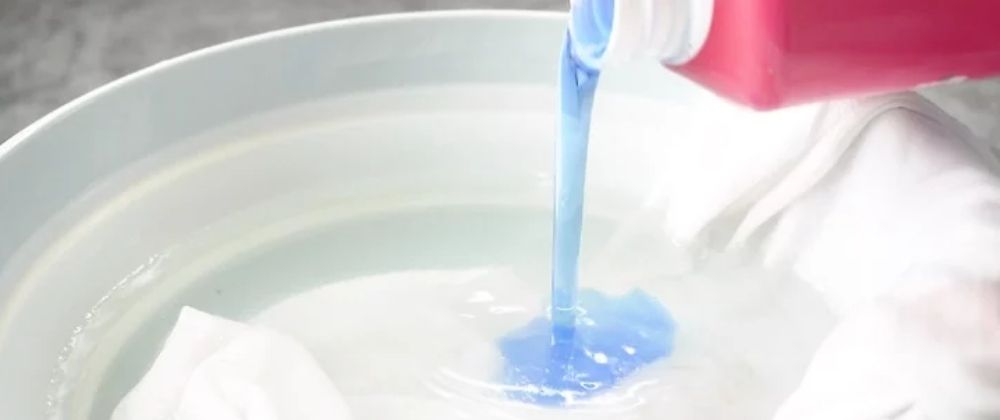
If you prefer, you can use liquid laundry detergent or a prewash stain remover instead of dish soap. This is especially useful for body oil, collar stains, makeup oil, and old grease spots. Apply it directly to the stain and let it sit according to the product directions.
One important tip: rinse out dish soap before putting the garment in the washing machine. Dish soap is great for pretreating, but too much of it in a washer can create excess suds. Laundry rooms do not need foam parties.
Step 3: Wash in the Warmest Water Safe for the Fabric
After pretreating, wash the garment according to the care label. For many oil stains, warm water works better than cold water because it helps loosen greasy residue. However, the care label always wins. If the label says cold water only, use cold water and choose a strong liquid detergent.
Wash the stained item separately or with similar laundry. Avoid overloading the washer. Clothes need room to move so water and detergent can reach the stain properly. A crowded washer is basically a laundry traffic jam, and oil stains love traffic jams.
For heavy grease stains, use a quality liquid detergent and the normal or heavy-duty cycle if the fabric can handle it. For activewear, synthetic shirts, or polyester uniforms, turn the garment inside out and make sure the detergent reaches the stained area. Synthetic fabrics can hold oily residue, so pretreating and checking afterward are especially important.
Step 4: Check Before Drying and Repeat if Needed
This step is where many people accidentally turn a removable stain into a permanent guest. Before placing the garment in the dryer, inspect the stained area while it is still damp. Oil stains can be sneaky when wet, so look closely under good light.
If the stain is gone, air-dry the garment or tumble dry only if the care label allows it. If you still see a shadow, do not use the dryer. Dryer heat can set remaining oil into the fabric. Instead, repeat the pretreatment process: dish soap or liquid detergent, gentle brushing, washing, and checking again.
For stubborn oil stains, patience is normal. Some stains need two or three rounds, especially if the oil sat for hours or the garment was already washed. Laundry is not always instant. Sometimes it is a tiny soap opera with rinse cycles.
How to Remove Old Oil Stains From Clothes
Old oil stains are more difficult, but not always hopeless. If a shirt came out of the dryer with a mysterious dark spot, try this approach before giving it the tragic title of “yard work shirt.”
First, place cardboard or an old towel behind the stain to prevent oil from transferring to the other side of the garment. Apply liquid laundry detergent or a stain remover directly to the spot. Let it sit for 10 to 15 minutes. Then gently scrub with a soft toothbrush.
If the stain is still visible, add a small amount of dish soap and work it in. Wash the garment again in the warmest water allowed by the care label. Air-dry only. Repeat as needed.
Some stain-removal guides suggest stronger methods for set-in grease, but use caution. Avoid harsh solvents unless the fabric label and product directions clearly allow them. If the garment is expensive, delicate, vintage, or emotionally important, a professional cleaner is the safer choice. Your favorite jacket deserves better than a reckless science fair.
How to Remove Different Types of Oil Stains
Cooking Oil and Olive Oil
Cooking oil, olive oil, canola oil, and vegetable oil respond well to quick blotting, absorbent powder, dish soap, and warm-water washing. The sooner you treat the stain, the easier it is to remove. If olive oil lands on linen, cotton, or a T-shirt, start with powder to pull out the excess oil before applying soap.
Butter and Greasy Food Stains
Butter, gravy, salad dressing, pizza grease, and sauces often contain both oil and food particles. Scrape away solids first, then blot. Use dish soap to cut the grease, followed by liquid laundry detergent before washing. If the stain has color from spices or tomato sauce, you may need a second treatment for the remaining pigment.
Motor Oil and Garage Grease
Motor oil and mechanical grease are heavier than cooking oil and may require extra pretreatment. Remove excess oil carefully, use a stain remover or heavy-duty liquid detergent, and wash work clothes separately. Avoid drying until the stain and odor are gone. For heavily contaminated clothing, follow product safety instructions and consider whether the garment is worth saving.
Body Oil and Collar Stains
Body oil builds up slowly around collars, cuffs, pillowcases, and workout clothes. Pretreat with liquid laundry detergent, shampoo, or a stain remover before washing. A soft brush helps loosen residue from shirt collars. For prevention, wash frequently and avoid letting oily buildup sit for weeks.
Common Mistakes to Avoid
Oil stain removal is simple, but a few mistakes can make the job harder. Avoid these laundry traps:
- Do not rub aggressively. Rubbing spreads oil and can damage fibers.
- Do not use the dryer too soon. Heat can set the stain.
- Do not ignore the care label. Some fabrics cannot handle hot water or heavy scrubbing.
- Do not overload the washer. Detergent needs space to work.
- Do not mix random cleaners. More products do not always mean more cleaning power.
- Do not use printed paper towels. Dye from prints may transfer to fabric.
Best Home Remedies for Oil Stains
Several everyday items can help remove oil stains from clothes when used correctly.
Baking Soda
Baking soda helps absorb fresh oil and can act as a mild cleaning booster. Sprinkle it generously over the stain, let it sit, then brush it away before pretreating with soap.
Cornstarch
Cornstarch is excellent for soaking up oil from fresh stains. It is gentle and especially useful when you want to lift oil before adding liquid products.
Dish Soap
Grease-cutting dish soap is one of the most useful tools for fresh oil stains. Apply a small amount, work it in gently, let it sit, rinse, and wash.
Liquid Laundry Detergent
Liquid detergent works well as a pretreatment because it is made for fabric. It is a strong option for old stains, body oil, synthetic fabrics, and everyday grease spots.
When to Call a Professional Cleaner
Some stains are not worth risking at home. Call a professional cleaner if the garment is dry-clean-only, made of silk, wool, leather, suede, cashmere, or has delicate trim. You should also get professional help for expensive suits, wedding clothing, vintage garments, and items with sentimental value.
When you bring the item in, tell the cleaner what caused the stain and when it happened. “Mystery stain” is less helpful than “olive oil from Sunday pasta night.” The more information they have, the better their chances of choosing the right treatment.
Prevention Tips: How to Keep Oil Stains From Winning
You cannot prevent every oil stain unless you plan to eat all future meals in a poncho. But you can reduce the damage.
- Wear an apron while cooking oily foods.
- Treat stains immediately, even if you cannot wash right away.
- Keep a small stain remover pen or wipe in your bag.
- Use napkins strategically during messy meals.
- Wash oily work clothes separately from regular laundry.
- Check clothes before transferring them to the dryer.
The simple habit of checking garments before drying is one of the best ways to save clothes. A damp shirt with a faint oil spot still has a chance. A dried shirt with a baked-in stain is asking for a sequel.
Real-Life Experience: What Actually Works When Oil Attacks Your Clothes
Oil stains are not theoretical. They happen during real life, usually when you are wearing something you actually like. The classic example is the “one tiny drop of salad dressing” that somehow becomes the main character on a clean shirt. In my experience, the fastest wins come from treating the stain immediately with absorbent powder and dish soap. Waiting until laundry day can still work, but fresh stains are much easier to persuade.
One useful trick is to keep cornstarch near the kitchen or laundry area. If oil splatters while cooking, blot the stain, cover it with cornstarch, and let it sit while dinner finishes. By the time the dishes are done, much of the oil has been pulled away from the fabric. Then a little dish soap and warm water can handle the rest. It feels almost too simple, but simple is lovely when your shirt is not trying to become modern art.
For pizza grease, the best method is patience. Pizza oil is sneaky because the stain may look lighter after pretreating, then reappear after washing. The key is to check before drying. If the spot is still visible, repeat the dish soap treatment. Do not convince yourself the dryer will “finish the job.” The dryer is not a stain remover. It is more like a stain tattoo artist when heat meets leftover oil.
For older oil stains, liquid laundry detergent is often more reliable than dish soap alone. Work detergent into the stain and let it sit before washing. A soft toothbrush helps, especially on cotton and denim. However, brushing too hard can fade color or roughen fabric, so use small circles and gentle pressure. Think “spa facial,” not “scrub the driveway.”
Workout shirts and polyester tops can be more stubborn than cotton. Body oil and deodorant residue may cling to synthetic fibers, creating dark patches or sour smells. Pretreating the underarm and collar areas before every few washes can help prevent buildup. For these garments, avoid too much fabric softener because it can leave residue that traps odor and soil.
Another lesson: white cloths matter. Colored towels and printed napkins can transfer dye when used with stain removers or warm water. A plain white cloth is boring, yes, but boring is excellent in stain removal. Laundry drama should stay on the stained garment, not invite new colors to the party.
Finally, do not treat every fabric the same way. A cotton T-shirt can handle more brushing and washing than a silk blouse. Jeans are tough, but dark denim can fade if scrubbed aggressively. A delicate sweater may need professional cleaning. The best stain-removal habit is not just speed; it is matching the method to the fabric.
The big takeaway from real-life oil stain battles is this: act quickly, absorb first, pretreat carefully, wash correctly, and never dry until the stain is gone. That four-step routine saves money, reduces clothing waste, and keeps favorite outfits from being demoted to “cleaning day clothes.” Oil may be stubborn, but with the right approach, your laundry basket does not have to surrender.
Conclusion
Learning how to remove oil stains from clothes is less complicated than it looks. Start by blotting and absorbing excess oil. Pretreat with dish soap or liquid laundry detergent. Wash in the warmest water safe for the fabric. Then inspect the garment carefully before drying. Those four steps can handle many fresh and stubborn oil stains, from salad dressing to butter to body oil.
The most important rule is to avoid heat until the stain is gone. Once you remember that, you are already ahead of half the laundry mistakes in America. Oil stains may arrive dramatically, but they do not have to stay forever.


