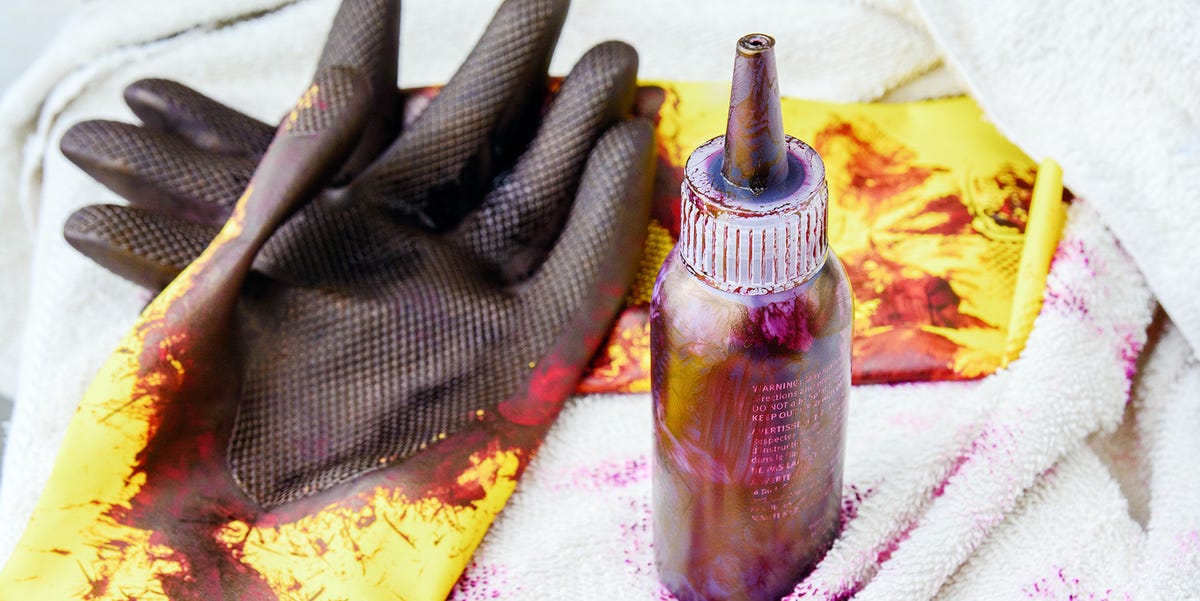

There are two types of people who dye their hair at home: people who protect their skin first, and people who discover a mysterious espresso-colored halo around their forehead five minutes too late. If you are currently staring at hair dye stains on your hairline, ears, neck, hands, or that one heroic knuckle you forgot to glove, take a breath. Hair dye on skin usually looks more dramatic than it is, and in most cases, it can be faded or removed with gentle, everyday products.
The trick is to act quickly, choose the right method for the right body area, and avoid scrubbing your skin like you are sanding an old coffee table. Your face needs a softer touch than your hands. Your ears do not want nail polish remover. Your hairline does not appreciate panic. This guide explains how to get hair dye off skin fast, what to use first, what to save for stubborn stains, and how to prevent dye stains next time so your new color looks intentionalnot like your bathroom hosted a tiny beauty-themed crime scene.
Why Hair Dye Stains Skin So Easily
Hair dye is designed to cling. Permanent and many semi-permanent dyes contain pigments and developers that help color attach to the hair shaft. Unfortunately, those pigments do not politely stop at your hairline. They can settle into the outermost layer of the skin, especially where skin is dry, textured, oily, or not protected by a barrier.
Dark brown, black, red, blue, purple, and vivid fashion colors are often the most noticeable on skin. Fresh dye is easier to remove than dye that has dried and oxidized, which is why speed matters. The sooner you wipe away the stain, the less time the pigment has to bond with the skin’s surface.
First Step: Use Soap and Warm Water Immediately
If the stain is fresh, start simple. Do not reach for the strongest product in the house. Warm water and a gentle cleanser are often enough when dye has not fully set.
How to do it
Wet a soft washcloth or cotton pad with warm water, add a small amount of gentle facial cleanser or mild soap, and dab the stained area. Use small circular motions, then rinse. Repeat once if needed, but do not keep scrubbing until your skin turns pink. If the dye is still there after two gentle rounds, move to an oil-based method.
This method works best for stains around the hairline, forehead, temples, ears, and neck. It is also the safest starting point for sensitive skin because it avoids harsh solvents and abrasive ingredients.
Best Gentle Method: Oil or Petroleum Jelly
Oil is one of the friendliest ways to remove hair dye from skin. Baby oil, olive oil, coconut oil, mineral oil, cleansing balm, and petroleum jelly can help loosen pigment without stripping your skin. Think of oil as the calm friend who shows up during a beauty emergency with snacks and a plan.
How to use oil for hair dye stains
Apply a small amount of oil or petroleum jelly directly to the stain. Massage gently for one to two minutes using your fingertips or a cotton pad. Let it sit for five to ten minutes, then wipe away with a damp cloth. For stubborn stains, leave the oil on longerup to an hour if your skin tolerates it wellthen cleanse the area.
For dye on the hands, you can apply oil, put on disposable gloves, and let it sit while you clean up your coloring tools. For dye around the hairline, keep the amount small so you do not accidentally make your roots greasy enough to reflect sunlight.
Try Micellar Water or Makeup Remover
Micellar water and waterproof makeup remover are excellent options for light to moderate hair dye stains, especially on the face. These products are designed to lift pigment, oil, and makeup from skin without aggressive rubbing. They are not magic, but they are surprisingly useful when the dye stain is still fresh.
How to use it
Soak a cotton pad with micellar water or makeup remover, press it onto the stain for 20 to 30 seconds, then wipe gently. Repeat with a clean pad. This works especially well around the forehead, temples, jawline, and behind the ears. Avoid getting makeup remover in the eyes, and stop if the area stings or becomes irritated.
Use Toothpaste Carefully for Small Stains
Non-gel toothpaste is a popular home remedy for removing hair dye from skin because it has mild polishing ingredients. It can help lift color from small stained areas, but it should be used with care. Toothpaste is not a facial cleanser, and your cheeks did not sign a consent form for a minty exfoliation session.
How to do it safely
Apply a pea-sized amount of plain, non-gel toothpaste to the stain. Gently massage for 30 to 60 seconds, let it sit for a few minutes, then wipe off with a warm damp cloth. Use this only on small areas and avoid the eyelids, under-eye area, lips, and broken or irritated skin.
If your skin feels tight, hot, itchy, or uncomfortable, rinse immediately and switch to a gentle moisturizer. Toothpaste can be too drying for sensitive skin, so it is better as a backup method than a first choice.
Baking Soda Paste: Better for Hands Than Face
Baking soda can help remove stubborn dye stains because it provides mild abrasion. However, abrasion is exactly why you should be careful. On the hands, baking soda may work well. On the face, it can be too rough, especially if you already tried several other methods.
How to use baking soda on hands
Mix one teaspoon of baking soda with enough mild dish soap or gentle cleanser to form a paste. Rub it lightly over stained fingers, palms, or nails for 30 seconds, then rinse thoroughly. Follow with hand cream because baking soda and soap can leave skin dry.
Do not use baking soda near your eyes. Do not use it on sunburned, cracked, freshly exfoliated, or eczema-prone skin. If the stain is on your face, use oil, micellar water, or a professional dye remover instead.
Rubbing Alcohol: Use Only as a Last Resort
Rubbing alcohol can break down hair dye stains, but it can also dry and irritate skin. It is best reserved for tougher areas like hands, not delicate facial skin. If you use it, be quick and precise.
How to use rubbing alcohol
Apply a small amount of rubbing alcohol to a cotton pad and dab the stained area briefly. Do not soak the skin. Wipe once or twice, then rinse with water and apply moisturizer. Avoid alcohol on the face if you have sensitive, dry, acne-treated, or irritated skin. Never use it near the eyes, mouth, or freshly shaved areas.
Professional Hair Dye Remover Wipes
If you color your hair often, hair dye remover wipes are worth keeping in your bathroom. Many salons use professional stain removers made specifically for skin. These products are formulated to lift dye from the skin more effectively than soap while being less chaotic than rummaging through the medicine cabinet with panic in your eyes.
Follow the package directions carefully. Use light pressure and rinse afterward if the label recommends it. Even products designed for dye stains can irritate skin if you rub too hard or use them repeatedly in one spot.
How to Remove Hair Dye From Different Areas
Hairline and forehead
Start with warm water and gentle cleanser. If color remains, use oil, petroleum jelly, micellar water, or a cleansing balm. Work slowly around the hairline so you do not pull dye from your freshly colored roots. Avoid aggressive exfoliants on the face.
Ears and neck
The ears and back of the neck are classic dye magnets. Use a cotton swab dipped in oil or micellar water to clean the curves of the ear. For the neck, a soft washcloth with cleanser or oil usually works well. Rinse and moisturize afterward.
Hands and fingers
Hands can tolerate slightly stronger methods than the face. Start with soap and warm water, then try oil. If needed, use baking soda paste or a tiny amount of rubbing alcohol. Pay attention to the skin around your nails, where dye loves to hide like it pays rent.
Nails and cuticles
Use oil first, massaging it into the cuticles. A nail brush with gentle soap can help, but avoid digging under the nail bed. If stains remain, they will usually fade with repeated handwashing over a few days.
What Not to Use on Hair Dye Stains
Some internet tricks are more “please don’t” than “pro tip.” Avoid bleach, bathroom cleaners, harsh household solvents, undiluted essential oils, lemon juice on the face, and abrasive scrubs used repeatedly. These can cause dryness, burning, irritation, or chemical injury. A stain that fades in a few days is much better than angry, damaged skin that takes weeks to heal.
Also avoid mixing random ingredients together. Baking soda plus lemon juice plus alcohol plus toothpaste is not a stain remover; it is a science fair volcano with bad boundaries. Use one method at a time, rinse well, and moisturize.
When to Stop and Let the Stain Fade
Sometimes the safest answer is patience. Hair dye stains on skin usually fade as the skin naturally sheds. Light stains may disappear within a day or two. Darker stains may take several days, especially around nails or dry patches. If you have already tried two or three gentle methods and the stain is still visible, stop for the day. Over-cleaning can irritate the skin and make the stain look worse because redness joins the party.
Watch for Signs of a Hair Dye Reaction
Removing a stain is one thing. Managing a possible allergic reaction is another. Hair dye can irritate skin or trigger allergic contact dermatitis in some people. Watch for intense itching, burning, swelling, rash, blistering, hives, or swelling around the eyes, face, lips, or throat. If you experience trouble breathing, severe swelling, dizziness, or a rapidly worsening reaction, seek emergency medical care.
If you develop a rash after using hair dye, rinse the product off, stop using it, and contact a healthcare professional or dermatologist. Do not assume a reaction is “just a stain.” Stains sit on the skin surface; allergic reactions feel uncomfortable, spread, or worsen over time.
How to Prevent Hair Dye From Staining Skin Next Time
The easiest hair dye stain to remove is the one that never gets invited. Before coloring, apply a thin layer of petroleum jelly, thick moisturizer, or balm around your hairline, ears, and neck. Do not smear it into the hair itself, or the dye may not take evenly at the roots.
Wear gloves from start to finish, including during rinsing. Use an old dark towel around your shoulders. Keep cotton pads, a damp washcloth, and micellar water nearby so you can wipe drips immediately. Apply dye with a brush instead of squeezing it wildly from a bottle like you are decorating a cake during an earthquake.
Section your hair carefully and use a mirror to check the back of your neck and ears. If you are dyeing your hairline or roots, apply color in small strokes. Precision is not glamorous, but neither is a purple ear.
Quick Removal Cheat Sheet
For fresh stains, use soap and warm water first. For the face, use oil, petroleum jelly, micellar water, or makeup remover. For the hands, try oil, then baking soda paste if needed. For stubborn spots, use professional dye remover wipes. Use rubbing alcohol only sparingly and mainly on tougher skin areas. Moisturize after every method.
Real-Life Experiences: What Actually Works When You Are in a Hurry
Anyone who has colored hair at home has a story. Mine usually begins with confidence, continues with “I definitely do not need to read the instructions again,” and ends with me discovering a brown thumbprint on my cheek like I have been fingerprinted by a tiny salon detective. The good news is that most hair dye skin disasters are fixable. The better news is that you learn fast.
The fastest rescue I have seen is the immediate wipe method. A damp cotton pad with a little cleanser can remove fresh dye almost instantly if you catch it before it dries. This is why setting up your station matters. Before mixing color, place cotton rounds, a washcloth, cleanser, oil, and gloves within reach. Once dye is on your hair, you do not want to sprint through the house looking for baby oil while wearing one plastic glove and a shower cap.
For hairline stains after rinsing, oil is usually the most forgiving option. Massage a small amount of petroleum jelly or olive oil into the stained skin, wait a few minutes, and wipe gently. The stain may not vanish in one dramatic movie moment, but it often softens enough that foundation or concealer can hide the rest. This is especially helpful before work, a date, or a video call where you would rather not explain why your forehead has a mahogany border.
Hands are different. If you forgot gloves, your palms may look like you shook hands with a marker. Oil helps, but hand stains often need repetition. Wash with warm water and soap, massage with oil, rinse, then use a soft nail brush around the cuticles. If color remains, a light baking soda paste can help. The key word is light. Scrubbing harder does not make you more powerful; it just makes your skin irritated.
One practical trick is to clean as you go. Many people wait until the entire coloring process is finished, but by then the dye has settled. Wipe the hairline after application, again halfway through processing if you notice drips, and once more before rinsing. Small cleanups prevent big stains.
Another lesson: protect the weird places. Everyone remembers the forehead. Fewer people remember the tops of the ears, behind the ears, the nape of the neck, and the side of the jaw. These are the places that expose your DIY dye job when your hair is pulled up. A thin barrier of petroleum jelly in those zones can save you from two days of strategic hairstyling.
Finally, accept that some stains need time. Dark permanent dye can be stubborn, especially on dry skin and cuticles. If you have already cleaned gently, moisturized, and repeated once, leave it alone for a while. Skin renews itself, and the stain will fade. In the meantime, wear your new color proudly. If anyone asks about the faint mark near your ear, tell them it is the cost of beauty, paid in tiny purple installments.
Conclusion
Learning how to get hair dye off skin fast is mostly about timing, gentleness, and choosing the right remover. Start with soap and warm water, move to oil or micellar water, and save stronger options like baking soda paste or rubbing alcohol for tougher areas such as the hands. Avoid harsh chemicals, protect sensitive facial skin, and stop if your skin becomes irritated. Next time, use petroleum jelly or moisturizer as a barrier, wear gloves, and wipe drips right away. Your hair color should make a statementbut your forehead does not need to sign it.
Note: This article is for general educational purposes and is not medical advice. If hair dye causes burning, swelling, rash, blistering, or breathing trouble, rinse the product off and seek professional medical help.


