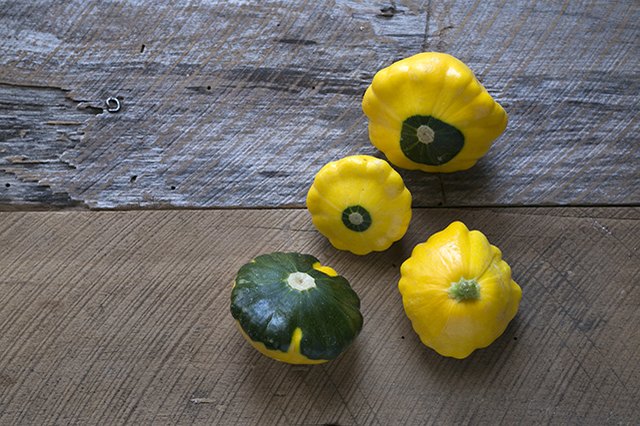

Pattypan squash looks like a vegetable that wandered off a movie set about friendly UFOs. It’s round, a little ruffled, and just weird enough to make some cooks stare at it in the produce aisle and think, “Cute… but now what?” The good news is that pattypan squash is one of the easiest summer vegetables to cook. It has tender skin, mild flavor, quick cooking time, and the kind of shape that makes a plain weeknight dinner look far fancier than it really is.
If you have ever wondered how to cook pattypan squash without turning it into sad, watery mush, you are in the right place. This guide covers the best ways to prepare it, how to choose the right squash, what flavors make it shine, and how to avoid the common mistakes that turn a charming summer squash into a bland side dish nobody remembers. We will also get into real kitchen experiences later in the article, because pattypan squash is one of those ingredients that teaches you something new every time you cook it.
What Is Pattypan Squash?
Pattypan squash, sometimes called scallop squash, is a type of summer squash. It comes in yellow, green, white, and sometimes variegated shades, and its flavor is usually described as mild, slightly sweet, and a little buttery. Think zucchini’s cheerful cousin who dresses better for dinner parties.
Because it is a summer squash, the skin is edible and the flesh is tender. That matters. You do not need to wrestle it with a peeler, and you do not need a full emotional support team just to cut it open. Smaller pattypan squash are especially tender and cook quickly, while larger ones can become seedier and a bit more watery. That does not make big ones useless, though. It simply means you should treat them differently.
How to Choose the Best Pattypan Squash
For the best texture and flavor, look for pattypan squash that feel firm and heavy for their size, with smooth skin and no soft spots. Smaller squash, around 2 to 4 inches wide, are usually the sweetest and most tender. They also have fewer seeds, which makes them ideal for roasting whole, sautéing, or grilling.
If the squash is larger, do not panic. Bigger pattypans are great for stuffing, baking, or cutting into wedges. Just know that the seeds may be more noticeable, so you might want to scoop some out if the center looks overly mature.
Quick shopping checklist
- Choose firm squash with shiny, unblemished skin.
- Go smaller if you want tender texture and faster cooking.
- Save the larger ones for stuffed squash or baked dishes.
- Avoid squash that look wrinkled, bruised, or spongy.
How to Prep Pattypan Squash
Prepping pattypan squash is simple. Wash it well, dry it, and trim off the stem end and blossom end if they look rough or woody. After that, your prep depends on the size.
For small pattypan squash
You can leave them whole, halve them, or slice them into thick rounds or wedges. Whole baby pattypans are excellent for steaming, roasting, or quick sautéing.
For medium to large pattypan squash
Cut them into wedges, cubes, or halves. If the seed cavity looks tough or overly developed, scoop out the seedy center before cooking. Larger squash are also ideal for stuffing, since their shape naturally creates a little bowl.
Do you need to peel pattypan squash?
Nope. One of pattypan squash’s greatest gifts is that the skin is edible. In a world full of unnecessary kitchen chores, this is a small but meaningful win.
Optional trick for better browning
If you want deeply browned roasted or sautéed squash, sprinkle the cut pieces lightly with salt and let them sit for about 20 to 30 minutes. Then pat them dry. This helps draw out some excess moisture so the squash can caramelize instead of steam. It is not mandatory, but it is a smart move if you are chasing crispy edges.
The Best Ways to Cook Pattypan Squash
Pattypan squash is flexible, which is cook-speak for “hard to mess up if you pay attention.” The best methods are roasting, sautéing, grilling, stuffing, and air-frying. Each one creates a slightly different texture, so you can choose based on your mood, your time, or whether you are trying to impress guests with suspiciously low effort.
1. Roast It for Deep Flavor
Roasting is one of the best ways to cook pattypan squash because it concentrates the flavor and gives the edges a little golden personality. Cut the squash into wedges or thick slices, toss with olive oil, salt, black pepper, and your favorite herbs, then spread it in a single layer on a sheet pan.
Roast at 425°F for about 20 to 25 minutes, flipping once halfway through. If your pieces are very small, start checking closer to 15 minutes. If they are larger and chunkier, they may need a few extra minutes.
Best seasonings for roasted pattypan squash: garlic, thyme, rosemary, shallots, smoked paprika, Parmesan, lemon zest, red pepper flakes, and fresh parsley.
Example: Roast pattypan wedges with olive oil, sliced shallots, thyme, salt, and black pepper. Finish with a squeeze of lemon and a shower of Parmesan. Suddenly dinner looks organized.
2. Sauté It for a Fast Weeknight Side
If dinner needs to happen in a hurry, sautéed pattypan squash is your friend. Slice the squash into wedges or half-moons, heat olive oil or butter in a skillet, and cook over medium-high heat until the squash is tender and lightly golden.
This usually takes about 5 to 8 minutes, depending on thickness. The key is not crowding the pan. If the pieces pile up on each other, they steam instead of brown, and then you are one sad skillet away from “vegetable compromise.”
Onions, shallots, and garlic work beautifully here. Fresh herbs such as basil or parsley also brighten the dish at the end. A splash of white wine or even a spoonful of water can help soften the squash without making it soggy.
Easy skillet idea: Sauté pattypan squash with olive oil, butter, sliced onion, garlic, and a little lemon juice. Finish with chopped basil and grated Parmesan. It tastes like summer remembered its manners.
3. Grill It for Smoky Char
Pattypan squash loves the grill, especially when cut into halves or thick slices. Because it is naturally mild, grill marks and a little smoke add exactly the kind of drama it needs.
Toss the squash with olive oil, salt, and pepper, then grill over medium heat for about 8 to 10 minutes, turning once or twice. You want the flesh tender and the edges lightly charred, not blackened into a cautionary tale.
Grilled pattypan squash pairs especially well with lemon, mint, dill, feta, goat cheese, chimichurri, or a yogurt sauce. It is also excellent chopped into grain bowls, pasta salads, or grilled vegetable platters.
4. Stuff and Bake It for a Show-Off Dinner
If you have larger pattypan squash, stuffing is one of the smartest ways to use them. Slice off the top, scoop out part of the center, and fill the cavity with a savory mixture. Then bake until the squash is tender and the filling is hot and golden.
Popular fillings include breadcrumbs, sausage, rice, onions, spinach, mushrooms, cheese, and herbs. You can keep it vegetarian or go full comfort-food mode. Both are valid life choices.
Bake stuffed pattypan squash at 375°F to 400°F for about 25 to 35 minutes, depending on size and filling. If you want a crisp top, sprinkle with cheese or breadcrumbs for the last few minutes.
Simple filling formula: cooked rice + sautéed onion + garlic + spinach + breadcrumbs + cheese + herbs. Spoon it in, bake, and call it dinner.
5. Air-Fry It for Crispy Edges
If you are loyal to your air fryer and speak of it with the devotion usually reserved for pets, you will be happy to know pattypan squash works well here too. Cut it into bite-size pieces, toss with oil and seasonings, and cook at 400°F for about 10 to 12 minutes, shaking the basket once or twice.
Air-fried pattypan squash gets tender in the center and nicely browned on the outside. It is especially good with garlic powder, paprika, black pepper, and a dusting of grated cheese after cooking.
Best Flavors to Pair with Pattypan Squash
Pattypan squash is mild, which means it plays nicely with a wide range of ingredients. That is great news for dinner, but it also means you need to season it with at least a little intention. Otherwise, it tastes like warm politeness.
Great flavor pairings
- Fresh herbs: basil, parsley, thyme, dill, mint, rosemary
- Alliums: garlic, onion, shallot, scallion
- Cheese: Parmesan, feta, goat cheese, pecorino
- Acid: lemon juice, balsamic vinegar, red wine vinegar
- Heat: red pepper flakes, black pepper, chili crisp
- Rich accents: olive oil, butter, toasted nuts, breadcrumbs
Because pattypan squash is similar to zucchini in spirit, you can usually borrow your favorite zucchini recipes and adjust the shape. That is one of its biggest strengths. It looks special, but it is not fussy.
Common Mistakes to Avoid
Overcooking it
This is the classic squash mistake. Cook pattypan squash until just tender. Once it goes too far, it loses structure and starts collapsing into watery softness.
Crowding the pan
Whether roasting or sautéing, give the squash room. If the pieces are piled together, moisture gets trapped and browning disappears.
Under-seasoning it
Pattypan squash is subtle, not loud. Salt, pepper, herbs, garlic, acid, or cheese help wake it up.
Buying oversized squash for quick cooking
Big pattypans are better for stuffing or chunkier preparations. If you want tender sautéed or grilled squash, buy smaller ones.
Skipping the dry-off step
After washing, dry the squash well. Wet vegetables roast poorly and steam too easily. A paper towel can be the difference between caramelized and confused.
What to Serve with Pattypan Squash
Pattypan squash works with grilled chicken, salmon, steak, pork chops, pasta, grain bowls, rice dishes, omelets, and summer salads. It also plays well with corn, tomatoes, eggplant, green beans, chickpeas, and fresh herbs.
If you want a simple summer plate, try this: roasted pattypan squash, grilled chicken, sliced tomatoes, and crusty bread. Add a chilled drink and suddenly you are the sort of person who “throws things together” and somehow produces a lovely meal.
FAQ: How to Cook Pattypan Squash
Can you eat pattypan squash raw?
Yes, especially when it is very small and tender, but most people prefer it cooked because the flavor becomes sweeter and more mellow.
Do you remove the seeds?
Usually not for small squash. For larger squash, remove some or all of the seeds if the center looks tough or spongy.
What does pattypan squash taste like?
It tastes mild, fresh, slightly sweet, and a little buttery. It is often compared to zucchini, but many cooks find it a touch sweeter and firmer.
How long does pattypan squash last?
It is best used within a few days to a week when refrigerated, depending on freshness when purchased. Like most summer squash, it is happiest when eaten sooner rather than later.
Kitchen Experiences: What You Learn After Cooking Pattypan Squash Again and Again
The first time I cooked pattypan squash, I treated it like a decoration that had accidentally joined the vegetables. It looked adorable, so I was convinced it required some delicate, chef-level handling. It did not. In fact, one of the best things about cooking pattypan squash is learning how uncomplicated it really is. Once you stop overthinking the flying-saucer shape, it becomes one of the easiest vegetables to welcome into your routine.
One of the earliest lessons is that size changes everything. Tiny pattypans are almost unfairly easy to cook. Halve them, sauté them in butter and olive oil, add a pinch of salt, and they become tender in minutes. They hold their shape, brown nicely, and look good enough to make people assume you had a plan. Larger ones are different. They are not worse, just moodier. They need more trimming, sometimes a little scooping, and more thoughtful seasoning. The payoff is that they are perfect for stuffing, and stuffed pattypan squash has a charming dinner-party energy even when you are serving it on a Tuesday.
Another real-world discovery is that pattypan squash benefits from confidence. Not aggression, exactly, but confidence. A hot oven helps. A roomy sheet pan helps. Enough oil helps. If you try to cook it too gently, especially in a crowded skillet, the squash releases moisture and turns soft before it ever gets color. Once you learn to give it space, the results improve immediately. The edges brown. The flavor deepens. The vegetable stops tasting like steamed good intentions.
Seasoning is another place where experience matters. Early on, it is tempting to keep things overly simple because pattypan squash is mild. But mild vegetables need a supporting cast. Garlic, lemon, shallots, herbs, and cheese are not there to bully the squash. They are there to give it a purpose. One of the best versions I ever made was barely a recipe at all: roasted pattypan wedges with olive oil, thyme, black pepper, and a shower of Parmesan right after they came out of the oven. It tasted bright, savory, and a little nutty, and it convinced me that pattypan squash does not need complicated treatment. It just needs thoughtful company.
There is also something deeply satisfying about how adaptable it is. One week it is a grilled side dish with salmon. The next week it is folded into pasta with basil and goat cheese. Then it turns up in a grain bowl, a warm salad, or tucked beside eggs at brunch. It is the kind of ingredient that makes leftovers feel intentional. That is not a small thing. In a busy kitchen, vegetables that can reappear in three different meals deserve some respect.
Most of all, cooking pattypan squash teaches you to trust simple methods. You do not need an elaborate sauce, a dozen spices, or a dramatic technique. You need decent squash, enough heat, and the wisdom to stop cooking it before it loses its charm. That is the real secret. Pattypan squash wants to be treated like a summer vegetable, not a project. Once you understand that, it becomes less of a novelty and more of a staple. And honestly, any ingredient that can be cute, practical, and delicious at the same time has earned a permanent spot in the rotation.
Final Thoughts
If you have been staring at pattypan squash and wondering what on earth to do with it, start simple. Roast it with olive oil and herbs. Sauté it with garlic and onion. Grill it until lightly charred. Stuff it if you are feeling ambitious. Just do not peel it, do not overcook it, and do not underestimate how much flavor a squeeze of lemon and a little salt can add.
Pattypan squash may look quirky, but it is one of the most versatile summer vegetables in the kitchen. Once you cook it a few times, it stops being produce-aisle theater and starts becoming dinner.