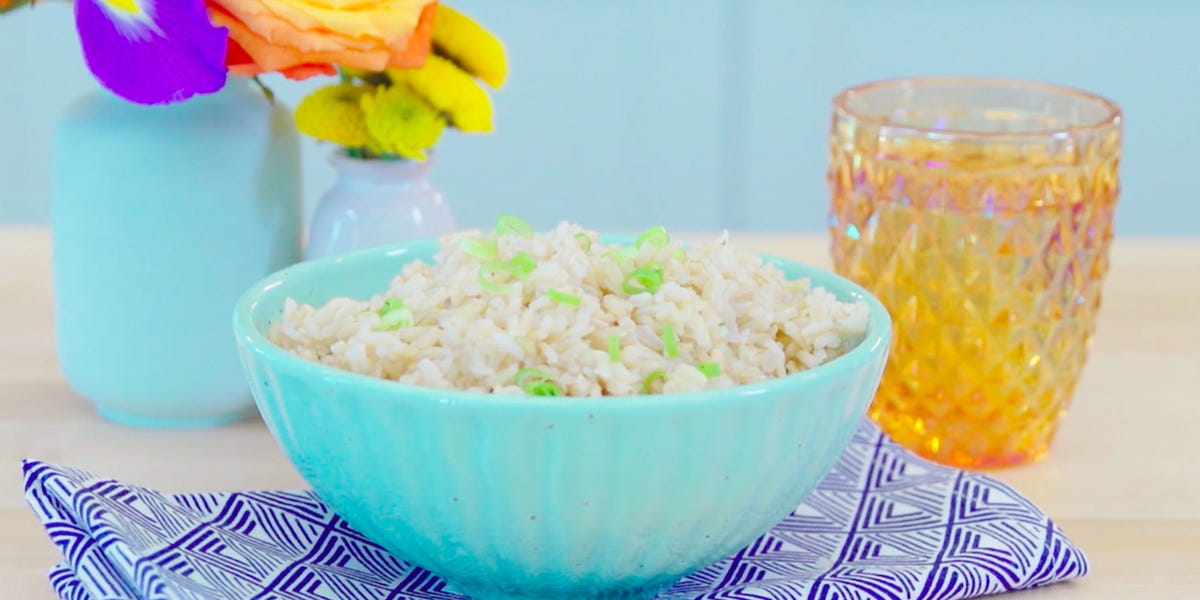

Brown rice has a reputation. It is the dependable, whole-grain cousin of white rice, but it also has a tiny drama club inside every bag: cook it too little and it chews like a pebble wearing a sweater; cook it too long and it turns into beige paste. The good news? Learning how to cook brown rice is not difficult once you understand what brown rice actually needs: enough water, gentle heat, patience, and a short rest before serving.
This guide breaks down the best way to make brown rice into four simple steps. No mystery, no rice-cooker envy, no staring into the pot like it owes you money. Whether you are making grain bowls, meal-prep lunches, stir-fries, burrito bowls, or a simple side dish for salmon, chicken, tofu, beans, or roasted vegetables, this method gives you fluffy, nutty, tender brown rice with separate grains and real flavor.
Why Brown Rice Cooks Differently From White Rice
Brown rice is a whole grain, meaning it still contains the bran and germ. That is the reason it has a pleasantly nutty taste, a slightly chewy texture, and more natural fiber than refined white rice. It is also the reason it takes longer to cook. The outer bran layer acts like a tiny raincoat around each grain, slowing down water absorption. White rice has had that layer removed, so it cooks faster and softer.
Think of brown rice like a friend who needs extra time to get ready but always shows up with snacks. It rewards patience. The key is to avoid rushing the cooking process. High heat can make the outside of the grain split before the center softens. Too little water leaves the rice tough. Too much water without proper draining or resting can make it gummy. The sweet spot is a controlled simmer followed by covered steaming.
The Best Brown Rice Ratio
For the stovetop absorption method, a reliable ratio is:
1 cup long-grain brown rice + 1 3/4 to 2 cups water
If you like firmer, separate grains, start with 1 3/4 cups water. If you prefer softer brown rice, use 2 cups water. Different brands, grain lengths, and pot lids can change the final texture slightly, so your perfect house ratio may need one tiny adjustment after the first batch. That is not failure. That is culinary science wearing slippers.
Ingredients You Need
- 1 cup long-grain brown rice
- 1 3/4 to 2 cups water or low-sodium broth
- 1/4 to 1/2 teaspoon fine salt, optional
- 1 teaspoon olive oil or butter, optional
This makes about 3 cups of cooked brown rice, enough for roughly 3 to 4 side-dish servings.
How to Cook Brown Rice in 4 Simple Steps
Step 1: Rinse the Rice
Place the brown rice in a fine-mesh strainer and rinse it under cool running water for 30 to 60 seconds. Swish the grains with your fingers until the water looks less cloudy. You do not need the water to run as clear as a mountain stream in a wellness commercial; “less cloudy” is enough.
Rinsing helps remove loose surface starch, dust, and small bits from processing or packaging. That starch is one of the reasons rice can turn sticky or clumpy. For fluffy brown rice, rinsing is a simple upgrade. If the package specifically says not to rinse, follow the package instructions, especially for enriched or specially processed rice.
Step 2: Combine Rice, Water, and Seasoning
Add the rinsed rice to a medium saucepan with the water, salt, and optional oil or butter. A 2-quart saucepan with a tight-fitting lid is ideal for 1 cup of dry rice. The lid matters more than people think. A loose lid lets too much steam escape, which can leave the rice undercooked even when the timer says you should be victorious.
For extra flavor, replace water with vegetable broth, chicken broth, or mushroom broth. You can also add a bay leaf, a smashed garlic clove, a strip of lemon zest, or a pinch of cumin. Keep the seasoning subtle if you plan to use the rice in multiple meals throughout the week.
Step 3: Simmer Low and Slow
Bring the pot to a boil over medium-high heat. As soon as it reaches a boil, stir once, cover the pot, and reduce the heat to low. The rice should cook at a gentle simmer, not a bubbling volcano. Let it cook for 40 to 45 minutes, or until the water is absorbed and the grains are tender.
Try not to lift the lid repeatedly. Every peek releases steam, and steam is doing important work in there. It is basically the rice’s personal spa treatment. If your stove runs hot, use the lowest burner setting. If your rice is still firm after 45 minutes and the pot is dry, add 2 tablespoons of hot water, cover, and cook for another 5 minutes.
Step 4: Rest, Fluff, and Serve
Turn off the heat and let the covered pot rest for 10 minutes. Do not skip this step. Resting allows remaining moisture to redistribute through the grains, giving you fluffier brown rice with a better texture. After resting, remove the lid and fluff the rice with a fork.
Serve immediately, or spread the rice on a baking sheet to cool quickly for meal prep. Once cooled, store it in airtight containers in the refrigerator. Brown rice is excellent in grain bowls, fried rice, soups, casseroles, stuffed peppers, veggie burgers, breakfast bowls, and quick lunches that say, “I have my life together,” even if your laundry says otherwise.
Quick Recipe Card
Fluffy Stovetop Brown Rice
Prep time: 5 minutes
Cook time: 40 to 45 minutes
Rest time: 10 minutes
Total time: 55 to 60 minutes
Yield: About 3 cups cooked rice
Should You Soak Brown Rice?
Soaking brown rice is optional. A 30-minute soak can shorten cooking time slightly and may make the texture a little softer. However, it also changes how much water the rice needs. If you soak the rice, drain it well and reduce the cooking water slightly. For a simple everyday method, rinsing is enough. Soaking is helpful when you want a softer texture or when you are cooking short-grain brown rice, which naturally turns a bit stickier.
What If You Want Extra-Fluffy Brown Rice?
Try the pasta method. Bring a large pot of water to a boil, add rinsed brown rice, and boil uncovered until tender, usually 25 to 35 minutes depending on the rice. Drain it through a fine-mesh strainer, return it to the warm pot, cover, and let it steam for 10 minutes. This method is forgiving because the rice is not forced to absorb a precise amount of water. It is also a practical option for anyone who has been personally victimized by mushy rice.
The pasta method may be especially useful when cooking a new brand of brown rice, batch-cooking, or trying to reduce some naturally occurring compounds from rice by using excess water and draining it. The trade-off is that some nutrients can be lost in the drained water, so it is best to use the method that fits your cooking goals.
Common Brown Rice Mistakes
Using Too Much Heat
Brown rice needs gentle cooking. If the water boils aggressively, the outside of the grains can break down while the inside stays firm. Low heat is boring in the best possible way.
Skipping the Rest
Resting is not decorative. It is part of the cooking process. Ten quiet minutes can turn decent rice into fluffy rice.
Using a Bad Lid
If steam escapes constantly, the rice may dry out before it fully cooks. Use a tight lid, or cover the pot with foil before placing the lid on top if your lid is loose.
Fluffing With a Spoon
A spoon can crush the grains. A fork separates them gently. Brown rice has been through enough.
How to Season Brown Rice So It Actually Tastes Good
Plain brown rice is useful, but seasoned brown rice is where dinner starts to smile. Add salt before cooking for basic flavor. After cooking, brighten it with lemon juice, lime juice, chopped cilantro, parsley, scallions, toasted sesame oil, or a small pat of butter. For a Mexican-inspired bowl, stir in lime juice, cumin, and cilantro. For a Mediterranean bowl, add olive oil, lemon zest, parsley, and cracked black pepper. For an Asian-inspired meal, add sesame oil, green onions, and a splash of low-sodium soy sauce after cooking.
If you are meal prepping, keep the rice lightly seasoned at first. Neutral rice can become fried rice on Tuesday, a burrito bowl on Wednesday, and a soup booster on Thursday. Strongly seasoned rice is delicious, but it may not want to go everywhere. Garlic-lime rice in oatmeal? That is a plot twist nobody requested.
How to Store and Reheat Cooked Brown Rice
Cooked rice should be cooled and refrigerated promptly. Spread leftovers in a shallow container so steam can escape faster, then cover and refrigerate. Use refrigerated rice within 3 to 4 days for best quality and safety. For longer storage, freeze portions in airtight bags or containers. Flattening freezer bags helps the rice freeze quickly and reheat evenly.
To reheat brown rice, add a splash of water, cover, and microwave until hot. You can also warm it in a covered skillet over low heat. The water creates steam and brings back moisture, which prevents dry, sad grains. For fried rice, cold leftover brown rice is actually an advantage because it is drier and less likely to clump in the pan.
Best Ways to Use Brown Rice
- Grain bowls: Add roasted vegetables, protein, greens, and sauce.
- Fried rice: Use chilled leftover brown rice for the best texture.
- Soups: Stir cooked rice into chicken soup, vegetable soup, or bean soup.
- Stuffed peppers: Mix rice with beans, tomato sauce, herbs, and cheese.
- Breakfast bowls: Warm with milk, cinnamon, fruit, and nuts.
- Salads: Toss cooled brown rice with cucumbers, herbs, chickpeas, and vinaigrette.
Brown Rice Troubleshooting Guide
Why Is My Brown Rice Still Crunchy?
It probably needed more water, more time, or a tighter lid. Add a few tablespoons of hot water, cover, and cook for another 5 to 10 minutes on low.
Why Is My Brown Rice Mushy?
You may have used too much water, cooked it too long, or stirred too much. Use slightly less water next time and let the rice rest before fluffing.
Why Did My Rice Burn on the Bottom?
The burner was too hot, the pot was too thin, or the water evaporated too quickly. Use low heat and a heavy-bottomed saucepan.
Can I Cook Brown Rice in a Rice Cooker?
Yes. Use the brown rice setting if your cooker has one. If not, follow the rice cooker manual because different machines handle steam and timing differently.
Kitchen Experience: What Cooking Brown Rice Teaches You
Cooking brown rice is one of those kitchen tasks that sounds small but teaches big lessons. The first lesson is patience. Brown rice does not care that you are hungry, that your vegetables are done, or that your playlist has already reached the dramatic ballad section. It cooks on its own schedule. Once you accept that, the process becomes calmer. Start the rice first, then prep everything else. By the time your vegetables are roasted or your sauce is stirred together, the rice will be ready instead of becoming the late guest at dinner.
The second lesson is that simple food rewards attention. A cup of rice and a pot of water seem basic, but small details change everything. Rinsing removes excess starch. A tight lid protects steam. Low heat prevents scorching. A 10-minute rest makes the texture more even. None of these steps is flashy, but together they create the difference between “fine” and “I would happily eat this again tomorrow.” That is the quiet magic of cooking: ordinary actions adding up to a better meal.
Another real-life lesson is flexibility. Brown rice behaves differently depending on the brand, age, grain length, and pot. The first batch may not be perfect, and that is okay. If it is too firm, add a little more water next time. If it is too soft, reduce the water by a few tablespoons. Keep one note on your phone: “My brown rice ratio.” After two or three batches, you will have a personal formula that works better than any generic instruction because it matches your stove and your cookware.
Brown rice is also a meal-prep hero. A container of cooked brown rice in the fridge can rescue a busy weeknight. Add canned beans, salsa, avocado, and a fried egg, and dinner appears faster than delivery. Toss it with leftover chicken, frozen vegetables, and soy sauce, and you have quick fried rice. Warm it with milk, cinnamon, banana, and walnuts, and it becomes a cozy breakfast bowl. Brown rice may not be glamorous, but it is reliable. In a world full of complicated recipes, reliability deserves applause.
The final experience is confidence. Once you learn how to cook brown rice well, you stop treating whole grains like a gamble. You understand that texture is not luck; it is method. You know when to lower the heat, when to leave the lid alone, when to fluff, and when to let the rice sit quietly because sometimes food, like people, improves after a short break. Mastering brown rice will not solve every problem in life, but it will make dinner easier, healthier, and more satisfying. Honestly, that is not a bad return on one cup of grains.
Conclusion
The best way to make brown rice is simple: rinse it, measure carefully, simmer gently, and let it rest. That four-step method works because it respects what brown rice needs. The bran layer takes time to soften, the grains need steady steam, and the final covered rest helps everything finish evenly. Once you master the basics, brown rice becomes more than a side dish. It becomes a flexible foundation for healthy meals, fast lunches, hearty bowls, soups, salads, and leftovers you will actually want to eat.
So the next time a bag of brown rice stares at you from the pantry like a homework assignment, do not panic. Grab a pot, rinse the grains, keep the heat low, and give it time. Fluffy brown rice is not a secret. It is just a methodand now you have it.
SEO Tags


