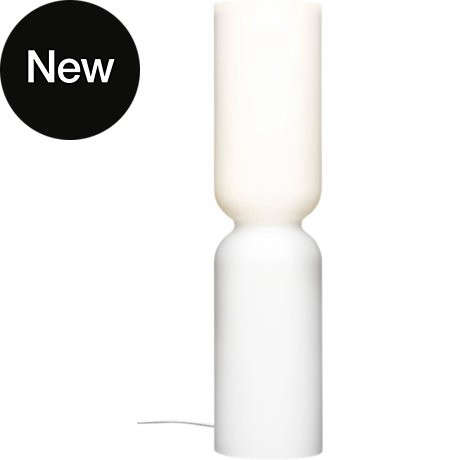

Some lamps try very hard to impress you. They twist, sparkle, swing, glare, and generally behave like they are auditioning for a Broadway musical. Harri Koskinen’s Lantern Lamp – White does the opposite. It stands quietly, glows softly, and somehow makes the room feel as if it just learned how to breathe. Designed for Iittala, the Lantern Lamp is one of those rare home objects that looks simple at first glance, then slowly reveals why simple is often the hardest thing to get right.
The white Lantern Lamp is a sculptural table lamp made from mouth-blown opal glass. It began as a candleholder designed by Finnish designer Harri Koskinen in 1999 and was later reimagined as an electric lamp in 2013. That evolution matters because the piece keeps the emotional warmth of candlelight while adding the everyday practicality of a plug-in light. In other words, it gives you the poetry without asking you to keep a drawer full of matches.
For design lovers, the Lantern Lamp is not just a light source. It is a study in balance: glass and glow, form and function, Nordic restraint and quiet drama. For everyone else, it is simply a beautiful white lamp that makes shelves, side tables, bedrooms, reading corners, and living rooms look more intentional. And honestly, that is not a bad job description.
What Is Harri Koskinen’s Lantern Lamp – White?
Harri Koskinen’s Lantern Lamp – White is a modern electric version of the designer’s iconic Lantern candleholder for Iittala. The lamp is known for its clean, vertical silhouette, softly diffused white opal glass, and the visual illusion that light is floating inside the body of the piece. The design is often described as sculptural because it works both as functional lighting and as a decorative object even when switched off.
The lamp is available in different sizes, commonly including a smaller 250 mm version and a taller 600 mm version. The white finish gives it a calm, architectural presence. Instead of exposing the bulb, the opal glass softens the light and spreads it gently around the room. The result is not a harsh spotlight or a task lamp that interrogates your desk like a detective. It is ambient lighting, the kind that gives a space atmosphere, depth, and a more relaxed mood.
Its design language fits naturally into Scandinavian interiors, minimalist homes, Japandi spaces, modern apartments, boutique hospitality settings, and even more traditional rooms that need one carefully chosen contemporary accent. The Lantern Lamp is the visual equivalent of a well-tailored white shirt: clean, useful, understated, and surprisingly powerful.
The Design Story: From Candleholder to Electric Icon
Harri Koskinen first created Lantern in 1999 as a sculptured candleholder. The original idea centered on the beauty of a flame suspended within glass. Instead of decorating the candleholder with patterns or ornament, Koskinen shaped the glass so the light itself became the decoration. That choice reflects a key principle of Nordic design: do less, but make the less matter.
In 2013, Iittala introduced an electric version of Lantern. This was not a random product extension. It was a practical update that expanded how and where the object could be used. A candle is beautiful, but it is temporary. It burns down, needs supervision, and has a ritual attached to it. An electric lamp can stay on through dinner, reading time, evening work, or a rainy afternoon when your living room needs emotional support.
The electric white Lantern Lamp keeps the feeling of a candlelit object while making the light more consistent and versatile. It can sit on a nightstand, a bookshelf, a console table, a windowsill, or a sideboard. In larger spaces, the taller version has enough visual height to act almost like a luminous column. The design remains faithful to the original concept: light that appears contained, weightless, and calm.
Who Is Harri Koskinen?
Harri Koskinen is a Finnish designer known for industrial clarity, conceptual simplicity, and objects that often carry a quiet emotional charge. Born in Finland in 1970, he has worked across furniture, lighting, tableware, product design, and spatial concepts. His international reputation grew early thanks to designs such as the Block Lamp, but his broader body of work shows a consistent interest in usefulness, production logic, and atmosphere.
Koskinen’s designs rarely shout. They prefer to make a point with proportion, material, and a clever idea. That approach is visible in the Lantern Lamp. There is no unnecessary decoration. The glass form is controlled and symmetrical. The light is softened rather than dramatized. It feels modern but not cold, artistic but not impractical. That is a difficult balance, and it is one reason the Lantern collection has remained relevant long after its first appearance.
Why the White Lantern Lamp Works So Well
1. The White Opal Glass Softens the Room
The white version of the Lantern Lamp uses opal glass to diffuse light. This matters because exposed bulbs can create glare, while thin lampshades can sometimes feel visually busy. Opal glass creates a smoother glow, turning the lamp into a source of atmosphere rather than just brightness. It is especially useful in bedrooms, living rooms, dining areas, and corners where you want a peaceful mood.
2. The Shape Feels Sculptural Without Being Strange
Many sculptural lamps look amazing in a showroom and slightly ridiculous next to your mail pile. The Lantern Lamp avoids that problem. Its silhouette is distinctive, but not weird for the sake of being weird. It has enough personality to stand alone, yet enough restraint to work with other furniture, books, ceramics, plants, and art.
3. It Fits Modern and Classic Interiors
Because the white Lantern Lamp is so visually clean, it can slide into many interior styles. In a minimalist space, it reinforces calm. In a colorful room, it gives the eye a quiet resting point. In a traditional room, it adds a modern note without starting an argument with the antique cabinet. Good design should not need a bouncer to enter your home.
4. It Looks Good Even When It Is Off
A lamp spends many hours turned off, so its daytime appearance matters. Harri Koskinen’s Lantern Lamp has a strong sculptural form even without light. On a shelf or table, it reads as a glass object, almost like a small architectural piece. That makes it more versatile than purely functional lighting.
How to Style Harri Koskinen’s Lantern Lamp – White
On a Sideboard
A white Lantern Lamp on a sideboard can create a clean focal point in a dining room, hallway, or living area. Pair it with a low bowl, a stack of art books, or a simple vase. Avoid overcrowding the surface. The lamp looks best when it has enough space around it to show off its silhouette.
On a Bookshelf
Placed between books or ceramics, the Lantern Lamp adds depth and warmth to shelving. The smaller version is especially useful here because it introduces light without dominating the shelf. It can turn an ordinary bookcase into something that looks styled rather than merely storage-adjacent.
On a Nightstand
In the bedroom, the white opal glass creates a soothing glow. It is not the best choice for intense task lighting, but it is excellent for winding down. If your bedtime routine involves reading, choose a bulb that offers enough brightness while still preserving the lamp’s soft character.
Near a Window
The Lantern Lamp works beautifully as a window light. During the day, the white glass feels clean and sculptural. At night, it creates a gentle glow that can be seen from both inside and outside. It is a subtle way to make a home feel welcoming without turning the window into a holiday display in July.
Best Rooms for the White Lantern Lamp
The living room is the most obvious place for the Lantern Lamp because it works well as ambient lighting. Place it on a side table, media console, or open shelf to create evening warmth. It is especially effective when layered with other light sources such as floor lamps, wall sconces, or dimmable ceiling lights.
In a bedroom, the lamp feels calm and personal. The white glass complements soft textiles, pale woods, linen bedding, and neutral color palettes. It can also balance darker bedroom schemes by adding a clean luminous element.
In a hallway or entryway, the Lantern Lamp can act as a welcoming beacon. Because the design is vertical and compact, it can sit on a narrow console without demanding too much room. In a home office, it can soften the hard edges of screens, papers, and productivity panic.
Materials and Craftsmanship
One of the most important features of the Lantern Lamp is its mouth-blown glass construction. Mouth-blown glass gives each piece a crafted quality that machine-perfect objects often lack. The white opal finish helps diffuse the bulb and gives the lamp its soft, cloudlike appearance.
Iittala has a long history with glass, and that heritage matters here. The Lantern Lamp does not rely on trendy materials or decorative gimmicks. Its appeal comes from glass, light, proportion, and execution. That is why it feels timeless rather than seasonal.
The lamp’s design also shows respect for negative space. The light is not merely inside the glass; it appears to hover within the form. This effect is central to the Lantern identity. It is a small visual trick, but a powerful one. The lamp feels lighter than its material, calmer than its function, and more memorable than its minimal outline might suggest.
Is the Lantern Lamp Practical?
Yes, but with the right expectations. Harri Koskinen’s Lantern Lamp – White is best used as ambient or mood lighting. It is not intended to replace a bright desk lamp, kitchen work light, or overhead fixture. Think of it as the lamp that makes a room feel finished, not the lamp that helps you find a dropped contact lens under the sofa.
Depending on the size and bulb used, it can provide enough light for relaxed reading, quiet evenings, or decorative illumination. The larger 600 mm version has more presence and works well as a statement piece, while the 250 mm version is easier to place in smaller areas. Since many versions do not include a bulb, choosing the right light source is important. A warm white bulb is usually the best match if you want a cozy glow.
Buying Considerations Before You Add It to Your Cart
Before buying the white Lantern Lamp, consider size first. The smaller version is more flexible for shelves, bedside tables, and compact apartments. The taller version is more dramatic and works best where it has visual breathing room. Measure your surface and check the lamp’s height carefully. In design, guessing is how a “perfect accent piece” becomes “why is this blocking the mirror?”
Next, consider the light output. If you need strong task lighting, pair the Lantern Lamp with another fixture. If you want atmosphere, softness, and a beautiful sculptural glow, the Lantern Lamp is in its element.
Finally, consider your interior palette. The white version is the most versatile because it blends with neutral rooms and contrasts gently with darker spaces. It also suits homes that use natural materials such as oak, ash, wool, linen, stone, and ceramic.
How It Compares With Other Scandinavian Lamps
Many Scandinavian lamps focus on metal shades, adjustable arms, paper-like diffusion, or wood details. The Lantern Lamp is different because glass is the main event. It is closer to a luminous sculpture than a conventional shade-and-base table lamp. That makes it especially appealing for people who want lighting that doubles as decor.
Compared with a typical fabric-shade table lamp, Lantern feels cleaner and more architectural. Compared with a metal task lamp, it feels softer and more atmospheric. Compared with a novelty lamp, it has the enormous advantage of not becoming embarrassing after three months. It is refined, quiet, and durable in style.
Care and Maintenance Tips
Because the Lantern Lamp is made from glass, it should be handled with care. Place it on a stable surface where it is not likely to be knocked by bags, pets, elbows, or overly enthusiastic houseguests explaining their vacation photos. Dust it regularly with a soft cloth. For fingerprints, use a gentle glass-cleaning method and avoid harsh abrasive materials.
Always follow the manufacturer’s recommendations for bulb type, wattage, and electrical safety. If the lamp uses a specific socket or maximum wattage, respect those limits. A beautiful lamp should glow, not audition as a science experiment.
Why Designers and Homeowners Still Love It
The continued appeal of Harri Koskinen’s Lantern Lamp comes from its emotional intelligence. It understands that homes are not showrooms. They are places where people read, eat, talk, scroll, spill coffee, lose keys, and occasionally stare into space pretending to be productive. The lamp supports those ordinary moments by making them feel slightly more graceful.
It is also a strong example of design longevity. The original Lantern concept dates back to 1999, yet the electric white lamp still feels current. That is the advantage of a design built on proportion and atmosphere rather than trend. It does not need to chase the latest interior fad because it was never trying to be fashionable in the shallow sense. It was trying to be good.
Experiences With Harri Koskinen’s Lantern Lamp – White
Living with the white Lantern Lamp is a reminder that lighting affects a room more than most people admit. Furniture gives a room function, but lighting gives it personality. The first thing many people notice about the Lantern Lamp is not brightness. It is mood. Switch it on in the evening and the room changes from “place where objects exist” to “place where someone clearly has taste.” A very useful upgrade, especially if the coffee table currently contains three remote controls and a mystery receipt.
In a small apartment, the 250 mm white Lantern Lamp can be surprisingly effective. It does not take over a table, but it gives a corner intention. On a bookshelf, it breaks up the rectangular rhythm of books and boxes. On a nightstand, it feels calmer than a metal reading lamp. In a studio space, it can help visually separate a resting area from a work area without adding walls, screens, or unnecessary furniture.
The taller version creates a different experience. At 600 mm, it feels more architectural. It can stand on the floor in some settings, but it is especially elegant on a low console, bench, or wide sideboard. In a dining room, it can replace the need for overly decorative accessories. One tall white Lantern Lamp, a ceramic bowl, and a bit of open space can look more polished than a crowded arrangement of objects that are all trying to be “interesting.”
The white glass also has a pleasant daytime quality. Some lamps only look good when lit, like actors who demand perfect lighting. The Lantern Lamp has no such insecurity. During the day, the opal glass reads as a quiet sculptural object. It works with sunlight, shadows, and nearby materials. Against wood, it feels warm. Against dark paint, it feels crisp. Against white walls, it becomes subtle and gallery-like.
One of the best ways to experience the Lantern Lamp is to use it as part of layered lighting. Instead of relying on one overhead ceiling light, combine the Lantern with a floor lamp, a small reading lamp, and perhaps a dimmable pendant. The room immediately feels more flexible. You can brighten it for guests, soften it for a movie, or create a low evening glow when you want the house to stop yelling at you.
The lamp is also a good choice for people who like calm interiors but do not want their home to feel empty. Minimalism can sometimes become a little too serious, as if the sofa is afraid to laugh. The Lantern Lamp adds warmth without clutter. Its curves soften straight furniture lines, while its white finish keeps the look clean.
As a gift, it works best for someone who appreciates design, glass, Nordic interiors, or objects with a story. It is not a throwaway present. It feels considered. It says, “I noticed you like beautiful things,” without saying, “I panicked and bought the first scented candle near the checkout.”
Over time, the strongest experience of the Lantern Lamp is its quiet consistency. It does not become annoying. It does not fight with seasonal decor. It does not demand a full room makeover. It simply continues to glow, soften, and improve the atmosphere. That is the secret of many great design objects: they do not perform loudly; they live well.
Conclusion
Harri Koskinen’s Lantern Lamp – White is more than a pretty table lamp. It is a thoughtful piece of Finnish design that combines mouth-blown glass, soft ambient light, and sculptural simplicity. Its story begins with a candleholder and evolves into an electric lamp that keeps the emotional warmth of flame while offering modern usability.
For homeowners, stylists, collectors, and anyone trying to make a room feel calmer without adding clutter, the white Lantern Lamp is a smart choice. It works in bedrooms, living rooms, entryways, offices, shelves, and public interiors. It is minimal but not boring, elegant but not fragile-looking, and functional without losing its poetic quality. In a world full of lighting that tries too hard, this lamp wins by glowing beautifully and minding its own business.
Note: This article is written as a publish-ready HTML body section and is based on verified product information, designer background, and widely available design references about Harri Koskinen, Iittala, and the Lantern Lamp collection.


