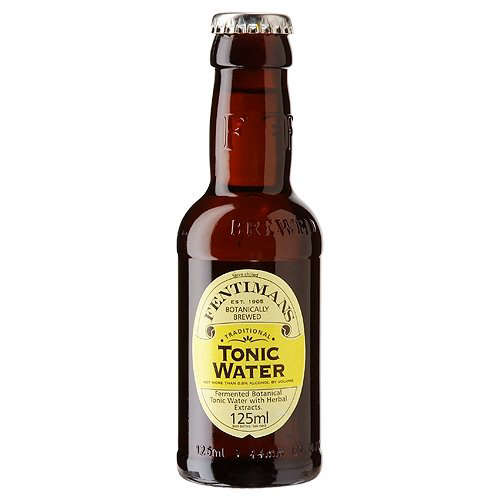

Some tonic waters quietly sit in the fridge like backup singers. Fentimans Tonic Water, however, walks in wearing a tailored jacket, carrying a citrus peel, and asking which gin deserves its attention. It is not merely fizzy water with a bitter wink. It is a botanical mixer built around quinine, herbal infusions, citrus character, and a brewing tradition that gives it more personality than the average carbonated beverage.
For drink lovers, home bartenders, and anyone who has ever wondered why one gin and tonic tastes bright while another tastes like sparkling sadness, Fentimans Tonic Water is worth understanding. Its flavor profile is crisp, gently bitter, citrus-forward, and herbal enough to make a simple drink feel crafted. Whether you are mixing a classic gin and tonic, building a low-alcohol spritz, or pouring it over ice with lime for a grown-up soft drink, Fentimans brings complexity without turning the glass into a science project.
What Is Fentimans Tonic Water?
Fentimans Tonic Water is a premium carbonated mixer made with quinine and a blend of botanicals. The brand is known for its “botanically brewed” approach, a method that uses infusion, blending, and fermented botanical extracts to create depth of flavor. In plain English: this tonic is designed to taste layered, not flat.
The U.S. version of Fentimans Tonic Water lists ingredients such as carbonated water, beet sugar, glucose syrup, fructose, citric acid, natural flavors, quinine, herbal infusions of juniper berry and kaffir lime leaves, and fermented botanical extracts including juniper berry, kaffir lime leaves, and lemongrass. That ingredient list explains a lot. The drink has bitterness from quinine, brightness from citrus-style botanicals, and a slightly herbal edge that plays beautifully with gin.
Unlike mass-market tonic water that often leans heavily on sweetness, Fentimans aims for a more adult flavor. It is still refreshing and approachable, but it has enough structure to stand up to bold spirits and enough elegance to sip on its own. Think of it as tonic water that actually read the cocktail menu before showing up.
A Brief Look at the Fentimans Story
Fentimans traces its roots back to 1905, when Thomas Fentiman began making botanically brewed beverages. The brand became associated with traditional brewing methods, distinctive recipes, and old-fashioned craft appeal long before “craft” became the word printed on every label from beer to mayonnaise.
The company’s heritage matters because tonic water is a product where process can influence perception. Carbonation, sweetness, bitterness, and botanical balance all affect the final drink. Fentimans leans into a classic beverage-making identity, using botanical ingredients to create a mixer that feels more like a crafted component than a generic filler.
What Does Fentimans Tonic Water Taste Like?
Fentimans Tonic Water has a distinctive bittersweet profile with noticeable citrus and herbal notes. The quinine gives it the signature dry bitterness expected from tonic water, while botanicals such as lemongrass, juniper, and kaffir lime add freshness and aromatic lift.
Flavor Notes You May Notice
The first sip usually brings a clean sparkle, followed by lemony brightness and a gentle herbal flavor. The bitterness is present but not punishing. It does not slap your tongue with quinine and then disappear into awkward silence. Instead, it lingers with a dry finish that makes the next sip feel natural.
The citrus character is one of Fentimans’ biggest strengths. It works especially well with London dry gin, citrus-forward gin, and botanical spirits that need a mixer with enough personality to keep up. The lemongrass note adds a subtle zesty quality, while juniper helps connect the tonic to gin’s classic flavor profile.
Carbonation and Mouthfeel
Fentimans is finely carbonated rather than aggressively fizzy. The bubbles feel polished and controlled, giving the drink a refined texture. This matters in cocktails because carbonation affects aroma release and refreshment. A tonic with too little fizz feels sleepy; one with too much can bulldoze delicate flavors. Fentimans lands in the pleasant middle: lively enough to refresh, smooth enough to sip.
Why Quinine Matters in Fentimans Tonic Water
Quinine is the ingredient that gives tonic water its famous bitterness. It comes from cinchona bark and has a long history connected to malaria treatment, although modern tonic water contains quinine at much lower levels than medicinal uses. In the United States, quinine in carbonated beverages is regulated and may not exceed 83 parts per million.
For everyday consumers, the important point is simple: quinine is there for flavor, not health benefits. Fentimans Tonic Water should be enjoyed as a beverage mixer, not treated like a wellness supplement. If you are sensitive to quinine, pregnant, taking medications, or dealing with health concerns, it is sensible to ask a healthcare professional before drinking tonic water regularly. That may sound less glamorous than “add lime and conquer the evening,” but responsible sipping is always in style.
Best Ways to Use Fentimans Tonic Water
Fentimans Tonic Water is best known as a gin-and-tonic mixer, but it is more versatile than that. Because it has citrus, bitterness, and herbal depth, it can work in both alcoholic and non-alcoholic drinks.
Classic Gin and Tonic
The classic pairing is simple: gin, tonic water, ice, and garnish. For a balanced drink, use plenty of fresh ice, pour in a quality gin, and top with chilled Fentimans Tonic Water. A common ratio is one part gin to two parts tonic, though you can adjust depending on how strong or light you prefer your drink.
For garnish, lime is the reliable friend who always answers texts. Lemon peel adds brightness. Grapefruit works beautifully with citrusy gins. A sprig of rosemary or thyme can make the drink smell like a garden party that owns real glassware.
Vodka Tonic
Vodka tonic is often clean and simple, so the tonic water does much of the flavor work. Fentimans adds enough bitterness and citrus to keep the drink from becoming plain. Use a crisp vodka, plenty of ice, and a lemon wedge or cucumber slice for a refreshing highball.
Tequila or Mezcal Tonic
Fentimans can also pair nicely with blanco tequila or light mezcal. The citrus notes complement agave, while quinine bitterness creates a grown-up edge. Try tequila, Fentimans Tonic Water, fresh lime, and a small pinch of salt. It is not a margarita, but it may become the margarita’s elegant cousin who studied abroad.
Non-Alcoholic Tonic Serve
You do not need alcohol to enjoy Fentimans Tonic Water. Pour it over ice with fresh lime, lemon, grapefruit, cucumber, or mint. For a more layered mocktail, combine it with a non-alcoholic botanical spirit, a splash of cranberry juice, or a small amount of citrus syrup. The bitterness makes it feel more sophisticated than typical soda.
Fentimans Tonic Water vs. Regular Tonic Water
The biggest difference between Fentimans and many standard tonic waters is complexity. Regular tonic water often focuses on sweetness, carbonation, and basic quinine bitterness. Fentimans adds botanical character, giving it more aroma and a more distinctive finish.
This makes it especially useful when the mixer is meant to be noticed. In a simple two-ingredient drink like a gin and tonic, the tonic water is not hiding. It is half the conversation. If the tonic tastes dull, the cocktail tastes dull. Fentimans helps create a drink with more shape, more brightness, and more finish.
That said, Fentimans may not be the best choice for every drinker. If you prefer very sweet, very neutral tonic water, Fentimans may taste more botanical than expected. But if you enjoy citrus, herbs, bitterness, and a drier adult soft drink style, it is a strong option.
Is Fentimans Tonic Water Sweet?
Yes, Fentimans Tonic Water contains sweeteners, but its flavor is not one-dimensional. The sweetness balances quinine’s bitterness and helps carry the citrus and botanical notes. Without sweetness, tonic water can taste harsh; with too much sweetness, it tastes like soda wearing a tiny cocktail hat. Fentimans keeps the sweetness in service of the overall flavor.
Nutrition can vary by market and product format, so always check the label on the bottle you buy. Fentimans also offers lighter tonic options in some markets for drinkers who want fewer calories while keeping a tonic-style flavor. The Naturally Light Tonic Water version is designed to deliver the brand’s botanical profile with a lower-calorie approach.
Food Pairings with Fentimans Tonic Water
Because Fentimans has bitterness, citrus, and herbal notes, it pairs well with foods that enjoy acidity and freshness. Try it with seafood, grilled shrimp, smoked salmon, fish tacos, or lemony chicken. It also works with salty snacks like olives, roasted nuts, potato chips, and charcuterie. Basically, if the food makes you want a squeeze of lemon, Fentimans can probably sit beside it happily.
For spicy foods, tonic water can be surprisingly effective. The bubbles refresh the palate, while sweetness softens heat. Pair it with Thai-style appetizers, spicy wings, jalapeño snacks, or tacos. The quinine bitterness adds contrast, making each bite feel a little cleaner.
How to Serve Fentimans Tonic Water Like a Pro
Chill Everything First
The best tonic drinks start cold. Chill the Fentimans bottle, chill the glass if you have time, and use fresh, solid ice. Warm tonic loses its charm quickly. Nobody wants a lukewarm gin and tonic unless they are being punished by a very specific and unreasonable menu.
Use Fresh Garnishes
Garnish should support the drink, not decorate it like a parade float. Lime, lemon, grapefruit, cucumber, rosemary, basil, thyme, or peppercorns can all work depending on the spirit. Match citrus-forward gins with citrus peels. Pair herbal gins with herbs. For floral gins, keep the garnish light so the tonic does not overpower the delicate aromas.
Pour Gently
To protect carbonation, pour tonic slowly down the side of the glass or over a bar spoon. Stir once or twice, not like you are trying to start a whirlpool. Gentle mixing keeps the bubbles alive and the drink aromatic.
Who Should Buy Fentimans Tonic Water?
Fentimans Tonic Water is a great choice for people who care about mixers as much as spirits. It suits home bartenders, gin fans, mocktail makers, and anyone who wants a premium tonic with more flavor than basic grocery-store options.
It is especially useful if you enjoy classic gin and tonics, botanical cocktails, citrus-forward drinks, and sophisticated soft drinks. It also makes sense for hosts because it can serve multiple guests: some may want gin, some may want vodka, and some may want a non-alcoholic tonic with lime. One bottle can play several roles without complaining.
Buying and Storing Fentimans Tonic Water
In the United States, Fentimans Tonic Water is commonly sold through specialty beverage shops, liquor stores, gourmet markets, and online retailers. You may see it in small glass bottles, often around 200 ml or 6.7 fluid ounces, which is a convenient size for one or two drinks. Smaller bottles help preserve carbonation because you open only what you need.
Store unopened bottles in a cool, dry place away from direct sunlight. Before serving, refrigerate them thoroughly. Once opened, tonic water is best used quickly because carbonation fades. A flat tonic is still technically liquid, but emotionally, it has left the party.
Common Mistakes to Avoid
Using Bad Ice
Ice matters more than people think. Old freezer ice can smell like frozen peas, mystery leftovers, and regret. Use fresh ice whenever possible, especially for simple highballs where every ingredient is noticeable.
Drowning the Spirit
Fentimans has character, so you do not need to flood the glass. Start with a balanced ratio and adjust. Too much tonic can bury the spirit; too little can make the drink overly strong. Balance is the goal.
Ignoring the Garnish
A good garnish can connect the tonic to the spirit. A poor garnish can fight the drink. If in doubt, use a simple citrus peel or wedge. It is hard to go wrong with fresh lime or lemon.
Personal Experience: Living with Fentimans Tonic Water in the Fridge
The first thing you notice about Fentimans Tonic Water is that it feels intentional. Some mixers are purchased because they are available. Fentimans is purchased because you have a plan, or at least because you want to look like someone who has a plan. The bottle already suggests that the drink inside is not ordinary. It has that classic premium mixer energy: modest, polished, and quietly confident.
In a gin and tonic, Fentimans changes the mood of the drink almost immediately. With a basic tonic, the gin often does most of the work. With Fentimans, the mixer brings its own voice. The lemongrass-style brightness lifts the aroma, the quinine keeps the finish crisp, and the herbal notes make even a simple pour feel more complete. It is the difference between “I made a drink” and “I assembled a small but respectable cocktail experience.”
One of the best ways to enjoy it is with a London dry gin, lots of ice, and a grapefruit peel. The grapefruit brings out the tonic’s citrus side without making it taste like fruit soda. If you prefer a sharper drink, lime works beautifully. If you want something softer, cucumber gives the glass a spa-day personality, but in a good way. Add a sprig of rosemary and suddenly your kitchen counter feels like a boutique hotel bar, minus the $19 price tag and the bartender with perfect sleeves.
Fentimans also performs well when no alcohol is involved. Pour it into a tall glass with ice, squeeze in lemon, add a few mint leaves, and you have a drink that feels adult without being heavy. This is useful on weeknights, at lunches, or anytime you want something more interesting than sparkling water but less sweet than soda. The bitterness gives it structure, so it does not feel like a consolation prize.
Another enjoyable experiment is pairing Fentimans with espresso. Espresso tonic is not for everyone, but if you enjoy bitter flavors, it can be surprisingly refreshing. Fill a glass with ice, add chilled Fentimans Tonic Water, then slowly pour a fresh espresso shot over the top. The result is bubbly, bitter, citrusy, and coffee-rich. It looks dramatic, tastes unusual, and makes you feel like you accidentally became a trendy café.
For entertaining, Fentimans is helpful because it gives guests options. Set out gin, vodka, citrus wedges, herbs, cucumber slices, and a few bottles of tonic. People can build their own drinks, and even the non-drinkers have something flavorful to enjoy. The small-bottle format is especially convenient because each bottle stays fizzy until opened. Nobody has to face the tragic half-flat liter bottle hiding in the refrigerator door.
The only caution is that Fentimans has enough flavor to influence the drink. That is a strength, but it means pairing matters. Very delicate floral gins may be better with a softer tonic. Bold, citrusy, classic, or juniper-forward spirits usually work extremely well. Once you learn what it likes, Fentimans becomes a reliable mixer that makes simple drinks feel carefully made.
Overall, the experience of drinking Fentimans Tonic Water is refreshing, aromatic, and a little fancy without becoming fussy. It is ideal for people who want more from tonic water than sweetness and bubbles. Keep a few bottles chilled, use good ice, and give the garnish at least ten seconds of thought. Your glass will thank you. Politely, of course.
Conclusion
Fentimans Tonic Water stands out because it treats tonic as an essential ingredient, not an afterthought. Its quinine bitterness, citrus brightness, herbal infusions, and fine carbonation create a premium mixer that works beautifully in gin and tonics, vodka tonics, tequila highballs, mocktails, and even experimental drinks like espresso tonic.
For drinkers who enjoy botanical complexity, Fentimans offers a crisp and grown-up alternative to ordinary tonic water. It is flavorful enough to matter, balanced enough to mix, and refreshing enough to drink over ice with a squeeze of citrus. In short, it is tonic water with manners, charm, and just enough attitude to keep your glass interesting.
Note: Product formulas, nutrition, availability, and packaging may vary by market and retailer. Always check the label on the bottle you purchase, especially if you are monitoring sugar intake, avoiding certain ingredients, or sensitive to quinine.