
Note: This article is written for web publishing and synthesizes publicly available design, textile, IKEA product, and vintage-market information without inserting source-link blocks or citation artifacts into the HTML.
When Quiet Bedding Becomes a Design Statement
Some home products arrive shouting. They wave bright colors, oversized patterns, and enough trend energy to make a bedroom feel like it has joined a marching band. Then there are textiles like Kazuyo Nomura for Ikea: calm, thoughtful, delicate, and quietly confident. They do not beg for attention. They simply make the room feel better, as if the bed suddenly learned good posture.
The phrase “Fabrics & Linens: Kazuyo Nomura for Ikea” points to a small but memorable corner of modern Scandinavian home design. Nomura, a Japanese-born textile artist and designer based in Gothenburg, Sweden, brought a soft, hand-crafted sensibility to Ikea’s mass-market world. Her work shows how everyday objectsduvet covers, curtains, yardage, blankets, rugs, and printed textilescan carry artistic intelligence without becoming precious or impractical.
That balance matters. Ikea built its global reputation on democratic design: useful products, reasonable prices, flat packs, and the ability to turn a tiny apartment into something that looks like an adult lives there. Nomura’s textile work fits beautifully into that philosophy. Her designs are accessible, but they are not bland. They are minimal, but not cold. They are decorative, but not fussy. In other words, they are the kind of fabrics that can survive real life, including laundry day, sleepy pets, coffee near the bed, and the occasional “I’ll fold this later” chair pile.
Who Is Kazuyo Nomura?
Kazuyo Nomura is a textile artist, designer, and handweaver born in Japan and long based in Gothenburg, Sweden. Her education connects directly to two major centers of Swedish textile training: the Swedish School of Textiles in Borås and the School of Design and Crafts in Göteborg. That background helps explain the quiet discipline of her work. It combines Japanese sensitivity to space, rhythm, and restraint with Scandinavian interest in function, material honesty, and clean pattern language.
Nomura’s career extends beyond Ikea. She has created artistic textile work, exhibited as a textile artist, and collaborated with companies such as Almedahls, a Swedish textile brand known for interior fabrics. She also received the Nordic Award in Textiles in 2006, an important recognition that underlines her deep understanding of craft, material, and textile tradition.
What makes Nomura especially interesting for home interiors is that her work does not depend on visual noise. Many of her patterns rely on rhythm, repetition, spacing, and small variations. The result feels poetic without requiring a museum label beside the pillowcase. Her fabrics can sit in an ordinary bedroom, guest room, rental apartment, or sunny reading nook and still bring a sense of design intention.
Kazuyo Nomura for Ikea: The Beauty of Everyday Textiles
Nomura’s Ikea-related designs include bed linens, printed fabrics, curtains, and pieces associated with Ikea’s broader textile collections. Vintage listings and design references show interest in items such as TYRA BLAD duvet covers, striped and leaf-patterned bedding, printed cotton yardage, linen curtain panels, and Ikea PS textile pieces. Some examples are now found mainly through resale markets, where discontinued Ikea textiles often develop a second life as collectible design objects.
This is one of the most charming things about Ikea textiles. They may begin as affordable household goods, but the best designs do not fade into anonymity. Years later, people search for them by designer name, pattern, product code, or that very specific memory: “the white-and-blue duvet with the tiny leaves that made my bedroom look like a Swedish summer morning.” That is not just nostalgia. That is good design doing its sneaky little victory dance.
The TYRA BLAD Look
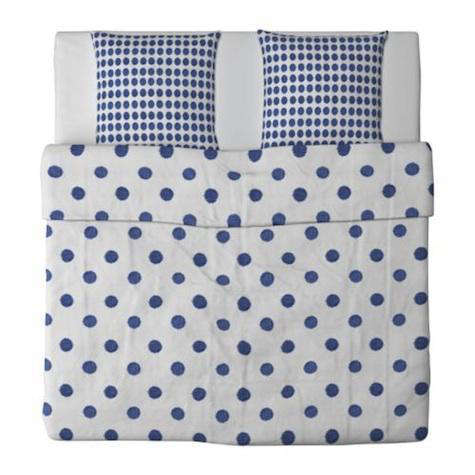
One of the most frequently mentioned Nomura-for-Ikea bedding designs is TYRA BLAD, often described in resale listings as a white and blue duvet cover set with small leaf-like stripes. The design captures Nomura’s ability to make pattern feel airy rather than busy. Blue and white is a classic bedroom palette, but here it avoids the heavy nautical cliché. No anchors. No rope. No feeling that a decorative lighthouse is about to appear on the nightstand.
Instead, the pattern feels botanical, rhythmic, and fresh. The tiny leaf forms create movement, while the stripe structure keeps everything orderly. It is a good example of how Nomura’s textile thinking works: nature is present, but translated through restraint. The result fits well in Scandinavian, Japanese-inspired, coastal, cottage, and minimalist interiors.
Printed Cotton and Linen Panels
Nomura’s Ikea fabrics also appear in vintage searches as printed cotton or cotton-like textiles with geometric rectangular patterns, stripes, and subtle color blocking. Some pieces are associated with 2005 Ikea of Sweden production markings, while others appear as curtains or fabric yardage. These designs often use simple shapesrectangles, vertical blocks, narrow bandsbut the composition gives them warmth. They are not mathematical in a stiff way; they feel handmade, even when produced for a large retailer.
That quality is important. A textile can be machine-produced and still carry the spirit of handwork if the designer understands proportion, irregularity, and visual breathing room. Nomura does. Her patterns often leave space for the eye to rest, which is why they can be used across large surfaces such as bedding or curtains without overwhelming a room.
Why These Fabrics Still Feel Modern
Many discontinued Ikea textiles from the 2000s still look surprisingly current. Nomura’s work is a strong example because it avoids trend traps. There are no overly specific color combinations that scream a particular year. There are no novelty motifs that feel cute for twelve minutes and exhausting by Tuesday. Instead, the designs lean on principles that age well: natural inspiration, clean geometry, limited palettes, and practical materials.
For SEO readers searching for Kazuyo Nomura Ikea fabric, Ikea designer bedding, or vintage Ikea linens, the appeal is partly aesthetic and partly emotional. These pieces represent an era when Ikea collaborated with designers who could translate art-school intelligence into everyday life. You did not need to be a collector to enjoy the design. You just needed a bed, a window, or a room that deserved better than sad beige fabric pretending to be sophisticated.
Design Analysis: Japanese Restraint Meets Scandinavian Function
The most useful way to understand Kazuyo Nomura for Ikea is through the meeting of two design cultures. Japanese textile traditions often value asymmetry, subtle contrast, seasonal references, and the beauty of quiet details. Scandinavian design, meanwhile, often prioritizes function, simplicity, light, and livable comfort. Nomura’s work sits naturally between those worlds.
Pattern as Rhythm
Instead of using pattern as decoration alone, Nomura uses it as rhythm. In bedding like TYRA BLAD, repeated small forms create a gentle visual beat. The pattern gives the fabric structure, but the scale keeps it calm. This is why the design can work in a child’s room, a guest room, or an adult bedroom without feeling too young or too formal.
Color as Atmosphere
Nomura’s Ikea-related textiles frequently rely on restrained palettes: blue and white, red and gray, taupe and cream, natural linen tones, or earthy checks. These colors are easy to live with because they behave like atmosphere rather than decoration. Blue brings freshness. White adds air. Taupe and gray ground the room. Red, when used, appears controlled and graphic rather than loud.
Material as Personality
Textiles are never only about pattern. The feel of cotton, linen, wool, or a linen-like weave changes the way a room behaves. Bedding needs softness and durability. Curtains need drape and light control. Rugs need structure and wear resistance. Nomura’s design language works because it respects what each textile is supposed to do. A duvet cover should invite sleep, not demand applause. A curtain should filter light, not behave like a theatrical curtain waiting for Act Two.
How to Style Kazuyo Nomura Ikea Fabrics at Home
If you are lucky enough to own a Nomura-designed Ikea textileor if you are hunting for one on the vintage marketstyling it is refreshingly easy. These fabrics are versatile because they are visually disciplined. They play well with wood, white walls, natural fibers, ceramics, books, plants, and the kind of lamp that makes you feel like you finally have your life together.
For the Bedroom
Use blue-and-white Kazuyo Nomura bedding with crisp white sheets, a pale wood bedside table, and one textured throw. Avoid overloading the bed with too many competing patterns. Let the duvet be the main character. If the room needs warmth, add a tan wool blanket or a small woven rug. If it needs contrast, try a charcoal lamp, black picture frame, or dark blue cushion.
For Curtains and Window Treatments
Nomura-style linen panels or printed curtains work best when they are allowed to hang simply. Choose a clean rod, avoid heavy tiebacks, and let the fabric create soft vertical movement. In small rooms, pale curtains can make the space feel larger. In bright rooms, patterned panels can soften glare and add texture without turning the window into a drama queen.
For Fabric Yardage
Vintage Ikea fabric by Kazuyo Nomura can be used for cushion covers, table runners, framed textile art, bench pads, or simple curtains. Because some of these fabrics are discontinued, it is wise to use them thoughtfully. Before cutting, measure twice, breathe once, and maybe whisper a small apology to the design gods.
Buying Vintage Kazuyo Nomura Ikea Textiles
Because many Nomura Ikea items are no longer regular store products, buyers often find them through secondhand platforms, vintage shops, estate sales, and design-focused resale listings. Search terms such as Kazuyo Nomura Ikea, TYRA BLAD duvet cover, Ikea Nomura fabric, vintage Ikea textile, and Ikea PS TOTT fabric may help locate relevant pieces.
When buying, check condition carefully. Look for fading, stains, thinning fabric, missing pillowcases, altered hems, or incorrect measurements. Ask whether the item is unused, washed, or cut from larger yardage. For curtains, confirm whether the listing includes one panel or a pair. For bedding, check mattress size compatibility, especially because Ikea sizing can differ between countries and older product lines.
Also look for designer markings or product labels when available. Some fabric listings include printed selvage information such as “Design: Kazuyo Nomura” and “IKEA of Sweden AB.” Labels are not always present, especially on cut fabric, but they can help verify authenticity.
Why Collectors Like Vintage Ikea Textiles
Vintage Ikea has become increasingly interesting to design lovers because it sits at the intersection of affordability, nostalgia, and real design history. Unlike rare gallery furniture, old Ikea textiles are often still usable. You can sleep under them, sew with them, hang them, or frame them. They are collectible, but not too precious to touch.
Kazuyo Nomura’s work is especially appealing because it has a clear design signature without being overbranded. The pieces do not rely on a logo. They rely on mood, material, and pattern. That makes them easy to integrate into contemporary homes. They also appeal to people who love Japanese-Scandinavian design, sometimes called “Japandi,” although Nomura’s work predates the current trend label. In short, the style was doing Japandi before Pinterest gave it a mood board and a oat-milk latte.
Care Tips for Fabrics and Linens
For any vintage Ikea textile, gentle care is the safest approach. Always follow the care label if it is still attached. If the label is missing, wash cautiously, especially with older cotton or linen. Use mild detergent, cool or warm water depending on fabric type, and avoid harsh bleaching unless the textile is plain white and clearly safe for it. Air drying can help reduce stress on fibers, while low-heat tumble drying may be appropriate for sturdier cotton bedding.
For printed fabrics, turn items inside out before washing. For curtains, shake out dust and test a hidden area before cleaning. For wool rugs or heavier woven pieces, professional cleaning may be the better choice. The goal is simple: keep the textile looking fresh without accidentally turning a rare duvet into a doll blanket.
Experiences Related to Kazuyo Nomura for Ikea
Living with Kazuyo Nomura-style Ikea textiles is less about creating a showroom and more about noticing how small design choices change daily routines. A good duvet cover is one of those objects you interact with constantly but rarely analyze. You see it when you wake up. You pull it into place when pretending to make the bed properly. You collapse into it after a long day. If the pattern feels calm, the room feels calmer too.
One of the best experiences with Nomura’s bedding designs is how easily they shift between seasons. A blue-and-white leaf stripe feels cool and fresh in summer, especially with light cotton sheets and open windows. In winter, the same duvet can become cozy when layered with wool, flannel, or a textured blanket. The design does not lock itself into one mood. It adapts, which is exactly what good household textiles should do.
Another pleasant experience is how well these fabrics photograph without trying too hard. In a guest room, a Nomura-inspired textile can make the bed look styled even when the rest of the room is simple. Add a ceramic vase, a stack of books, and natural light, and suddenly the space looks intentional. Not expensive. Not overdesigned. Just thoughtful. That is the magic zone where Ikea has often done its best work.
For people who sew, vintage Kazuyo Nomura Ikea yardage can feel like treasure. A small piece may become a cushion cover. A larger piece can turn into café curtains, a tablecloth, or wall art. The patterns are usually strong enough to stand alone but quiet enough to mix with linen, denim, canvas, or plain cotton. This makes the fabric forgiving for home projects. Even a beginner sewer can create something charming, assuming the sewing machine behaves and does not choose violence.
The emotional side of these textiles is also worth mentioning. Many people encounter Ikea fabrics first in ordinary life: a college apartment, a first shared home, a guest bedroom at a friend’s house, or a parent’s linen closet. Years later, the pattern becomes a memory trigger. Finding the same design again online can feel unexpectedly personal. It is not just fabric; it is a small rectangle of domestic history.
From a design experience perspective, Nomura’s textiles also teach restraint. They show that a room does not need five accent colors, three statement pillows, and a rug shouting “personality” from across the hallway. Sometimes one excellent pattern is enough. A bed with a quiet blue leaf stripe, a window with soft linen panels, or a cushion made from geometric cotton can bring order and warmth without clutter.
For renters, this is especially useful. You may not be able to change floors, cabinets, or wall colors, but textiles can transform a room quickly. Kazuyo Nomura’s Ikea designs work well in rental spaces because they add design character without fighting existing architecture. White walls? Good. Beige carpet? Manageable. Mystery landlord blinds? Hide them behind curtains and pretend everyone agreed this was the plan.
The best lesson from Fabrics & Linens: Kazuyo Nomura for Ikea is that practical design can still feel poetic. A duvet cover can be affordable and beautiful. A curtain can be functional and graceful. A printed cotton fabric can carry the intelligence of a trained textile artist while still being used in a normal home. That is the enduring appeal of Kazuyo Nomura’s work for Ikea: it respects everyday life and quietly improves it.
Conclusion
Kazuyo Nomura for Ikea represents the kind of design collaboration that makes everyday interiors more meaningful. Her fabrics and linens combine Japanese sensitivity, Scandinavian simplicity, and practical Ikea accessibility. Whether you are interested in TYRA BLAD bedding, vintage Ikea fabric, linen curtains, or collectible designer textiles, Nomura’s work offers a calm alternative to fast-moving décor trends.
These pieces remind us that good textiles do not need to shout. They need to feel right in the room, work well over time, and make ordinary routines a little more beautiful. That may sound modest, but in the home, modest design is often the design we love longest.


