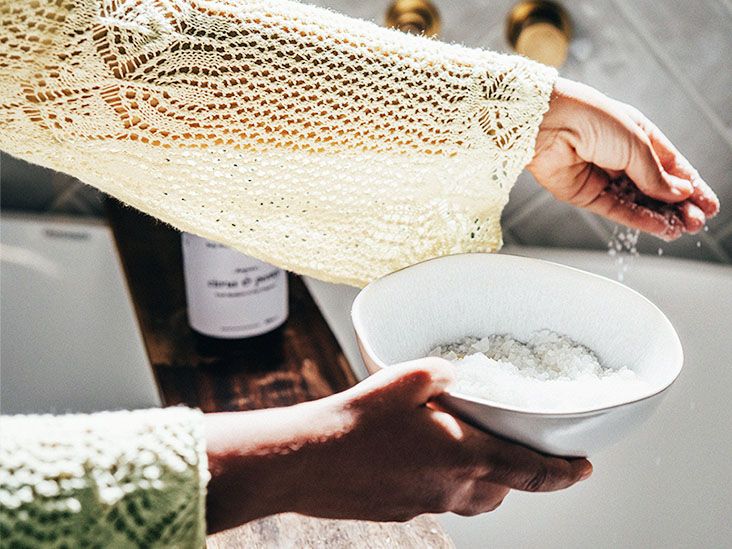

Epsom salt has the kind of reputation most pantry staples can only dream about. It is praised as a muscle soother, stress reliever, foot-care treatment, garden helper, constipation remedy, anddepending on which corner of the internet you visita near-magical “detox.” That is an impressive résumé for a bag of white crystals.
The reality is more nuanced. Epsom salt has several legitimate uses, including use as an over-the-counter saline laxative when the product is specifically labeled for oral consumption. It can also be added to warm water as a soaking aid for minor aches, sprains, bruises, and tired feet. However, many popular claims about absorbing large quantities of magnesium through the skin, removing toxins, curing infections, or causing weight loss are not supported by strong evidence.
What Is Epsom Salt?
Epsom salt is the common name for magnesium sulfate, usually sold as magnesium sulfate heptahydrate. Despite the word “salt,” it is not the sodium chloride sprinkled on french fries. It has a bitter taste, dissolves readily in water, and contains magnesium and sulfate ions.
Magnesium is an essential mineral involved in normal muscle, nerve, bone, cardiovascular, and metabolic functions. That does not automatically mean an Epsom salt bath delivers a medically meaningful dose of magnesium, however. The human body benefits from magnesium, but the route of delivery matters.
Prescription magnesium sulfate is also used intravenously in hospitals for specific medical situations, including severe pregnancy complications. Hospital-administered magnesium sulfate is carefully dosed and monitored and should not be confused with tossing a scoop of bath crystals into the tub.
Evidence: DailyMed, Mayo Clinic, NIH Office of Dietary Supplements.
Potential Benefits of an Epsom Salt Bath
It May Make Sore Muscles Feel Better
Many people report that an Epsom salt bath feels helpful after exercise, yardwork, travel, or a long day spent hunched over a laptop like a question mark. Warm water can relax tense muscles, temporarily reduce stiffness, and create a comforting sense of buoyancy. Taking 15 quiet minutes away from screens and responsibilities can help, too.
What remains uncertain is whether enough magnesium passes through intact skin to create a significant systemic effect. Research on transdermal magnesium absorption is limited, and reviews have found that strong claims about correcting magnesium deficiency through the skin are not well established.
In practical terms, an Epsom salt bath may feel soothing, but the relaxation may come primarily from warm water, rest, and the bathing ritual rather than substantial magnesium absorption. A benefit does not become imaginary simply because the mechanism advertised on the bag is questionable.
Evidence: PubMed review, Cleveland Clinic and WebMD.
It Can Create a Relaxing Bedtime Routine
A warm bath before bed can help some people mentally shift from “answering emails” mode to “horizontal and unavailable” mode. The warmth, reduced stimulation, and quiet routine may encourage relaxation.
Epsom salt is not a proven treatment for insomnia, anxiety disorders, or depression. Still, an unscented soak can be part of a calming evening routine when it is comfortable and safe for the user. Anyone with persistent sleep problems, severe anxiety, or low mood should seek appropriate professional care rather than asking the bathtub to handle the entire workload.
It Is Sold as a Soaking Aid for Minor Sprains and Bruises
Some Epsom salt products are labeled as external soaking aids for minor sprains, bruises, muscle soreness, and tired feet. Warm soaking may temporarily reduce discomfort and stiffness, particularly after mild overuse.
A soak does not repair a torn ligament, heal a fracture, or treat a serious sports injury. Seek medical attention for intense pain, major swelling, deformity, inability to bear weight, numbness, spreading redness, fever, or symptoms that fail to improve.
It May Soften Skin Around Nails
A brief warm-water soak can soften the skin and nail area, which may make routine foot or nail care more comfortable. This is sometimes recommended as part of conservative care for a mildly irritated ingrown toenail.
Epsom salt does not eliminate a deep infection. Pus, worsening redness, red streaks, fever, severe throbbing, or symptoms in someone with diabetes or poor circulation require medical evaluation. After any foot soak, dry carefully between the toes because lingering moisture can encourage fungal growth.
Evidence: Cleveland Clinic foot-care guidance.
How to Take an Epsom Salt Bath More Safely
There is no scientifically established “perfect” bath concentration for every purpose. Product directions vary, so the label on the package should be the starting point.
- Check the ingredients. Choose plain Epsom salt if you have sensitive skin. Fragrances, dyes, essential oils, and herbal additives can cause irritation or allergic reactions.
- Use warm water, not extremely hot water. Hot baths can dry the skin, lower blood pressure temporarily, and cause lightheadedness.
- Add the labeled amount. Stir the water until the crystals dissolve. Adding an enthusiastic mountain of salt is not likely to provide an enthusiastic mountain of benefits.
- Soak briefly. About 10 to 20 minutes is enough for most people. Longer soaking can leave the skin dry, itchy, or irritated.
- Stand up carefully. Bathwater and salt can make the tub slippery, while heat can make some people dizzy.
- Rinse if needed. A quick rinse may help if residue feels irritating.
- Moisturize afterward. Gently pat the skin dry and apply a fragrance-free moisturizer while the skin remains slightly damp.
People with psoriasis, eczema, very dry skin, or an impaired skin barrier should test cautiously and stop if burning, redness, or itching develops. Dermatology guidance generally favors short baths in warmnot hotwater, followed promptly by moisturizer.
Evidence: American Academy of Dermatology.
Other Uses for Epsom Salt
Foot Soaks
Epsom salt is often added to a basin of warm water for tired feet. The warmth may temporarily ease discomfort and soften rough skin. Keep the soak brief, dry the feet completely, and avoid aggressive scraping afterward.
People with diabetes, neuropathy, peripheral artery disease, reduced sensation, or slow-healing wounds should not casually use hot foot soaks. They may not recognize that the water is too hot, and small injuries can become serious. Some Epsom salt labels specifically advise people with diabetes to use warm or hot soaks only under medical guidance.
Warm Compresses
Some products provide directions for dissolving Epsom salt in water and applying the solution with a clean towel as a compress for minor soreness or bruising. Follow the package instructions, use a comfortable temperature, and never place a very hot compress directly on the skin.
Stop if the area becomes more painful or irritated. A compress should not be placed over an infected wound, surgical incision, significant burn, or unexplained swelling unless a clinician has recommended it.
Exfoliating Rough Skin
The crystals can function as a physical exfoliant, but they are fairly abrasive. Vigorous rubbing can create tiny skin injuries, worsen inflammation, and aggravate acne, eczema, or sensitive skin.
For rough elbows or heels, a gentler approach is usually better: soak briefly, apply a moisturizer containing ingredients such as urea or lactic acid, and avoid scrubbing until the skin files a formal complaint.
Sitz Baths
Warm sitz baths are commonly used for postpartum discomfort, hemorrhoids, or irritation around the anal or genital area. Plain warm water is often sufficient. Adding Epsom salt, fragrance, soap, or essential oils may sting sensitive tissue and should only be done when recommended by a healthcare professional.
Evidence: Cleveland Clinic sitz-bath guidance.
Garden Use
Because Epsom salt supplies magnesium and sulfur, it can be useful when a soil or plant-tissue test confirms a magnesium deficiency. It is not a universal plant vitamin, and routinely sprinkling it around tomatoes, peppers, roses, or houseplants can create nutrient imbalances or damage plants.
University extension guidance recommends testing the soil and applying magnesium only when it is actually needed. If the garden already contains adequate magnesium, more is not better. Plants are surprisingly unimpressed by wellness trends.
Evidence: Oregon State University Extension and Penn State Extension.
Can You Drink Epsom Salt for Constipation?
Some plain magnesium sulfate products are registered and labeled as saline laxatives for occasional constipation. Magnesium salts draw water into the intestines, which softens stool and stimulates bowel movements. Product labels commonly state that a bowel movement may occur within approximately 30 minutes to six hours.
That does not mean every bag of bath salt is safe to swallow. Never ingest scented Epsom salt, cosmetic bath crystals, spa blends, agricultural magnesium sulfate, or any product that is not clearly labeled for oral laxative use. Ingredients intended for fragrance, color, gardening, or external use may not be appropriate for consumption.
Follow the exact Drug Facts label rather than using a dose found in a social-media post. Do not take more because the first dose “has not worked yet.” Additional doses can cause severe diarrhea, dehydration, electrolyte disturbances, and dangerously high magnesium levels.
Ask a doctor or pharmacist before oral use if you have kidney disease, abdominal pain, nausea, vomiting, a magnesium-restricted diet, a sudden change in bowel habits, ongoing constipation, or a history of intestinal blockage. Oral magnesium may also interfere with the absorption of certain medications, so timing may need to be adjusted.
Do not use a magnesium sulfate laxative for longer than the package permits. Constipation that persists, repeatedly returns, or occurs with severe pain, fever, vomiting, abdominal swelling, rectal bleeding, black stool, unexplained weight loss, or inability to pass gas needs medical attention.
Evidence: DailyMed, MedlinePlus, Mayo Clinic and NIH ODS.
Possible Side Effects
Side Effects From Baths and Soaks
- Dryness, tightness, itching, or flaking
- Stinging on cracked, freshly shaved, or injured skin
- Rash caused by added fragrances, dyes, or essential oils
- Dizziness or faintness from overly hot water
- Slips and falls in a slick bathtub
- Worsening foot fungus if the feet remain damp
Stop the bath and rinse the skin if you develop burning, hives, swelling, breathing difficulty, or a rapidly worsening rash. Trouble breathing, facial swelling, collapse, or severe weakness requires emergency assistance.
Side Effects From Swallowing Epsom Salt
- Diarrhea
- Abdominal cramping
- Nausea or vomiting
- Bloating
- Dehydration
- Electrolyte imbalance
Excess magnesium in the blood, known as hypermagnesemia, can become life-threatening. Warning signs may include unusual sleepiness, muscle weakness, flushing, low blood pressure, reduced reflexes, confusion, slow or irregular heartbeat, breathing difficulty, and collapse.
The kidneys normally remove excess magnesium, so people with impaired kidney function face a greater risk of toxicity. However, severe problems can also occur after excessive laxative use in people without previously diagnosed kidney disease.
If too much Epsom salt has been swallowed, contact Poison Control in the United States at 1-800-222-1222. Call 911 immediately if the person collapses, has a seizure, cannot be awakened, or has trouble breathing.
Evidence: NIH ODS, MedlinePlus and Poison Control.
Who Should Be Especially Cautious?
Talk with a healthcare professional before using Epsom salt medicinally if you:
- Have kidney disease or reduced kidney function
- Have diabetes, neuropathy, poor circulation, or slow-healing wounds
- Have heart disease, low blood pressure, or frequent fainting
- Are pregnant or breastfeeding
- Take prescription medications or other laxatives
- Have severe eczema, open wounds, burns, or a skin infection
- Are considering giving it orally to a child
- Have ongoing abdominal pain, vomiting, bleeding, or unexplained bowel changes
Children can be particularly vulnerable to dosing errors and dehydration. Store Epsom salt out of their reach, especially when the packaging resembles ordinary food or kitchen salt.
Popular Claims That Deserve Skepticism
“It Pulls Toxins Out of the Body”
Your liver, kidneys, lungs, skin, and digestive system already process and eliminate metabolic waste. There is no convincing evidence that an Epsom salt bath extracts vague, unnamed “toxins” through the feet or skin. Sweating in hot water is not proof that pollutants have packed their bags and left.
“It Corrects Magnesium Deficiency Through the Skin”
Small experimental studies have examined whether magnesium can cross the skin, but current evidence does not establish Epsom salt baths as a reliable treatment for magnesium deficiency. A suspected deficiency should be evaluated and addressed through appropriate nutrition, oral supplementation when indicated, or medically supervised treatment.
“It Causes Fat Loss”
A hot bath may temporarily change scale weight through fluid loss, but this is not body-fat loss. Drinking Epsom salt to lose weight is unsafe and can cause diarrhea, dehydration, electrolyte abnormalities, and laxative misuse.
“It Cures Skin or Nail Infections”
Soaking may soften tissue or temporarily reduce discomfort, but Epsom salt is not a substitute for antifungal, antibiotic, or other evidence-based treatment. Persistent redness, pus, spreading pain, fever, or a worsening rash should be assessed by a professional.
Frequently Asked Questions
Can I Take an Epsom Salt Bath Every Day?
Healthy adults may tolerate occasional baths, but daily use is not necessary and can dry or irritate the skin. Reduce the frequency or stop if your skin becomes itchy, tight, flaky, or inflamed.
Should I Shower After an Epsom Salt Bath?
Rinsing is optional for most people. A brief rinse can remove residue and added fragrance. Regardless of whether you rinse, pat the skin dry and apply moisturizer.
Can Epsom Salt Help Swelling?
A warm soak may feel comforting, but Epsom salt does not treat the underlying causes of significant swelling. New swelling in one leg, swelling with chest pain or shortness of breath, rapidly worsening edema, or swelling during pregnancy requires prompt medical advice.
Is Epsom Salt the Best Way to Get More Magnesium?
No. Magnesium-rich foods include leafy green vegetables, beans, nuts, seeds, and whole grains. Supplements may be appropriate for some people, but the type and dose should be discussed with a healthcare professional, particularly when kidney function or medication interactions are a concern.
Experience-Based Observations: What an Epsom Salt Routine Is Really Like
A realistic Epsom salt experience is usually less dramatic than the advertisements suggestand that is not necessarily a bad thing. Imagine coming home after a day of moving boxes, hiking, standing behind a counter, or pretending your desk chair has “excellent lumbar support.” Your shoulders are tight, your feet are tired, and the idea of doing one more productive activity feels personally offensive.
You run a warm bath, add the amount listed on the package, and wait for the crystals to dissolve. There is no lightning bolt of magnesium energy. No visible cloud of toxins exits your knees. What often happens is much simpler: the warm water takes pressure off your joints, the bathroom becomes quiet, and your muscles gradually feel less guarded. After 15 minutes, you may feel looser and calmer.
The effect can vary considerably. One person may notice meaningful temporary relief after a strenuous workout. Another may find that plain warm water feels exactly the same. Someone with dry or sensitive skin may climb out feeling itchier than before, especially when a heavily scented product is involved. This variation is one reason it is sensible to begin with a modest amount and a brief soak instead of converting the bathtub into a magnesium sulfate quarry.
Foot-soak experiences follow a similar pattern. Warm water can make tired feet feel refreshed and soften thick skin around the heels or nails. The comfortable feeling may last through the evening, but it does not correct plantar fasciitis, nerve damage, poor circulation, or an infected toenail. Drying the feet carefully matters more than many users expect. Leaving the spaces between the toes damp can turn a relaxing ritual into an invitation for athlete’s foot.
People trying Epsom salt as a laxative often have a far less spa-like experience. When a properly labeled oral product works, it may produce an urgent bowel movement within several hours. Cramping, nausea, repeated watery stools, and an unexpectedly close relationship with the nearest bathroom are possible. Taking extra doses because the first one seems slow can lead to dehydration and serious magnesium toxicity. This is one situation where “more powerful” is not a desirable product review.
Gardeners may also encounter mixed results. Applying Epsom salt to magnesium-deficient soil can help when the deficiency has been confirmed. Applying it automatically because a tomato leaf looks unhappy may do nothing or worsen the nutrient balance. Yellow leaves can result from watering problems, disease, root damage, nitrogen deficiency, pests, unsuitable soil pH, or several other causes. Soil testing is less exciting than a viral gardening hack, but it is considerably more informative.
The most useful way to approach Epsom salt is as a modest tool rather than a miracle treatment. It can enhance a warm soak, provide temporary comfort, serve as a labeled short-term laxative for appropriate users, or supply magnesium to genuinely deficient soil. It cannot replace medical diagnosis, evidence-based treatment, balanced nutrition, injury rehabilitation, or properly targeted plant care.
Final Takeaway
Epsom salt is inexpensive, widely available, and generally low-risk when used externally according to package directions. A warm Epsom salt bath may ease minor soreness and create a relaxing self-care routine, although strong evidence for substantial magnesium absorption through the skin is lacking.
Oral use requires much greater caution. Only swallow a product clearly labeled as a saline laxative, follow its directions exactly, and consult a professional when medical conditions or medications are involved. Epsom salt can be useful, but it works best when expectations remain grounded somewhere below “miracle mineral from aisle seven.”
Editorial research synthesis included information from Mayo Clinic, Cleveland Clinic, NIH Office of Dietary Supplements, National Library of Medicine DailyMed, MedlinePlus, PubMed, Poison Control, American Academy of Dermatology, WebMD, Harvard Health, Oregon State University Extension and Penn State Extension.


