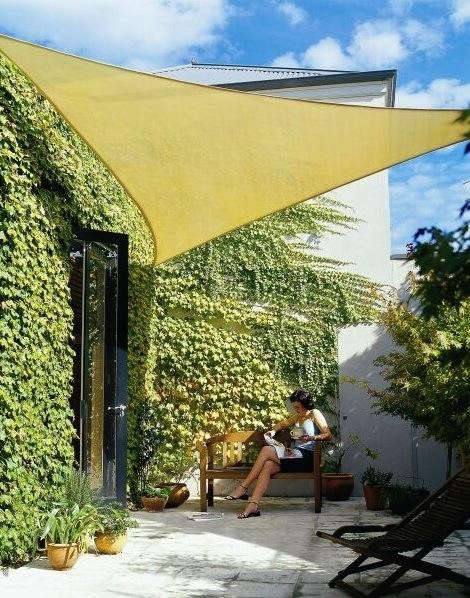

There comes a moment in every backyard’s life when it stops being a peaceful outdoor escape and starts behaving like a skillet. The patio table is too hot to touch, the deck chairs have entered “surface of Mercury” territory, and the dog has moved under the grill cover like a tiny survivalist. That is exactly the kind of problem the Coolaroo Triangle Shade Sail Kit is designed to solve: simple shade, modern style, and a cooler outdoor space without building a full pergola or installing something that looks like it belongs at a county fair.
A triangle shade sail is one of those products that looks almost suspiciously simple. Three corners, three anchor points, one stretched fabric canopy, and suddenly your patio looks like it hired a landscape architect. But the best shade sails are not just pretty fabric triangles. The Coolaroo versions are made with breathable outdoor fabric, reinforced edges, stainless-steel-style connection hardware, and UV-blocking technology that helps turn harsh sun into usable outdoor living space.
This guide breaks down what the Coolaroo triangle shade sail kit is, how it works, what to expect during installation, where it performs best, and whether it is the right fit for your patio, pool deck, garden, driveway, or backyard dining zone. We will also look at real-world setup experiences and practical tips so your shade sail ends up looking sleek instead of “pirate ship after a storm.”
What Is the Coolaroo Triangle Shade Sail Kit?
The Coolaroo Triangle Shade Sail Kit is a packaged outdoor shade system built around a triangular piece of tensioned shade fabric. Depending on the model, Coolaroo offers options such as Coolhaven triangle shade sails and Premium triangle shade sail kits. These kits typically include the fabric sail plus installation hardware such as pad eyes, snap hooks, and turnbuckles. The goal is to give homeowners a more complete setup than buying a loose shade cloth and then wandering around the hardware aisle looking confused.
The triangle design uses three attachment points. That makes it especially useful for smaller or irregular outdoor areas where a square or rectangle would feel bulky. A triangular shade sail can cover a patio corner, a section of a pool deck, a children’s play area, a garden bench, or a barbecue-adjacent seating area. Notice the word “adjacent.” Do not put flames directly under the sail unless your dream backyard theme is “surprise marshmallow disaster.”
Coolaroo’s permanent shade sail kits are usually designed for more stable mounting points, such as posts, masonry, beams, or properly reinforced structural points. Some models are better suited for semi-permanent seasonal use, while Premium kits are positioned for long-term architectural shade. In plain English: one is “let’s make the backyard nicer,” and the other is “the patio now has cheekbones.”
Why Choose a Triangle Shade Sail?
A triangle shade sail offers three major advantages: style, flexibility, and easier placement. Because it only needs three fixing points, it can fit into spaces where a four-corner sail would be awkward. For example, a triangle works well over an L-shaped patio corner, a narrow side yard, or a lounge area beside a pool. It also creates a clean architectural look that feels more intentional than a standard umbrella.
Triangles also work beautifully when layered. Two or three triangle sails installed at different heights can create a designer look while expanding shade coverage. This is common in modern patios, cafes, playgrounds, and resort-style backyards. The layered approach can also help follow the sun’s movement throughout the day, which is important because shade is not a statue. It moves, sneaks, stretches, and occasionally mocks your original measurements.
Key Features of Coolaroo Triangle Shade Sail Kits
UV Protection for Outdoor Comfort
One of the main selling points of Coolaroo shade sails is UV protection. Many Coolaroo permanent shade sail products are designed to block up to 95% of harmful UV rays, depending on the model and fabric. That does not mean you can throw away sunscreen, hats, or sunglasses. Shade is an important layer of sun protection, but reflected UV rays can still bounce from surfaces such as concrete, water, light-colored decking, and sand. Think of shade as the hero of the story, not the entire superhero team.
Breathable HDPE Fabric
Coolaroo shade sails commonly use high-density polyethylene, often called HDPE. This knitted fabric is breathable, meaning air can pass through it. That matters because a solid plastic tarp may block sun, but it can also trap hot air underneath like a backyard lasagna lid. Breathable knitted fabric allows warm air to escape and helps the shaded area feel more comfortable.
Because the fabric is breathable, most Coolaroo shade sails are not fully waterproof. Rain can pass through the material. This is a benefit in many installations because it reduces water pooling, but it also means the sail is not a substitute for a roof. If you want to host dinner in a thunderstorm, you need a covered patio, not a stylish triangle with ambition.
Hardware Included
Coolaroo triangle shade sail kits are designed to include key installation hardware. Depending on the exact kit, you may find pad eyes for anchoring to walls or posts, snap hooks for easy connection, and turnbuckles for tightening and tensioning the sail. The turnbuckles are especially important because shade sails need proper tension to look good and perform well.
A sagging sail is not just unattractive. It can flap in wind, collect debris, hold water, and put uneven stress on the fabric and anchor points. Proper tension gives the sail that clean, crisp look you see in product photosthe backyard equivalent of ironing your shirt before a job interview.
Reinforced Edges and Corners
The corners and edges of a shade sail take a lot of force. Wind, tension, and daily outdoor exposure all pull on those stress points. Coolaroo’s permanent kits are built with reinforced corners and edges to help the sail hold its shape and manage tension over time. This is especially important for larger triangle sails, where the fabric span is wider and the loads are greater.
Color and Style Options
Coolaroo shade sails are available in outdoor-friendly colors such as neutral tan, graphite, beech, heritage green, sapphire, and other tones depending on the line and retailer. Neutral colors tend to blend well with modern patios, stucco homes, wood decks, and pool landscaping. Darker colors often create a bold architectural statement, while lighter colors can feel breezy and coastal.
Color is not just decoration. It affects how the sail visually fits into your yard. A tan triangle can feel soft and beachy. A graphite shade sail can look sleek and contemporary. A green sail may disappear more naturally into garden spaces. Choose the color you will still like after the “new backyard toy” excitement wears off.
Coolhaven vs. Premium Triangle Shade Sail Kits
Coolaroo’s triangle shade sail lineup can vary by retailer and season, but two common product families are Coolhaven and Premium.
Coolhaven Triangle Shade Sail Kit
The Coolhaven line is often positioned as a strong, stylish permanent shade option for residential outdoor spaces. Coolhaven triangle sails may come in sizes such as 12-foot and 18-foot equilateral triangle models, as well as right-triangle options. These kits usually emphasize breathable fabric, up to 95% UV block, reinforced construction, stainless-steel-style hardware, and a multi-year fabric warranty.
Coolhaven is a good match for homeowners who want a dependable shade solution for a patio, garden, pool area, or play zone without stepping into custom commercial shade pricing. It is the sensible friend who also happens to own nice sunglasses.
Premium Triangle Shade Sail Kit
The Premium line is designed for a more upscale, permanent installation. Coolaroo Premium triangle kits typically highlight commercial-grade fabric, a refined matte finish, stronger architectural styling, up to 95% UV protection, and a longer fabric warranty than standard models. The Premium equilateral triangle option is commonly listed around 16 feet 5 inches per side.
If you are upgrading a high-end patio, pool deck, outdoor kitchen, or professionally landscaped backyard, the Premium kit may make more sense. It is also the better choice when the sail will be a major visual feature rather than a small patch of shade in the corner.
Best Places to Use a Coolaroo Triangle Shade Sail Kit
Patios and Outdoor Dining Areas
A triangle shade sail can turn a patio from “nice but unusable after noon” into a real outdoor dining space. Install it over the table area, leaving enough clearance for people to stand, move chairs, and avoid bumping their heads. For dining spaces, it is smart to observe where the sun hits during the hours you actually eat outside. A sail installed for morning shade may do very little for a 5 p.m. west-facing sun blast.
Pool Decks
Pool decks are ideal candidates for shade sails because water reflects sunlight and poolside surfaces can become extremely hot. A triangle shade sail over lounge chairs, a towel station, or a shallow seating ledge can make the area more comfortable. Just remember that chlorine exposure and constant moisture can affect outdoor materials over time, so rinsing and maintenance are important.
Children’s Play Areas
A Coolaroo triangle shade sail can help create a cooler play zone over a sandbox, climbing structure, or small backyard play area. It should be installed high enough for safe movement and tensioned properly so it does not sag. Parents should still use sunscreen, hats, and common sense, because children are basically tiny solar-powered chaos machines.
Garden Seating and Courtyards
Small gardens, courtyards, and reading corners benefit from triangle sails because the shape adds charm without overwhelming the space. A triangle sail over a bench or bistro set can make a garden feel like a boutique hotel courtyard, even if the nearest “water feature” is a hose with commitment issues.
Driveways and Side Yards
Some homeowners use triangle shade sails to cover a parked vehicle, side entrance, or utility area. This can reduce direct sun exposure on surfaces, but installation must be strong enough to handle wind. For vehicle coverage, make sure the sail is high enough, properly tensioned, and positioned where it will not interfere with doors, mirrors, or roof racks.
Installation Tips for Better Results
Start With the Sun, Not the Sail
The most common mistake is buying a shade sail before studying the sun path. Spend a day watching your target area in the morning, noon, and late afternoon. Mark where shade is needed most. A triangle sail provides a specific patch of shade, and that patch will move as the sun moves. If your patio gets punished by western sun, plan for late-day angles rather than just overhead coverage.
Use Strong Anchor Points
A shade sail is not a curtain. When tensioned, it pulls hard on its fixing points. Posts should be properly sized and set in concrete. Wall connections should attach to structural framing, masonry, or properly reinforced points. Fascia boards, thin trim, aging fence posts, and decorative beams may not be strong enough unless reinforced.
For permanent installations, especially with larger Premium models, professional installation is often worth considering. A properly installed shade sail looks smooth, lasts longer, and is less likely to turn into a dramatic neighborhood kite during a windstorm.
Leave Room for Hardware
Do not measure the space and then buy a sail that exactly matches the distance between anchor points. You need extra room between the sail corners and fixing points for turnbuckles, hooks, or other hardware. A general planning rule is to allow clearance for tensioning hardware so the sail can be tightened correctly. Without that gap, you may end up with a sail that technically fits but cannot be tensioned. That is the outdoor-project version of buying jeans you can only wear while standing perfectly still.
Create a Slope
Even breathable shade sails benefit from a slope. Installing one corner lower than the others helps encourage water runoff and adds visual dimension. A completely flat sail may sag, collect debris, or look less dynamic. A high-low installation also creates the crisp, resort-style effect many homeowners want.
Do Not Over-Tension
The sail should be firm and smooth with minimal wrinkles, but more force is not always better. Over-tensioning can stress the fabric, stitching, corners, and mounting points. Tighten gradually, check the shape, and stop when the sail is taut and stable. If it looks like you are trying to tune a piano with a wrench, pause.
Maintenance and Care
Coolaroo shade sails are designed for outdoor use, but they still need basic care. Rinse dust, pollen, and light dirt with a garden hose. For stubborn spots, use mild soap and water if allowed by the specific product instructions. Avoid machine washing, tumble drying, bleach, ironing, dry cleaning, or harsh chemicals.
Inspect the sail and hardware regularly. Look for loosened turnbuckles, rusting non-original hardware, worn stitching, frayed edges, or movement at the anchor points. After storms or strong wind, check everything before using the area again. Many manufacturers recommend taking shade sails down during severe weather or high winds. Yes, it is annoying. So is replacing a sail that tried to visit the next ZIP code.
Pros and Cons of the Coolaroo Triangle Shade Sail Kit
Pros
The biggest advantages are UV protection, breathable comfort, modern style, and relatively affordable installation compared with permanent roof structures. A triangle shade sail can quickly upgrade the look of a yard and make hot outdoor areas more usable. The included hardware is also a major convenience because it reduces the need to piece together random parts.
Cons
The main drawbacks are that the sail is not a waterproof roof, installation requires strong anchor points, and the shade pattern changes during the day. It also needs proper tensioning and occasional maintenance. If you want total rain protection, built-in lighting, ceiling fans, and a place to hang holiday garland, you may be thinking of a pergola or covered patio instead.
Buying Tips Before You Choose a Size
Measure the area you want to shade, then measure the available anchor points. Those are not always the same thing. Also consider height, sun direction, furniture layout, door swings, tree growth, roof overhangs, and where people walk. For a small seating area, a 12-foot triangle may be enough. For a bigger poolside or dining area, an 18-foot Coolhaven or larger Premium-style sail may be more appropriate.
Check the warranty before buying. Coolhaven and Premium lines may offer different warranty periods. Also confirm whether the kit is ready-to-hang, semi-permanent, or intended for permanent installation. Read the product dimensions carefully because some triangle sails are equilateral and others are right triangles. Ordering the wrong shape is a fast way to learn geometry with your wallet.
Common Mistakes to Avoid
Installing Too Low
A low sail may provide shade, but it can make the space feel cramped and may interfere with doors, people, furniture, or outdoor equipment. Plan for comfortable clearance and airflow.
Skipping the Sun Test
Shade that lands perfectly at 10 a.m. may miss your seating area entirely at 3 p.m. Always plan around the time of day you use the space most.
Using Weak Structures
Do not attach a tensioned sail to weak fence boards, thin fascia, decorative trim, or anything you would not trust with strong sideways pulling force. The sail may be light, but wind loads are not.
Expecting Rain Protection
Breathable HDPE shade sails are made for sun protection and airflow, not full waterproof shelter. They may reduce some light rain exposure, but they are not a roof.
Real-World Experiences With the Coolaroo Triangle Shade Sail Kit
In practical backyard use, the Coolaroo triangle shade sail kit shines brightest when the homeowner plans the layout before drilling anything. One common experience is that people underestimate how far the sun shifts throughout the day. A sail that looks perfectly centered at noon may cast its best shade onto the side fence by late afternoon. The fix is simple but not glamorous: spend a day watching the patio like a detective watching a suspect. Take photos at different times. Mark the hot zones. Then place the sail where shade is actually needed.
Another real-world lesson is that tension makes the difference between “designer patio” and “laundry line with confidence issues.” When the sail is pulled tight using turnbuckles, it looks crisp, drains better, and moves less in wind. When it is loose, it flaps, wrinkles, and collects leaves. The included hardware helps, but the anchor points need to be placed with enough distance for adjustment. Many first-time installers wish they had left a little more room between the sail corners and the mounting points.
For patios attached to houses, homeowners often like using one wall-mounted point and two posts. This setup can create a dramatic high-low triangle that feels intentional and modern. However, the house connection must be structurally sound. Attaching to a decorative board or weak fascia is risky. If the anchor point flexes, creaks, or looks questionable, it is time to reinforce it or call a professional. Shade sails are elegant, but they are not gentle.
People also notice that breathable fabric changes the comfort level under the sail. Instead of trapping hot air, the knitted material allows airflow. On a sunny afternoon, that can make the difference between staying outside with iced tea and retreating indoors to stare suspiciously at the thermostat. The shade does not make summer disappear, but it can make an exposed patio feel usable again.
Maintenance experiences are usually straightforward. Dust and pollen rinse off with a hose, and occasional mild cleaning keeps the fabric looking fresh. Leaves may collect near corners if nearby trees are messy, so checking the sail after windy days is smart. Bird activity, sap, and airborne grime vary by yard, but regular rinsing helps prevent buildup.
The biggest satisfaction tends to come from how quickly the space feels upgraded. A bare patio can look unfinished, while a well-installed triangle shade sail adds shape, height, and purpose. It frames the seating area like an outdoor room without the cost or construction mess of a full roof. Guests often notice the look first, then the comfort. That is a nice combination: practical enough for everyday use and stylish enough to make the neighbors casually ask where you bought it.
The best advice from real installations is simple: buy the right size, plan for sun movement, use serious anchor points, tension carefully, and do not treat the sail like a storm shelter. Do those things, and the Coolaroo triangle shade sail kit can become one of the most useful backyard upgrades you makeright up there with comfortable chairs and finally admitting that one wobbly patio table needs to go.
Conclusion
The Coolaroo Triangle Shade Sail Kit is a smart solution for homeowners who want stylish outdoor shade without committing to a full patio roof or pergola. With breathable HDPE fabric, strong UV-blocking performance, reinforced construction, and included hardware, it offers a practical way to make patios, pool decks, gardens, and play areas more comfortable.
It is not perfect for every situation. It needs strong anchor points, proper tension, smart placement, and realistic expectations about rain and wind. But when installed well, it can transform a harsh sunny space into a cooler, more attractive outdoor room. In other words, your backyard stops acting like a toaster and starts behaving like a place where humans might actually enjoy lunch.
SEO Tags


