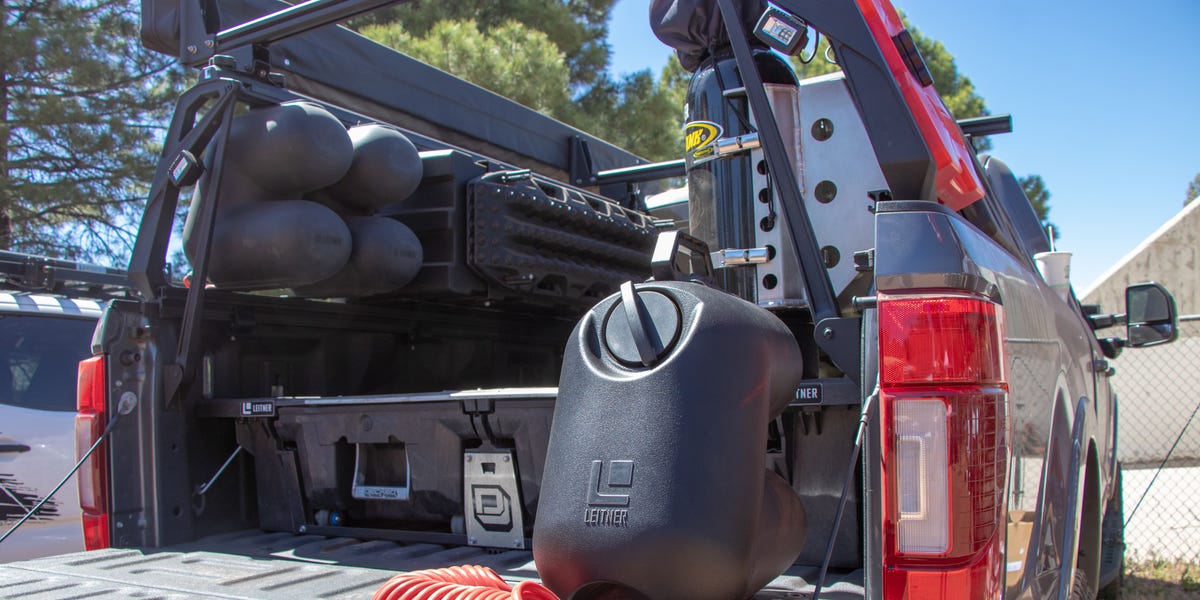

Off-roading is one of the few hobbies where “just one more accessory” can mean anything from a $20 tire gauge to a bumper that looks like it could negotiate with a boulder. The trick is knowing which upgrades actually help you get farther, safer, and more confidentlyand which ones simply make your vehicle look like it is auditioning for an action movie.
The best off-road accessories are not chosen by hype alone. They solve real problems: traction loss, low tire pressure, poor visibility, underbody damage, bad storage, dead batteries, navigation gaps, and the classic backcountry situation known as “Well, this was dumber than it looked on YouTube.” Whether you drive a Jeep Wrangler, Ford Bronco, Toyota Tacoma, 4Runner, full-size pickup, SUV, side-by-side, or overland camper, the right gear turns a trail day from stressful to satisfying.
This guide breaks down the most useful off-road accessories by purpose, explains what each item does, and helps you build a smart upgrade list without emptying your wallet faster than a thirsty V8 on soft sand.
What Makes an Off-Road Accessory Worth Buying?
A good off-road accessory should improve capability, safety, reliability, or organization. Bonus points if it does more than one job. Before buying anything, ask three questions: Does it help me avoid getting stuck? Does it help me recover safely if I do get stuck? Does it protect the vehicle, passengers, or gear?
The best upgrades also match your terrain. Mud drivers need different gear than desert travelers. Rock crawlers care about armor and clearance. Overlanders need storage, power, navigation, and long-distance reliability. Snow trail drivers need traction, recovery boards, warm emergency supplies, and disciplined tire management. There is no universal build, but there is a smart order: tires first, recovery second, protection third, then comfort and convenience.
1. All-Terrain or Mud-Terrain Tires
If your vehicle only gets one off-road upgrade, make it tires. Tires are the handshake between your rig and the trail. Factory highway tires may be quiet and fuel-friendly, but they can struggle in loose dirt, rocks, mud, snow, and rutted climbs.
All-Terrain Tires
All-terrain tires are the best choice for most people because they balance pavement comfort with off-road grip. They typically have stronger sidewalls, more aggressive tread blocks, and better bite on gravel, dirt, and light mud. They are ideal for daily drivers that also hit forest roads, camp trails, snow routes, and moderate rocky terrain.
Mud-Terrain Tires
Mud-terrain tires are built for deeper mud, loose terrain, and serious trail work. Their larger tread voids help clear muck, but they are usually louder, heavier, and less refined on pavement. If you commute daily and off-road monthly, an all-terrain tire is probably the smarter move. If your weekends look like a wrestling match between your truck and a swamp, mud-terrains start making sense.
Also consider load rating, sidewall strength, tire size, wheel offset, and whether your spare matches. A beautiful set of oversized tires is less beautiful when it rubs every time you turn into a grocery store parking lot.
2. Tire Deflator and Portable Air Compressor
Airing down is one of the simplest ways to improve off-road traction and ride comfort. Lower tire pressure allows the tire to flex and create a larger contact patch, which can help on sand, rocks, washboard roads, and loose climbs. But once you return to pavement, you need to air back up. Driving at trail pressure on the highway can create heat, poor handling, and tire damage.
A tire deflator makes airing down faster and more consistent. A portable air compressor lets you refill your tires after the trail. Look for a compressor with enough duty cycle for your tire size, a long hose, reliable battery clamps, and a pressure gauge you trust. Small emergency inflators may work for compact tires, but larger truck tires need stronger equipment unless you enjoy spending your evening listening to a compressor wheeze like it just ran a marathon.
3. Recovery Boards
Recovery boards, also called traction boards, are among the most useful off-road accessories for sand, snow, mud, and loose dirt. When tires dig in and spin, boards provide a grippy surface that helps the vehicle climb out under its own power.
They are especially valuable for solo drivers because they do not require another vehicle. A good set should be durable, easy to clean, and long enough to bridge soft patches. Many boards also have molded ends that can be used like small shovels. Mount them outside the vehicle if possible, because muddy boards inside the cabin create a smell best described as “wet trail regret.”
4. Recovery Strap, Kinetic Rope, and Shackles
A recovery strap or kinetic rope is essential when another vehicle can help pull you free. Recovery straps are designed to stretch slightly under load, while kinetic ropes stretch more and can provide a smoother, more powerful tug when used correctly. Never use a random tow strap with metal hooks for serious recovery. Metal hooks can become dangerous projectiles if something fails.
Pair recovery straps with rated shackles or soft shackles and proper recovery points. Soft shackles are lightweight and easier on equipment, while steel shackles remain common and durable when properly rated. Always inspect gear for cuts, fraying, damage, or contamination before use. A recovery system is only as strong as its weakest connection, and the weakest connection should not be “whatever was cheapest online at 2 a.m.”
5. Winch and Winch Accessories
A winch is one of the most powerful off-road recovery tools. It can pull a stuck vehicle out when traction boards and shovels are not enough. For serious trail travel, choose a winch rated appropriately for your fully loaded vehicle, not just its empty curb weight. Many experienced off-roaders look for a winch capacity around 1.5 times the loaded vehicle weight.
Important Winch Accessories
A winch is not complete without supporting gear. Add gloves, a tree saver strap, shackles, a recovery damper, a snatch block or pulley ring, and a sturdy recovery bag. Synthetic rope is lighter and safer to handle than steel cable, but it needs protection from abrasion and UV exposure. Steel cable is tough but heavier and can develop dangerous burrs.
Use winches carefully. Take your time, communicate clearly, stand out of the danger zone, and never wrap a winch line directly around a tree. The goal is to recover the vehicle, not turn the forest into collateral damage.
6. Shovel and Basic Digging Tools
The humble shovel may not look exciting, but it is a trail hero. Tires often need room to climb onto recovery boards. A buried axle or differential may need to be cleared before a pull. Sand, mud, and snow recoveries usually improve dramatically with a few minutes of digging.
A compact folding shovel works for light use, but a full-size or mid-size shovel is faster and easier on your back. For snow travel, add a snow shovel. For desert and beach use, choose something wide enough to move sand efficiently. Your future self will thank you, possibly while sweating and muttering things you should not say around children.
7. Skid Plates and Rock Sliders
Vehicle armor protects expensive parts from trail damage. Skid plates shield the engine, transmission, transfer case, fuel tank, and differential. Rock sliders protect rocker panels and lower doors from rocks, ledges, and deep ruts.
Skid plates are especially important if your vehicle has low-hanging components or if you drive rocky trails. Aluminum skid plates save weight and resist corrosion, while steel plates are usually stronger but heavier. Rock sliders are not the same as decorative side steps. Real sliders mount securely to the frame or strong structural points and are built to support vehicle weight when contacting obstacles.
8. Off-Road Lights
Factory headlights are designed for roads, not always for dusty trails, dark campsites, or slow technical routes. Off-road lighting improves visibility and reduces fatigue when driving after sunset. Popular options include light bars, ditch lights, fog lights, rock lights, and rear work lights.
Choose the Right Beam Pattern
Spot beams project light far down the trail and work well for high-speed open terrain. Flood beams spread light wide for low-speed work and campsite visibility. Driving or combo beams balance distance and width, making them a versatile choice for mixed trail use. Amber lights can help in dust, fog, rain, and snow because they reduce glare compared with bright white light.
Use auxiliary lights responsibly. Keep them off on public roads unless they are street legal and aimed correctly. Nobody wants to be the person who blinds oncoming traffic with a light bar bright enough to toast bread.
9. GPS Navigation and Offline Maps
Cell service disappears quickly in many off-road areas. Offline maps, dedicated GPS units, and trail navigation apps help you stay oriented when the pavement ends. Look for topographic layers, trail ratings, public land boundaries, offline downloads, route planning, and waypoint tools.
A paper map and compass are still worth carrying. Electronics can fail, batteries die, and screens crack. A dedicated GPS device or rugged tablet is excellent, but redundancy is the real accessory. The best navigation system is the one that still works after your phone overheats on the dashboard.
10. Satellite Communicator or Personal Locator Beacon
For remote travel, a satellite communicator is more than a luxury. It can allow two-way messaging, location sharing, weather updates, and SOS functions beyond cell coverage. This is especially useful for solo travelers, overlanders, hunters, photographers, and families exploring unfamiliar terrain.
A satellite communicator does not replace good planning, but it adds a safety layer when plans go sideways. Tell someone your route, expected return time, and backup plan. Then carry a device that can call for help when the nearest cell tower is apparently located on another planet.
11. First Aid Kit and Emergency Supplies
A proper first aid kit belongs in every off-road vehicle. Include bandages, wound dressings, antiseptic wipes, gloves, blister care, pain relievers, tweezers, trauma supplies, personal medications, and an emergency blanket. For longer trips, add a more complete medical kit and consider taking a wilderness first aid course.
Emergency supplies should include drinking water, nonperishable food, a flashlight, extra batteries, a fire extinguisher, jumper cables or a jump starter, basic tools, duct tape, zip ties, work gloves, and a tire pressure gauge. These items are not glamorous, but they solve problems. Glamour is overrated when you are hungry, cold, and trying to fix a loose skid plate with one hand.
12. High-Lift Jack, Bottle Jack, and Jack Base
Jacks are essential for tire changes and some recoveries, but they must match the vehicle and terrain. A factory scissor jack may work on pavement but can be unstable on dirt, sand, or uneven ground. A bottle jack is compact and strong, especially when paired with a wide base plate. A high-lift jack can be useful for lifted vehicles, but it requires training and respect because misuse can be dangerous.
Carry a jack base to prevent sinking into soft ground. Also bring the correct lug wrench or impact tools for your wheel setup. Aftermarket wheels sometimes require different sockets, and discovering that on the trail is a special kind of comedy nobody enjoys.
13. Tool Kit and Spare Parts
A trail tool kit should match your vehicle. Start with sockets, wrenches, pliers, screwdrivers, locking pliers, a utility knife, electrical tape, duct tape, zip ties, fuses, hose clamps, tire plugs, valve stems, and a multi-tool. Add vehicle-specific spares such as belts, fluids, sensors, lug nuts, and bolts that commonly loosen.
A tire repair kit is especially important. Small punctures can often be plugged on the trail, then refilled with your compressor. Practice before you need it. The first time you learn to use a tire plug kit should not be while kneeling in mud as mosquitoes host a family reunion on your ankles.
14. Roof Rack, Cargo Storage, and Tie-Downs
Good storage keeps gear organized, accessible, and safe. Roof racks can carry recovery boards, fuel cans, water containers, awnings, tents, and bulky camp gear. Interior drawer systems keep tools and supplies from becoming cabin missiles. MOLLE panels, cargo boxes, and bed racks help organize smaller items.
Do not overload the roof. Weight up high raises the center of gravity and can make the vehicle feel tippy on off-camber trails. Use quality tie-downs, check them often, and secure heavy gear low whenever possible. Organization is not just neatness; it is safety wearing a tidy little backpack.
15. Portable Power and Dual-Battery Setup
Modern off-road travel often includes fridges, lights, radios, cameras, GPS units, phones, air compressors, and camp gear. A portable power station is a convenient option for weekend trips. A dual-battery system is better for frequent overlanding because it allows accessories to run without draining the starting battery.
Add solar charging if you camp for multiple days. Keep cables organized and protected from heat, water, and abrasion. Reliable power turns camp life from “survival mode” into “coffee is brewing and the fridge is cold,” which is basically civilization with dirt on the tires.
How to Prioritize Your Off-Road Accessories
If you are building slowly, follow a practical order. First, upgrade tires and carry tire tools. Second, add recovery gear: boards, shovel, strap, shackles, and compressor. Third, add safety equipment: first aid, emergency supplies, navigation, and communication. Fourth, protect the vehicle with skid plates and sliders. Fifth, improve visibility and comfort with lights, storage, power, and camp accessories.
This order keeps your build useful at every stage. A fully equipped rig with poor tires is like a hiking boot with a tuxedoit may look interesting, but it missed the assignment.
Best Off-Road Accessories by Driver Type
For Beginners
Start with all-terrain tires, a tire pressure gauge, deflators, a compressor, recovery boards, a shovel, a basic recovery strap, rated shackles, a first aid kit, and offline maps. This setup covers most light to moderate trails without overcomplicating your vehicle.
For Weekend Trail Drivers
Add skid plates, rock sliders, better lighting, a tire repair kit, a stronger jack setup, and a more complete tool kit. If you drive with groups, a GMRS radio can also improve communication between vehicles.
For Overlanders
Focus on reliability and self-sufficiency: storage drawers, water containers, fridge, dual battery or portable power, solar, satellite communicator, spare parts, first aid, and recovery gear. Comfort matters because long trips become less fun when every camp setup feels like unpacking a garage sale.
For Rock Crawlers
Prioritize armor, sliders, differential covers, winch gear, beadlock-capable wheels where appropriate, strong recovery points, and suspension components designed for articulation. Rock crawling punishes weak parts quickly.
Common Mistakes When Buying Off-Road Accessories
The first mistake is buying for looks before function. Big lights, tall lifts, and aggressive bumpers can be useful, but they should support the way you actually drive. The second mistake is ignoring weight. Every accessory adds pounds, and too much weight affects braking, handling, suspension, fuel economy, and reliability.
The third mistake is buying recovery gear without learning how to use it. A winch, kinetic rope, or high-lift jack can be extremely useful, but improper use can damage vehicles or injure people. Practice in a controlled environment before a real recovery. The fourth mistake is forgetting maintenance. Inspect straps, shackles, winch lines, compressors, mounts, bolts, lights, and wiring regularly.
Real-World Experience: What Actually Matters on the Trail
After enough trail days, one truth becomes obvious: the most valuable off-road accessories are often the least dramatic. Nobody gathers around the campfire to admire your tire pressure gauge, but that little gauge can be the difference between floating across sand and digging four expensive holes. A compressor is not flashy either, yet it may be used every single trip. Meanwhile, that giant roof-mounted light bar may only get used when someone says, “Can you turn that off? I can see my skeleton.”
The best trail setups feel boring in the right way. Everything has a place. The recovery boards are easy to reach. The shovel is not buried under sleeping bags. The first aid kit is visible. The tire repair kit is complete. The compressor hose reaches all four tires. The jack works with the vehicle’s lift height. The spare tire is properly inflated. These details sound small until something goes wrong, and then they become the whole story.
One common beginner experience is overpacking comfort gear and underpacking recovery gear. It is easy to bring three chairs, two coolers, a Bluetooth speaker, and enough snacks to feed a small marching band, then forget a shovel. The first time the vehicle bellies out in soft sand, priorities become very clear. Digging with a license plate, floor mat, or plastic food container is possible, but it is also a life choice best avoided.
Another lesson is that group travel changes the gear list. When you travel with capable friends, some gear can be shared: one big tool roll, one advanced medical kit, one satellite communicator, or one heavy-duty winch-equipped vehicle. But personal essentials should stay with each rig. Every vehicle should have water, food, first aid, a flashlight, a way to air up, and basic recovery points. Trails have a funny way of separating vehicles at exactly the wrong moment.
Storage becomes more important with every trip. Loose gear is annoying on pavement and dangerous off-road. A wrench rolling under the brake pedal or a heavy toolbox bouncing around the cargo area is not “adventure”; it is bad planning with sound effects. Drawer systems, soft bags, labeled pouches, and tie-down points make a huge difference. Even budget storage bins can work if they are secured and organized.
The final experience-based tip is to upgrade slowly. Take the vehicle out, learn what limits you, and then buy accessories that solve real problems. If you keep scraping the belly, add skid plates. If you get nervous in the dark, improve lighting. If you constantly lose gear, fix storage. If you drive alone in remote areas, invest in communication and recovery. The best off-road build is not the most expensive one. It is the one that helps you come home safely, with good stories, manageable repairs, and just enough mud to prove you did not spend the weekend at the mall.
Conclusion
The best off-road accessories are not about turning your vehicle into a rolling parts catalog. They are about confidence, safety, and capability. Start with tires, tire management, recovery gear, navigation, emergency supplies, and vehicle protection. Then add lighting, storage, power, and comfort upgrades based on how and where you travel.
A smart off-road setup should help you avoid problems, solve problems, and enjoy the trail without feeling like every bump is a financial threat. Build with intention, learn your gear, respect the terrain, and remember: the best accessory is still good judgment. Unfortunately, it is rarely available with free shipping.
SEO Tags
Note: Always confirm accessory fitment, vehicle weight ratings, recovery point ratings, tire load specifications, and local trail regulations before purchasing, installing, or using off-road equipment.


