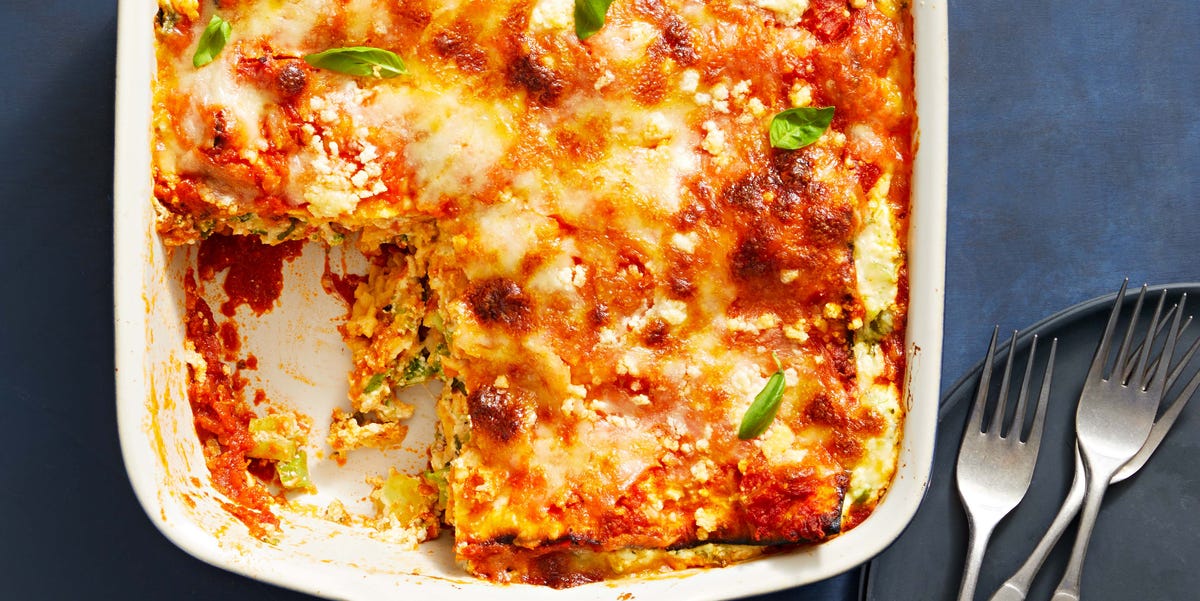

If regular lasagna is a cozy Italian sweater, matzo lasagna is that same sweater cleverly tailored for Passover. It has saucy layers, creamy cheese, golden bubbling mozzarella, and that wonderful “just one more square” energyonly instead of pasta sheets, it uses matzo. Yes, the humble cracker from the Seder table gets promoted from symbolic sidekick to casserole superstar.
This best matzo lasagna recipe is designed for real kitchens, real appetites, and real people who may or may not have a slightly suspicious extra box of matzo in the pantry. The goal is simple: build a rich, cheesy, sliceable Passover matzo lasagna that tastes like comfort food, not like someone panicked and built dinner out of cardboard. The trick is moisture control, smart layering, and giving the casserole time to rest before slicing.
Below, you’ll learn how to make matzo lasagna with a classic tomato-ricotta-mozzarella filling, plus practical tips for avoiding soggy matzo, dry corners, bland cheese, and the dreaded “lasagna landslide.” This recipe is vegetarian, dairy-based, and perfect as a Passover main dish, holiday lunch, or weeknight dinner when noodles are not invited to the party.
What Is Matzo Lasagna?
Matzo lasagna, sometimes spelled matzah lasagna or matzoh lasagna, is a baked casserole that uses sheets of matzo instead of traditional lasagna noodles. The matzo softens as it absorbs tomato sauce and cheese moisture, creating layered slices that feel surprisingly close to pasta. It is especially popular during Passover, when leavened bread and many grain-based foods are avoided by those who observe the holiday.
The idea is wonderfully practical. Matzo is flat, sturdy, easy to layer, and available in neat rectangular sheets that seem almost designed for casserole duty. Add marinara sauce, ricotta, eggs, mozzarella, Parmesan, herbs, and maybe a handful of spinach, and suddenly the box that once looked like “emergency crackers” becomes dinner with applause potential.
Why This Is the Best Matzo Lasagna Recipe
The best matzo lasagna is not just regular lasagna with a costume change. Matzo behaves differently from pasta. It absorbs liquid faster, softens unevenly if ignored, and can become either too mushy or too brittle depending on how it is treated. This recipe balances sauce, cheese, and baking time so the matzo turns tender without collapsing into a tomato-flavored puddle.
Here’s what makes this version work:
- A generous sauce base keeps the bottom layer from drying out.
- A seasoned ricotta mixture gives the filling structure and flavor.
- Brief matzo softening helps the sheets bake evenly without becoming soggy.
- Covered baking first allows the layers to steam and settle.
- Uncovered baking at the end creates that golden, cheesy top everyone secretly wants the biggest piece of.
- A proper resting time helps the lasagna slice cleanly instead of sliding across the plate like a culinary soap opera.
Ingredients for Matzo Lasagna
This recipe serves 8 generous portions or 10 smaller holiday-table portions.
Main Ingredients
- 6 to 8 sheets plain matzo, preferably kosher for Passover if serving for the holiday
- 3 cups marinara sauce or tomato basil sauce
- 15 ounces whole-milk ricotta cheese
- 1 large egg
- 2 cups shredded mozzarella cheese, divided
- 1/2 cup grated Parmesan cheese, divided
- 1 1/2 cups cooked spinach, squeezed very dry, optional
- 2 tablespoons chopped fresh basil or parsley
- 1 teaspoon dried oregano or Italian seasoning
- 1/2 teaspoon garlic powder
- 1/2 teaspoon kosher salt, plus more to taste
- 1/4 teaspoon black pepper
- 1 tablespoon olive oil for greasing the baking dish
Optional Flavor Boosters
- 1/4 teaspoon crushed red pepper flakes for a little heat
- 1 cup sautéed mushrooms for extra savory depth
- 1 small zucchini, thinly sliced and sautéed
- 1/2 cup caramelized onions
- Fresh mozzarella slices for a creamier top layer
Passover note: If you are preparing this recipe for a kosher-for-Passover meal, use ingredients that are certified kosher for Passover according to your household’s observance. Because this is a dairy recipe, it is best served with a dairy or vegetarian meal rather than a meat meal if you follow kosher dietary rules.
How To Make Matzo Lasagna
Step 1: Prepare the Oven and Baking Dish
Preheat the oven to 350°F. Lightly grease a 9-by-13-inch baking dish with olive oil. Spread about 1/2 cup of marinara sauce across the bottom of the dish. This first layer of sauce is not decorative; it is insurance. It prevents the matzo from sticking and helps the bottom layer soften properly.
Step 2: Make the Cheese Filling
In a medium bowl, stir together the ricotta, egg, 1 cup mozzarella, 1/4 cup Parmesan, chopped herbs, oregano, garlic powder, salt, and pepper. If using spinach, fold it into the cheese mixture after squeezing out as much liquid as possible. Seriously, squeeze it like it owes you money. Wet spinach can turn a beautiful casserole into a swampy situation.
Step 3: Soften the Matzo Briefly
Fill a shallow pan or rimmed plate with warm water. Dip each matzo sheet for just 5 to 10 seconds, then remove it immediately. The goal is to make the matzo slightly flexible, not limp. If it breaks, do not panic. Broken matzo pieces are not a failure; they are edible puzzle pieces. Use them to fill corners and gaps.
Some cooks prefer to use dry matzo and rely entirely on sauce for moisture. That can work, especially with a very saucy recipe. For the most reliable texture, this quick dip method gives the matzo a head start while keeping the layers sturdy.
Step 4: Build the First Layer
Place one layer of softened matzo over the sauce in the baking dish. Break pieces as needed to cover the bottom. Spread about 3/4 cup marinara sauce over the matzo. Add one-third of the ricotta mixture and gently spread it into an even layer. Sprinkle with a little mozzarella.
Step 5: Repeat the Layers
Continue layering in this order: matzo, sauce, ricotta mixture, mozzarella. Repeat until you have three complete layers, ending with matzo on top. Spread the remaining marinara sauce over the final matzo layer, making sure the edges are covered. Dry edges are where good casseroles go to become crunchy in a bad way.
Step 6: Add the Cheesy Top
Sprinkle the remaining mozzarella and Parmesan over the top. For an extra impressive finish, add a few small spoonfuls of ricotta or thin slices of fresh mozzarella. This is the part where the lasagna starts looking like it knows it will be photographed.
Step 7: Bake Covered, Then Uncovered
Cover the baking dish tightly with foil. Bake for 25 minutes. Remove the foil and bake for another 20 to 25 minutes, or until the sauce is bubbling around the edges and the cheese on top is melted, golden, and lightly browned in spots.
Step 8: Let It Rest Before Slicing
Remove the matzo lasagna from the oven and let it rest for at least 15 minutes. This step is not optional unless you enjoy serving lasagna with a spoon and a hopeful expression. Resting allows the cheese and sauce to settle, making cleaner slices and better texture.
Recipe Card: Best Matzo Lasagna
Prep Time
20 minutes
Cook Time
45 to 50 minutes
Resting Time
15 minutes
Total Time
About 1 hour 20 minutes
Servings
8 servings
Tips for the Best Texture
Use Enough Sauce
Matzo needs moisture to transform from crisp sheet to tender layer. If your sauce is very thick, stir in 2 to 4 tablespoons of water before layering. The sauce should be spoonable and spreadable, not paste-like.
Do Not Over-Soak the Matzo
A quick dip is plenty. If matzo sits in water too long, it can break apart before it reaches the baking dish. Think of it as a quick spa treatment, not a long vacation.
Season Every Component
Matzo is mild, which is a polite way of saying it will not carry the flavor team by itself. Season the ricotta mixture, use a flavorful marinara, and do not forget herbs. Basil, parsley, oregano, garlic, and a little Parmesan help create that classic lasagna flavor.
Let the Top Brown
The uncovered baking time matters. It gives the lasagna a golden, slightly crisp top that contrasts beautifully with the soft layers underneath. If you want more browning, place the dish under the broiler for 1 to 2 minutes at the end, watching carefully.
Best Sauce for Matzo Lasagna
A good marinara sauce makes a big difference. Choose one with tomato, garlic, olive oil, basil, and a balanced sweet-acidic flavor. A thin, watery sauce can make the casserole loose, while an overly thick sauce may leave the matzo dry. The best choice is a medium-bodied tomato sauce that tastes good on its own.
If using homemade sauce, simmer crushed tomatoes with olive oil, garlic, onion, basil, oregano, salt, and a small pinch of sugar if needed. You do not need a complicated sauce here. Matzo lasagna rewards bold simplicity.
Can You Make Matzo Lasagna Ahead?
Yes, and this is one of the reasons it is such a useful Passover recipe. Assemble the lasagna up to one day ahead, cover it tightly, and refrigerate. When ready to bake, let it sit at room temperature for about 20 minutes while the oven preheats. Add 5 to 10 minutes to the covered baking time if the dish is still cold from the refrigerator.
You can also bake it fully, cool it, refrigerate it, and reheat it later. In fact, many people think matzo lasagna tastes even better the next day because the layers have time to settle and the flavors become more unified.
How To Store and Reheat Matzo Lasagna
Store leftovers in an airtight container in the refrigerator for up to 4 days. Reheat individual portions in the microwave, or place larger portions in a covered baking dish and warm in a 350°F oven until heated through.
To freeze, wrap cooled slices tightly in plastic wrap and foil, then freeze for up to 2 months. Thaw overnight in the refrigerator before reheating. The texture may be slightly softer after freezing, but the flavor remains cozy and satisfying.
Matzo Lasagna Variations
Spinach Matzo Lasagna
Add cooked, well-drained spinach to the ricotta mixture. Spinach pairs beautifully with tomato sauce and makes the dish feel a little greener, which is helpful when the table is otherwise dominated by beige holiday foods.
Eggplant Matzo Lasagna
Layer roasted eggplant slices between the matzo and cheese. Roast the eggplant first so it becomes tender and flavorful instead of watery. This variation gives the casserole a hearty, almost meatless-moussaka quality.
Mushroom Matzo Lasagna
Sauté sliced mushrooms in olive oil with garlic until browned and most of their moisture has evaporated. Add them between the ricotta and mozzarella layers for a savory, earthy flavor.
Gluten-Free Matzo Lasagna
Use gluten-free matzo and double-check that every ingredient, including sauce and cheese, meets your dietary needs. Gluten-free matzo can vary in texture, so handle it gently and use enough sauce to help it soften.
Meat Matzo Lasagna
If you want a meat version and follow kosher rules, skip the dairy cheese and use a meat sauce with a dairy-free, Passover-friendly white sauce or vegetable puree for creaminess. If kosher separation is not a concern in your kitchen, browned ground beef or turkey can be added to the marinara for a heartier casserole.
What To Serve With Matzo Lasagna
Matzo lasagna is rich and cheesy, so it pairs best with fresh, crisp sides. Serve it with a simple green salad, roasted asparagus, cucumber-tomato salad, sautéed zucchini, or roasted carrots. For a Passover table, it can sit comfortably next to vegetable sides, soup, fish, or other dairy-friendly dishes.
Because the lasagna is filling, you do not need many extras. A bright salad with lemon vinaigrette is often enough to balance the dish. The acidity cuts through the cheese and tomato, making each bite taste fresh instead of heavy.
Common Mistakes To Avoid
Using Too Little Sauce
Matzo absorbs sauce quickly. If you skimp, the finished dish may taste dry. Cover every layer well, especially the top and corners.
Adding Watery Vegetables
Zucchini, mushrooms, spinach, and eggplant are delicious in matzo lasagna, but they should be cooked first. Raw vegetables release liquid as they bake, which can make the casserole loose.
Slicing Too Soon
Fresh-from-the-oven lasagna smells incredible, but patience pays off. Resting helps the cheese firm up and the layers hold together. Give it at least 15 minutes.
Forgetting the Salt
Ricotta, matzo, and mozzarella are mild. Without enough salt and herbs, the lasagna can taste flat. Season the cheese filling and use a flavorful sauce.
Experience Notes: What I Learned Making Matzo Lasagna
The first time you make matzo lasagna, it may feel almost too easy. There are no noodles to boil, no slippery pasta sheets to wrestle, and no dramatic sink-side moment where half the lasagna noodles stick together like office gossip. Matzo simply waits in the box, flat and calm, ready to become dinner. That calm is deceptive, though, because matzo has opinions. It wants moisture, but not too much. It likes sauce, but it does not want to swim. Treat it well and it becomes tender and layered; ignore it and it will remind you that it began life as a cracker.
One of the biggest lessons is that the sauce is more than flavor. It is structure. A well-sauced matzo lasagna bakes into soft, even layers. A lightly sauced one can develop dry patches, especially near the corners. When spreading sauce, go all the way to the edges. Corners are where matzo goes to sulk. If the top layer looks a little too wet before baking, that is usually fine; much of the moisture will be absorbed as the casserole cooks and rests.
The second lesson is to keep vegetable add-ins under control. Spinach is fantastic, but only if it is squeezed dry. Mushrooms are wonderful, but only if browned first. Eggplant adds richness, but it should be roasted or sautéed before layering. Matzo lasagna does not need watery surprises. Think of each add-in as a guest at a dinner party: welcome, but please bring good manners.
The cheese mixture also deserves attention. Plain ricotta can be bland, so season it with herbs, garlic powder, Parmesan, salt, and pepper. The egg helps the filling set, which makes the slices cleaner. Whole-milk ricotta gives the creamiest result, while cottage cheese creates a lighter, slightly tangier version. Both work well, so the choice depends on your preferred texture. If using cottage cheese, small-curd is easiest to spread.
Another practical discovery: broken matzo is not a problem. In fact, it is useful. Unlike pasta sheets, matzo snaps into whatever shape the pan demands. A few patched corners will never be noticed once the sauce and cheese start bubbling. This recipe is forgiving in a way that traditional lasagna sometimes is not. It invites improvisation, which is perfect for holiday cooking when the oven is crowded, relatives are commenting, and someone is always asking whether the food is ready.
Resting time may be the most underrated step. When the lasagna comes out of the oven, the sauce is bubbling, the cheese is molten, and everyone suddenly appears in the kitchen like they were summoned by mozzarella. Resist the pressure. Let the dish sit. After 15 minutes, the layers relax, the cheese settles, and the slices come out neatly. It is the difference between serving a proud square of lasagna and serving a delicious but chaotic scoop.
Matzo lasagna also makes excellent leftovers. The next day, the layers become even more cohesive, and the flavors deepen. Reheated slices are sturdy enough for lunch and comforting enough for dinner. If you are cooking for Passover, this make-ahead quality is gold. You can assemble it before guests arrive, bake it when needed, and still have time to pretend the kitchen was always this clean.
In the end, the best matzo lasagna recipe is not about copying pasta lasagna perfectly. It is about letting matzo do what it does best: absorb flavor, create layers, and turn simple ingredients into something warm, practical, and surprisingly craveable. With enough sauce, properly seasoned cheese, and a little patience, matzo lasagna becomes more than a Passover workaround. It becomes the dish people ask for again next yearand maybe sometime in July, when nobody is watching.
Conclusion
This best matzo lasagna recipe turns simple Passover ingredients into a bubbling, cheesy, family-friendly casserole with all the comfort of classic lasagna and none of the noodle boiling. By briefly softening the matzo, using enough marinara, seasoning the ricotta filling, and resting the dish before slicing, you get tender layers, golden cheese, and a satisfying texture that works beautifully for holidays or everyday dinners.
Whether you keep it classic with ricotta and mozzarella, add spinach for color, layer in roasted vegetables, or prepare it a day ahead, matzo lasagna is flexible, forgiving, and genuinely delicious. It is proof that matzo can do more than sit politely beside soup. Sometimes, it can steal the whole dinner.
Note: This article is written as original, publication-ready content based on commonly accepted cooking practices, Passover recipe traditions, and real-world matzo lasagna preparation methods. No citation placeholders or unnecessary source-code references are included.


