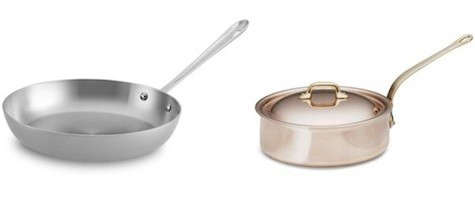

Some cookware walks into the kitchen and whispers, “Let’s make dinner.” An All-Clad Stainless Steel French Skillet walks in wearing a tiny chef’s jacket, clears its throat, and says, “Please preheat properly before we begin.” Dramatic? A little. Useful? Absolutely.
All-Clad has built a serious reputation around stainless steel cookware, especially its bonded construction, polished durability, and professional-style performance. French skillets sit in that delicious middle ground between a traditional fry pan and a sauté pan. They are not quite as shallow and flared as a classic frying pan, but they are not as boxy and straight-sided as a sauté pan either. In practical terms, that means more room for browning, fewer flying mushrooms, and less chance your dinner performs a graceful swan dive onto the stovetop.
This guide explores what makes All-Clad stainless steel French skillets worth discussing, how they compare with standard fry pans, what they cook best, and how to keep them looking shiny enough to make your reflection question its life choices.
What Is an All-Clad Stainless Steel French Skillet?
An All-Clad stainless steel French skillet is a premium, all-metal pan designed for browning, searing, sautéing, shallow frying, and oven finishing. Compared with a standard fry pan, a French skillet usually has a wider usable base and higher, steeper sides. That shape gives it extra versatility when cooking foods that need movement, space, and a little containment.
Think of it as the confident cousin of the frying pan. A fry pan is great when you want easy flipping and quick evaporation. A French skillet is better when you want to sear chicken thighs, cook vegetables without launching them into orbit, build a pan sauce, or finish a dish in the oven after stovetop browning.
All-Clad’s stainless steel designs are known for bonded metal construction. In the D3 line, that means a responsive aluminum core sandwiched between stainless steel layers. In the D5 line, it means five bonded layers of stainless steel and aluminum for added heat stability and warp resistance. Both approaches are built around the same idea: stainless steel brings durability and a nonreactive cooking surface, while aluminum helps heat move quickly and evenly.
Why Home Cooks Love the French Skillet Shape
The French skillet is not just a fancy name designed to make your weeknight eggs feel like they studied abroad. Its shape genuinely changes how the pan behaves.
Higher Sides Help Control Splatter
When searing meat or sautéing vegetables, oil and moisture can jump around like they have concert tickets. The higher sides of a French skillet help reduce splatter and keep ingredients inside the pan. This is especially helpful for foods like sausage, mushrooms, onions, shrimp, and chicken pieces.
A Broad Base Encourages Browning
Browning depends on contact. If ingredients are piled on top of one another, they steam instead of sear. A French skillet gives you a generous cooking surface, which helps proteins and vegetables develop that golden crust everyone pretends they achieved effortlessly.
It Handles Sauces Better Than a Fry Pan
After searing steak, chicken, pork chops, or mushrooms, you can deglaze the pan with stock, wine, lemon juice, or vinegar. The slightly deeper shape makes it easier to whisk, reduce, and spoon sauce without creating a modern art installation on your cooktop.
All-Clad Stainless Steel Construction: Why It Matters
Stainless steel by itself is tough, attractive, and nonreactive, but it is not the fastest heat conductor. Aluminum heats more efficiently, but it can react with acidic foods and is not ideal as a cooking surface. All-Clad solves this with bonded construction, layering stainless steel around a conductive core.
The result is cookware that can heat evenly across the base and up the sides, resist warping under normal use, and move from stovetop to oven. Many All-Clad stainless steel pans are compatible with gas, electric, ceramic, and induction cooktops, which makes them practical for modern kitchens where appliances change but dinner still needs to happen.
The stainless interior also makes these skillets excellent for fond, the browned bits that stick to the pan after searing. Fond is not burnt failure. Fond is flavor confetti. Add liquid, scrape gently, reduce, and suddenly you have a sauce that makes people ask what culinary school you secretly attended.
D3 vs. D5: Which All-Clad French Skillet Style Makes Sense?
All-Clad’s D3 and D5 stainless steel lines are both popular, but they feel slightly different in the hand and on the stove.
All-Clad D3 Stainless Steel
D3 uses three bonded layers: stainless steel, aluminum, and stainless steel. It is responsive, durable, and generally lighter than D5. If you like a pan that reacts quickly when you adjust the burner, D3 is a strong choice. It is also often viewed as the sweet spot between professional-grade performance and everyday practicality.
All-Clad D5 Stainless Steel
D5 uses five bonded layers, alternating stainless steel and aluminum. It is usually heavier and slightly slower to respond, but it offers excellent heat stability. That can be helpful when searing, shallow frying, or cooking foods that benefit from steady heat. The tradeoff is weight. If wrist comfort matters, handle one in person before committing.
For many home cooks, D3 is the more agile daily driver, while D5 feels like the calm, heavy-duty performer. Neither is automatically “better.” The right pick depends on your cooking style, strength preference, budget, and whether you treat cookware like tools or family heirlooms with rivets.
Best Uses for All-Clad Stainless Steel French Skillets
An All-Clad French skillet is not a one-trick pan. It can handle a surprisingly wide range of cooking tasks, especially once you understand stainless steel technique.
Searing Meat
Stainless steel is excellent for searing because it can handle high heat and create strong browning. Use it for steak, pork chops, chicken thighs, lamb, or turkey cutlets. Preheat the pan, add oil, place the protein down, and resist the urge to poke it every four seconds. When the crust forms, the food releases more easily.
Sautéing Vegetables
The French skillet’s shape is ideal for vegetables that start bulky and cook down, such as spinach, kale, cabbage, mushrooms, peppers, and onions. The higher sides help keep ingredients contained while the broad base allows moisture to evaporate.
Making Pan Sauces
After browning food, remove it from the skillet and add aromatics, stock, cream, lemon juice, or wine. The stainless surface makes it easy to see the fond and build a sauce with depth. A chicken breast suddenly becomes “bistro-inspired.” Translation: dinner got a promotion.
Oven-Finished Dishes
Because many All-Clad stainless steel pans are oven and broiler safe up to high temperatures, a French skillet can move from stovetop to oven for frittatas, thick pork chops, skillet chicken, roasted vegetables, and baked pasta-style dishes. Always check the exact product guidance for your specific pan, especially if it includes a lid or accessory.
How to Cook With Stainless Steel Without Losing Your Mind
Stainless steel has a learning curve, but it is not difficult once you understand heat, fat, and patience. Most sticking problems happen because the pan is too cold, too hot, too dry, or being disturbed too early.
Preheat the Pan
Start over low to medium heat and let the skillet warm gradually. Stainless steel does not need maximum flame to prove itself. A properly preheated pan helps food release better and brown more evenly.
Add Oil After Preheating
Once the skillet is warm, add oil or fat and let it shimmer. Then add food. This sequence helps create a temporary barrier between the food and the stainless surface.
Dry Food Before Searing
Moisture is the enemy of browning. Pat meat, fish, tofu, or vegetables dry before adding them to the pan. If your chicken hits the skillet while wet, it will steam first and ask questions later.
Do Not Crowd the Pan
Too much food lowers the temperature and traps steam. Cook in batches when needed. Yes, it takes a few extra minutes. No, your mushrooms will not file a complaint.
Cleaning and Caring for All-Clad Stainless Steel French Skillets
All-Clad stainless steel cookware is durable, but durability is not the same as invincibility. Treat it well and it can serve your kitchen for decades.
Let the Pan Cool Before Washing
Avoid shocking a hot pan with cold water. Sudden temperature changes can contribute to warping. Let it cool, then wash with warm water, dish soap, and a sponge or soft cloth.
Soak Stuck-On Food
If food residue clings to the pan, add warm soapy water and let it soak. A nylon pad can help with tougher spots. For discoloration, rainbow stains, or stubborn residue, a stainless steel cleaner such as Bar Keepers Friend is commonly used by many cooks.
Dry Immediately
Water spots are not dangerous, but they do ruin the mirror-like drama. Dry the skillet right after washing to keep it looking polished.
Avoid Dragging on Glass Cooktops
If you use ceramic or induction, lift the pan instead of sliding it around. Stainless cookware is sturdy, and glass cooktops prefer not to be treated like a dance floor.
All-Clad French Skillet vs. Regular Fry Pan
A regular fry pan usually has lower, more sloped sides. That makes it great for flipping eggs, pancakes, crepes, and delicate fish. It also encourages quick evaporation, which is useful for crisping and browning.
A French skillet has a deeper, more contained shape. It is better when you need more volume, more splatter control, or a smoother path from searing to saucing. It can still fry eggs and brown vegetables, but its real strength is versatility.
If your cooking style leans toward quick breakfasts and delicate flipping, a fry pan may feel more natural. If you cook one-pan dinners, seared proteins, pan sauces, or larger vegetable portions, the French skillet earns its cabinet space.
Who Should Buy an All-Clad Stainless Steel French Skillet?
An All-Clad stainless steel French skillet makes sense for home cooks who want long-lasting cookware, appreciate even heating, and do not mind learning proper stainless steel technique. It is especially useful for people who cook meat, vegetables, skillet dinners, and sauces often.
It may not be the best first pan for someone who only wants effortless eggs with no oil. A nonstick skillet is still easier for that job. But if you want a pan that can sear hard, go in the oven, handle acidic sauces, and survive years of use, stainless steel is a smarter long-term investment.
The price is higher than many budget pans, but the value comes from longevity. A good stainless skillet does not need to be replaced every few years like many nonstick pans. It may pick up scratches, patina, and battle scars, but those are signs of dinner history, not failure.
Common Mistakes to Avoid
Using Too Much Heat
Stainless steel does not require volcanic energy. Medium heat is enough for many cooking tasks, especially on powerful gas or induction burners. Too much heat can burn oil, discolor the pan, and make food stick aggressively.
Moving Food Too Soon
When protein first hits stainless steel, it often sticks. As browning develops, it releases more naturally. Give it time. Your spatula is a tool, not a crowbar.
Expecting Nonstick Behavior
Stainless steel is not nonstick. It rewards technique. Use enough fat, preheat properly, and choose the right foods. For scrambled eggs on a sleepy Monday, nonstick may still be the kinder friend.
Ignoring Handle Heat
All-metal handles are oven-friendly, but they can get hot during long cooking or oven use. Keep a towel or mitt nearby unless you enjoy learning lessons the spicy way.
Real Kitchen Experience: Living With an All-Clad Stainless Steel French Skillet
The first thing you notice about an All-Clad stainless steel French skillet is the weight. It feels serious, like it has read the recipe and also reviewed your tax return. It is not flimsy. When you set it on the burner, it sits flat and confident. That matters because a stable pan makes cooking feel calmer, especially when you are juggling garlic, chicken, and the emotional pressure of not overcooking dinner.
In everyday use, the French skillet shines during meals that begin with browning and end with a sauce. Chicken thighs are a perfect example. Preheat the skillet, add oil, place the chicken skin-side down, and leave it alone. At first, the meat may cling slightly. Then, as the skin browns, it releases. That moment feels like a small kitchen miracle, except the miracle is mostly physics and patience.
After the chicken comes out, the pan usually has a layer of browned bits on the surface. Add shallots, garlic, stock, lemon juice, or a splash of cream, and suddenly the skillet becomes a sauce machine. The higher sides help keep the liquid under control while you scrape and stir. A regular fry pan can do this too, but the French skillet feels more secure, especially when sauce starts bubbling with ambition.
Vegetables also benefit from the shape. Mushrooms brown nicely when cooked in batches, and the taller walls help prevent the enthusiastic escape of sliced onions. For peppers and zucchini, the pan gives enough room to sauté without trapping too much steam. The key is not overcrowding. Stainless steel will not rescue a mountain of wet vegetables from becoming soup. It is a skillet, not a magician with a culinary degree.
Cleaning is usually easier than beginners expect. If the pan is properly preheated and enough fat is used, most residue comes off with warm water, dish soap, and a sponge. For tougher marks, soaking helps. For the dramatic rainbow discoloration that sometimes appears after high heat, a stainless cleaner can restore the shine quickly. The pan may never look untouched forever, but that is fine. Cookware should look like it cooks.
The learning curve is real. The first few uses may involve sticking, especially with eggs, fish, or food added before the oil is hot. But once you learn the rhythm, the skillet becomes dependable. Preheat. Add fat. Dry the food. Do not crowd. Let browning happen. Deglaze. Clean. Repeat. It is a simple routine, but it turns weeknight cooking into something more controlled and flavorful.
The biggest practical question is whether the French skillet shape fits your kitchen. If you already own a fry pan and a sauté pan, it may seem like overlap. But in daily cooking, overlap is not always bad. The French skillet can cover quick sautéing, moderate shallow frying, searing, and saucing in one pan. For small kitchens, that versatility matters. For larger kitchens, it becomes the pan you reach for when you are not sure what dinner will become yet.
In the end, an All-Clad stainless steel French skillet feels like cookware for people who enjoy the process as much as the result. It asks for a little skill, then pays you back with browning, durability, and flexibility. It will not make you a chef overnight. But it may make your chicken crispier, your sauces better, and your stovetop slightly less chaotic. Honestly, that is a pretty strong resume for a shiny piece of metal.
Final Verdict: Is It Worth It?
All-Clad Stainless Steel French Skillets are worth considering if you want a durable, versatile, oven-safe pan that can sear, sauté, shallow fry, and build sauces with confidence. The French skillet shape gives you more containment than a fry pan while staying more agile than a deep sauté pan.
It is not the cheapest cookware choice, and it is not the easiest surface for ultra-delicate foods. But for serious home cooking, stainless steel remains one of the most dependable materials available. With proper preheating, enough fat, and sensible cleaning, an All-Clad French skillet can become a long-term kitchen workhorsethe kind of pan that makes dinner better without needing applause, although applause is always welcome.
Note: Product availability, prices, sizes, and specific care instructions can change by retailer and collection. Review the current manufacturer listing before publishing buying details or promotional claims.


