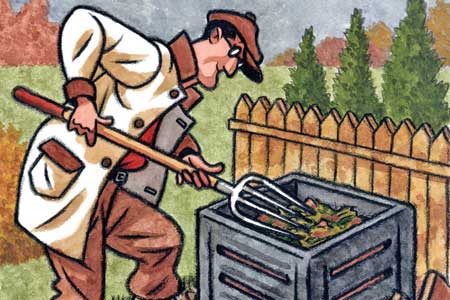

Composting is one of those gardening habits that sounds suspiciously virtuous at first. You save kitchen scraps, collect leaves, stir a pile occasionally, and somehow end up with dark, crumbly material gardeners lovingly call “black gold.” No cape required. No chemistry degree required. And, thankfully, no need to whisper encouraging words to banana peels.
Learning how to compost for a nutrient-rich home garden is really about helping nature do what it already does: break down organic material and return it to the soil. With the right blend of carbon-rich “browns,” nitrogen-rich “greens,” moisture, and oxygen, you can turn yard waste and food scraps into a valuable soil amendment that supports healthier flowers, herbs, vegetables, shrubs, and container plants.
This guide walks through the practical side of home composting, from choosing a bin to troubleshooting a suspiciously smelly pile. Whether you have a large backyard, a compact raised-bed garden, or one heroic tomato plant on a patio, compost can help your soil become more productive, resilient, and alive.
Why Compost Is So Valuable for a Home Garden
Compost is not just decayed material. It is a soil-building powerhouse. Finished compost contains organic matter and a broad range of nutrients that plants need in small but meaningful amounts. More importantly, it improves the physical condition of soil.
In heavy clay soil, compost helps create better structure, making it easier for water and air to move through the ground. In sandy soil, compost improves moisture retention, helping roots stay hydrated between waterings. In nearly every garden, it supports beneficial soil organisms that help cycle nutrients and create healthier growing conditions.
Think of compost as a long-term investment instead of a quick energy drink for your plants. Synthetic fertilizer can provide a fast nutrient boost, but compost improves the environment around the roots. It helps soil hold moisture, encourages microbial activity, reduces compaction, and can make a garden easier to work over time.
Composting also keeps useful materials out of the trash. Leaves, grass clippings, vegetable peels, coffee grounds, and garden trimmings do not need to become landfill passengers. They can become future soil food instead.
The Four Ingredients of Successful Composting
A compost pile is a tiny ecosystem with a very simple wish list: carbon, nitrogen, oxygen, and moisture. Give it those four things, and the microorganisms will handle the messy middle.
1. Browns: Carbon-Rich Materials
“Browns” provide carbon, which gives composting microbes energy and helps keep the pile airy. Good brown materials include dry leaves, shredded paper, torn cardboard, straw, untreated wood chips, small twigs, dried plant stems, and sawdust from untreated wood.
Dry leaves are especially useful because they are easy to collect in autumn and store in bags for later. A stash of leaves can save a compost pile when summer brings a flood of wet grass clippings and kitchen scraps.
2. Greens: Nitrogen-Rich Materials
“Greens” supply nitrogen, which helps microorganisms grow and multiply. Despite the name, greens are not always green. Coffee grounds, fruit scraps, vegetable peels, crushed eggshells, fresh grass clippings, tea leaves, garden trimmings, and spent flowers all count as nitrogen-rich materials.
Fresh grass clippings are powerful compost ingredients, but they should not be added in thick, slimy layers. A giant clump of grass can turn into a wet, oxygen-starved pancake. Mix clippings with dry leaves, shredded paper, or small twigs to keep air moving through the pile.
3. Moisture
A compost pile should feel like a wrung-out sponge. It should be damp enough to support microbial activity but not so wet that water drips out when you squeeze a handful. A pile that is too dry will sit there like a forgotten houseplant. A pile that is too wet can smell unpleasant because oxygen cannot move through it properly.
4. Oxygen
Composting is an aerobic process, which means the helpful microorganisms need oxygen. Turning the pile with a garden fork, compost aerator, or shovel introduces air and speeds decomposition. You do not need to babysit the pile every day, but occasional turning makes a noticeable difference.
What to Compost and What to Keep Out
A good backyard compost pile can handle a surprising variety of plant-based waste. The safest rule is simple: compost things that grew in the ground, but avoid materials that attract pests, create odors, or may carry disease.
Excellent Materials for a Compost Bin
- Fruit and vegetable scraps
- Coffee grounds and uncoated paper filters
- Tea leaves and paper tea bags without staples or plastic mesh
- Crushed eggshells
- Dry leaves and shredded paper
- Grass clippings mixed with browns
- Spent flowers, herb stems, and non-diseased garden plants
- Small amounts of untreated wood chips or sawdust
- Straw, old hay, and plant-based bedding from herbivores
Materials to Avoid in a Typical Home Compost Pile
- Meat, fish, bones, dairy products, grease, and cooking oil
- Dog, cat, or human waste
- Diseased plants that could spread pathogens
- Weeds that have gone to seed, especially in a cool compost pile
- Invasive plants with persistent roots or seeds
- Pressure-treated wood, painted wood, charcoal ash, or coal ash
- Glossy paper, plastic-coated packaging, and synthetic materials
Meat, dairy, fats, and oils are not automatically evil; they are simply poor candidates for a basic backyard compost bin. They tend to attract rodents, raccoons, flies, and every neighbor’s dog with an advanced degree in snack detection.
Choose the Right Composting Setup
You do not need an elaborate composting station with twelve matching cedar bins and a hand-painted sign that says “Decomposition Destination.” A simple pile or bin can work beautifully.
Open Compost Pile
An open pile is inexpensive and flexible. It works well for gardeners with plenty of yard waste and enough space to keep the pile away from patios, windows, and property lines. A pile roughly three feet wide, three feet deep, and three feet tall is large enough to hold heat reasonably well while still being easy to turn.
Compost Bin
A bin keeps materials tidy and can discourage pests. You can buy a plastic compost bin, build one from untreated wood, or create a simple enclosure with wire mesh. Make sure the bin allows air to enter from the sides and bottom.
Tumbler Composter
A tumbler makes turning easier because you rotate the container rather than digging with a fork. It can be useful for small yards and people who prefer less shoveling. However, tumblers usually hold less material than a large pile and may dry out quickly in hot weather.
Worm Composting
Vermicomposting uses red worms to process food scraps in a contained bin. It is especially useful for apartments, patios, and households without much yard waste. Worm castings can be mixed into garden soil, used as a top dressing, or added in modest amounts to potting mixes.
How to Build a Compost Pile Step by Step
Start with a location that has good drainage and easy access. You will be more likely to compost if the bin is convenient enough to reach during a rainy Tuesday evening when you are holding a bowl of potato peels and questioning every life choice that led to this moment.
- Begin with a loose layer of browns. Add a few inches of dry leaves, shredded cardboard, straw, or small twigs to encourage airflow near the bottom.
- Add a layer of greens. Spread vegetable scraps, coffee grounds, grass clippings, or fresh plant trimmings over the browns.
- Cover food scraps with browns. This reduces odors, deters pests, and keeps the pile balanced.
- Moisten the layers. Spray with water as needed until the materials feel damp but not soggy.
- Repeat the layers. Aim for roughly two to three parts browns to one part greens by volume. Do not stress over perfect measurements; composting is gardening, not a courtroom audit.
- Turn the pile periodically. Move outer material toward the center and bring the center outward. This redistributes moisture and oxygen.
Smaller pieces break down faster, so shred leaves, chop thick stalks, and tear cardboard into manageable strips. You do not need to turn every apple core into confetti, but reducing bulky material helps speed the process.
How to Maintain Your Compost for Faster Results
A compost pile can work with very little attention, but active composting produces usable material faster. Check the pile every week or two during warm weather, especially after heavy rain or prolonged dry spells.
Turn It When the Center Cools
An active pile may become warm in the center as microorganisms work. When it cools down, turn it to bring fresh material into the middle. For many home gardeners, turning once or twice a month is plenty. More turning generally means faster decomposition, while less turning creates a slower but still useful composting process.
Keep a Bag of Leaves Nearby
A bag of dry leaves beside the compost bin is one of the easiest composting upgrades you can make. Each time you add kitchen scraps or grass clippings, cover them with a handful of leaves. This simple habit reduces smells, keeps fruit flies less interested, and maintains the brown-to-green balance.
Protect the Pile From Extreme Weather
In very rainy climates, a loose tarp or lid can keep the pile from becoming waterlogged. In hot, dry climates, occasional watering may be necessary. The goal is not to seal the pile like a submarine. It still needs airflow.
Compost Troubleshooting: Fixing Common Problems
The Pile Smells Rotten
A bad odor usually means the pile is too wet, too compacted, or overloaded with nitrogen-rich materials. Turn it to add oxygen, then mix in dry leaves, shredded cardboard, or straw. Avoid adding more wet grass clippings until the pile smells earthy again.
The Pile Is Not Breaking Down
A slow pile is often too dry, too small, too cold, or too brown. Add a few greens, lightly moisten the contents, and turn the pile. Large woody pieces may take longer, so chop or shred them when possible.
The Pile Attracts Pests
Rodents and raccoons usually show up when a pile contains meat, dairy, oily foods, or exposed kitchen scraps. Remove problem materials, bury fruit and vegetable scraps in the center, and cover them with browns. A lidded bin or wire mesh barrier can help in areas with persistent wildlife.
The Pile Is Full of Flies
Fruit flies are usually more annoying than dangerous. Cover fresh scraps with dry leaves or shredded paper, avoid leaving food exposed, and consider freezing kitchen scraps until you are ready to add a larger batch to the pile.
How to Know When Compost Is Finished
Finished compost is dark brown to nearly black, crumbly, and earthy smelling. You should not be able to identify most of the original ingredients, although the occasional twig or avocado pit may survive like a stubborn family heirloom.
Unfinished compost may still contain recognizable food scraps, smell sour, or feel warm in the center. Let it continue aging before using it around seedlings or delicate plants. Mature compost is gentler and less likely to compete with plants for nitrogen during the final stages of decomposition.
A fast, actively managed pile may produce compost in a few months during warm conditions. A low-maintenance pile may take six months to a year or longer. Both methods are valid. The best compost system is the one you will actually continue using.
How to Use Finished Compost in Your Garden
Finished compost can be used in several ways, but more is not always better. Compost improves soil, yet excessive applications can create nutrient imbalances, especially in small vegetable beds. A soil test is useful if you apply compost regularly or grow food crops year after year in the same space.
Improve Garden Beds
Spread a layer of finished compost over garden beds before planting. For many home gardens, a thin layer of about one-half inch to two inches is enough. Gently work it into the top few inches of soil or leave it on the surface as a top dressing and let earthworms help move it downward.
Feed Raised Beds
Add compost to raised beds before the growing season, especially after harvesting heavy-feeding crops such as tomatoes, squash, corn, and peppers. Compost helps replace organic matter that naturally breaks down over time.
Use It Around Trees, Shrubs, and Perennials
Spread compost in a thin ring beneath plants, keeping it a few inches away from stems and trunks. Cover the compost with mulch if desired. This creates a gradual source of organic matter without burying the crown of the plant.
Refresh Container Gardens Carefully
For container plants, mix compost into potting soil rather than filling a pot entirely with compost. A modest amount can improve moisture retention and nutrient availability, but containers still need a lightweight mix that drains well.
Common Gardener Experiences: What Composting Teaches You Over Time
The first compost pile often teaches a gardener two lessons quickly. First, nature is generous. Second, nature is not in a hurry just because you bought a compost thermometer. Most beginners expect instant black gold after a few weeks. Instead, they discover a pile that looks vaguely like last month’s salad and smells slightly like damp leaves. This is normal. Composting rewards consistency more than perfection.
Many gardeners start by collecting every possible scrap, then realize the pile is mostly vegetable peels and coffee grounds. The result can become wet, compacted, and impressively fragrant in a way nobody requested. The fix is usually simple: add dry leaves, torn cardboard, or shredded paper. After a few rounds of troubleshooting, most people develop a reflex. Kitchen scraps go into the compost bucket, and a handful of leaves follows behind them like a responsible chaperone.
Another common experience is learning that compost piles have seasons. In spring and summer, a well-built pile can become active surprisingly fast. Warm weather, fresh grass clippings, and regular turning make the center heat up and shrink visibly. In winter, the same pile may seem to pause. That does not mean it failed. Cold temperatures slow the microorganisms down, but the materials will continue breaking down when warmer weather returns.
Gardeners also learn that a tidy compost system is easier to maintain than an ambitious one. A simple bin near the back door often gets used more than a beautiful three-bin setup placed at the far end of the yard. The easier it is to carry scraps from the kitchen to the pile, the more likely composting becomes part of everyday life instead of a weekend project that requires hiking boots and emotional preparation.
One of the most satisfying moments comes when you open a finished pile and find dark, earthy compost where recognizable scraps used to be. It feels slightly magical, even though the real workers are bacteria, fungi, insects, worms, and other tiny organisms that have been on the job the entire time. Using that compost around tomatoes, herbs, roses, or houseplants creates a satisfying loop: yesterday’s peelings become next season’s soil improvement.
Experienced gardeners also tend to become less precious about composting. They stop chasing exact formulas and pay more attention to what the pile is telling them. Is it wet? Add browns. Is it dry? Add water. Is it compacted? Turn it. Is it attracting wildlife? Stop adding the wrong foods and cover scraps better. Composting becomes less like following a rigid recipe and more like learning to cook without measuring every pinch of salt.
Perhaps the biggest lesson is that compost changes how you see waste. Leaves are no longer yard clutter. Coffee grounds are no longer just a morning leftover. Vegetable trimmings become ingredients in a future garden bed. Once you begin composting, the backyard feels more connected to the kitchen, the seasons, and the food you grow. That is a pretty good return for a pile of leaves and peelings.
Conclusion
Composting for a nutrient-rich home garden does not require perfection, expensive equipment, or an encyclopedic knowledge of microorganisms. Start with a convenient bin or pile, mix browns with greens, keep the contents as damp as a wrung-out sponge, and turn the material when it needs more air.
Over time, your compost will become a reliable source of organic matter that improves soil structure, supports beneficial organisms, helps plants use water more efficiently, and turns everyday scraps into something genuinely useful. The result is healthier soil, stronger plants, less household waste, and a garden that gets better season after season.


