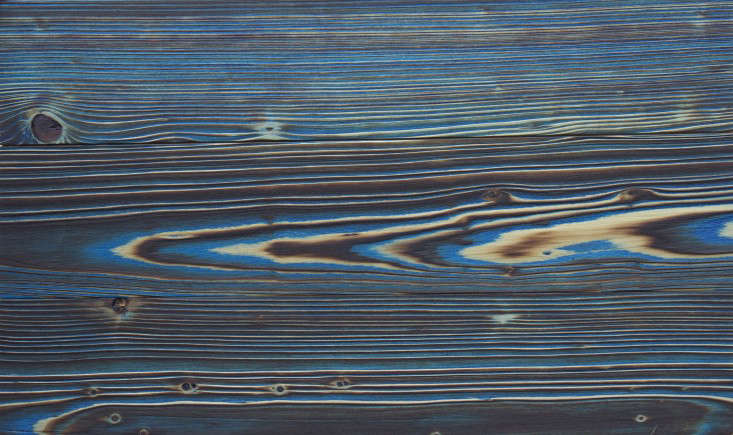

There are many polite ways to finish wood. You can stain it, paint it, oil it, seal it, whisper encouraging words to it, and hope the weather behaves. Then there is Shou Sugi Ban, the dramatic cousin who walks into the room wearing a black leather jacket and says, “What if we used fire?”
Shou Sugi Ban torched lumber, more accurately known in Japan as yakisugi, is a traditional wood-preservation technique that chars the surface of timber to create a dark, textured, protective layer. For centuries, the look was associated with deep blacks, smoky browns, and silvered patinas. Today, designers, woodworkers, architects, and brave homeowners with excellent taste are pushing it into a new visual lane: bright color.
Imagine cobalt blue glowing between raised wood grain, coral red softened by charcoal texture, emerald green with smoky shadows, or whitewashed char that looks like a zebra decided to become an architect. Brightly colored Shou Sugi Ban is not just “painted wood with extra drama.” It is a layered finish where fire, texture, pigment, and light all show up to the same party.
Note: This article focuses on design, material selection, finishing concepts, safety considerations, and real-world use. It is not a torching tutorial. Actual flame work should be handled by qualified adults, trained professionals, or experienced shops that understand hot-work safety, local codes, ventilation, and finishing requirements.
What Is Shou Sugi Ban, Really?
Shou Sugi Ban is the Western name commonly used for yakisugi, a Japanese technique that traditionally involved charring cedar siding to make it more resistant to weathering, insects, and decay. The charred surface becomes a carbon-rich layer that changes how the wood handles moisture, sunlight, and time.
Traditional yakisugi is not merely “wood that got burned because someone forgot the grill was on.” It is controlled surface charring, usually done to specific wood species, followed by decisions about whether to leave the char intact, brush it back, oil it, or apply a finish. The final appearance can range from rugged alligator-scale black to smooth, brushed grain with only smoky shadows left behind.
In modern American design, the term Shou Sugi Ban has expanded. It now describes a family of charred wood products used for siding, wall paneling, ceilings, furniture, doors, accent walls, fences, privacy screens, and retail interiors. The traditional black finish remains iconic, but colored versions are growing because they combine the ancient texture of fire with the modern appetite for personality.
Why Bright Colors Work So Well on Charred Wood
Bright color on torched lumber works because charred wood has depth. Ordinary flat paint can sometimes sit on a board like frosting on a cracker. Shou Sugi Ban has raised grain, valleys, soot-darkened recesses, and a tactile surface that catches light unevenly. When color is added, the board does not become a simple blue plank or red plank. It becomes blue with shadow, red with smoke, green with grain, yellow with tiny black echoes.
The magic comes from contrast. Charring burns softer earlywood faster than harder latewood, which can emphasize the grain pattern. When the surface is brushed or finished, some areas absorb color differently than others. The result is a finish that feels alive, especially in changing light. Morning sun may reveal the pigment. Afternoon shade may bring back the char. At night, under warm lighting, the board can look almost metallic.
Color Turns Texture Into a Design Feature
With standard siding, color is often the main event. With bright Shou Sugi Ban, color is only half the story. Texture becomes the second voice. A turquoise finish can feel coastal without looking like a beach sign. A crimson finish can feel bold without turning into a cartoon barn. A white or pale gray finish can look clean while still carrying enough char to avoid becoming sterile.
This is why colored charred wood often works best when used intentionally. A whole house wrapped in neon orange torched lumber might be memorable, yes, but so is accidentally shaving off one eyebrow. In many projects, bright Shou Sugi Ban is strongest as an accent: an entry wall, a porch ceiling, a kitchen island face, a garden gate, a fireplace surround, or a commercial feature wall.
Popular Bright Color Ideas for Shou Sugi Ban Lumber
Bright does not have to mean loud. The most successful colored Shou Sugi Ban finishes usually respect the char instead of trying to bury it. The color should ride with the texture, not wrestle it into submission.
Cobalt Blue
Cobalt blue is one of the most striking choices because it creates a dramatic relationship with black char. On brushed boards, blue pigment can settle into lighter grain while dark ridges remain visible. The result feels modern, artistic, and slightly electric. It works beautifully for interior feature walls, boutique retail displays, powder rooms, and contemporary furniture.
Emerald Green
Green charred lumber has a natural connection to landscapes. It can feel forested, moody, and organic without disappearing into the background. On garden structures, outdoor showers, or patio privacy walls, emerald or deep teal can bridge the gap between architecture and plants. The char keeps the green from looking too sweet.
Coral, Ember, and Red Tones
Red and coral tones bring warmth. When paired with char, they can suggest embers, clay, desert light, or vintage Japanese lacquer. These finishes are bold, so they benefit from restraint. A red Shou Sugi Ban front door? Excellent. An entire red charred garage visible from space? Maybe invite your neighbors to the planning meeting.
White, Cream, and Pale Gray
Light finishes on charred wood are surprisingly elegant. Instead of hiding texture, pale stains and washes can highlight it. The contrast between white pigment and black char creates a graphic, almost zebra-like surface. This approach works especially well in modern farmhouse, Scandinavian, Japandi, and coastal interiors.
Yellow, Ochre, and Mustard
Yellow tones are tricky but rewarding. A soft ochre or mustard can warm up charred wood without looking like a school bus had a design phase. These shades work best in small doses, especially with black metal, concrete, natural stone, or simple landscaping.
Choosing the Right Wood Species
Not all lumber responds to charring in the same way. Species matters. Grain density, resin content, moisture behavior, and natural durability all influence the final look and performance.
Cedar is historically important because it chars well, is lightweight, and has natural resistance to decay. In American projects, western red cedar, cypress, Douglas fir, larch, and modified woods such as Accoya are often used by professional suppliers. Each creates a different texture. Cedar can produce a softer, traditional look. Douglas fir often shows strong vertical grain. Larch can display rich character. Modified woods may offer excellent stability for exterior use.
For bright colors, grain visibility is crucial. A board with expressive grain gives pigment something to dance with. Very bland wood may still look good, but it will not deliver the same visual movement. Reclaimed wood can be beautiful too, though it needs careful evaluation for old finishes, contaminants, fasteners, and structural condition before any finishing system is considered.
Interior vs. Exterior Uses
Colored Shou Sugi Ban can be used indoors and outdoors, but the expectations should be different. Exterior boards must deal with sunlight, rain, wind, temperature swings, and the occasional bird with questionable manners. Interior boards live a gentler life, though they still need a finish suitable for touch, dusting, and indoor air quality.
Exterior Applications
On exteriors, colored charred lumber can be used for siding, soffits, porch ceilings, fencing, screens, gates, and outdoor rooms. The finish must be designed for weather exposure. Transparent and semi-transparent color systems allow more grain to show, but they may need more maintenance over time. More opaque coatings can provide stronger color consistency, but they may reduce some of the natural charred effect.
Drainage and installation details matter as much as the finish. Good rainscreen design, proper spacing, flashing, and ventilation behind siding help wood dry after storms. A gorgeous finish cannot rescue poor installation. That is like putting designer sunglasses on a raccoon and calling it a project manager.
Interior Applications
Indoors, bright Shou Sugi Ban can be more playful. Accent walls, ceilings, cabinetry panels, headboards, restaurant walls, reception desks, and fireplace-adjacent areas are common candidates. Brushed char is usually preferred indoors because loose soot and flaking char are not welcome guests. A sealed surface also makes cleaning easier and helps keep the finish stable.
Interior color choices can be bolder because they are protected from heavy weather. A cobalt wall behind floating shelves, a green charred kitchen island, or a whitewashed ceiling panel can add texture without overwhelming the room. The key is balance. Pair torched color with calmer materials: plaster, stone, linen, matte tile, simple metals, or natural wood flooring.
How Color Is Added Without Losing the Charred Character
Bright Shou Sugi Ban usually starts with a charred or char-textured surface, then receives pigment through stains, oils, washes, or exterior-grade coating systems. The exact process varies by manufacturer and product line, but the goal is consistent: keep the grain and char visible while adding durable color.
Semi-transparent stains are popular because they allow the wood’s personality to show through. Solid stains or paints can be used when strong color is more important than visible grain, but too much opacity can flatten the effect. Clear topcoats may be used in some interior applications, while exterior projects need finishes that are compatible with ultraviolet exposure, moisture, and expected maintenance cycles.
Low-VOC and water-based finishing systems are worth considering, especially indoors. Paints, stains, solvents, and wood preservatives can affect indoor air quality, so product selection, curing time, and ventilation are not small details. They are the difference between “beautiful feature wall” and “why does my living room smell like a chemistry final?”
Maintenance: Beautiful, But Not Magic
Shou Sugi Ban is often described as low maintenance, and compared with many conventional wood finishes, it can be. But “low maintenance” does not mean “ignore it forever while it raises itself.” Exterior charred wood changes over time. Sunlight can fade pigments. Rain can soften contrast. Wind and abrasion can wear the surface. Deep char may develop patina. Brushed and colored finishes may need periodic cleaning or recoating.
The maintenance schedule depends on climate, exposure, wood species, finish type, installation quality, and the owner’s tolerance for weathering. A shaded porch ceiling may look stable for years. A south-facing wall in a hot, sunny climate may age faster. A fence near sprinklers may weather differently than siding protected by a roof overhang.
The good news is that patina is part of the charm. Colored Shou Sugi Ban does not have to remain frozen in its first-day appearance. In fact, a little weathering can make it better, like denim, leather boots, or a cast-iron pan that has heard stories.
Safety and Practical Considerations
Because the word “fire” is involved, safety deserves more than a tiny footnote wearing a hard hat. Charring lumber is hot work. It involves ignition sources, smoke, heat, combustible material, and finishing products that may have their own handling requirements. Anyone considering real flame work should use a qualified professional, a controlled shop environment, or a manufacturer that produces tested, finished boards.
For homeowners, the safest route is often to buy professionally charred and finished lumber. This also improves consistency. Professional suppliers can control char depth, brushing, drying, coating, and packaging. That matters when boards need to match across a wall, survive shipping, and perform after installation.
Fire performance should also be discussed honestly. Charred wood may have a protective carbonized surface, but it is still wood. Local building codes, wildfire-zone requirements, flame-spread ratings, and project-specific approvals may apply. Exterior siding near property lines, decks, eaves, or ignition-prone landscapes should be reviewed with a contractor, architect, or code official.
Design Mistakes to Avoid
Using Too Many Competing Materials
Colored Shou Sugi Ban already has color, texture, grain, and shadow. If you place it next to patterned tile, busy stone, glossy metal, and five other wood tones, the room may start arguing with itself. Let the torched lumber be the star, then give it a calm supporting cast.
Forgetting About Lighting
Light changes everything. A blue charred board under cool LED lighting may look crisp and modern. The same board under warm light may look deeper and moodier. Always review samples in the actual location before committing.
Ignoring Scale
A color that looks charming on a 6-inch sample may become thunderously dramatic across 600 square feet. Large surfaces amplify color. Test bigger samples whenever possible, especially outdoors.
Assuming All Charred Wood Is the Same
Deep char, brushed char, lightly torched grain, stained char, and faux-char finishes are not identical. Some are rugged and flaky. Some are smooth and sealed. Some are appropriate for exterior siding. Others are better suited for interior paneling. Read product details before falling in love with a photo.
Where Bright Shou Sugi Ban Looks Best
Bright colored Shou Sugi Ban shines in places where texture can be appreciated up close. Entryways are ideal because they create a memorable first impression. A front door framed by blackened blue or green boards can feel custom without being fussy. Outdoor showers and garden walls also benefit from the natural-meets-artful quality of charred color.
Inside, restaurants, coffee shops, hotel lobbies, and creative offices use colored torched lumber to create atmosphere quickly. It photographs well, which is useful in the age of “I came for coffee and accidentally staged a lifestyle shoot.” Residential interiors can use the same trick in smaller doses: a bedroom headboard wall, a bar front, a mudroom bench back, or a fireplace wall where allowed by code and product specifications.
Final Thoughts: A Finish With Heat, Color, and Character
Playing with Fire: Shou Sugi Ban Torched Lumber in Bright Colors is more than a catchy phrase. It captures a design movement that respects an old Japanese technique while giving it a bold contemporary wardrobe. The best results do not treat fire as a gimmick. They use charring to reveal texture, color to add emotion, and good finishing practices to keep the material practical.
Whether you choose smoky cobalt, charred emerald, pale whitewash, ember red, or a custom color that makes your contractor raise one eyebrow, remember the golden rule: let the wood stay wood. The grain, ridges, shadows, and imperfections are the point. Bright Shou Sugi Ban is not supposed to look factory-flat. It should look touched by flame, shaped by hand, and confident enough to wear color without apologizing.
Experience Notes: Living With Bright Shou Sugi Ban in Real Spaces
The first thing people notice about brightly colored Shou Sugi Ban is not always the color. It is the texture. In a room with ordinary painted drywall, your eyes understand the surface in half a second and move on. With torched lumber, they linger. The char creates tiny shadows. The grain makes the wall feel like it has a pulse. Add a strong color, and suddenly the surface behaves differently from morning to night.
In an entryway, a colored charred wall can make even a small home feel designed. A deep blue or green panel behind coat hooks turns a practical drop zone into a feature. Shoes may still pile up like a tiny family of lazy boats, but at least the wall looks intentional. The material brings a handmade quality that softens modern spaces, especially when paired with simple lighting and natural flooring.
On a porch ceiling, lighter colored Shou Sugi Ban can be surprisingly calming. Whitewashed or pale gray char reflects daylight while still showing grain. It feels cleaner than raw dark char but more interesting than plain painted boards. In warm climates, this can help an outdoor room feel breezy instead of cave-like. In cooler regions, deeper tones can make a porch feel cozy and sheltered.
Commercial spaces may get the biggest personality boost. A coffee shop counter faced with coral or teal charred lumber instantly tells customers, “Yes, someone thought about this place.” The finish becomes a backdrop for plants, ceramics, black metal fixtures, and warm pendant lights. It also gives people something to talk about while waiting for a latte that costs more than lunch did in 2009.
Still, the material teaches patience. Samples are essential. Bright color on charred wood can shift dramatically depending on board species, brushing level, coating sheen, and lighting. A sample that looks bold in a showroom may look subtle under a shaded overhang. Another that seems elegant indoors may shout outdoors in full sun. The smartest approach is to order samples, view them vertically, check them in morning and afternoon light, and compare them with nearby materials.
Maintenance is also part of the experience. Owners who expect perfection may struggle with any natural wood finish. Owners who enjoy patina usually love charred lumber more over time. Small changes in color, sheen, and texture can make the surface feel less like a product and more like part of the building. That is the appeal: bright Shou Sugi Ban is not plastic pretending to be nature. It is nature, edited by fire, dressed in color, and allowed to age with a little dignity.


