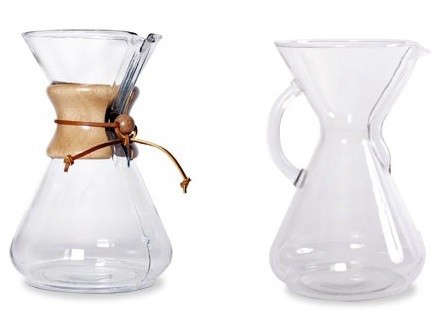

The Chemex Filter Drip Coffee Maker is what happens when a chemistry lab, a design museum, and a very picky coffee drinker walk into a kitchen together. It is simple, elegant, slightly dramatic, and somehow still better dressed than most appliances on your counter. With its hourglass glass body, wooden collar, leather tie, and thick paper filters, the Chemex has become one of the most recognizable pour-over coffee makers in the world.
But this brewer is not just a pretty vase pretending to be useful. The Chemex is loved because it makes coffee that tastes clean, bright, aromatic, and balanced. It removes much of the sediment and heavier oils that can make coffee taste muddy, while still allowing the best flavors of the beans to shine. If your regular drip coffee sometimes tastes like it was brewed during a thunderstorm in a cardboard box, the Chemex may feel like opening a window.
This guide explains what the Chemex is, how it works, why its filters matter, how to brew with it, who should buy one, and what real-world experience feels like after living with this classic coffee maker. Consider this your friendly, highly caffeinated tour through one of the most iconic manual coffee brewers ever made.
What Is a Chemex Filter Drip Coffee Maker?
The Chemex is a manual pour-over coffee maker invented in 1941 by chemist Peter Schlumbohm. Its design is famously minimal: one piece of heat-resistant glass shaped like an hourglass, usually fitted with a polished wooden collar and a leather tie so you can pour without roasting your fingers. It looks delicate, but the idea behind it is practical. The top holds the filter and coffee grounds; the lower chamber collects the brewed coffee.
Unlike an automatic drip coffee machine, the Chemex gives you full control over the brewing process. You decide the grind size, water temperature, pouring speed, bloom time, and coffee-to-water ratio. That control can sound intimidating at first, but it is also the reason many coffee lovers enjoy using it. You are not simply pressing a button; you are building a cup.
The Chemex is especially popular among people who enjoy light and medium roast coffees, single-origin beans, floral notes, citrus flavors, and a smooth finish. It tends to produce a lighter-bodied cup than a French press, but with more clarity and elegance. Think of French press as a bass guitar and Chemex as a violin. Both are music. One just wears a tuxedo.
Why the Chemex Filter Is the Real Star
The Chemex brewer gets the attention, but the filter does much of the magic. Chemex Bonded Filters are thicker than many standard paper coffee filters, which changes the final cup in a noticeable way. The dense paper catches fine coffee particles and traps more oils, resulting in a brew that tastes cleaner and smoother.
This is why Chemex coffee often has a polished flavor. It can highlight delicate tasting notes like berry, honey, citrus, jasmine, chocolate, toasted almond, or stone fruit without letting bitterness dominate. If you have ever bought fancy beans and then wondered why your home coffee tasted like “generic brown liquid,” the filter may be part of the answer.
The thicker paper also slows down the drawdown, which means the water stays in contact with the coffee grounds long enough to extract flavor properly. However, that also means grind size matters. Too fine, and the brew can stall like a Monday morning laptop update. Too coarse, and the coffee may taste thin and underdeveloped.
Chemex Design: A Coffee Maker That Belongs in a Museum
One reason the Chemex has remained popular for decades is that it does not look like a typical kitchen gadget. It looks like someone designed it with both science and dinner parties in mind. The hourglass shape is graceful, the glass body shows off the brewing process, and the wooden collar gives warmth to an otherwise laboratory-like object.
The Chemex has been recognized by major design institutions, and it continues to appear in homes, cafés, films, offices, and carefully staged kitchen photos where every cutting board is suspiciously clean. Its beauty is not just decoration. The narrow waist gives you a natural place to grip the brewer, while the glass carafe lets you brew and serve from the same vessel.
There are several versions, including the Classic Series with the wooden collar, glass-handle models, handblown models, and different sizes such as 3-cup, 6-cup, 8-cup, and 10-cup brewers. For most homes, the 6-cup Chemex is the sweet spot. It can brew enough coffee for one generous drinker or two to three normal people who do not treat caffeine as a personality trait.
How Chemex Coffee Tastes Compared With Other Brewing Methods
Chemex vs. Automatic Drip Coffee
An automatic drip coffee maker is convenient, especially when your brain is still buffering before sunrise. However, many basic machines do not heat water evenly, saturate grounds consistently, or give you much control. The Chemex requires more attention, but it rewards you with a cleaner and more intentional cup.
With a Chemex, you can adjust the grind, pouring pattern, and ratio until your coffee tastes exactly how you like it. This makes it ideal for people who enjoy experimenting. Automatic drip coffee is easier; Chemex coffee is more personal.
Chemex vs. French Press
A French press uses immersion brewing and a metal filter, so it allows more oils and fine particles into the cup. This creates a heavier body and richer texture. Some people love that full, bold style. Others find it gritty or muddy.
The Chemex goes in the opposite direction. Its paper filter produces a cleaner, lighter-bodied cup with less sediment. If French press coffee is cozy and rustic, Chemex coffee is crisp and refined. Neither is “better” for everyone. It depends on whether you want a velvet armchair or a clean white linen shirt.
Chemex vs. Hario V60
The Hario V60 is another popular pour-over brewer, but it is usually better for single cups and more technique-sensitive. The Chemex is often preferred for brewing multiple cups and for producing a consistently clean profile. The V60 can offer intense clarity and precision, while the Chemex tends to feel smoother and more forgiving, especially when brewing for guests.
How to Brew Coffee With a Chemex
A great Chemex brew does not require wizard robes, but it does help to use a few basic tools: fresh coffee beans, Chemex filters, a burr grinder, a gooseneck kettle, a scale, filtered water, and a timer. You can technically brew without all of these, but a scale and grinder make a huge difference. Coffee is chemistry wearing pajamas.
Recommended Chemex Recipe
Start with a simple ratio: 1 gram of coffee to 15 or 16 grams of water. For a 6-cup Chemex, a common recipe is 40 to 42 grams of coffee and about 640 to 700 grams of water. Adjust from there based on taste. If the coffee is too strong, use more water or less coffee. If it is too weak, use more coffee or grind slightly finer.
Step-by-Step Brewing Method
- Heat the water. Aim for hot water just off the boil, roughly 195°F to 205°F for most coffees.
- Place the filter correctly. Put the thicker, three-layered side of the filter against the pouring spout. This helps prevent collapse and keeps airflow open.
- Rinse the filter. Pour hot water through the paper filter to remove papery taste and preheat the glass. Discard the rinse water.
- Add coffee. Use a medium-coarse grind, similar to coarse sea salt or kosher salt. Level the bed gently.
- Bloom the coffee. Pour enough water to fully saturate the grounds, usually about two to three times the coffee weight. Wait 30 to 45 seconds.
- Continue pouring slowly. Use steady circular pours, avoiding the very edge of the filter. Keep the coffee bed evenly saturated.
- Let it drain. The total brew time often lands around 3.5 to 5 minutes, depending on dose, grind, and filter.
- Remove the filter and serve. Swirl the Chemex gently to mix the brew, then pour and enjoy.
The best sign of success is taste. If the coffee tastes sour, sharp, or watery, it may be under-extracted. Try grinding a little finer, pouring more slowly, or using hotter water. If it tastes bitter, dry, or harsh, it may be over-extracted. Try grinding slightly coarser or shortening the brew time.
Best Coffee Beans for a Chemex
The Chemex shines with coffees that have delicate or layered flavor profiles. Light and medium roasts are excellent choices because the brewer’s clarity helps reveal the bean’s natural character. Ethiopian coffees can taste floral and tea-like. Colombian coffees may show caramel, citrus, or red fruit. Guatemalan beans often bring chocolate, spice, and nuttiness. Kenyan coffees can be bright, juicy, and complex.
That does not mean dark roasts are forbidden. A dark roast can still taste smooth in a Chemex, especially if you prefer chocolatey or smoky notes. However, because the Chemex filters out oils and sediment, dark roasts may feel lighter than they do in a French press or moka pot.
Freshness matters more than fancy packaging. Buy whole beans, grind right before brewing, and store them in an airtight container away from heat, light, and moisture. Coffee beans do not enjoy living next to the stove. Frankly, neither would you.
Common Chemex Mistakes and How to Fix Them
Mistake 1: Skipping the Filter Rinse
Because Chemex filters are thick, rinsing them is important. A dry paper filter can add a papery flavor to your coffee. Rinsing also warms the glass, helping the brew stay at a more stable temperature.
Mistake 2: Grinding Too Fine
A fine grind can clog the filter and create a slow, bitter brew. If your Chemex takes forever to drain, go coarser. The filter should not look like it is holding a tiny coffee swamp hostage.
Mistake 3: Pouring Too Aggressively
Fast, careless pouring can create channels in the coffee bed, causing uneven extraction. Use a steady, controlled pour. You do not need to be a barista champion, but try not to attack the grounds like you are watering a houseplant you forgot for three weeks.
Mistake 4: Using Old Coffee
The Chemex is honest. If your beans are stale, it will not hide the problem. Use freshly roasted whole beans and grind them just before brewing. Your taste buds will notice.
Mistake 5: Leaving Coffee on the Grounds Too Long
Once the brew is finished, remove the filter. Letting coffee continue to drip slowly from an exhausted bed can add bitterness. When the main flow is done, say goodbye. Coffee has boundaries too.
Is the Chemex Easy to Clean?
Cleanup is one of the Chemex’s underrated strengths. After brewing, you lift out the filter with the spent grounds and discard or compost it if appropriate. Then rinse the glass carafe with warm water. For deeper cleaning, use mild soap and a bottle brush. Some Chemex models can go in the dishwasher after removing the wooden collar, though many owners prefer handwashing to protect the glass and wood.
Over time, coffee oils can leave a light residue inside the glass. A gentle cleaning solution or coffee equipment cleaner can help restore clarity. Avoid harsh scrubbing tools that may scratch the glass. The Chemex is elegant, not invincible.
Who Should Buy a Chemex Filter Drip Coffee Maker?
The Chemex is ideal for coffee drinkers who enjoy the brewing ritual and want a clean, flavorful cup. It is especially good for people who brew two or more cups at once, appreciate beautiful kitchen design, and like experimenting with beans and ratios.
It may not be the best choice if you want coffee instantly, brew only one small cup every morning, or dislike buying proprietary filters. It also requires a little patience. If your ideal coffee routine is “press button, leave room, return to caffeine,” an automatic drip machine may fit your lifestyle better.
However, for people who enjoy slowing down and making coffee intentionally, the Chemex can become a daily pleasure. It turns brewing into a small ritual: heat, rinse, grind, bloom, pour, wait, sip. It is not fast food coffee. It is coffee with a tiny ceremony.
Practical Buying Tips
For most households, the 6-cup Chemex Classic is the most versatile size. It is large enough for sharing but not too bulky for daily use. The 3-cup model is better for solo drinkers, but it requires different filters than many larger Chemex models. The 8-cup and 10-cup models are useful for families, offices, or anyone whose brunch guests multiply mysteriously.
Always check filter compatibility before buying. Chemex filters come in different shapes, including pre-folded squares, pre-folded circles, and half-moon filters for smaller brewers. Using the wrong filter can lead to awkward folding, poor fit, and a brewing experience that feels like assembling furniture without the instructions.
If you are building a Chemex setup from scratch, prioritize a burr grinder before buying fancy accessories. A consistent grind improves flavor more than almost anything else. A gooseneck kettle is also helpful because it gives better pouring control, but you can start with a regular kettle if you pour carefully.
of Real-World Chemex Experience
Living with a Chemex is a little like adopting a beautiful, well-mannered pet that occasionally demands precision. The first thing you notice is how much it changes the mood of making coffee. With an automatic machine, coffee happens in the background. With a Chemex, coffee becomes the foreground. You stand there, kettle in hand, watching the grounds bloom like they just remembered they had a personality.
The first few brews may not be perfect. Maybe the coffee drains too slowly. Maybe it tastes a little thin. Maybe you forget to dump the rinse water and accidentally brew into hot paper water, which is a rite of passage no one puts on Instagram. But after a few attempts, the process becomes surprisingly natural. Fold the filter, rinse it, grind the beans, pour the bloom, then continue in slow circles. It feels less like a chore and more like a quiet morning habit.
One of the best experiences with a Chemex is brewing for guests. Unlike single-cup drippers, the Chemex can make several servings at once, and it looks good on the table. People notice it. Someone will usually ask, “Is that the coffee maker?” and you get to say yes with the calm confidence of a person who owns at least one object from the design-gift universe. Then you pour the coffee, and the room gets very quiet for the first sip.
The flavor difference is also easy to appreciate. Coffees that taste heavy or flat in a basic drip machine can become brighter and more defined in a Chemex. A washed Ethiopian coffee may suddenly show lemon, tea, and flowers. A Colombian roast may taste rounder, with caramel and orange notes. Even everyday beans can feel cleaner. The Chemex does not magically turn bargain coffee into championship coffee, but it does give decent beans a better stage.
There are some small annoyances. The filters are not as universal as standard basket filters, so running out can ruin a morning plan. The glass can lose heat faster than a thermal carafe. The brewer also needs hand attention, which is charming on a slow Sunday and slightly less charming when you are late for school, work, or life in general. Still, these trade-offs are part of the experience. The Chemex asks you to participate.
Over time, the best part of the Chemex may be consistency. Once you find your preferred recipe, it becomes easy to repeat. For example, 40 grams of medium-coarse coffee with 640 grams of water can become your dependable weekend brew. Want more body? Grind a touch finer. Want more brightness? Try a lighter roast. Want less bitterness? Pour more gently and stop overcooking your coffee like it owes you money.
The Chemex Filter Drip Coffee Maker is not just about caffeine. It is about making something simple with care. It rewards attention, but it does not require obsession. You can be precise without becoming the kind of person who says “extraction yield” at parties. And when everything comes togetherthe aroma, the slow pour, the clear amber coffee in the glassit feels like a small daily luxury that happens to fit on your kitchen counter.
Conclusion: Is the Chemex Worth It?
The Chemex Filter Drip Coffee Maker remains popular because it delivers what many coffee lovers actually want: clean flavor, beautiful design, simple materials, and a brewing process that feels satisfying instead of robotic. It is not the fastest way to make coffee, and it is not the most effortless. But it is one of the most rewarding manual brewers for people who enjoy clarity, control, and a little morning theater.
If you want bold, heavy, oily coffee, you may prefer a French press. If you want one quick cup, a smaller dripper may be more practical. But if you want smooth pour-over coffee for yourself or a small group, the Chemex is a classic for good reason. It makes your coffee taste cleaner, your kitchen look smarter, and your morning feel slightly more civilizedeven if you are still wearing mismatched socks.


