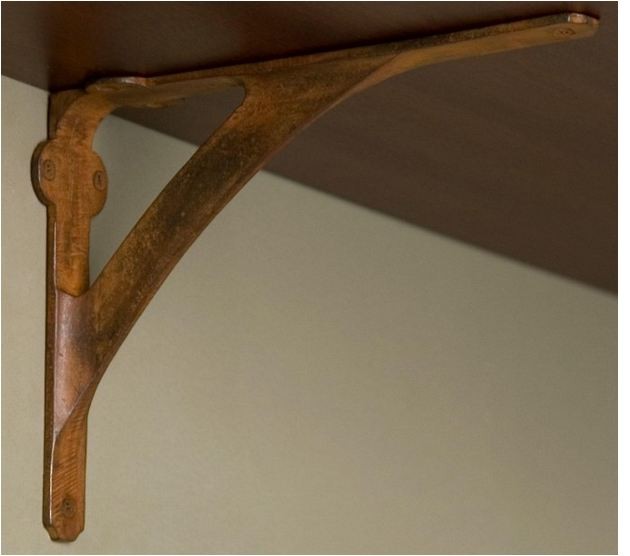

A classic iron shelf bracket may look like a small piece of hardware, but do not be fooled by its modest size. This little L-shaped hero is the quiet muscle behind open kitchen shelves, farmhouse coffee bars, bathroom storage, book nooks, mudroom drop zones, and that one “I just need a place for my keys” shelf near the front door. It holds weight, adds character, and makes a plain board look like it was planned by someone who owns both a tape measure and good taste.
In a world full of invisible floating shelves and ultra-minimal hardware, the classic iron shelf bracket still has a loyal fan base. Why? Because it does two jobs at once: it supports the shelf and becomes part of the design. Whether you choose cast iron, wrought iron, black powder-coated steel, or an antique-style decorative bracket, iron brackets bring a grounded, timeless look that works with rustic, industrial, farmhouse, traditional, cottage, and even modern interiors.
This guide breaks down what makes a classic iron shelf bracket worth buying, how to choose the right size, where to use it, how to install it safely, and how to style it without making your wall look like a hardware aisle had a dramatic afternoon.
What Is a Classic Iron Shelf Bracket?
A classic iron shelf bracket is a wall-mounted support used to hold a shelf board. It usually has a vertical arm that attaches to the wall and a horizontal arm that supports the underside of the shelf. Some designs are simple and angular, while others include scrollwork, arches, ribs, leaves, curves, or Victorian-inspired patterns.
The word “classic” matters here. This is not a bracket trying to disappear. It is designed to be seen. A classic iron shelf bracket often has a traditional silhouette, a sturdy metal profile, and a finish such as matte black, oil-rubbed bronze, antique iron, pewter, or raw metal. It can feel old-world, industrial, farmhouse, or refined depending on the shelf material and surrounding decor.
Why Iron Shelf Brackets Remain Popular
They Add Instant Character
A plain wood shelf can look nice. Add iron brackets underneath, and suddenly it looks intentional. The bracket frames the shelf visually and creates contrast between warm wood and cool metal. This combination is especially popular in kitchens, home offices, laundry rooms, and living rooms because it adds texture without taking over the entire wall.
They Are Strong When Installed Correctly
Iron and steel brackets are favored because they can provide dependable support when paired with the right fasteners and installed into wall studs or properly rated anchors. The exact weight capacity depends on the bracket size, metal thickness, shelf depth, fastener type, wall material, and installation quality. In simple terms: the bracket matters, but the wall behind it matters just as much.
They Work With Many Design Styles
Classic iron brackets are unusually flexible. A scroll-style cast iron shelf bracket can look charming in a cottage kitchen. A straight black iron bracket can feel sleek in an industrial loft. A heavy-duty bracket with visible bolts can work in a garage, pantry, or workshop. This is why iron shelf brackets have stayed relevant even as home design trends keep changing outfits like they are late for fashion week.
Cast Iron vs. Wrought Iron vs. Steel Brackets
Shoppers often use “iron bracket” as a general phrase, but there are a few common material categories.
Cast Iron Shelf Brackets
Cast iron brackets are made by pouring molten metal into molds. This process allows for decorative patterns, raised details, and antique-inspired shapes. Cast iron shelf brackets are often chosen for traditional, vintage, Victorian, farmhouse, and rustic spaces. They feel solid and substantial, and they are especially attractive when the bracket itself is part of the decor.
Wrought Iron Shelf Brackets
Wrought iron has a hand-forged reputation and is often associated with artisan-style curves, scrolls, and hammered details. True wrought iron is less common in mass-market products today, but many decorative iron brackets are marketed in a wrought-iron style because they capture that handcrafted look.
Steel Shelf Brackets
Steel brackets are common for heavy-duty and modern shelving. They may be powder-coated black, painted, plated, or left with a raw industrial finish. If you want a clean bracket with high strength and less ornamentation, steel is often a practical choice.
How to Choose the Right Classic Iron Shelf Bracket
Match Bracket Depth to Shelf Depth
The horizontal arm of the bracket should support most of the shelf depth. A common rule of thumb is to choose a bracket that is at least two-thirds the depth of the shelf. For example, if your shelf is 12 inches deep, a bracket with an 8-inch support arm is usually a sensible starting point. For heavier items, deeper shelves, or high-use areas, a longer bracket arm may provide better stability.
Think About What the Shelf Will Hold
A shelf holding framed photos and a tiny succulent named Kevin is very different from a shelf holding cookbooks, ceramic dishes, cast iron pans, or a row of glass jars. Before buying brackets, estimate the total load: shelf weight plus everything you plan to place on it. Then check the manufacturer’s load rating and installation recommendations.
Use More Brackets for Longer Shelves
For short shelves, two brackets are often enough. For longer shelves, especially anything over 36 inches, a center bracket may help prevent sagging and improve stability. Light to medium shelves are commonly supported with brackets spaced no more than about 24 inches apart, while heavier shelves may require closer spacing and larger brackets.
Choose the Finish Carefully
Matte black is the most versatile finish for a classic iron shelf bracket. It pairs beautifully with natural wood, white walls, marble, butcher block, and subway tile. Oil-rubbed bronze feels warmer and more traditional. Antique iron or pewter finishes add a vintage mood. Raw metal has an industrial personality but may need protective care, especially in humid rooms.
Consider the Shelf Board
The shelf board should match the bracket’s strength and style. Thick pine, oak, walnut, maple, acacia, and reclaimed wood look especially good with iron brackets. For a classic look, try a 1-inch to 2-inch thick board. Thin shelves can work, but if the bracket is chunky and the board is flimsy, the shelf may look visually unbalanced.
Best Places to Use Classic Iron Shelf Brackets
Kitchen Open Shelving
Iron shelf brackets are a natural fit for kitchen shelves because they add structure and charm. Use them to display everyday plates, mugs, spice jars, cookbooks, or mixing bowls. For a farmhouse kitchen, pair black iron brackets with warm wood shelves. For a modern kitchen, use simple straight brackets with white oak or painted shelves.
Bathroom Storage
Bathrooms benefit from wall-mounted shelves because floor space is often limited. Classic iron brackets can hold shelves for folded towels, candles, baskets, apothecary jars, and plants that enjoy humidity. Choose a rust-resistant finish or seal the bracket if the room gets steamy.
Living Room Display Shelves
In living rooms, iron bracket shelves are perfect for books, pottery, framed art, trailing plants, and collected objects. The bracket becomes part of the styling, so choose a design that matches the room. Scroll brackets feel cozy and traditional; flat black brackets feel cleaner and more contemporary.
Home Office Shelving
A classic iron shelf bracket can make office storage feel less boring. Use shelves for binders, notebooks, boxes, small printers, or decor. For heavy books, choose larger heavy-duty brackets and mount them into studs whenever possible.
Entryway and Mudroom Shelves
Entryways need practical storage that still looks polished. A shelf supported by iron brackets can hold keys, mail, sunglasses, and baskets. Add hooks below the shelf for bags or jackets, and suddenly the chaos has a job description.
Installation Tips for a Stronger Shelf
Find the Wall Studs First
Studs are the wooden framing members behind drywall, commonly spaced 16 or 24 inches apart in many U.S. homes. Attaching brackets directly into studs gives shelves better support than relying only on drywall. Use a stud finder, confirm with small pilot holes if needed, and mark your stud locations before drilling.
Use a Level Before You Commit
Few things humble a DIY project faster than a shelf that slopes like a ski jump. Mark your bracket locations with a pencil, place a level across the marks, and double-check everything before drilling. If installing multiple shelves, measure the spacing between them so the layout looks intentional.
Pre-Drill Pilot Holes
Pilot holes help prevent wood from splitting and make screws easier to drive accurately. They also reduce the chance of shifting the bracket out of position while fastening it to the wall.
Use the Right Fasteners
Screws should be long enough to bite securely into studs or properly rated anchors. Avoid using small decorative screws for structural support unless the manufacturer specifically provides them for that purpose. If the shelf will hold heavy items, choose hardware rated for the job.
Secure the Shelf to the Brackets
Many brackets include holes in the horizontal arm so you can screw upward into the shelf board. This prevents the shelf from sliding forward, tipping, or wobbling. It is a small step that makes the finished shelf feel much more professional.
Common Mistakes to Avoid
Choosing Brackets That Are Too Small
Tiny brackets under a deep shelf may look delicate, but they can create leverage problems. The deeper the shelf, the more force is placed on the bracket and wall fasteners. When in doubt, size up.
Ignoring the Weight of the Shelf Itself
A thick hardwood shelf can be heavy before you place anything on it. Always include the shelf’s own weight in your planning. That gorgeous reclaimed beam may look rustic and heroic, but it is not made of clouds.
Mounting Heavy Shelves Only Into Drywall
Drywall anchors can be useful for light-duty shelves, but heavy shelves should be attached to studs whenever possible. If the layout does not line up with studs, consider adding blocking, using a mounting board, or choosing anchors specifically rated for the wall type and load.
Forgetting About Shelf Sag
Long wood shelves can sag over time, especially when loaded with books or dishes. Use a thicker board, add more brackets, reduce bracket spacing, or choose a stiffer wood species to help prevent sagging.
Design Ideas for Classic Iron Shelf Brackets
Rustic Farmhouse Kitchen
Use matte black iron brackets with natural pine or oak shelves. Add white dishes, woven baskets, glass jars, and a small herb pot. The result feels warm, functional, and slightly “fresh bread lives here,” even if dinner is frozen pizza.
Industrial Coffee Bar
Pair straight iron brackets with dark-stained wood shelves. Display mugs, coffee beans, a French press, and metal canisters. This look works well with subway tile, brick, concrete, or deep green walls.
Vintage Bathroom Shelf
Choose ornate cast iron brackets with a painted or antique finish. Add rolled towels, amber bottles, a framed print, and a small fern. It creates storage with personality instead of another plastic organizer quietly giving up in the corner.
Classic Reading Nook
Install two or three shelves with decorative iron brackets beside a chair. Use them for books, a reading lamp, and collected objects. The visible brackets give the nook a built-in feeling without requiring custom cabinetry.
Care and Maintenance
Classic iron shelf brackets are low-maintenance, but they still appreciate a little attention. Dust them regularly with a soft cloth. In kitchens, wipe away grease buildup with a damp cloth and mild soap, then dry thoroughly. In bathrooms, keep moisture from sitting on the metal for long periods. If you notice scratches on a painted or powder-coated finish, touch them up before rust has a chance to move in and unpack.
For raw iron or unfinished metal, consider applying a protective wax, clear coat, or rust-inhibiting finish depending on the look you want. Always follow the manufacturer’s care instructions, especially for specialty finishes.
Buying Checklist
- Measure shelf depth and choose a bracket with enough horizontal support.
- Estimate total weight, including the shelf and objects.
- Check the bracket’s listed load capacity and installation requirements.
- Confirm whether brackets are sold individually or in pairs.
- Choose a finish that matches nearby hardware, lighting, or fixtures.
- Buy proper screws, anchors, or lag fasteners for your wall type.
- Use enough brackets to prevent sagging on longer shelves.
Real-World Experience: Living With Classic Iron Shelf Brackets
The first thing you notice after installing a classic iron shelf bracket is that the shelf suddenly looks finished. Before the brackets go up, a board is just a board. Maybe it is a nice board, maybe it has a rich stain, maybe you proudly sanded it while pretending to know what “220 grit” meant. But once the iron brackets are mounted, the shelf feels like a real design feature. It has rhythm, weight, and purpose.
In a kitchen, the experience is especially satisfying. Open shelves supported by iron brackets make everyday items easier to reach. Coffee mugs stop hiding in the cabinet. Plates become part of the decor. Glass jars full of pasta, rice, or cookies look charming instead of suspiciously ambitious. The key is not to overload the shelf visually. Iron brackets already bring strong lines, so the objects on the shelf should have breathing room. A row of white dishes, a wooden cutting board, and a small plant can look better than twenty-seven mismatched items having a storage meeting.
In a home office, classic iron shelf brackets create a different kind of value. They make storage feel sturdy and permanent. Books, binders, and boxes can get heavy quickly, so this is where installation quality becomes more than a technical detail. When brackets are fastened into studs and the shelf is secured underneath, the whole setup feels trustworthy. There is a quiet confidence in placing a stack of books on a shelf and not immediately wondering whether gravity is about to file a complaint.
Bathrooms teach another lesson: finish matters. A black iron bracket can look beautiful against white tile or painted walls, but moisture is not always kind to metal. If the bathroom has poor ventilation, choose a protected finish and keep the brackets dry when possible. A quick wipe after steamy showers can help preserve the look. It is not glamorous maintenance, but neither is discovering rust behind your hand towels.
The most common surprise is how much the bracket style changes the room. A simple flat iron bracket feels clean and architectural. A scroll bracket feels softer and more decorative. A thick industrial bracket feels bold and workshop-ready. The same shelf board can look farmhouse, modern, vintage, or rugged depending only on the bracket underneath it. That makes classic iron shelf brackets a smart upgrade when you want visible impact without replacing furniture, repainting the room, or having a serious conversation with your budget.
After living with iron bracket shelves, the best advice is simple: plan for real life. Do not install a shallow shelf where you need deep storage. Do not use delicate brackets where heavy books are the plan. Do not skip the level because “eyeballing it” has betrayed many confident people. And do not be afraid to let the bracket show. The charm of a classic iron shelf bracket is that it is both practical and decorative. It is not hiding behind the shelf, whispering, “Please ignore me.” It is part of the reason the shelf looks good.
Conclusion
A classic iron shelf bracket is one of those rare home details that combines beauty, strength, and usefulness without making a room feel overdesigned. It can support kitchen shelves, bathroom storage, office books, living room displays, and entryway catchalls while adding a timeless metal accent. The best results come from choosing the right size, matching the bracket to the shelf depth, planning for weight, fastening into studs whenever possible, and selecting a finish that fits the room.
Whether your style leans farmhouse, industrial, rustic, vintage, or traditional, iron brackets offer a dependable way to turn blank wall space into attractive storage. They are proof that hardware does not have to be boring. Sometimes, the little bracket under the shelf is the detail that makes the whole room feel more thoughtful.
Note: This article is original, publication-ready, and synthesized from current U.S. hardware, home-improvement, woodworking, and interior-design guidance. Source links are intentionally omitted per request.
SEO Tags


