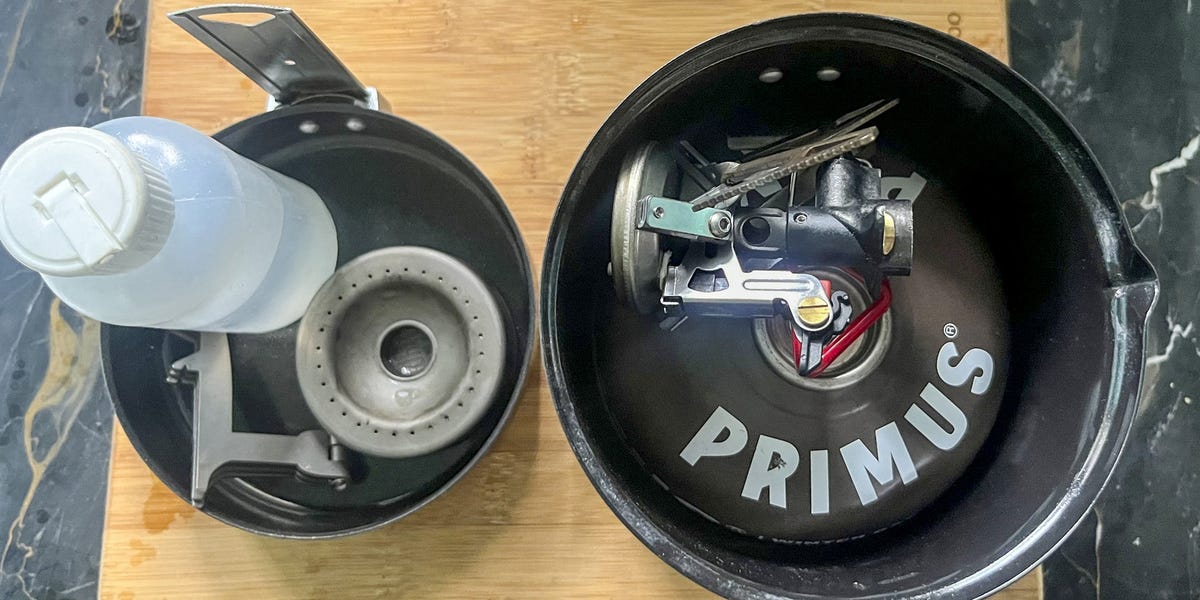

Backpacking food has a magical way of becoming gourmet the second you are tired, dusty, and sitting on a rock. Instant noodles? Fine dining. Coffee from a titanium mug? Mountain luxury. But none of that trail cuisine happens without a reliable backpacking stove. In 2023, the best backpacking stoves were lighter, faster, more fuel-efficient, and much less dramatic than the smoky campfires our ancestors probably bragged about.
This guide reviews eight of the best backpacking stoves for real trail use: quick overnight trips, long-distance hiking, windy alpine camps, budget adventures, and the sacred morning coffee ritual. The goal is not to crown one stove as perfect for every human with a backpack. The goal is to help you choose the right camping stove for your cooking style, pack weight, weather, and patience level.
How to Choose the Best Backpacking Stove
Before we get into the reviews, it helps to know what separates a great stove from a tiny metal disappointment. Most backpackers in 2023 chose between upright canister stoves, integrated stove systems, liquid-fuel stoves, and ultralight minimalist burners.
Weight and Packability
If you are counting ounces, a small canister stove such as the BRS 3000T, Snow Peak LiteMax, or MSR PocketRocket 2 makes sense. These burners can fit inside a mug and barely take up room. Integrated systems like the Jetboil Flash and MSR WindBurner are heavier, but they combine burner, pot, heat exchanger, and cozy into one efficient package.
Boil Speed and Fuel Efficiency
Fast boil times matter when you are cold, hungry, or being emotionally bullied by mosquitoes. However, speed is only part of the story. A stove that burns fuel efficiently can save weight on longer trips because you may carry fewer canisters. Integrated systems usually shine here, especially when boiling water for dehydrated meals.
Wind Performance
Wind is the villain in many stove reviews. A stove may boil water beautifully on a calm picnic table and then act like a nervous candle on a breezy ridge. Stoves with pressure regulators, recessed burners, or integrated wind-resistant designs are better choices for exposed campsites.
Cooking Style
If your backcountry menu is “boil water, pour into pouch, wait, eat,” almost any reliable canister stove will work. If you like simmering rice, frying trout, or making actual meals, look for better flame control, wider pot supports, and stability.
8 Best Backpacking Stoves 2023
1. MSR PocketRocket 2 – Best Overall Backpacking Stove
The MSR PocketRocket 2 became a classic for a reason: it is light, compact, simple, and dependable. At about 2.6 ounces, it is easy to justify even on ultralight trips. It screws directly onto a standard isobutane-propane fuel canister and boils water quickly enough for most solo hikers and weekend backpackers.
Its biggest strength is balance. It is not the absolute lightest stove, not the most windproof, and not the fanciest. But it does almost everything well. The folding pot supports are sturdy for a stove this small, the flame adjustment is smooth enough for basic cooking, and the design is refreshingly straightforward. There is no complicated setup, no priming, and no tiny engineering puzzle to solve while your hands are cold.
Best for: backpackers who want one reliable stove for most three-season trips.
Pros: lightweight, durable, compact, fast boiling, easy to use.
Cons: no built-in igniter, not ideal in strong wind without careful site selection.
2. SOTO WindMaster – Best Stove for Windy Conditions
The SOTO WindMaster is one of the most respected canister stoves for hikers who camp above treeline, near lakes, or anywhere the breeze seems personally offended by dinner. Its burner sits close to the pot, and its micro-regulator helps maintain performance when conditions are cooler or the fuel canister is no longer full.
The WindMaster is still lightweight, but its real value is confidence. It handles gusty conditions better than many tiny upright canister stoves, and it offers excellent simmer control for backpackers who cook more than just water. Pair it with a stable pot and you have a serious little kitchen.
The detachable pot support system may feel slightly fiddlier than the simplest stoves, but the performance tradeoff is worth it for many hikers. This is a smart choice for mountain trails, shoulder-season trips, and anyone tired of watching their stove flame dance like it joined a wind orchestra.
Best for: windy camps, exposed terrain, and hikers who value efficiency.
Pros: strong wind performance, good simmer control, lightweight, efficient.
Cons: costs more than basic canister stoves, pot supports require attention.
3. Jetboil Flash – Best Fast-Boil Stove System
The Jetboil Flash is the sports car of boiling water. It is built around one mission: heat water quickly and efficiently. The integrated one-liter pot, FluxRing-style heat exchanger, insulated cozy, and push-start ignition make it extremely convenient for dehydrated meals, instant coffee, oatmeal, and hot drinks.
For hikers who mostly boil water, the Flash is hard to beat. It packs neatly, lights easily, and includes a heat indicator that changes color as the water warms. That little feature is not strictly necessary, but it is oddly satisfying, like your stove is giving you a progress bar.
The main limitation is cooking flexibility. The Flash is not designed for serious simmering or wide-pan cooking. It is also heavier and bulkier than a tiny burner. But for fast meals in camp, especially for beginners, it is one of the easiest backpacking stove systems to love.
Best for: quick hot water, freeze-dried meals, and backpackers who want convenience.
Pros: very fast boiling, efficient, easy ignition, integrated design.
Cons: limited simmering, bulkier than minimalist stoves, mostly for boiling water.
4. MSR PocketRocket Deluxe – Best Premium Canister Stove
The MSR PocketRocket Deluxe takes the beloved PocketRocket idea and adds useful upgrades. It has a built-in piezo igniter, a pressure regulator, a broader burner head, and improved wind resistance. At roughly 2.9 ounces, it remains very light while offering more refined performance.
This is the stove for backpackers who like the PocketRocket 2 but want a little more comfort and consistency. The push-start ignition is handy, especially on cold mornings when digging for a lighter feels like a personal attack. The pressure regulator also helps the stove perform better as fuel pressure drops.
It costs more than the PocketRocket 2, so budget-conscious hikers may prefer the simpler model. But for frequent backpackers, the Deluxe version feels polished, powerful, and trail-ready.
Best for: hikers who want a lightweight stove with premium features.
Pros: built-in igniter, regulated performance, good flame control, compact.
Cons: pricier than basic canister stoves, still needs wind awareness.
5. Jetboil MiniMo – Best Backpacking Stove for Real Cooking
The Jetboil MiniMo is what happens when an integrated stove system decides it wants to be more than a water-boiling machine. It has a wider, shorter pot than the Flash, better simmer control, and a regulated burner. That makes it much friendlier for actual cooking.
The MiniMo is excellent for hikers who want to make soup, pasta, rice, oatmeal, or one-pot meals without scorching everything into a tragic campfire-flavored crust. Its pot shape is easier to eat from than tall, narrow systems, and the handles make it feel more like a real cooking vessel.
It is heavier than a small upright stove and still not as versatile as a full camp kitchen setup. But for solo hikers or pairs who like warm meals with a little variety, the MiniMo is one of the best backpacking stove systems available.
Best for: backpackers who want an integrated system with simmer control.
Pros: efficient, good for cooking, stable pot shape, regulated burner.
Cons: heavier than small burners, more expensive, less compact than ultralight options.
6. Snow Peak LiteMax – Best Ultralight Premium Stove
The Snow Peak LiteMax is a beautifully simple stove for hikers who appreciate elegant gear. Made with titanium and aluminum, it weighs around two ounces and folds down small enough to disappear inside many cook kits.
Unlike some ultralight stoves that feel like they were assembled from paperclips and hope, the LiteMax has a more refined build. Its pot supports fold cleanly, and its flame pattern is useful for small backpacking pots. It is a strong match for solo hikers who want a compact, durable, and minimalist stove without going to the absolute cheapest option.
Wind protection is limited compared with the SOTO WindMaster or integrated systems, so campsite selection still matters. But for fair-weather backpacking, fast coffee, and simple meals, the LiteMax is a sleek little performer.
Best for: solo hikers who want a high-quality ultralight stove.
Pros: very light, compact, premium materials, simple operation.
Cons: limited wind protection, not ideal for large pots or group cooking.
7. BRS 3000T – Best Budget Ultralight Stove
The BRS 3000T is famous because it is tiny, featherlight, and surprisingly affordable. Weighing under an ounce in many listed configurations, it has become popular with ultralight backpackers who want to shave every gram possible.
This stove is best understood as a specialist tool. In calm conditions with a small pot and careful use, it can boil water effectively. It is great for minimalists who mostly rehydrate meals and do not want to spend much money. It is also so small that losing it in your pack is a real possibility, which is both impressive and mildly annoying.
The tradeoffs are stability, durability, and wind performance. It is not the stove to choose for big pots, harsh conditions, or careless handling. But for the price and weight, it has earned its place in many lightweight cook kits.
Best for: budget ultralight hikers and simple boil-only meals.
Pros: extremely light, very affordable, tiny packed size.
Cons: less stable, weaker in wind, not as durable as premium stoves.
8. MSR WindBurner – Best Stove for Bad Weather
The MSR WindBurner is the stove you bring when the forecast looks rude. It is an integrated stove system designed for wind resistance and fuel efficiency, using a radiant burner and enclosed design that performs well in challenging weather.
This is not the lightest choice on the list. It is also not the cheapest. But when conditions are cold, windy, or exposed, the WindBurner feels reassuring. It is especially useful for alpine trips, shoulder-season backpacking, and situations where hot water is not just a luxury but a morale-saving necessity.
Like the Jetboil Flash, it is strongest as a water-boiling system rather than a gourmet cooking platform. Still, for reliability in rough conditions, the WindBurner deserves serious attention.
Best for: windy, cold, or exposed backpacking trips.
Pros: excellent wind resistance, efficient, integrated design, dependable in rough weather.
Cons: heavier, expensive, limited simmering flexibility.
Backpacking Stove Comparison: Which One Should You Buy?
| Stove | Best Use | Main Strength | Main Tradeoff |
|---|---|---|---|
| MSR PocketRocket 2 | General backpacking | Reliable all-around performance | No built-in igniter |
| SOTO WindMaster | Windy trips | Excellent wind performance | Higher price |
| Jetboil Flash | Fast boiling | Speed and convenience | Limited cooking flexibility |
| MSR PocketRocket Deluxe | Premium lightweight use | Ignition and regulated output | Costs more than basic models |
| Jetboil MiniMo | Cooking real meals | Simmer control | Heavier than tiny burners |
| Snow Peak LiteMax | Ultralight solo trips | Premium low weight | Needs wind protection |
| BRS 3000T | Budget ultralight hiking | Incredibly light and cheap | Less stable and less durable |
| MSR WindBurner | Bad weather | Wind resistance | Heavy and expensive |
Canister Stove vs Integrated Stove System
A standard upright canister stove is usually the best choice for hikers who want low weight, flexibility, and simplicity. It works with separate pots and allows you to build your own cook kit. This is ideal for solo hikers, experienced backpackers, and people who like customizing gear.
An integrated stove system is better if convenience and fuel efficiency matter more than minimal weight. Jetboil and MSR systems are excellent for boiling water fast and protecting heat from wind. They are popular with beginners, cold-weather hikers, and anyone who mainly eats dehydrated meals.
Safety Tips for Backpacking Stoves
Always cook outside your tent unless you enjoy combining dinner with a potential emergency. Use stoves on flat, stable ground, and keep fuel canisters away from direct flames. If using a tall pot on a canister stove, consider a fuel canister stand for better stability. In dry areas, check fire regulations before your trip, because some regions restrict alcohol stoves, wood stoves, or open flames during fire season.
Carry a backup lighter even if your stove has a built-in igniter. Piezo igniters are convenient, but they are not magic. They can fail, especially after enough trail abuse. A small lighter weighs almost nothing and may save breakfast, which is basically saving civilization.
Real Trail Experience: What Backpacking Stoves Teach You After a Few Trips
After a few backpacking trips, you learn that stove reviews are helpful, but the trail has its own opinion. A stove that seems perfect at home may feel different when you are crouched behind a boulder at sunset, trying to boil water while your hiking partner asks, “Is it ready yet?” every thirty seconds.
The first lesson is that wind matters more than beginners expect. Even a light breeze can stretch boil times and waste fuel. A simple wind-aware cooking spot can make a basic stove perform much better. Look for natural protection behind rocks, logs, or low terrain, but do not fully enclose a canister stove with a tight windscreen because trapped heat can overheat the fuel canister. Good stove use is a mix of efficiency and common sense.
The second lesson is that stability matters when you are tired. At home, every pot feels stable because your kitchen counter is flat and nobody is wearing trail runners in the dirt. In the backcountry, a narrow canister stove with a tall pot can feel wobbly. A canister stand is a small upgrade that can prevent a heartbreaking pasta spill. Few outdoor tragedies are as dramatic as watching dinner tip into pine needles.
The third lesson is that your cooking style should choose your stove, not the other way around. If you eat freeze-dried meals, drink instant coffee, and want speed, an integrated system like the Jetboil Flash or MSR WindBurner makes life easy. If you enjoy simmering oatmeal, cooking noodles in a pot, or making simple one-pan meals, a stove with better flame control like the SOTO WindMaster, MSR PocketRocket Deluxe, or Jetboil MiniMo is more enjoyable.
The fourth lesson is that fuel planning is an art. New backpackers often carry too much fuel because running out sounds terrifying. Experienced hikers learn their stove, pot, meal routine, and conditions. Cold temperatures, wind, melting snow, and group cooking all increase fuel use. For a weekend solo trip in mild weather, one small canister may be plenty. For longer trips, colder weather, or two-person cooking, planning becomes more important.
The fifth lesson is that the best stove is the one you trust. Ultralight hikers may love the BRS 3000T because it practically disappears in a pack. Weekend campers may prefer the PocketRocket 2 because it is simple and dependable. Weather-focused hikers may gladly carry the heavier WindBurner because hot drinks in bad weather are worth every ounce. There is no single correct answer. There is only the stove that matches your trail life.
My practical advice: test your stove before the trip. Boil water in your backyard. Try your pot. Learn how the flame adjusts. Pack the stove, lighter, fuel, and spoon together so your kitchen does not become a scavenger hunt. A backpacking stove is small gear, but it has a big effect on comfort. At the end of a hard day, a hot meal can turn a cold campsite into a five-star wilderness restaurant, minus the chairs, walls, and waiter who refills your water.
Final Verdict
The best backpacking stove of 2023 depends on your priorities. For most hikers, the MSR PocketRocket 2 remains the safest overall recommendation because it is light, proven, compact, and affordable. For windy conditions, the SOTO WindMaster is outstanding. For pure boiling speed, the Jetboil Flash is wonderfully convenient. For better cooking, choose the Jetboil MiniMo or MSR PocketRocket Deluxe. For ultralight minimalism, the Snow Peak LiteMax and BRS 3000T are strong contenders. For difficult weather, the MSR WindBurner is the dependable heavyweight.
Whether you are making coffee at sunrise, ramen after a long climb, or oatmeal that somehow tastes better with trail dust nearby, the right backpacking stove makes camp life easier. Choose based on how you actually cook, where you hike, and how much weight you want to carry. Your future hungry self will approve.
Note: This article was written from synthesized real-world product specifications, outdoor gear testing patterns, and backpacking stove use cases. Always check current manufacturer details, fuel compatibility, and local fire rules before your trip.


