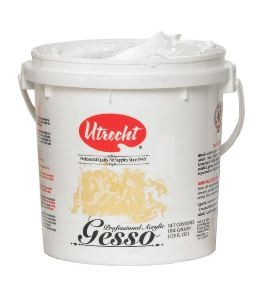

Every great painting starts before the first glamorous brushstroke. It begins with the surfacethe quiet, hardworking foundation that either helps your colors sing or lets them stumble around like they forgot their lines. That is where Utrecht Professional Acrylic Gesso earns its place on the studio table. It is not the flashiest art supply in the room, but it may be one of the most important.
Utrecht Professional Acrylic Gesso is a premium acrylic ground designed to prepare canvas, wood panels, hardboard, paper, and other porous surfaces for painting. Artists use it to create a bright, stable, slightly toothy surface that helps paint adhere beautifully. In plain studio language: it gives your artwork a better place to live.
Whether you paint in acrylics, oils, mixed media, or large-scale murals, the right gesso can change the feel of your work from “fighting the surface” to “oh, this is nice.” Utrecht’s professional formula is known for its thick body, high opacity, clean white finish, and strong covering power. It is especially useful when you want a reliable archival ground, a brighter painting surface, or a textured base that keeps brush marks instead of politely pretending they never happened.
What Is Utrecht Professional Acrylic Gesso?
Utrecht Professional Acrylic Gesso is a high-viscosity, acrylic-based primer used to seal and prepare painting surfaces. Modern acrylic gesso is not the same as traditional chalk-and-glue gesso used on rigid panels in older painting methods. Instead, it combines an acrylic polymer binder with white pigment and mineral fillers to create a flexible, durable surface suitable for contemporary painting.
The product is often described as a universal acrylic ground, which means it can be used under acrylic paint and, with proper application and drying time, under oil paint as well. It provides a barrier between the support and the paint layer while adding “tooth,” the subtle texture that allows paint to grip the surface. Without enough tooth, paint may slide around like a toddler in socks on a hardwood floor. With too much tooth, fine detail can feel scratchy. A good gesso finds the sweet spot.
Utrecht Professional Acrylic Gesso leans toward the serious studio side of the spectrum. It is thicker and more concentrated than many student-grade primers, making it suitable for artists who want strong coverage, a brilliant white base, and the option to build texture directly into the ground.
Why Artists Use Acrylic Gesso
Gesso serves several important purposes. First, it seals the surface. Raw canvas, wood, and paper can absorb paint unevenly, which may dull colors and make brushwork unpredictable. Second, it creates adhesion. Paint needs something to hold onto, especially if you are layering, glazing, scraping, sanding, or using palette knives. Third, it protects the support. Oil paint in particular should not sit directly on raw canvas fibers because oil can weaken fabric over time.
For acrylic painters, gesso helps create a consistent painting surface. For oil painters, multiple properly dried coats can create a protective acrylic ground. For mixed-media artists, it opens the door to graphite, charcoal, collage, acrylic washes, pastels, and textured underpaintings. In other words, gesso is the studio equivalent of a good breakfast: not always exciting, but everything goes better when you do not skip it.
Key Features of Utrecht Professional Acrylic Gesso
High Opacity and Bright Whiteness
One of the standout qualities of Utrecht Professional Acrylic Gesso is its strong opacity. The formula is known for excellent hiding power, which makes it useful when covering dark surfaces, recycled panels, underdrawings, or previous acrylic studies. If you have ever tried to paint white over a dark ground with a weak primer, you know the emotional journey: hope, denial, second coat, third coat, mild despair. A professional-grade gesso helps reduce that drama.
The bright white finish also affects color response. Transparent and semi-transparent acrylics look cleaner over a luminous ground. Warm reds, cool blues, and delicate glazes often appear more vibrant when the base underneath is evenly white and not patchy.
Thick, High-Viscosity Texture
Utrecht Professional Acrylic Gesso has a thick consistency that can be used straight from the container. This makes it excellent for artists who want to preserve brush marks, create subtle texture, or build an expressive surface before painting begins. A stiff brush, palette knife, or roller can create different effects, from smooth and refined to boldly ridged.
For smoother surfaces, the gesso can be applied in thin layers and sanded between coats after drying. For more texture, it can be brushed on generously. This versatility is one of the reasons many painters keep professional gesso close by: it can behave like a primer, a ground, and a texture-building tool all in one.
Flexible Acrylic Binder
Acrylic gesso is valued because it dries to a flexible film. That flexibility matters on stretched canvas, which moves slightly with temperature, humidity, and handling. A brittle ground can crack when flexed, especially if applied too thickly or used on flexible supports without care. Utrecht’s professional formula is designed for artist use, offering a balance of coverage, adhesion, and flexibility.
Archival Surface Preparation
Artists often use the word “archival” to mean long-lasting and structurally sound. While no material can magically protect artwork from bad storage, floods, sunlight, or being leaned against a radiator by someone “just for a minute,” using a professional ground is one smart step toward longevity. Properly applied gesso helps create a stable surface that supports paint adhesion and reduces direct contact between paint and raw support.
Best Surfaces for Utrecht Professional Acrylic Gesso
Utrecht Professional Acrylic Gesso can be used on many porous surfaces. The most common are stretched canvas, canvas panels, linen, wood panels, hardboard, illustration board, heavy paper, and mixed-media panels. Each surface behaves differently, so artists should test when working on an important project.
Canvas
Canvas is the classic choice. If the canvas is raw, gesso seals the fibers and creates a paint-ready ground. If the canvas is already pre-primed, additional coats can improve smoothness, opacity, and absorbency. Many artists add one or two coats to store-bought canvases because factory priming can feel too slick, too thin, or inconsistent.
Wood Panels and Hardboard
Wood panels and hardboard are excellent for artists who like a firm surface. Utrecht Professional Acrylic Gesso works well on these supports because the thick body can cover dark or uneven boards effectively. Sanding between coats can produce a smooth surface ideal for detail work, portraits, still lifes, and controlled glazing.
Paper and Mixed-Media Boards
Heavy paper can be primed with acrylic gesso, but lightweight paper may buckle because gesso contains water. For best results, use heavyweight watercolor paper, mixed-media paper, or paper mounted to a rigid support. Apply thin coats and let each layer dry fully.
How to Apply Utrecht Professional Acrylic Gesso
Good application is not complicated, but it does reward patience. Think of it like making pancakes: the first one might be a little weird, but by the second coat, confidence returns.
Step 1: Prepare the Surface
Make sure the surface is clean, dry, and free of dust or oil. If you are using a wood panel or hardboard, lightly sand the surface first and wipe away dust with a soft cloth. For pre-primed canvas, a gentle wipe is usually enough unless the surface is glossy or contaminated.
Step 2: Stir the Gesso
Stir the gesso gently before use. Avoid whipping air into it like cake batter unless you enjoy tiny bubbles in your painting surface. If the gesso feels too thick for your goal, you may thin it slightly with water, but avoid over-thinning. Too much water can reduce coverage and weaken the film.
Step 3: Apply the First Coat
Use a wide flat brush, gesso brush, roller, or palette knife. Apply the first coat evenly in one direction. For canvas, work the gesso into the weave so it seals the fibers. A slightly damp brush can help the first coat move more easily.
Step 4: Let It Dry
Allow the first coat to dry thoroughly before adding another. Many acrylic grounds become touch dry relatively quickly, but drying time depends on humidity, thickness, temperature, and airflow. When in doubt, give it more time. Your future painting will not complain about patience.
Step 5: Add More Coats
Apply the second coat in the opposite direction to even out the surface. Acrylic painters often use one to three coats depending on preference. Oil painters commonly use multiple coats to create a stronger barrier. For a smoother finish, sand lightly between dry coats with fine sandpaper, then remove dust before continuing.
Utrecht Professional Acrylic Gesso for Acrylic Painting
For acrylic painting, Utrecht Professional Acrylic Gesso offers a responsive surface with enough absorbency to accept paint without making it disappear into the support. Acrylic colors often appear brighter over a clean white ground, especially transparent pigments and fluid layers.
The surface can be customized. Leave brush texture for expressive painting, sand it smooth for detailed work, or tint the gesso with acrylic color to create a warm, cool, or neutral ground. A toned ground is especially useful when painting portraits, landscapes, or still lifes because it reduces the glare of pure white and helps artists judge values more accurately.
Utrecht Professional Acrylic Gesso for Oil Painting
Acrylic gesso can be used as a ground for oil painting when applied properly. The key is to use enough coats and allow adequate drying time. Oil paint needs a stable, dry, absorbent surface with good mechanical adhesion. Many oil painters prefer two to four coats of acrylic gesso, sometimes more depending on the support and technique.
If you paint in oils with heavy solvent washes, aggressive scraping, or thick impasto, surface preparation becomes even more important. A professional gesso provides a dependable base, but it should be applied carefully and allowed to dry fully before oil paint is introduced.
Professional Gesso vs. Student Gesso
The difference between professional and student gesso usually comes down to pigment load, binder quality, opacity, texture, and durability. Student-grade gesso can be useful for practice, classrooms, and large budget-conscious projects, but it may require more coats to achieve the same coverage. It may also feel thinner or less responsive under the brush.
Utrecht Professional Acrylic Gesso is designed for artists who care about surface quality. Its thicker body and strong whiteness make it a good choice for finished artwork, commission pieces, gallery work, murals, and serious studies. That does not mean every sketch needs premium gesso. But when the painting matters, the surface matters too.
Creative Ways to Use Utrecht Professional Acrylic Gesso
Create a Textured Ground
Apply the gesso with a stiff brush or palette knife and let the marks remain visible. Once dry, paint over the texture to create movement and depth. This works beautifully for abstract painting, expressive landscapes, and mixed-media pieces.
Tint the Ground
Mix a small amount of acrylic paint into the gesso to create a colored ground. Warm beige, pale gray, muted blue, and earthy pink are popular choices. A toned surface can make composition easier because you are not staring into the blinding void of white canvas.
Revive an Old Acrylic Painting
If an acrylic painting has gone completely off the rails, you can sand the surface lightly, wipe away dust, and apply fresh gesso. This gives the canvas a second chance. It is art recycling with fewer emotional consequences.
Build a Drawing Surface
A dry gessoed panel accepts graphite, charcoal, and colored pencil better than many slick surfaces. Artists can sketch directly on the ground before painting. For clean lines, sand the final coat lightly.
Common Mistakes to Avoid
One common mistake is applying gesso too thickly in one heavy layer, especially on flexible canvas. Thick applications may take longer to dry and can create uneven surfaces. Several thin coats are usually more reliable than one heroic blob.
Another mistake is painting too soon. A surface may feel dry on top while moisture remains inside the film. This is especially important for oil painting, where proper drying supports better adhesion.
Artists also sometimes forget to clean tools immediately. Acrylic gesso dries fast and can turn a nice brush into a small white garden rake. Wash brushes, rollers, and knives with soap and water before the gesso dries.
Who Should Use Utrecht Professional Acrylic Gesso?
This gesso is ideal for painters who want professional coverage, a bright white base, and a flexible acrylic ground. It is especially useful for acrylic artists, oil painters who prepare their own surfaces, muralists, mixed-media artists, and anyone working on darker panels or recycled supports.
Beginners can use it too. In fact, learning how to prepare a good surface early can save a lot of frustration. But because it is a professional product, budget-conscious students may choose to reserve it for important work and use a more economical gesso for quick exercises.
Studio Experience: Working With Utrecht Professional Acrylic Gesso
In practical studio use, Utrecht Professional Acrylic Gesso feels like a product made for artists who enjoy control. Straight from the container, it has body. It does not run across the surface like watered-down primer, and it does not vanish into canvas weave after one pass. The first impression is thickness, followed by coverage. On a dark panel, that coverage is immediately noticeable.
When applied with a wide brush, it holds subtle strokes. This is helpful if you like the ground to participate in the painting. For example, in an abstract seascape, horizontal brush marks in the gesso can later catch blue-gray glazes and create the feeling of water movement. In a portrait, however, those same brush marks may be unwanted, so sanding between coats becomes the better approach.
On canvas panels, two coats usually create a clean, bright surface for acrylic painting. The first coat seals and grabs; the second coat evens everything out. If the goal is a polished panel for small detail work, a third coat with light sanding can make the surface feel refined without becoming slippery. The result is not glass-smooth like an oil-primed linen panel, but it is controlled, pleasant, and dependable.
One useful trick is to apply the first coat slightly thinned, then apply later coats undiluted. The thinned first layer helps penetrate the surface, while the thicker layers build opacity and tooth. Another helpful method is cross-direction application: first coat vertical, second coat horizontal, third coat vertical again. This reduces streaks and creates a more even ground.
For tinted grounds, Utrecht Professional Acrylic Gesso mixes well with acrylic color. A small amount of burnt sienna creates a warm traditional ground for figure painting. A little ultramarine and raw umber can make a cool gray for landscapes. A touch of yellow oxide can warm the surface for floral painting. The key is moderation. Add too much paint and the gesso may lose some of its priming character; add just enough and you get a customized surface with better value control.
The product is also useful for rescuing abandoned acrylic paintings. Every artist has at least one canvas facing the wall like it is in time-out. A coat or two of professional gesso can cover old color, calm the chaos, and create a new starting point. The hiding power makes this process faster than using a thin economy primer.
For mixed media, the dry surface is friendly to pencil and charcoal. It has enough tooth to catch drawing materials but not so much that lines become ragged. Artists who combine drawing and painting may appreciate this balance. If using delicate pencil detail, sanding the final coat lightly helps create a more predictable surface.
The main caution is cleanup. Because the gesso is thick and acrylic-based, tools should be washed quickly. A brush forgotten in professional gesso does not become “textured.” It becomes retired. Keep water nearby, clean edges of the container before closing, and avoid letting dried bits fall back into the jar.
Overall, Utrecht Professional Acrylic Gesso feels like a reliable studio foundation: bright, opaque, substantial, and adaptable. It is not just a primer; it is a way to choose how your painting begins. Smooth or textured, white or tinted, acrylic or oil-ready, the surface becomes part of the creative decision rather than an afterthought.
Conclusion
Utrecht Professional Acrylic Gesso is a strong choice for artists who want a high-quality painting ground with excellent opacity, bright whiteness, and a thick professional texture. It prepares surfaces for better adhesion, improves color response, and gives artists control over absorbency and tooth. Whether you are priming raw canvas, refining a wood panel, covering an old acrylic painting, or building a textured mixed-media surface, this gesso offers dependable performance.
The best artwork often begins with an invisible decision: how well the surface is prepared. Utrecht Professional Acrylic Gesso makes that decision easier. It gives your paint a clean stage, your brush a responsive surface, and your future masterpiece fewer excuses.
Note: This article synthesizes current product information and practical artist-surface preparation guidance from reputable art-material and studio education sources. Source links are intentionally not inserted in the article body for clean web publishing.


