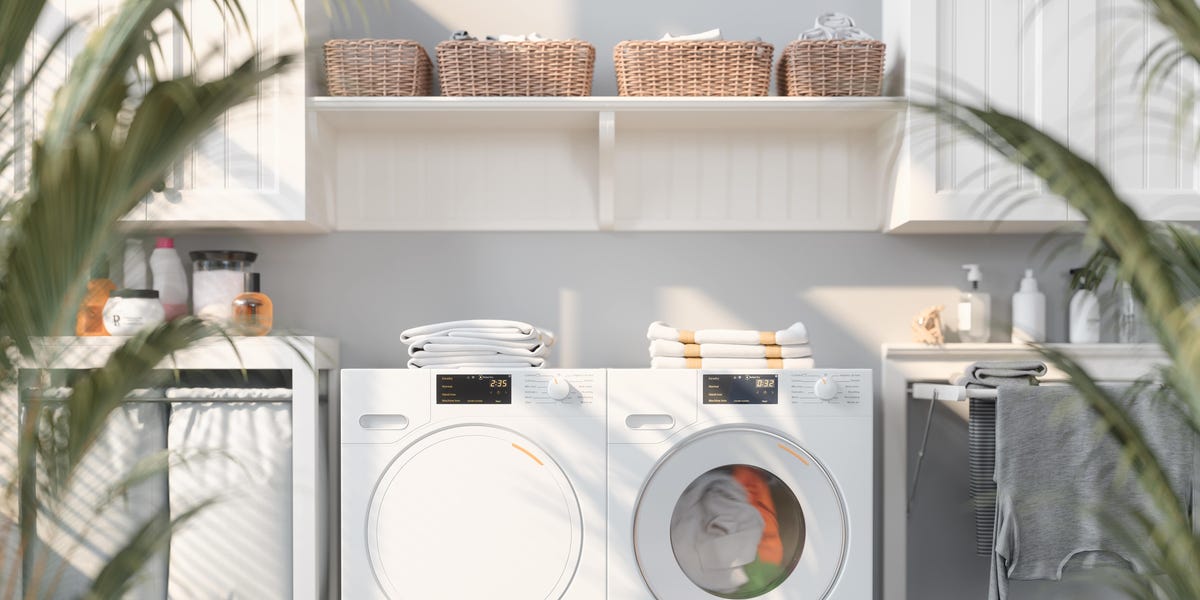

The laundry room is the quiet overachiever of the house. It handles muddy socks, mystery stains, pet blankets, school uniforms, gym clothes, towels that somehow multiply overnight, and the occasional “I need this shirt in 20 minutes” emergency. Yet in many homes, it becomes the land of half-used detergent bottles, lonely socks, dryer lint, and baskets that appear to have formed a small mountain range.
Good news: you do not need a magazine-perfect laundry room to make wash day easier. You need a smart system. Professional organizers rarely begin by buying pretty bins. They begin by asking, “How does this space actually get used?” Once the routine is clear, everything else becomes easier: where hampers go, where stain remover lives, how supplies are stored, where clean clothes land, and how the room resets after every load.
These six laundry room ideas from a professional organizer are designed for real homes, including tiny laundry closets, hallway laundry nooks, basement utility zones, and full-size laundry rooms. The goal is simple: less clutter, fewer lost socks, safer storage, easier sorting, and a room that works so well you may even stop avoiding it. No promises about loving laundry, though. We are organizing, not performing miracles.
Why Professional Organizer Laundry Room Ideas Work
A professional organizer does not just make a room look tidy for one afternoon. The real job is to create a laundry room organization system that survives Tuesday morning chaos. That means every item needs a home, every task needs a landing zone, and every family member should understand the basic flow without needing a laminated instruction manual.
The best laundry room ideas combine three things: function, safety, and ease. Function means the supplies you use most often are close to the machines. Safety means detergent, bleach, stain removers, and laundry packets are stored properly, especially if children or pets live in the home. Ease means you can sort, wash, dry, fold, hang, and put away clothes with fewer steps.
Before changing anything, stand in the room and watch your own habits. Where do dirty clothes pile up? Where do clean clothes stall? Which items are always in the way? Which supplies do you reach for every week, and which ones have been aging on the shelf since the last presidential administration? Your answers will tell you what the room needs.
1. Create a Clear Laundry Workflow
The first professional organizer trick is to stop treating the laundry room like one big storage box. Instead, divide it into zones. A good laundry workflow usually includes five areas: sorting, washing, drying, folding, and outgoing laundry. Even in a small laundry closet, these zones can exist in miniature.
Set Up Zones That Match the Order of the Task
Place hampers or sorters near the entrance or wherever dirty clothes naturally arrive. Store detergent and stain remover near the washer. Keep dryer balls, mesh bags, and a lint brush near the dryer. Add a folding surface, even if it is a simple countertop over front-loading machines. Finally, create a place for clean clothes that need to leave the room, such as labeled baskets for each family member.
This layout prevents the classic laundry traffic jam: dirty clothes on the floor, wet clothes forgotten in the washer, clean clothes tossed on the dryer, and folded clothes abandoned until they become wrinkled enough to need a diplomatic intervention.
Use the “One Step Less” Rule
Professional organizers love reducing friction. If something requires too many steps, people stop doing it. If the hamper lid is annoying, it will stay open. If the stain remover is on a high shelf behind a winter wreath, stains will become permanent residents. Put tools where the task happens. The easier the system is, the longer it lasts.
2. Build a Smarter Laundry Sorting System
A laundry sorting system is one of the simplest ways to reduce clutter and speed up wash day. Instead of letting clothes pile into one heroic basket, create categories that match how you actually wash. For many households, that means darks, lights, towels, delicates, and activewear. For families with children, you may need one basket per child or one basket per bedroom.
Choose Sorting Categories You Will Actually Use
Do not create twelve categories if your household will ignore eleven of them. A professional organizer would rather see three useful baskets than a complicated system that collapses by Friday. Try these simple options:
- Small household: lights, darks, towels and bedding.
- Family household: one basket per person plus a shared towel basket.
- Clothing-care household: everyday wash, delicates, workout clothes, and stain treatment.
- Small-space household: a slim rolling sorter or stackable baskets labeled by wash type.
Labels matter because they remove guesswork. Use large, readable labels such as “Towels,” “Darks,” “Delicates,” and “Needs Stain Treatment.” If children help with laundry, add simple icons or color-coded tags. A laundry room should not require detective skills.
Add a Stain Station
One of the most useful laundry room storage ideas is a small stain-treatment station. Keep stain remover, a soft brush, white cloths, and mesh wash bags together in a bin near the washer. Add a small container labeled “Check Before Drying” for items that may need a second treatment. Dryer heat can make some stains harder to remove, so the habit of checking before drying is worth building into the room.
3. Use Vertical Storage Like a Professional
When the floor is crowded, look up. Vertical storage is a professional organizer favorite because it makes use of wall space, door backs, cabinet interiors, and narrow gaps. This is especially useful for small laundry room organization, where every inch must earn its keep.
Add Shelves Above the Washer and Dryer
Open shelves above the machines can hold everyday supplies, but keep them tidy with bins, trays, or baskets. Group like items together: detergent in one area, stain supplies in another, cleaning cloths in a third. If you use open shelving, matching containers can reduce visual clutter. The room will instantly look calmer, even if the hamper is secretly judging everyone.
If you have cabinets, use adjustable shelves to fit tall detergent bottles, bulk supplies, and smaller bins. Do not waste vertical space by placing short items on a tall shelf with a giant empty air column above them. Shelf risers, stackable bins, and pull-out drawers can double usable space.
Use Hooks, Rails, and Wall-Mounted Racks
Hooks are tiny organizing heroes. Use them for hangers, mesh bags, reusable cleaning cloths, ironing accessories, pet towels, or a small broom. A wall-mounted rail can hold spray bottles or baskets. A retractable drying rack can turn an empty wall into a practical drying zone, then fold away when not in use.
For narrow gaps beside appliances, consider a slim rolling cart. It can hold detergent, dryer sheets, lint rollers, and cleaning tools while sliding out of sight. Measure carefully before buying; “it should fit” is not a measurement, it is a plot twist.
4. Create a Folding and Hanging Zone
Clean laundry often becomes clutter because it has no landing place. A folding zone gives clothes a temporary home before they move to drawers and closets. It does not have to be fancy. A counter over front-loading machines, a wall-mounted drop-down table, a rolling cart with a flat top, or even a cleared section of shelf can work.
Keep the Folding Surface Clear
The folding surface should not become permanent storage. Professional organizers often recommend treating flat surfaces as work zones, not display shelves. If the counter is covered with extra detergent, tools, school papers, and the batteries nobody knows how to recycle, you will fold laundry somewhere else. Usually the bed. Then bedtime arrives, and suddenly the clothes move to a chair. We all know the chair.
Keep only active laundry tools on or near the folding zone: a small basket for clothespins, a lint roller, a stack of clean cloths, and maybe a fabric shaver if you use one often. Everything else should live in a cabinet, basket, or labeled bin.
Add Hanging Space for Air-Dry Items
A hanging rod is one of the most practical laundry room ideas for preventing wrinkles and protecting delicate clothing. Install a rod under a shelf, across a wall niche, or between cabinets. If space is tight, use a retractable clothesline, over-door rack, or wall-mounted drying rack.
Air-drying can also help extend the life of delicate fabrics and reduce dryer use. Create a simple rule: items that cannot go in the dryer go straight to the hanging zone. This prevents damp sweaters from being draped over chairs, doors, and exercise equipment that has not seen exercise since spring.
5. Store Laundry Supplies Safely and Beautifully
Pretty storage is nice. Safe storage is non-negotiable. Laundry products should be easy for adults to access but safely stored away from young children and pets. Detergent packets, bleach, stain removers, and cleaning chemicals should stay in original packaging whenever safety instructions and child-resistant closures are important.
Group Supplies by Frequency of Use
Keep daily or weekly essentials within easy reach: detergent, stain remover, dryer balls, mesh bags, and a small trash bin for lint. Store backups higher up or farther away. This prevents the “warehouse effect,” where five giant bottles take over the room even though you only need one at a time.
Use clear bins for categories, not for every individual item. A bin labeled “Stain Care” can hold stain remover, brushes, and white cloths. A bin labeled “Extras” can hold backup detergent, dryer sheets, and refill items. A bin labeled “Mending” can hold a lint roller, sewing kit, replacement buttons, and fabric tape.
Be Careful with Decanting
Decanting laundry products into glass jars may look beautiful online, but it is not always the smartest choice. If a product has safety warnings, dosing instructions, or child-resistant packaging, keep it in its original container. If you decant safer items like clothespins, dryer balls, or powdered boosters, label them clearly. No one wants to play “mystery powder roulette” on wash day.
A professional organizer balances beauty with common sense. A laundry room can look polished without turning every product into a decorative science experiment.
6. Add a Weekly Reset and Maintenance Routine
The best laundry room organization ideas fail without a reset routine. A weekly reset takes about ten to fifteen minutes and keeps the room from sliding back into chaos. Choose one day, preferably after the biggest laundry day, and do a quick sweep.
Your Weekly Laundry Room Reset Checklist
- Throw away lint, empty packaging, and pocket trash.
- Return stray items to the correct rooms.
- Refill detergent or move backup supplies forward.
- Wipe detergent drips from shelves and machine surfaces.
- Match socks or move singles to a small “sock waiting room” bin.
- Clear the folding counter.
- Check that hampers are not overflowing.
- Clean the lint filter before or after each dryer load.
For safety and efficiency, pay attention to appliance maintenance. Clean the dryer lint filter regularly, keep the area around the machines clear, and notice warning signs such as longer drying times, excess heat, or musty odors. A laundry room should smell fresh, not like damp towels have formed a tiny swamp society.
Make the Room Pleasant Enough to Use
Professional organizers know that a room people enjoy using is easier to maintain. Add better lighting if the space feels gloomy. Use washable rugs if the floor is cold. Choose bins that match your style. Hang a small piece of art, a funny laundry sign, or a simple checklist. The room does not need to become a spa, but it should not feel like a punishment chamber for socks.
Small Laundry Room Ideas That Make a Big Difference
If your laundry area is small, focus on flexible storage. Use collapsible baskets, stackable bins, wall hooks, a fold-down drying rack, and a slim cart. Consider stacking front-loading machines if your appliances and space allow it, using the proper stacking kit. Add a shelf above the machines for supplies and a hanging rod below the shelf for air-dry clothing.
In a laundry closet, the doors can become storage. Use an over-door rack for cleaning cloths, hangers, or lightweight supplies. Inside cabinet doors, adhesive hooks can hold measuring cups, mesh bags, or a small lint brush. Even a six-inch gap can become useful with the right rolling organizer.
The key is to avoid overcrowding. Small laundry rooms look messy faster because there is less visual breathing room. Keep only what belongs there. If the laundry closet also stores pet supplies, paper towels, batteries, lightbulbs, and holiday candles, use clearly labeled bins so the space does not become a household junk drawer with plumbing.
Common Laundry Room Mistakes to Avoid
One common mistake is buying organizers before decluttering. Bins do not solve clutter; they just give clutter a nicer outfit. Remove expired products, empty containers, broken hangers, stretched-out mesh bags, and supplies you never use before adding storage.
Another mistake is ignoring the clean-clothes exit plan. Many homes have a system for dirty clothes but no system for returning clean clothes to bedrooms. Use labeled baskets or bins for each person. When a basket is full, it leaves the laundry room. If children are old enough, they can put away their own clothes. Will they fold everything perfectly? Probably not. Will the clothes be out of your laundry room? Absolutely.
A third mistake is storing too much on top of the dryer. The dryer surface may seem convenient, but it should not become a shelf for heavy baskets, chemical products, paper clutter, or damp clothes. Use shelves, cabinets, carts, or hooks instead. Keeping appliance tops clear also makes wiping and maintenance easier.
Professional Organizer Experience: What Actually Works in Real Homes
After working through laundry spaces in busy homes, the biggest lesson is that laundry room organization is not really about laundry. It is about decisions. Every pile represents a delayed decision: wash or dry clean, fold or hang, keep or donate, repair or toss, put away now or later. A professional organizer’s job is to remove as many tiny decisions as possible so the room can function on autopilot.
In one family laundry room, the parents were overwhelmed because all five household members dropped clothes into one enormous hamper. Sorting took forever, so laundry was delayed until the pile became dramatic enough to deserve background music. The fix was not expensive. We added four labeled hampers: school clothes, adult clothes, towels, and delicate items. Suddenly, the first step was already done. Wash day became faster because the system made the decision before anyone touched the machine.
In another home, the laundry room was beautiful but frustrating. There were glass jars, matching baskets, and a charming sign that said “Wash, Dry, Fold.” Unfortunately, the detergent was too high, the stain remover was behind extra paper towels, and there was no place to hang damp shirts. It looked organized, but it did not behave organized. We moved daily supplies to a lower shelf, kept backup products in a labeled bin, added a small stain station, and installed a simple hanging rod. The room did not change much visually, but the routine improved immediately.
A small apartment laundry closet taught another important lesson: open space is a storage tool. The owner had filled every shelf with bins, which looked efficient until there was nowhere to put a basket while transferring clothes. We removed two rarely used bins and created one empty landing space. That little blank spot became the hardest-working area in the closet. Sometimes the best organizer is not another container. Sometimes it is breathing room.
Pet owners often need a special laundry plan. Pet towels, washable bed covers, grooming cloths, and lint rollers should have their own category. A labeled “Pet Laundry” bin prevents muddy towels from mingling with bath towels. Keep a lint roller or pet-hair remover near the washer, and shake out heavily furred items outdoors when appropriate before washing. Your washer will thank you, probably silently, because appliances are not known for emotional expression.
The most successful homes also use a reset habit. Not a giant weekend overhaul. Not a four-hour cleaning marathon. Just ten minutes once a week. Empty lint. Toss trash. Refill supplies. Move clean clothes out. Wipe the counter. Return random objects to their homes. This small habit prevents clutter from becoming a full-blown laundry room documentary.
The final experience-based tip is to design for the people you live with, not for imaginary people who calmly fold towels while wearing linen. If your family drops clothes by the door, put a hamper there. If everyone forgets delicates, add a visible delicates bag. If clean clothes never make it upstairs, use individual baskets. Real organization works with human behavior. That is why professional organizer laundry room ideas are practical, forgiving, and built for actual life.
Conclusion: A Better Laundry Room Starts with a Better System
The best laundry room ideas from a professional organizer are not about perfection. They are about making laundry easier to start, easier to finish, and easier to maintain. Create zones, sort smarter, use vertical space, protect your folding surface, store supplies safely, and reset the room weekly. Those six changes can transform even a small laundry room into a smoother, calmer, more efficient space.
When the laundry room works, the whole house benefits. Clothes move faster. Supplies are easier to find. Stains get treated sooner. Clean laundry is less likely to become furniture. And the room stops feeling like a clutter trap with a spin cycle.
Start with one idea today. Add a labeled hamper. Clear the dryer top. Install one shelf. Create a stain station. Choose the change that solves your biggest annoyance first. Professional organizers know that progress beats perfection every time, especially in a room where socks disappear for reasons science has yet to fully explain.