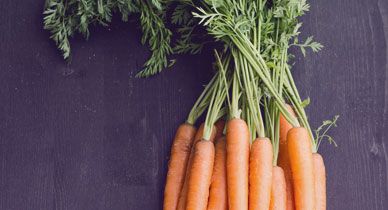

Carrots are one of those quietly overachieving vegetables. They are inexpensive, naturally sweet, easy to cook until soft, and turn a perfectly normal kitchen into an orange-splattered art studio in about six minutes. For parents starting solids, that makes carrots a practical base for homemade baby food recipes.
This guide includes five simple carrot baby food recipes, plus safe preparation, storage, texture tips, and realistic parent experience notes. These recipes are designed for babies who are developmentally ready for solids and have been cleared by their pediatrician to begin trying age-appropriate foods.
Why Carrots Work So Well for Homemade Baby Food
Cooked carrots blend into a smooth puree with very little effort. Their mild flavor pairs well with fruits, sweet potatoes, peas, avocado, and lentils, so one bag of carrots can become several different meals without making your refrigerator look like a tiny restaurant supply warehouse.
Carrots also help babies experience a variety of tastes and textures early on. While a plain carrot puree is a great starting point, combining carrots with other soft foods can gradually introduce more complex flavors without turning dinner into a dramatic courtroom trial.
Before You Make Carrot Baby Food
Start Solids When Your Baby Is Ready
Many babies are ready to begin solid foods at about 6 months old, but readiness matters more than a calendar date. Look for signs such as good head control, the ability to sit with support, interest in food, and the ability to move food from a spoon toward the back of the mouth rather than pushing it out immediately with the tongue.
Breast milk or infant formula remains an important source of nutrition during the first year. Homemade carrot puree is a complement to milk feedings, not a replacement for them. Begin with small amounts and let your baby decide whether two bites are enough or whether they are prepared to negotiate for a third.
Infant solid-food timing, developmental readiness, and continuing breast milk or formula are supported by U.S. pediatric and public-health guidance.
Important Carrot Safety Note
Homemade carrot puree is generally best reserved for babies who are already in the solid-food stage, typically around 6 months. Medical organizations note that carrots can contain nitrates, which is one reason homemade carrot foods are not recommended for very young infants. Fortunately, this timing aligns nicely with the usual stage for starting solids anyway.
Always cook carrots until they are very soft. Raw carrot pieces and carrot sticks are choking hazards for babies and young toddlers. Think “soft enough to mash between your fingers,” not “crunchy enough to make a rabbit jealous.”
Guidance on homemade carrots and nitrates in younger infants comes from Mayo Clinic, Nationwide Children’s Hospital, and UCSF Benioff Children’s Hospitals.
Keep the Recipes Simple at First
When introducing a new food, begin with a small serving and offer it earlier in the day when you can observe your baby. For a new ingredient, especially a common allergen such as dairy, egg, peanut, or sesame, introduce one new food at a time and discuss individual allergy concerns with your child’s pediatrician.
Do not add salt, sugar, honey, syrup, or sweeteners to baby food. Honey should not be offered before age 1. Your baby does not need carrot puree to taste like dessert, even though carrots are already working pretty hard in the sweetness department.
Guidance on allergen introduction, avoiding honey before age 1, and avoiding added salt or sugar is based on AAP, NIAID, CDC, FDA, and Academy of Nutrition and Dietetics guidance.
How to Make a Basic Carrot Puree
Use fresh carrots that are firm and free of soft spots. Wash them well under running water, peel them, trim the ends, and cut them into small rounds. Steam or simmer until very tender. Blend with a little cooking water until the texture matches your baby’s current feeding skills.
For early eaters, the puree should be smooth and soft. As your baby gains experience with solids, you can make it thicker, mash it with a fork, or leave tiny soft bits. Texture changes should happen gradually and should follow your baby’s development, not your desire to finally retire the blender.
Texture progression and using steamed vegetables for homemade purees are consistent with Johns Hopkins and pediatric feeding guidance.
5 Easy Homemade Baby Food Recipes with Carrots
1. Classic Silky Carrot Puree
Best for: Babies who are new to carrots or beginning smooth purees.
Ingredients:
- 4 medium carrots, peeled and sliced
- 1/4 to 1/2 cup cooking water, as needed
Directions: Steam the carrots for about 12 to 15 minutes, or until they mash easily with a fork. Transfer them to a blender or food processor. Add a small amount of cooking water and blend until smooth. Add more water gradually until the puree reaches the desired consistency.
Why it works: This is the plain white T-shirt of carrot baby food recipes: simple, dependable, and useful with everything. It lets your baby experience the natural flavor of carrots without distractions.
2. Carrot and Sweet Potato Sunshine Mash
Best for: Babies who have already tried carrots and sweet potatoes separately.
Ingredients:
- 2 medium carrots, peeled and sliced
- 1 small sweet potato, peeled and cubed
- Cooking water, as needed
Directions: Steam the carrots and sweet potato together until both are very soft, usually 15 to 20 minutes. Blend or mash with cooking water until smooth. For babies who are ready for thicker textures, mash with a fork instead of blending completely.
Why it works: Sweet potato makes this recipe creamy and naturally sweet, while the carrots keep the flavor balanced. It is bright orange, which means it looks like tiny sunshine in a bowl and may also stain a bib with Olympic-level efficiency.
3. Carrot and Apple Baby Puree
Best for: Babies who have already tolerated apples and carrots.
Ingredients:
- 3 medium carrots, peeled and sliced
- 1 sweet apple, peeled, cored, and diced
- Cooking water, as needed
Directions: Steam the carrots for about 8 minutes. Add the apple and continue steaming until everything is very soft. Blend with a little cooking water until smooth. Serve at a safe temperature.
Why it works: Apples soften the earthy flavor of carrots and create a gentle fruit-and-vegetable blend. This is a useful recipe for parents who want to offer vegetables without making every spoonful feel like a corporate performance review.
4. Carrot, Pea, and Avocado Puree
Best for: Babies who are ready to explore savory vegetable combinations.
Ingredients:
- 2 medium carrots, peeled and sliced
- 1/2 cup frozen peas, plain and unsalted
- 1/4 ripe avocado
- Cooking water, as needed
Directions: Steam the carrots until nearly soft. Add the peas and steam for another 4 to 5 minutes. Blend the cooked vegetables with avocado and a little cooking water. Blend until smooth, or leave it slightly thicker for a more experienced eater.
Why it works: Peas add a fresh flavor, while avocado creates a soft, creamy texture. The color may not win a beauty contest, but babies are not exactly known for judging plating techniques. They are more focused on whether the spoon arrives on time.
5. Carrot and Red Lentil Comfort Puree
Best for: Babies who have already tried lentils and are ready for a heartier puree.
Ingredients:
- 2 medium carrots, peeled and chopped
- 1/4 cup dry split red lentils, rinsed
- 1 1/2 cups water
Directions: Add the carrots, lentils, and water to a small saucepan. Bring to a gentle boil, then reduce the heat and simmer for 18 to 20 minutes, until the carrots and lentils are completely soft. Blend until smooth. Thin with additional warm water if needed.
Why it works: Red lentils cook quickly and make the puree more substantial. This recipe is a helpful way to widen your baby’s food variety while keeping the flavor mild, familiar, and completely free of mysterious “what is this?” ingredients.
Serving, Storing, and Reheating Homemade Carrot Baby Food
Serve baby food in a small bowl rather than feeding directly from the storage container. Once a spoon has touched your baby’s mouth, do not return those leftovers to the main batch. Saliva can introduce bacteria, and nobody wants meal prep to become a science fair project.
Fresh homemade baby food can be refrigerated in a clean, covered container. For a simple safety routine, use refrigerated homemade purees within 1 to 2 days. Freeze extra portions in clean ice cube trays or small freezer containers, label them with the date, and use them within 1 to 2 months for best quality.
Thaw frozen portions in the refrigerator. If you warm puree, transfer it to a microwave-safe dish rather than heating it in a jar. Stir thoroughly and test the temperature before serving because hot spots can form. When in doubt, serve it cool or gently warmed rather than lava-adjacent.
FDA and FoodSafety.gov advise prompt refrigeration, safe handling of leftovers, and careful reheating of baby foods.
Helpful Tips for Building a Carrot Baby Food Routine
- Make one plain carrot puree first, then use part of it in future blends.
- Freeze small portions so you can mix carrots with other foods without making a week’s worth of identical orange meals.
- Offer new combinations calmly and without pressure. A funny face does not always mean permanent rejection.
- Adjust thickness gradually as your baby becomes more comfortable with food textures.
- Keep meals supervised, seated, and distraction-free whenever possible.
Variety matters more than creating the world’s most flawless puree. Rotate carrots with other vegetables, fruits, proteins, and grains that are appropriate for your baby’s age and development. A colorful menu also helps prevent the refrigerator from becoming a shrine to one heroic root vegetable.
Recommendations to provide a variety of foods and avoid excessive dependence on a narrow set of baby foods align with current pediatric nutrition guidance.
Parent Experiences: What Homemade Carrot Baby Food Is Really Like
Making homemade baby food with carrots often begins with a very optimistic vision: neat little freezer cubes, a calm baby in a high chair, and a parent proudly blending vegetables while soft music plays in the background. Then reality arrives wearing an orange bib and launches a spoon across the room. The good news is that messy does not mean unsuccessful. In fact, mess is often part of learning.
Many parents notice that a baby’s reaction to carrot puree can change from one day to the next. On Monday, your baby may open wide for every bite. On Tuesday, they may look at the spoon as though you are presenting them with a complicated legal document. That does not mean carrots are permanently off the menu. Babies are still learning how flavors, textures, hunger, tiredness, and their own rapidly changing opinions work together.
A useful experience-based approach is to keep portions small. Instead of preparing a giant bowl and hoping your baby suddenly develops the appetite of a tiny marathon runner, start with a tablespoon or two. Small servings create less waste and make it easier to introduce a new carrot combination without committing your entire evening to orange leftovers.
Freezer portions can make a huge difference for busy families. A batch of plain carrot puree can later become carrot and apple puree one day, carrot and sweet potato mash another day, and carrot and lentil puree when your baby is ready for something more substantial. This makes homemade baby food feel less like a daily cooking project and more like assembling a tiny, flexible menu.
Parents also often discover that texture matters as much as flavor. A baby may happily accept smooth carrot puree but reject the same carrots once they become thicker or chunkier. That is normal. Moving from silky puree to mashed foods is a learning process. Go slowly, watch your baby’s cues, and remember that food skills develop over time. Nobody expects a baby to become a professional food critic before they can say “banana.”
Another common experience is the temptation to sweeten every vegetable blend with fruit. Apples and pears can be useful partners for carrots, especially when babies are new to vegetables. Still, offering plain carrot puree sometimes is worthwhile. It gives babies a chance to learn the natural taste of vegetables without always expecting every meal to resemble fruit dessert.
Finally, the best homemade baby food routine is usually the one that reduces stress. Some families enjoy making weekly batches. Others prepare one small serving while cooking dinner. Both approaches are valid. A thoughtfully prepared carrot puree is helpful, but a relaxed and responsive feeding environment matters just as much. Your baby does not need perfection. They need safe food, patience, and someone nearby who is prepared to wipe orange puree off the dog.
Conclusion
These homemade baby food recipes with carrots offer an easy way to introduce soft vegetables, build flavor variety, and create simple meals from familiar ingredients. Start with plain carrot puree, move gradually toward blended combinations, and always match texture and portion size to your baby’s developmental stage. Keep preparation clean, avoid added salt and sweeteners, store leftovers safely, and let your baby set the pace.
Note: This article is for general educational purposes and does not replace individualized advice from your child’s pediatrician. Contact a medical professional for concerns about allergies, swallowing, growth, feeding difficulties, premature birth, or special dietary needs.
Editorial fact-checking basis: American Academy of Pediatrics/HealthyChildren, CDC, FDA, FoodSafety.gov, USDA, Mayo Clinic, Nationwide Children’s Hospital, Children’s Hospital of Philadelphia, Johns Hopkins Medicine, UCSF Benioff Children’s Hospitals, NIAID/NIH, and the Academy of Nutrition and Dietetics.


