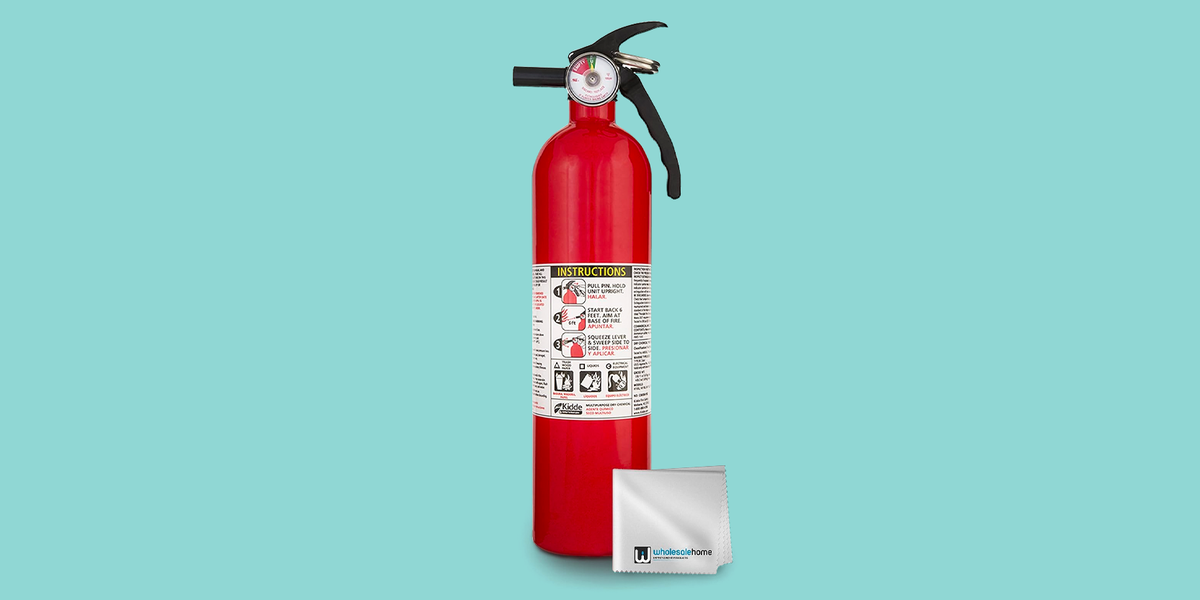

Fire extinguishers are a lot like umbrellas: the best time to buy one is before the sky starts screaming. Whether you live in a cozy apartment, a family home, a dorm, an RV, or a garage that mysteriously collects half-used paint cans and “future projects,” having the right fire extinguisher nearby can make a small emergency much less dramatic.
The challenge? Not every extinguisher is built for the same job. Some are perfect for everyday home use, some are better for workshops and garages, and some are small enough to tuck into a kitchen cabinet without making your home look like a fire station gift shop. For 2024, the best fire extinguishers combine dependable ratings, practical size, durable construction, easy-to-read gauges, and realistic usability for ordinary people who do not spend weekends practicing emergency response drills in the driveway.
This guide breaks down the 5 best fire extinguishers of 2024 for common household needs. It also explains fire classes, ratings, placement tips, maintenance, and real-world buying advice in plain American Englishbecause when something is smoking, nobody wants to decode a label like it is a secret message from NASA.
How We Chose the Best Fire Extinguishers of 2024
To build this list, we focused on reliable, widely available models from established fire safety brands and compared them using practical homeowner criteria. The most important factors included UL or ETL safety ratings, fire class coverage, cylinder size, discharge time, rechargeability, handle quality, mounting options, ease of use, and suitability for specific areas such as kitchens, garages, vehicles, and general living spaces.
For most homes, an ABC fire extinguisher is the smartest starting point. Class A covers ordinary combustibles such as wood, paper, cloth, and many plastics. Class B covers flammable liquids such as gasoline, oil, and some solvents. Class C means the extinguisher can be used around energized electrical equipment. In simple terms, ABC is the “I would like one extinguisher that handles most normal home chaos” category.
Still, bigger is not always better. A heavy commercial-style extinguisher may be powerful, but if nobody in the house can lift it comfortably, it becomes very expensive wall décor. The best home fire extinguisher should be strong enough to matter, light enough to handle, and easy enough to operate under stress.
Quick Comparison: Best Fire Extinguishers of 2024
| Rank | Fire Extinguisher | Best For | Rating | Rechargeable |
|---|---|---|---|---|
| 1 | First Alert HOME1 | Best overall home extinguisher | 1-A:10-B:C | Yes |
| 2 | Kidde Pro 210 | Best heavy-duty home and garage pick | 2-A:10-B:C | Yes |
| 3 | Amerex B500 | Best durable premium extinguisher | 2-A:10-B:C | Yes |
| 4 | First Alert HOME2 | Best larger-capacity home option | 2-A:10-B:C | Yes |
| 5 | First Alert EZ Fire Spray | Best easy-use kitchen supplement | ETL rated for common household fires | No |
1. First Alert HOME1: Best Overall Fire Extinguisher for Most Homes
The First Alert HOME1 earns the top spot because it delivers the right balance of safety rating, price, size, and everyday usability. It is a rechargeable, multipurpose extinguisher with a 1-A:10-B:C rating, making it suitable for many common household fires involving ordinary combustibles, flammable liquids, and energized electrical equipment.
At around 5.4 pounds overall, it is substantial enough to feel serious but not so heavy that using it feels like curling a dumbbell during a panic workout. The metal valve and durable head give it a more trustworthy feel than cheaper disposable plastic-handle models. It also includes a pressure gauge, so you can quickly check whether the unit is charged and ready.
Why It Stands Out
The HOME1 is an excellent “put one on every level of the house” extinguisher. It fits naturally near a kitchen exit, in a hallway, in a laundry area, or close to a garage door. The included bracket makes wall mounting simple, and the rechargeable design means a certified professional can service it after use instead of sending the whole thing to the landfill after one smoky adventure.
Best For
This model is best for homeowners, renters, small apartments, townhomes, and families who want dependable basic fire protection without overthinking it. If you are buying your first extinguisher, this is the easy recommendation.
Possible Drawbacks
Its 1-A rating is fine for general household use, but people with larger garages, workshops, or higher-risk areas may prefer a stronger 2-A unit. Also, dry chemical extinguishers can leave a powdery mess after discharge. That mess is still better than a fire, obviously, but your vacuum cleaner may file a complaint.
2. Kidde Pro 210: Best Heavy-Duty Fire Extinguisher for Home and Garage
The Kidde Pro 210 is a popular rechargeable ABC fire extinguisher with a 2-A:10-B:C rating. That higher Class A rating gives it more fire-fighting capacity than many smaller household models, making it a smart choice for garages, basements, workshops, utility rooms, and larger homes.
Its metal handle, pressure gauge, wall mounting option, and rechargeable design make it feel like a more serious step up from basic disposable extinguishers. It is still manageable for many adults, but it has enough capacity to handle a slightly more demanding small fire scenario.
Why It Stands Out
The Pro 210 hits a sweet spot for people who want more than a tiny kitchen unit but do not need a full commercial fire protection setup. It is a practical choice near tools, lawn equipment, storage shelves, paint cans, or electrical panelsplaces where “nothing will happen” is not a safety plan, just wishful thinking wearing a fake mustache.
Best For
Choose the Kidde Pro 210 if you want a dependable garage fire extinguisher, a workshop extinguisher, or a stronger all-purpose unit for a larger living space. It is also a good choice for homeowners who prefer a higher-capacity ABC extinguisher in key locations.
Possible Drawbacks
It is heavier than smaller models, so placement matters. Mount it where it is visible, reachable, and close to an exit route. Do not hide it behind a bicycle, a stack of holiday bins, and that treadmill nobody has touched since February.
3. Amerex B500: Best Premium Fire Extinguisher for Durability
The Amerex B500 is one of the most respected 5-pound ABC dry chemical extinguishers available for residential and light commercial use. It carries a 2-A:10-B:C rating and is known for its durable metal construction, aluminum valve, hose design, and professional-grade feel.
This is the extinguisher for people who do not want the cheapest option on the shelf. It is sturdy, reliable, and commonly used in workplaces, shops, and serious home garages. With a typical discharge time of about 14 seconds and a range often listed around 12 to 18 feet, it gives users a practical window to respond to a small fire while maintaining some distance.
Why It Stands Out
The Amerex B500 feels like a “buy once, maintain properly, keep for years” kind of extinguisher. Its hose makes aiming more flexible than simple nozzle designs, and the 5-pound capacity gives it enough substance for garages, utility spaces, barns, sheds, and larger homes.
Best For
This is the best fire extinguisher for homeowners who want extra durability, DIYers with workshops, small business owners, and anyone who prefers professional-style equipment. It is also a strong pick for garages where flammable liquids, power tools, and electrical equipment may be present.
Possible Drawbacks
The Amerex B500 costs more than many basic home extinguishers. It is also heavier, so make sure household members who may need to use it can lift and operate it comfortably. A great extinguisher that nobody can handle is not a great plan.
4. First Alert HOME2: Best Larger-Capacity Home Fire Extinguisher
The First Alert HOME2 is another strong rechargeable ABC extinguisher designed for households that want more fire-fighting capacity than the smaller HOME1. With a 2-A:10-B:C rating, it gives added confidence for spaces where a small fire could grow quickly, such as garages, basements, laundry rooms, and larger kitchens.
Like the best rechargeable extinguishers, it includes a gauge for checking pressure and a mounting bracket for smart placement. It is built for ordinary home use but offers a more robust rating than compact entry-level units.
Why It Stands Out
The HOME2 is a good middle ground between homeowner convenience and stronger performance. It is not quite as “professional shop” in personality as the Amerex B500, but it offers more capacity than smaller household models while remaining easy to find from a major consumer safety brand.
Best For
This model works well for larger homes, attached garages, finished basements, laundry areas, and households that want a stronger extinguisher near higher-risk spaces. It is also a smart second extinguisher if you already have a smaller unit in the kitchen.
Possible Drawbacks
The extra capacity means extra weight. Before buying, think about who might need to use it. If an extinguisher is too heavy for the intended user, a smaller unit in the right place may be more useful than a larger one stored like a museum artifact.
5. First Alert EZ Fire Spray: Best Easy-Use Kitchen Supplement
The First Alert EZ Fire Spray is not a traditional rechargeable ABC fire extinguisher, and it should not be treated as a full replacement for one. However, it earns a place on this list because it is lightweight, simple to operate, and useful as an additional safety tool for common small household fire situations.
The aerosol-style can is designed to be easier to hold and aim than many traditional extinguishers. It is often marketed for use around kitchens, RVs, boats, dorms, and small spaces. Its long discharge time compared with many traditional extinguishers gives beginners a little more breathing room, which is helpful when adrenaline turns normal hands into jazz hands.
Why It Stands Out
Ease of use is the main advantage. Some people hesitate with traditional extinguishers because they look intimidating. A compact spray can feel more familiar, especially for quick response to a very small cooking flare-up or wastebasket fire. It also wipes up more easily than dry chemical powder in many situations.
Best For
Use it as a kitchen supplement, RV backup, dorm-friendly option where permitted, or extra tool for people who may struggle with heavier extinguishers. It is best placed nearbut not directly besidethe stove, ideally along a route toward an exit.
Possible Drawbacks
This is not the model to rely on as your only fire extinguisher. It is non-rechargeable, smaller, and less versatile than a properly rated ABC extinguisher. Think of it as a helpful backup, not the captain of the fire safety team.
Understanding Fire Extinguisher Ratings Without Needing a Decoder Ring
Fire extinguisher labels can look confusing at first, but the basics are straightforward. A unit marked 1-A:10-B:C means it is rated for Class A fires, Class B fires, and Class C electrical fire hazards. The number before A describes relative effectiveness on ordinary combustible fires. The number before B describes relative effectiveness on flammable liquid fires. The C does not get a number because it indicates the agent is nonconductive when used around energized electrical equipment.
For home use, ABC extinguishers are popular because they cover the most common household fire categories. However, kitchens deserve special attention. Cooking fires can involve grease and oil, and commercial kitchens often require Class K extinguishers. In a normal home kitchen, a quality ABC extinguisher and a dedicated fire blanket or approved kitchen fire spray can be useful, but the best first move for a pan fire is often to turn off the heat if safe and cover the pan with a lid. Never throw water on a grease fire. That is how dinner becomes a volcano.
Where to Place Fire Extinguishers at Home
A fire extinguisher should be easy to reach, visible, and located along a natural exit path. Do not store it directly next to the most likely fire source. For example, placing an extinguisher behind the stove sounds convenient until the stove is the thing on fire. Instead, mount it near the kitchen entrance or another spot that lets you keep your back toward an exit.
Good home locations include the kitchen, garage, laundry room, basement, workshop, and each main floor of the house. In a two-story home, one extinguisher downstairs and one upstairs is a good minimum. In a larger home, add units near higher-risk zones. For an attached garage, place the extinguisher near the door leading back into the house or near the garage exit, not buried behind camping gear and a suspiciously permanent pile of cardboard boxes.
How to Use a Fire Extinguisher: Remember PASS
The standard method is PASS: Pull, Aim, Squeeze, and Sweep. Pull the pin. Aim low at the base of the fire. Squeeze the handle slowly and evenly. Sweep side to side until the fire is out. Keep watching the area afterward because small fires can reignite.
Only use an extinguisher if the fire is small, contained, and you have a clear escape route. If the fire is spreading, smoke is building, or you feel unsure, leave immediately and call 911. Fire extinguishers are for small fires, not heroic movie scenes. The goal is safety, not auditioning for an action franchise.
Rechargeable vs. Disposable Fire Extinguishers
Rechargeable extinguishers cost more up front, but they can be serviced by a certified professional after use or when required. They often include sturdier components and are better for long-term home safety planning. Disposable extinguishers are usually cheaper, but they must be replaced after discharge, loss of pressure, damage, or expiration.
For most homes, a rechargeable ABC extinguisher is worth the investment. It is more sustainable, usually better built, and easier to maintain as part of a long-term safety plan. Disposable models can still be useful for vehicles, small spaces, and backup locations, but they should be checked regularly and replaced when needed.
Maintenance Tips: Do Not Buy It and Forget It
Buying a fire extinguisher is step one. Maintaining it is step two, and step two is where many people quietly wander off. At least once a month, check that the extinguisher is in its proper location, visible, unobstructed, and showing pressure in the acceptable range. Look for rust, dents, leakage, clogged nozzles, missing pins, broken tamper seals, or any sign that the unit has had a rougher life than your first car.
Turn the extinguisher gently or give it a careful shake if the manufacturer recommends it for dry chemical models, since powder can settle over time. Check the expiration date or service tag. Rechargeable units should be inspected and serviced according to the manufacturer’s instructions and local safety requirements. If a unit has been used even briefly, have it recharged or replaced right away.
Which Fire Extinguisher Should You Buy?
If you want the best overall pick for most households, choose the First Alert HOME1. It is practical, rechargeable, affordable, and easy to place throughout the home. If you want more capacity for a garage or workshop, the Kidde Pro 210 is a strong upgrade. If durability is your top priority, the Amerex B500 is the premium choice. For larger homes, the First Alert HOME2 provides added capacity. For a lightweight kitchen supplement, the First Alert EZ Fire Spray is convenient, but it should be paired with a real ABC extinguisher.
The smartest home fire safety setup is not one extinguisher hidden somewhere “safe.” It is multiple properly placed extinguishers that match the risks in your home. Pair them with working smoke alarms, carbon monoxide alarms, clear escape routes, and a family plan. Fire safety is not glamorous, but neither is explaining to your insurance company that your emergency plan was “panic and wave a dish towel.”
Extra Real-World Experience: What Living With Fire Extinguishers Actually Teaches You
After comparing the best fire extinguishers of 2024, one practical truth becomes obvious: the best extinguisher is the one people can actually find, lift, understand, and use. That sounds simple, but real homes are full of tiny obstacles. A beautiful rechargeable extinguisher does not help much if it is still in the box, under the sink, behind twelve cleaning bottles, next to a spider who now legally owns the cabinet.
One useful experience is to walk through the home as if something has just gone wrong. Stand in the kitchen and ask, “Where is the extinguisher?” If the answer takes more than three seconds, the placement needs improvement. Now imagine smoke, noise, kids yelling, pets panicking, and your brain suddenly forgetting every safety video you have ever watched. Visibility matters. A wall-mounted extinguisher near an exit may not win interior design awards, but it wins the “not wasting time during an emergency” award, which is significantly better.
Another lesson: size should match the user. A 5-pound extinguisher like the Amerex B500 or Kidde Pro 210 is excellent for capacity, but it may feel heavy for some people. Smaller models like the First Alert HOME1 are easier to handle and may be better for bedrooms, hallways, and apartments. For households with older adults, teens, or anyone with limited strength, it is smart to practice lifting the extinguisher before mounting it. Do not discharge it for practice unless you are in a proper training setting, but do make sure people can remove it from the bracket and hold it correctly.
Kitchen placement is another area where experience beats theory. Many people instinctively put fire safety tools close to the stove. That can be a mistake. If flames are on or near the stove, reaching over them to grab an extinguisher is unsafe. A better location is near the kitchen doorway. That way, you can approach only if the fire is small and still keep an exit behind you. For small cooking flare-ups, a lid, baking sheet, or fire blanket may also help when used correctly. Water should never be used on grease fires because it can spread burning oil quickly.
Garage experience teaches a different lesson: clutter is the enemy. Garages often contain gasoline, paint, cardboard, batteries, tools, extension cords, and enough random objects to start a museum called “Things We Might Need Someday.” A stronger ABC extinguisher near the garage exit is a smart move. It should not be stored on a shelf behind lawn fertilizer or hanging from a nail nobody can reach. Mount it clearly, label the area if needed, and keep the floor around it open.
Finally, maintenance becomes easier when tied to a routine. Check extinguishers when testing smoke alarms, changing HVAC filters, or paying monthly bills. Look at the gauge, inspect the pin, confirm the bracket is secure, and make sure nobody moved the extinguisher during a cleaning spree. A fire extinguisher is not a decoration; it is a small emergency tool that deserves a tiny monthly checkup. In return, it offers peace of mind that is hard to beat. You may never need itand that would be wonderful. But if you do, you will be very glad it is ready.
Conclusion
The best fire extinguishers of 2024 are not just about brand names or ratings. They are about matching the right tool to the right space. For most homes, the First Alert HOME1 is the best overall choice. For garages and workshops, the Kidde Pro 210 and Amerex B500 offer stronger capacity. For larger living areas, the First Alert HOME2 is a smart upgrade. For quick kitchen backup, First Alert EZ Fire Spray can be useful when paired with a real ABC extinguisher.
Note: Fire extinguishers are designed for small, contained fires only. If a fire spreads, produces heavy smoke, blocks your exit, or makes you feel unsafe, evacuate immediately and call 911.


