
There are ordinary memories, and then there are ’90s memoriesthe kind that arrive wearing a backward baseball cap, carrying a transparent landline phone, and making the unmistakable mechanical shriek of a dial-up modem.
For anyone who grew up during the decade, ’90s memes can function like tiny digital time machines. A single picture of a VHS tape, a Tamagotchi, a bowl haircut, or a computer displaying “You’ve Got Mail” can unlock an entire forgotten universe. Suddenly, you remember waiting for a favorite song to come on the radio so you could record it on a cassette. You remember television schedules because streaming was something rivers did. You remember when losing internet access because someone picked up the phone was considered a normal household problem.
The decade was also a major transition point. The internet moved rapidly into American life, although in 1995 only 14% of U.S. adults were online, and most users relied on slow dial-up connections. By 1998, that figure had risen to 41%, helping create the strange bridge between an analog childhood and a digital future that gives ’90s nostalgia much of its emotional power.
So dust off the Game Boy, rewind the tape, and prepare to explain to younger readers why the Save icon used to be a real object. These 40 meme-worthy memories capture the comedy, chaos, fashion, technology, and wonderfully inconvenient everyday life of the 1990s.
When ’90s Technology Tested Your Patience
1. Dial-Up Internet: The Sound of the Future Screaming
A perfect ’90s meme needs only two panels: “Connecting to the internet” followed by “Mom picks up the phone.” Game over. The dial-up era turned patience into a survival skill, and residential connections in the late 1990s commonly operated at speeds that would make a modern smartphone quietly file a complaint.
2. “You’ve Got Mail” Felt Like Winning an Award
Today, an overflowing inbox produces anxiety. In the ’90s, receiving an email could feel like a major social event. Somebody had entered cyberspace, typed words specifically for you, and successfully survived the modem connection.
3. Downloading One Picture Required Emotional Commitment
The image appeared line by line. First the hair. Then the forehead. Then maybe, after several geological eras, the rest of the face. One accidental click could erase five minutes of technological progress.
4. Computer Rooms Were Sacred Territory
Many homes had one computer for the entire family. It often sat in a shared room, meaning privacy was mostly theoretical. Every chat session occurred with the possibility that a parent might casually walk behind you.
5. The Family Phone Was a Public Institution
There was no discreetly ignoring a call while staring at the caller’s profile picture. Someone answered the house phone, shouted your name across three rooms, and then everybody knew who was calling.
6. Cordless Phones Made You Feel Extremely Advanced
You could walk into another room while talking. Another room! Humanity had clearly peaked.
7. VHS Tapes Demanded Responsibility
“Be kind, rewind” was more than a suggestion. Returning an unrewound rental was the physical-media equivalent of leaving an empty milk carton in the refrigerator.
8. The TV Guide Was Basically an Ancient Streaming Menu
You checked when a show aired, arranged your evening accordingly, and accepted the consequences if you missed it. The television was not waiting for you. The television had boundaries.
9. The Windows Computer Freeze
One moment you were writing a school report. The next, the cursor stopped moving and your soul briefly left your body. Had you saved the document? Of course not. Character development was about to happen.
10. Y2K Turned Midnight Into a Tech Thriller
As 1999 ended, concerns about how computer systems would interpret the year 2000 became a genuine international technology issue and a pop-culture phenomenon. The National Museum of American History preserves artifacts from the period, including Y2K clothing, advertisements, and novelty products. Naturally, meme culture remembers the simpler version: “We thought the computers might destroy civilization. Then January 1 arrived and the microwave still worked.”
Toys That Ruled the Playground Economy
11. Tamagotchi Parenting Was a Full-Time Job
The Tamagotchi gave children the responsibility of caring for a digital creature that could demand attention at extremely inconvenient times. School? Sleep? Family dinner? Your pixelated dependent did not respect boundaries.
12. Pogs Turned Cardboard Into Currency
Adults saw little circles of cardboard. Kids saw wealth, status, strategy, and the possibility of losing everything during recess.
13. Beanie Babies Became Tiny Investment Bankers
Nothing says ’90s optimism quite like carefully protecting the tag on a stuffed animal because someone was convinced it might eventually finance retirement.
14. The Game Boy Was Your Entire Entertainment System
Long car ride? Waiting room? Family gathering where adults were discussing taxes? Game Boy. Nintendo’s handheld became one of the defining portable gaming systems of its era, with Tetris, Mario, and Pokémon turning spare moments into adventures.
15. Pokémon Cards Changed Playground Diplomacy
Friendships were strengthened, negotiations were conducted, and occasional international-level disputes erupted over shiny cardboard. Pokémon became a shared childhood experience powerful enough to remain culturally meaningful decades later.
16. Furby Was Cute Until It Woke Up at 2 A.M.
A mysterious electronic creature suddenly speaking from a dark bedroom is adorable in daylight and the opening scene of a horror movie after midnight.
17. Skip-It Was Exercise Disguised as a Toy
It looked simple until the ankle bruises arrived. Still, when the counter climbed, you became an Olympic athlete in your own driveway.
18. Polly Pocket Proved Real Estate Could Be Microscopic
The entire dream house fit inside something roughly the size of a makeup compact. Meanwhile, the tiny accessories disappeared into another dimension within 48 hours.
19. Super Soakers Created Neighborhood Arms Races
One kid arrived with a bigger water blaster, and suddenly everyone needed an equipment upgrade. Summer afternoons became tactical operations.
20. Slap Bracelets Were Fashion With Mild Physical Danger
Nothing completed an outfit like repeatedly smacking your own wrist with a strip of metal wrapped in colorful fabric. Safety was apparently a suggestion.
Television, Music, and the Age of Shared Pop Culture
21. Everyone Watched the Same Shows at the Same Time
Before infinite streaming libraries fragmented audiences, hit shows became communal events. Series including Friends, Seinfeld, and The Fresh Prince of Bel-Air remain strongly associated with the decade.
22. Missing an Episode Meant Entering the Spoiler Danger Zone
You could not simply watch it tomorrow. You had to hope for a rerun or listen helplessly while classmates described every important scene.
23. Saturday Morning Cartoons Required Commitment
You woke up early voluntarily, built a cereal fortress, and took control of the remote before anyone could suggest watching the news.
24. Commercial Breaks Were Snack Missions
You had approximately three minutes to reach the kitchen, locate food, negotiate with siblings, and return before the show resumed. This was cardio.
25. Music Television Actually Played Music Videos
For many viewers, music channels were places to discover artists, debate videos, and wait for a favorite song to appear. The format helped make music visual, social, and deeply tied to youth culture.
26. Making a Mixtape Was an Act of Love
A playlist takes seconds. A mixtape required planning, recording, handwritten labeling, and the ability to stop the cassette before the radio DJ started talking over the ending.
27. Grunge Made Looking Unimpressed Look Extremely Cool
The Seattle music scene helped push grunge into the cultural mainstream, while flannel, distressed denim, and deliberately unpolished style spread far beyond concert venues.
28. Boy Bands Made School Hallways Politically Divisive
Choosing a favorite group was not casual entertainment. It was an identity, a loyalty oath, and occasionally the reason two friends stopped speaking until lunch.
29. Hip-Hop Became an Even Larger Cultural Force
The decade saw hip-hop expand dramatically in mainstream American culture, influencing music, fashion, language, television, and youth identity. Meanwhile, R&B, alternative rock, dance music, and teen pop created a soundtrack so varied that one radio station could produce emotional whiplash in under ten minutes.
30. Radio Requests Were the Original Algorithm
You called a station and asked a real human to play a song. Then you waited. Sometimes it worked. Sometimes civilization had not yet invented personalized recommendations.
Fashion Choices That Deserve Both Respect and Questions
31. Chokers Were Apparently Required Equipment
Stretchy plastic chokers, velvet chokers, ribbon chokersthe decade had many ways to accessorize the neck. The style became one of the most recognizable ’90s fashion signatures.
32. Baggy Jeans Had Their Own Weather System
Some pants contained enough fabric to shelter a small community. Walking through puddles was a strategic mistake.
33. Overalls With One Strap Undone Meant Maximum Cool
Both straps fastened? Responsible citizen. One strap hanging? Cultural icon.
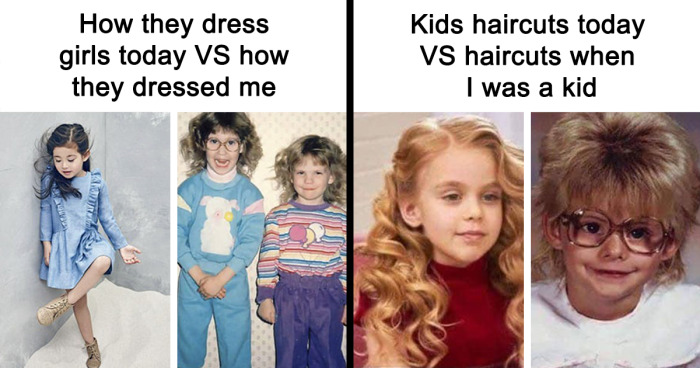
34. The Bowl Cut Was Somehow Approved by Adults
Thousands of children entered barbershops and emerged looking as though someone had placed kitchenware on their heads as a measuring device.
35. Frosted Tips Announced the Future
Nothing said “the new millennium is approaching” like strategically bleaching the ends of your hair until your head resembled a stylish porcupine.
36. Platform Shoes Challenged Gravity
Fashion asked an important question: What if normal shoes, but taller and slightly more dangerous?
37. Clueless Made Plaid Feel Powerful
The film’s colorful preppy styling became one of the decade’s most recognizable fashion references, helping cement plaid skirts, knee socks, and polished teen style in the ’90s visual vocabulary.
38. Grunge and Minimalism Somehow Coexisted
The same decade gave us thrift-inspired flannel and ripped denim alongside simple slip dresses and sleek minimalism. ’90s fashion was not one look; it was several cultural arguments happening inside the same closet.
The Everyday Experiences That Make ’90s Memes Hit Hardest
39. Photos Were a Surprise You Received Several Days Later
You took 24 pictures and hoped at least seven were usable. There were no instant previews, no deleting bad shots, and no second chances after somebody blinked.
40. Being Unreachable Was Completely Normal
You left the house, and people simply did not know exactly where you were every minute. Plans required actual planning. Friends met at specific places. Parents shouted from porches. Somehow society continued functioning.
Why ’90s Memes Still Feel So Powerful
The best 1990s nostalgia memes work because they are not only jokes about old objects. They capture an unusual period when everyday life was changing quickly. The decade began with most social interaction, entertainment, shopping, gaming, and communication still rooted in physical places and objects. By its end, the internet was becoming a major part of American culture and the digital future was clearly arriving. History.com describes the decade as one transformed by the rise of the internet, while Pew’s historical data shows how rapidly online adoption increased during the second half of the 1990s.
That transition created experiences that are unusually easy to meme. The technology was exciting but inconvenient. Toys inspired mass obsession without requiring constant internet access. Television created shared national conversations. Music scenes had distinctive sounds and visual identities. Fashion moved between grunge, minimalism, hip-hop influence, preppy movie style, and gloriously questionable experiments involving plastic accessories.
Nostalgia also compresses the past. Nobody truly spent every moment of the 1990s drinking neon soda while playing Nintendo and wearing a choker. Real life was more complicated. But memes are excellent at turning scattered experiences into recognizable cultural shorthand. A modem noise becomes “the internet.” A VHS tape becomes “movie night.” A Tamagotchi becomes “childhood responsibility.”
That is why these jokes continue to travel across social media. People who lived through the decade recognize themselves. Younger audiences discover an era that seems familiar but strangely distanta world with computers but little constant connectivity, popular video games but no smartphone apps, celebrity culture but no TikTok, and social plans that could not be canceled with a last-minute emoji.
A Personal Nostalgia Ride: What Revisiting the ’90s Feels Like
Looking back at ’90s culture feels less like opening a history book and more like opening an old bedroom closet. At first, you see random objects. Then every object starts talking.
A cassette tape is not merely a cassette tape. It brings back the careful process of building the perfect mixtape. You had to wait for songs. You had to listen. You had to make choices because the tape had limited space. If you were recording from the radio, there was always a chance the DJ would speak over the introduction and ruin everything. Today, we can create a playlist containing hundreds of songs while standing in an elevator. It is undeniably better technology, but something about the effort once made the final collection feel personal.
The same is true of photographs. A disposable camera at a birthday party created mystery. Nobody inspected every picture immediately after taking it. Nobody demanded twelve additional attempts because their smile looked strange. The photos simply disappeared into the camera until the film was developed. When they returned, there were surprises: a thumb covering the lens, a mysterious blur, red eyes bright enough to guide airplanes, and occasionally one perfect image nobody had planned.
Then there was the freedom of being temporarily unreachable. As a kid, you might ride a bike to a friend’s house and simply knock on the door. There was no location sharing. No “typing…” bubble. No group chat requiring a committee vote before anyone could decide where to meet. Plans were less flexible, but once they were made, people generally had to show up.
Even boredom felt different. A long car ride could not instantly be solved by streaming an entire season of television. You looked out the window, played a handheld game until the batteries weakened, argued with a sibling, counted license plates, or listened to whatever music the driver selected. Boredom was not pleasant, but it occasionally forced creativity.
School had its own analog rituals. Research often meant visiting a library, opening an encyclopedia, and hoping the exact information you needed existed somewhere between two heavy covers. Group projects required phone calls. Presentations involved poster board, markers, glue, and at least one person who contributed nothing except the title written in bubble letters.
Watching television was another shared ritual. When a major episode aired, millions of viewers experienced it within roughly the same window of time. The following day, people talked about it at school or work. Missing the broadcast could make you feel genuinely left behind. Today’s on-demand entertainment offers far more choice, but the cultural rhythm is different. Convenience increased while some of that synchronized anticipation disappeared.
Perhaps that is the secret behind the enduring appeal of funny ’90s memes. They remind us not that the past was objectively better, but that it felt different. The inconvenience itself became part of the memory. Dial-up internet was terrible, but its sound is unforgettable. VHS tapes were clumsy, but choosing a movie at a rental store felt like an event. Tamagotchis were needy, batteries died constantly, and family computers froze at the worst possible momentbut those frustrations became stories.
The wildest nostalgia ride begins when a meme makes you laugh and then, unexpectedly, makes you remember a room, a person, a smell, or an afternoon you had not thought about in years. Maybe it is the sound of a modem connecting. Maybe it is the plastic click of a cassette case. Maybe it is a screenshot of an old computer desktop.
Suddenly, the ’90s are not a historical decade. For a few seconds, they are right there again.
Conclusion: The ’90s Never Completely Logged Off
From dial-up internet and VHS tapes to Game Boys, Tamagotchis, chokers, mixtapes, and television nights planned around actual schedules, the 1990s created an enormous supply of material for nostalgia. These 40 memes from the ’90s resonate because the jokes are connected to real routines, frustrations, trends, and small pleasures that millions of people shared.
The technology has changed. The clothes have returned, disappeared, and returned again. Old shows have become streaming favorites, classic games have found new audiences, and objects once considered disposable have become collectibles. Nostalgia keeps recycling the decade because the ’90s occupied a fascinating cultural doorway: one foot in the analog world and the other stepping carefully onto the early internet.
So when a meme about rewinding a VHS tape or waiting three minutes for a webpage makes you laugh harder than it probably should, enjoy the ride. Your brain has simply opened an old fileand, unlike the family computer in 1997, it did not crash.
Note: This article is an original, independently written synthesis informed by historical and cultural material from reputable sources including the Smithsonian Institution, Pew Research Center, Library of Congress, National Museum of American History, History, PBS, TIME, GRAMMY.com, Vogue, Nintendo, Internet Society, FCC, TV Guide, Mental Floss, and related archival resources. No source text has been reproduced.


