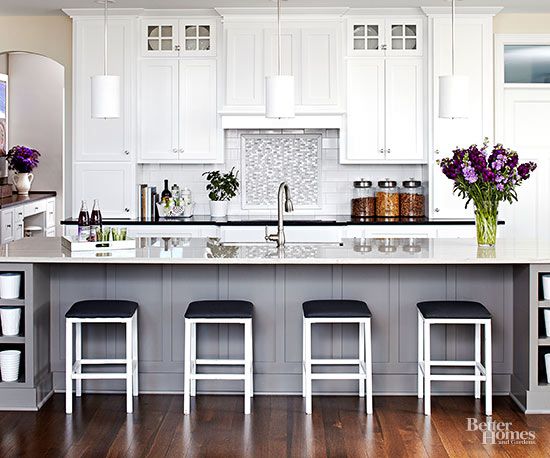

White kitchens have been called timeless, overdone, elegant, boring, and “the little black dress of home design” so many times they probably deserve their own publicist. And yet, here they arestill brightening homes, still making small spaces feel bigger, and still giving homeowners a flexible canvas that can lean farmhouse, modern, traditional, coastal, Scandinavian, cottage, or somewhere in the wonderfully indecisive middle.
The trick, of course, is not just choosing white and calling it a day. A great white kitchen is less about being stark and more about being layered. Think warm undertones, natural wood, smart lighting, tactile tile, hardworking storage, and enough personality to keep the room from feeling like a science lab with a fruit bowl. Whether you want a polished look or a lived-in one, these white kitchen ideas can help you build a space that feels fresh, functional, and unmistakably yours.
Why White Kitchens Still Work
A white kitchen remains popular for some very practical reasons. It reflects light, helps compact rooms feel more open, works with nearly every countertop material, and makes it easier to shift styles over time without ripping everything out. You can start classic and add trendy accents later, or begin minimal and layer in warmth until the room feels collected instead of clinical. White is not the whole personality of the kitchenit is the stage, and the rest of the design gets to perform.
30 White Kitchen Ideas to Suit Any Style
-
1. Choose a warm white instead of a harsh bright white
If your dream kitchen is inviting, not “operating room adjacent,” start with a soft white paint color. Creamy whites and off-whites feel gentler, flatter wood tones beautifully, and are much more forgiving in rooms with limited natural light.
-
2. Pair white cabinets with natural wood accents
Wood is the secret sauce that keeps a white kitchen from looking flat. Add oak shelves, walnut stools, a butcher block island top, or exposed ceiling beams. Suddenly the room feels grounded, textured, and like real humans cook there.
-
3. Use Shaker cabinets for timeless appeal
Shaker-style doors are a reliable crowd-pleaser because they sit comfortably between traditional and modern. In white, they look crisp without being flashy, and they can handle everything from brass knobs to matte black pulls without throwing a fit.
-
4. Go floor-to-ceiling with cabinetry
White upper cabinets that extend to the ceiling can make a kitchen feel taller while squeezing out more storage. This is especially helpful in smaller kitchens where every inch matters and the top shelf can become home to holiday platters and mystery gadgets.
-
5. Add a contrasting island
A white perimeter kitchen with a wood, navy, green, or charcoal island adds visual structure without sacrificing brightness. It is an easy way to break up the all-white look and create a focal point right where everyone gathers anyway.
-
6. Try white cabinets with white countertops
Yes, white on white can work. The key is contrast through texture and finish. Pair painted cabinets with subtly veined quartz, matte tile, or a slab backsplash so the kitchen looks serene and layered instead of like one giant marshmallow.
-
7. Use a backsplash with visible texture
In a white kitchen, texture is your best friend. Handmade zellige tile, beadboard, fluted tile, or even lightly imperfect subway tile can add movement and depth without introducing a new color. It is quiet drama, which is still drama.
-
8. Mix metals for a collected look
White acts like a diplomatic neutral, so it can handle brass pendants, stainless appliances, and black cabinet hardware in the same room. Mixed metals make a kitchen feel layered and less one-note, especially when repeated thoughtfully.
-
9. Bring in black accents for crisp contrast
Black stools, window frames, faucets, or pendant lights create an instant graphic edge. A black-and-white kitchen feels classic, tailored, and just a little bit dramaticin the good way, not the “someone forgot to order the cabinets” way.
-
10. Use glass-front cabinets to lighten heavy walls
Glass-front uppers break up long runs of cabinetry and make a white kitchen feel airier. They are especially effective in traditional or cottage kitchens, where displaying dishes or glassware adds charm while still keeping the palette clean.
-
11. Add open shelving carefully
Open shelves in wood or painted white can make a kitchen feel more relaxed and personal. Just do not turn them into a clutter festival. A few everyday dishes, a stack of cookbooks, and one trailing plant will do the job nicely.
-
12. Choose statement lighting
In a white kitchen, lighting does more than illuminate. It decorates. Oversized pendants, sculptural sconces, or lantern-style fixtures add personality overhead and stop the room from looking too safe. This is where you can afford a little flair.
-
13. Layer task and ambient lighting
White kitchens look best when the lighting is layered. Use under-cabinet lighting for prep, pendants over the island, and softer ambient lighting for evenings. A bright kitchen is useful; a warmly lit kitchen is where people actually want to linger.
-
14. Let marble or quartz do the talking
If your cabinets are simple, your countertops can be the conversation starter. White marble with gray veining, polished quartz, or quartzite adds movement and richness. White cabinetry helps the stone shine instead of competing with it.
-
15. Use a slab backsplash for a cleaner look
A slab backsplash in quartz or marble creates a seamless, upscale feel. It also eliminates grout lines, which is a design win and a cleaning win. That is what experts call a rare and beautiful moment of household harmony.
-
16. Embrace white in a farmhouse kitchen
Farmhouse kitchens and white go together like biscuits and butter. Pair white cabinets with apron-front sinks, warm wood, vintage-style hardware, and maybe a beaded-board wall. The result feels cozy, classic, and pleasantly unbothered by trends.
-
17. Keep it sleek with flat-front cabinets
For a modern kitchen, choose white slab-front cabinets with minimal hardware or integrated pulls. Clean lines, smooth surfaces, and restrained details keep the space streamlined. Add one bold elementa dramatic hood or sculptural stoolsto avoid visual sleepiness.
-
18. Try a Scandinavian-inspired palette
White cabinetry, pale wood, simple hardware, and minimal decor make for an easygoing Scandinavian look. This style works particularly well in kitchens that get good daylight and in homes where the goal is calm rather than high-drama glamour.
-
19. Make a cottage kitchen feel fresh
White is a natural fit for cottage style because it keeps charming details from feeling too busy. Think beadboard, vintage-inspired lights, soft textiles, and glass cabinet doors. It is cheerful, practical, and has just enough nostalgia to be lovable.
-
20. Use wallpaper or paint in adjacent spaces
If the kitchen itself stays white, add personality around the edges. A wallpapered breakfast nook, a painted pantry door, or a colorful mudroom entry can make the whole kitchen feel more dynamic without disturbing its bright core.
-
21. Highlight architectural details
White is excellent at showing off millwork, coffered ceilings, plaster hoods, and arched doorways. If your kitchen has good bones, white lets those details take center stage. It is the design equivalent of knowing when to stop accessorizing.
-
22. Choose warm hardware finishes
Brass, champagne bronze, and antique nickel can soften the clean edges of a white kitchen. These finishes add warmth and help the room feel more tailored. Hardware may be small, but in a white kitchen, even the little things get noticed.
-
23. Add color through stools and textiles
You do not need to paint the cabinets blue to prove you have a personality. Upholstered stools, a patterned runner, Roman shades, or colorful dishware can bring life to a white kitchen and are much easier to swap later.
-
24. Use statement flooring to anchor the room
Patterned tile, checkerboard floors, brick, or richly stained wood can keep a white kitchen from floating away visually. When most surfaces are light, the floor becomes an opportunity to add weight, character, and style-specific energy.
-
25. Don’t forget the range hood
A white plaster hood, a wood-trimmed hood, or a metal statement hood can completely change the mood of the room. It is one of the biggest overlooked style opportunities in kitchen design, and in a white kitchen, it stands out beautifully.
-
26. Use panel-ready appliances for a cleaner finish
Integrated appliances help a white kitchen feel quieter and more seamless. This is especially effective in open-plan spaces where the kitchen is visible from living and dining areas. Less visual noise equals a more polished overall look.
-
27. Design with small spaces in mind
White is especially useful in galley kitchens and compact layouts because it reflects light and visually expands tight spaces. Pair it with slim pendants, reflective surfaces, and efficient storage solutions to make the room feel bigger than it is.
-
28. Include smart storage behind simple fronts
A timeless white kitchen gets even better when it is quietly hardworking. Pull-out pantry drawers, tray dividers, corner storage, deep drawers, and appliance garages keep the clean look intact while making daily life much less annoying.
-
29. Add greenery for a softer finish
Fresh herbs, a potted olive tree, or even one leafy plant can warm up a white kitchen instantly. Green and white is a naturally pleasing combination, and it gives the room a little life without changing a single permanent surface.
-
30. Personalize with art, vintage finds, and everyday objects
The best white kitchens do not feel generic. Lean a framed print on a shelf, display old cutting boards, use a vintage runner, or hang collected ceramics. White is the backdrop; your habits and taste are what make the room memorable.
How to Keep a White Kitchen From Feeling Boring
The fastest way to make a white kitchen fall flat is to rely on color alone and ignore texture, contrast, and function. If everything is the exact same white, in the exact same finish, under harsh overhead lighting, the room can feel cold in a hurry. The fix is surprisingly simple: vary the materials. Pair smooth cabinets with veined counters. Add warm wood. Mix matte and polished finishes. Use a rug, interesting stools, or a dramatic light fixture. Even a tiny lamp on the counter can make a white kitchen feel softer and more lived in after dark.
It also helps to remember that a white kitchen should support your lifestyle, not just your Pinterest board. If you cook constantly, prioritize wipeable finishes, durable counters, and smart storage. If you entertain, focus on island seating, layered lighting, and a good-looking focal point. If the kitchen is small, keep the palette bright but add character through one or two standout details. White is versatile enough to handle all of that, which is exactly why it has stuck around.
Conclusion
White kitchens are not going anywhereand honestly, they do not need to. What has changed is the way people use them. The most appealing white kitchens today are warmer, more textured, and more personal than the stark versions that dominated inspiration boards years ago. Whether your taste leans classic, modern, farmhouse, coastal, cottage, or somewhere between polished and pleasantly chaotic, white gives you room to adapt.
If you want a kitchen that feels bright, flexible, and easy to live with for years, white is still one of the smartest choices you can make. Just remember the golden rule: let white be the foundation, not the whole story.
Extra Experience: What Living With a White Kitchen Actually Feels Like
Here is the part design galleries do not always tell you: a white kitchen is less about perfection and more about rhythm. At first, most people are drawn to the brightness. The room feels cleaner, bigger, and somehow more organized even before you have found a permanent home for the air fryer. Morning light bounces off the cabinets, the counters feel crisp, and everything looks a little more awake. That first impression is real, and it is one of the biggest reasons white kitchens remain so loved.
But after the novelty wears off, everyday experience becomes the real test. This is where a well-designed white kitchen either shines or starts to feel fussy. In practice, homeowners tend to love white kitchens most when the room includes contrast and warmth. A wood island top becomes the visual break that keeps the eye comfortable. A runner softens the floor. Brass hardware catches the light at the right time of day. Even a bowl of lemons or a stack of cutting boards suddenly feels like decor because the background is so simple.
There is also something satisfying about how flexible a white kitchen can be over time. You can swap out barstools, hang a different pendant, change the hardware, or bring in seasonal accents without feeling as though the whole design has to be rethought. In summer, the kitchen can feel airy and coastal. In fall, add wood boards, copper cookware, and a darker runner, and the exact same room suddenly feels warm and grounded. White adapts well, which is helpful for people whose style evolves every six months after one inspiring trip to a home store.
Of course, living with a white kitchen also teaches a few practical lessons. Smudges happen. Coffee splashes have opinions. Grout can become a little too honest. But many people find that a white kitchen does not necessarily get dirtier than other kitchensit just makes messes more visible, which can actually encourage faster cleanup. In a strange way, that visibility helps the room stay looking fresh. You wipe, reset, and the space goes right back to feeling calm.
Emotionally, white kitchens often become gathering spaces because they feel open and easy. People naturally pull up a stool, lean on the island, and keep the cook company. The room photographs well, yes, but more importantly, it lives well when it has the right balance of softness and utility. The most successful white kitchens are not stiff showrooms. They are bright rooms with a little texture, a little personality, and enough practical thinking to support real life. That is why the style keeps surviving trend cycles. When done well, a white kitchen is not just pretty. It is peaceful, adaptable, and genuinely pleasant to come home to.
SEO Tags