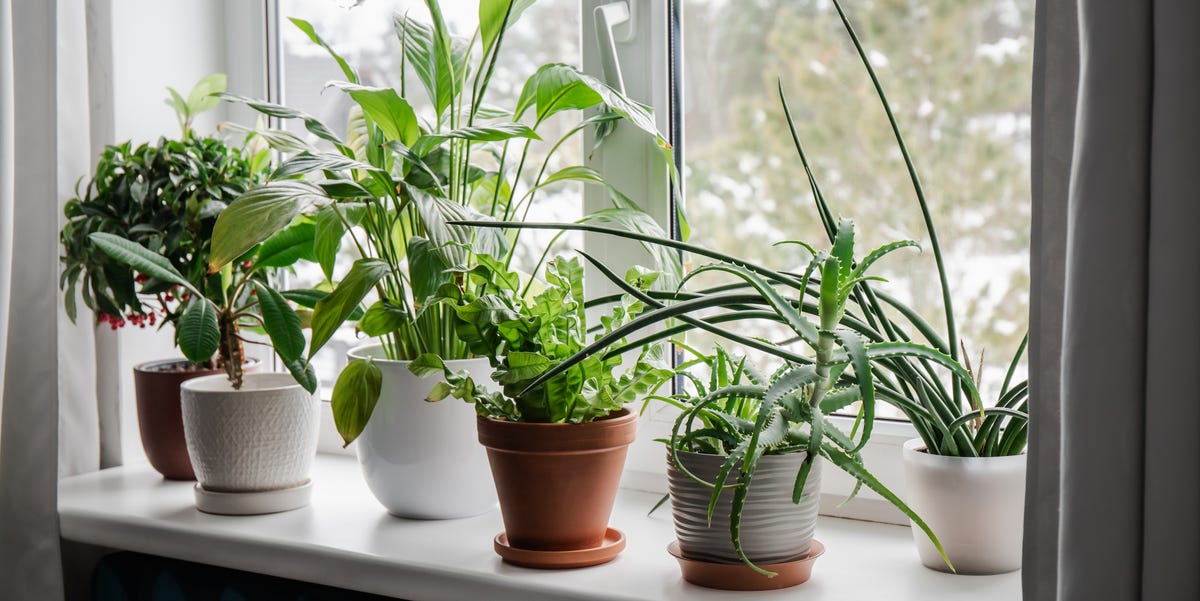

If your home ever feels like it needs a little more lifenot “buy a new couch” life, but “wow, this room
suddenly feels happier” lifeindoor plants are the easiest upgrade with the biggest mood payoff. The right
best indoor plants can make a shadowy corner feel intentional, turn a blank wall into a vibe, and
give your space that “someone responsible lives here” energy (even if your laundry says otherwise).
This guide rounds up 25 indoor plants to brighten any room, from low-light heroes to dramatic
leafy showstoppers and colorful bloomers. You’ll also get practical care tipsbecause the goal is a greener home,
not a houseplant crime scene.
How to Choose Indoor Plants That Actually Thrive
1) Start with your light (not your wishes)
Light is the dealbreaker. Before you fall in love with a plant on the internet, take an honest look at your room:
low light (north-facing windows or far from windows), medium light (bright room
with indirect light), or bright light (south/west windows with strong daylight). Most popular
houseplants prefer bright, indirect light, but several are perfectly happy in low-light apartments and offices.
2) Water less than you think (most of the time)
Overwatering is the #1 way people accidentally “unplant” their plants. A simple rule: don’t water on a schedule.
Check the soil first. If the top inch or two is still moist, step away from the watering can like it’s a
suspicious group text. When you do water, water thoroughly and let excess drainplants don’t want wet feet.
3) Match the plant to your lifestyle
If you travel, forget, or simply prefer low-maintenance wins, go for sturdy options like snake plant, ZZ plant,
pothos, spider plant, and dracaena. If you enjoy a little routine, you can graduate to fussier beauties like
calatheas and ferns that appreciate steady moisture and higher humidity.
4) If you have pets, do a quick safety check
Some common houseplants can irritate pets if chewed. If you share your home with a curious cat or dog, choose
pet-friendlier options (like spider plant, many peperomias, and some palms), place plants out of reach, or use
deterrent strategies. When in doubt, look up a plant before it becomes a snack.
5) A quick reality check on “air-purifying plants”
Many lists talk about plants “cleaning the air.” Plants can absorb certain compounds under controlled conditions,
but in real homes they’re not a substitute for ventilation, filtration, or dealing with the source of pollutants.
Still, plants can boost comfort, humidity in some cases, andmost importantlymake your space feel better.
The 25 Best Indoor Plants to Brighten Any Room
Here’s the main event: a curated mix of easy-care classics, statement plants, trailing beauties, and bloomers.
For each one, you’ll get a quick “why it brightens” plus simple care notes. (Think: the helpful friend who owns a
watering can, not the plant influencer who owns a greenhouse.)
-
Snake Plant (Dracaena trifasciata)
Why it brightens: Upright, architectural leaves add instant structurelike living decor.
Care: Tolerates low light, loves bright indirect light, and prefers drying out between
waterings. Great for bedrooms, offices, and “I forget plants exist” households. -
ZZ Plant (Zamioculcas zamiifolia)
Why it brightens: Glossy leaves look polished year-roundlike it’s permanently ready for
company.
Care: Low light tolerant, slow-growing, and drought-resistant. Water only when most of the
pot has dried. -
Golden Pothos (Epipremnum aureum)
Why it brightens: Trailing vines soften shelves, bookcases, and corners with lush greenery.
Care: Easy and forgiving. Bright indirect light keeps it fuller, but it tolerates lower
light. Let the top couple inches dry, then water. -
Heartleaf Philodendron (Philodendron hederaceum)
Why it brightens: Heart-shaped leaves = instant cozy charm.
Care: Similar to pothos. Thrives in bright indirect light, tolerates medium/low light, and
prefers slightly drying out between waterings. -
Monstera Deliciosa (Swiss Cheese Plant)
Why it brightens: Big, split leaves create that “stylish apartment” look in one move.
Care: Bright indirect light is best. Water when the top 2 inches are dry. Give it a moss
pole if you want bigger leaves. -
Rubber Plant (Ficus elastica)
Why it brightens: Bold, glossy leaves look dramatic in minimalist rooms.
Care: Bright indirect light helps it thrive. Water when the top layer dries. Rotate the pot
occasionally for even growth. -
Fiddle Leaf Fig (Ficus lyrata)
Why it brightens: Large violin-shaped leaves are basically interior design’s power suit.
Care: Likes bright, consistent light and steady routines. Water when the top few inches are
dry, and avoid cold drafts and constant moving. -
Dracaena (Corn Plant) (Dracaena fragrans)
Why it brightens: Tall, leafy canes fill vertical space and make rooms feel finished.
Care: Tolerates low light but grows best in bright indirect. Water when the pot is partly
dry; don’t keep it soggy. -
Chinese Evergreen (Aglaonema)
Why it brightens: Variegated leaves (silver, pink, red tones) add color without flowers.
Care: One of the best low-light indoor plants. Water when the top inch or two dries; enjoys
warmer rooms. -
Peace Lily (Spathiphyllum)
Why it brightens: Elegant white blooms plus glossy leavesinstant “spa corner.”
Care: Likes medium to bright indirect light and evenly moist (not drenched) soil. It often
“tells you” when it’s thirsty by drooping, then perks up after watering. -
Spider Plant (Chlorophytum comosum)
Why it brightens: Arching striped leaves look lively, and it makes adorable baby “spiderettes.”
Care: Bright indirect is ideal, but it adapts. Water when the top couple inches dry. Great
for hanging baskets. -
Parlor Palm (Chamaedorea elegans)
Why it brightens: Soft, feathery fronds add a gentle, airy feellike a green filter.
Care: Handles lower light better than many palms. Keep soil lightly moist, not soggy, and
avoid blasting it with direct sun. -
Areca Palm (Dypsis lutescens)
Why it brightens: Big, sunny fronds bring vacation energy to living rooms.
Care: Prefers bright, indirect light and slightly moist soil. Appreciates higher humidity. -
Cast Iron Plant (Aspidistra elatior)
Why it brightens: Deep green, sturdy leaves look classy and calm.
Care: Famous for tolerancelow light, inconsistent watering, and general human behavior.
Water only when most of the soil is dry. -
Pilea Peperomioides (Chinese Money Plant)
Why it brightens: Round “pancake” leaves look playful and modern.
Care: Bright indirect light keeps it compact. Water when the top inch dries. Rotate it so it
grows evenly instead of leaning like it’s eavesdropping. -
Peperomia obtusifolia (Baby Rubber Plant)
Why it brightens: Thick, glossy leaves give you the “lush” look without drama.
Care: Prefers bright indirect light, tolerates medium light. Let the soil dry a bit between
wateringspeperomias hate soggy roots. -
Hoya (Hoya carnosa)
Why it brightens: Trailing vines plus the potential for fragrant, starry blooms.
Care: Bright indirect light is best. Water when mostly dry; hoyas like drying out more than
most tropicals. -
String of Hearts (Ceropegia woodii)
Why it brightens: Delicate heart-shaped leaves spill beautifully from shelves.
Care: Bright light near a window works well. Water when the potting mix dries outthink
succulent-ish behavior. -
String of Pearls (Curio rowleyanus)
Why it brightens: It’s quirky, sculptural, and basically plant jewelry for your home.
Care: Needs bright light and careful watering. Let soil dry out; avoid overwatering to
prevent mushy stems. -
Bird’s Nest Fern (Asplenium nidus)
Why it brightens: Glossy wavy fronds create a fresh, tropical centerpiece.
Care: Likes medium to bright indirect light and higher humidity. Keep soil lightly moist,
and avoid pouring water directly into the “nest” (center). -
Boston Fern (Nephrolepis exaltata)
Why it brightens: Full, fluffy fronds make a room feel abundant and alive.
Care: Prefers bright indirect light and consistent moisture. Great for bathrooms with
natural light or rooms where you can add humidity. -
Prayer Plant (Maranta leuconeura)
Why it brightens: Patterned leaves look hand-painted, and they move slightly with light changes.
Care: Medium, indirect light and evenly moist soil. Appreciates humidity; crispy edges often
mean “dryer air than I’d like.” -
Calathea (Goeppertia species)
Why it brightens: Bold leaf patterns (stripes, spots, brushstrokes) bring instant color.
Care: Medium indirect light, steady moisture, and higher humidity. If you want a “project”
plant that rewards attention, this is it. -
African Violet (Saintpaulia)
Why it brightens: Real flowers indoorspurple, pink, whitewhen you need color the most.
Care: Bright, indirect light and evenly moist soil. Many growers prefer bottom watering to
avoid spotting leaves. A sunny windowsill (without harsh direct sun) is often perfect. -
Phalaenopsis Orchid (Moth Orchid)
Why it brightens: Long-lasting blooms that look expensive (even if they weren’t).
Care: Bright indirect light. Water when the potting media is nearly dry (often weekly-ish),
and make sure the orchid isn’t sitting in water. Bonus: blooms can last for weeks. -
Anthurium (Flamingo Flower)
Why it brightens: Waxy, heart-shaped “flowers” (actually spathes) in red, pink, or white.
Care: Bright indirect light, moderate watering (let the top inch dry), and higher humidity
for best flowering.
Quick Styling Tricks to Make Any Room Look Brighter (With Plants)
-
Use “green lighting”: Put lighter-leaved or variegated plants (pothos, aglaonema varieties,
spider plant) where you want the room to feel brighter. -
Group in threes: A trio at different heights looks intentional and lushlike you planned it,
not like you impulse-bought it at checkout. -
Mix leaf shapes: Pair a spiky snake plant with a trailing pothos and a round-leaved pilea for
instant visual contrast. -
Go vertical: Use tall plants (dracaena, palms, fiddle leaf fig) to fill awkward corners and
draw the eye upwardrooms feel bigger and brighter. - Choose light planters: White, terracotta, or woven baskets reflect light and keep the look airy.
Common Houseplant Problems (And How to Fix Them Without Panic)
Yellow leaves
Often a watering issueespecially too much water. Check drainage, let the soil dry more between waterings, and
make sure the pot isn’t holding excess water.
Brown crispy tips
Can mean dry air, inconsistent watering, or mineral-heavy water. Try watering more consistently, increasing
humidity (group plants, pebble tray, humidifier), or using filtered water for sensitive plants.
Leggy growth
Usually not enough light. Move the plant closer to a window or add a simple grow lightespecially during darker
winter months.
Gnats and pests
Fungus gnats love constantly wet soil. Let soil dry more, use sticky traps, and consider a top-dressing or
targeted treatment. For common pests, isolate the plant and treat earlysmall problems are easy; big infestations
are… character-building.
Experience Notes: What “Plant Life” Really Feels Like (500+ Words)
If you’re new to indoor gardening, here’s the most comforting truth: almost everyone has a learning curve. The
internet makes it look like people casually keep a rainforest in their living room while wearing linen and
sipping matcha. In reality, most plant parents start with one sturdy survivor (hello, pothos) and slowly level up
through a series of tiny victories and occasional “why is it… drooping like that?” moments.
One of the most common experiences is discovering that watering less often leads to better
results. People tend to overwater because it feels helpfullike you’re doing something. But once you get used to
checking the soil first, the whole hobby becomes calmer. You stop reacting and start observing. You notice how
different plants communicate: peace lilies dramatize thirst with a faint, theatrical slump; snake plants quietly
judge you in silence; ferns look gorgeous… until the air gets dry and they begin a slow campaign of crispy tips.
Another classic milestone is learning what “bright, indirect light” actually means. Many people realize their
“bright room” is bright to humans but not necessarily bright to plants. The fix is usually simple: slide the plant
a few feet closer to a window, rotate it occasionally, or add a small grow light in a dim corner. Suddenly, the
plant stops stretching toward the light like it’s trying to escape, and instead fills out with healthier growth.
This is when indoor plants start looking less like “a plant” and more like “decor you can’t stop staring at.”
There’s also a very real emotional shift that happens once you have a few houseplants. You begin designing your
space around themin a good way. A bare shelf becomes the perfect spot for a trailing philodendron. A harsh corner
becomes a palm corner. You start noticing microclimates: the bathroom is more humid (fern-friendly), the windowsill
gets strong morning sun (orchid-friendly), the hallway is low light (snake plant territory). Your home becomes a
little ecosystem, and you start making choices that support it.
Then comes propagationthe moment you realize indoor plants are not only pretty, they’re also generous. Pothos and
philodendrons can be snipped and rooted. Spider plants hand you babies like they’re proud grandparents. Watching a
cutting turn into a new plant is one of the most satisfying “I did that” experiences in home care, and it’s a huge
reason people get hooked.
The final “experience” most indoor gardeners share is learning to embrace seasons. Growth often slows in winter,
and that’s normal. You water a bit less, you stop expecting new leaves every week, and you focus on maintenance:
wiping leaves, checking for pests, rotating pots for even growth. By spring, the plants reboundand you feel like a
wizard, even though your main spell was “patience.”
If you want your indoor plants to brighten any room long-term, the secret isn’t perfection. It’s consistency,
curiosity, and choosing plants that match your home and your habits. Start with easy wins, build confidence, and
let your plant collection grow at a pace that feels funnot stressful. Your rooms will look brighter, feel warmer,
and you’ll get the quiet satisfaction of keeping something alive that isn’t a phone battery.
Final Thoughts
The best houseplants aren’t the trendiest onesthey’re the ones that thrive where you live. Pick a few plants that
match your light and your lifestyle, mix leaf shapes and heights, and give them the simple basics: the right
light, smart watering, and decent drainage. Do that, and you’ll have a home that feels brighter, fresher, and more
welcomingone leafy corner at a time.


