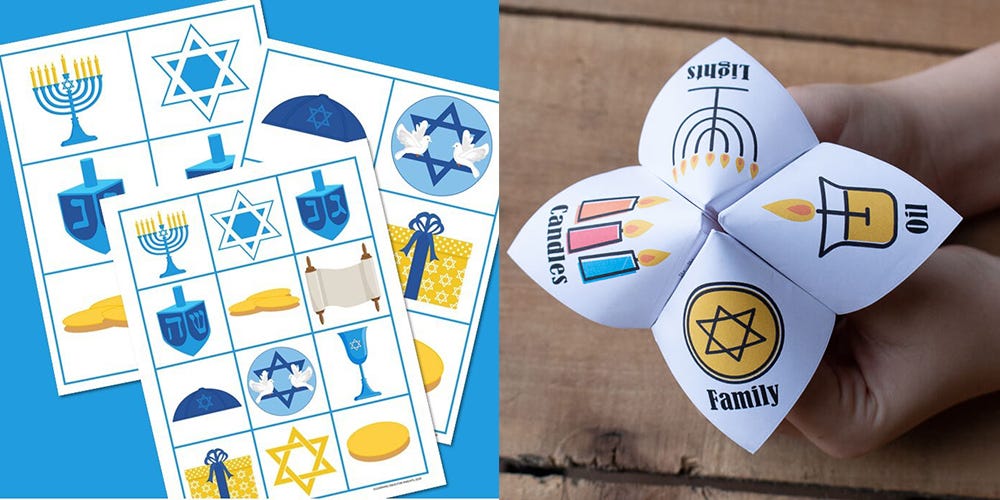

Hanukkah has a wonderful way of turning an ordinary winter evening into something warm, bright, noisy, delicious, and just a little sticky with sufganiyot filling. Known as the Jewish Festival of Lights, Hanukkah lasts eight nights and celebrates the rededication of the Second Temple in Jerusalem, along with the enduring theme of light overcoming darkness. Families mark the holiday by lighting the hanukkiah, singing songs, eating foods fried in oil, giving gelt, and, of course, spinning the dreidel until someone dramatically declares themselves the champion of the living room.
But here is the best part: Hanukkah games and activities do not need to be complicated to be meaningful. A few candles, a dreidel, chocolate coins, craft supplies, music, storytelling, and a good sense of humor can carry an entire evening. Whether you are planning a classroom celebration, a synagogue party, a cozy family night, or a full-on latke-fueled gathering with cousins who take dreidel way too seriously, these ideas bring together traditional Hanukkah games and fresh activities for all ages.
Below are 20 festive Hanukkah games and activities that honor the holiday’s traditions while keeping the mood joyful, inclusive, and easy to organize. Some are classic, some are creative, and a few may cause glitter to appear in your carpet until Passover. Consider yourself lovingly warned.
Why Hanukkah Games Matter
Hanukkah is not only about remembering history; it is also about passing memory from one generation to the next. Games help children and adults connect with the symbols of the holiday in a hands-on way. A dreidel teaches Hebrew letters. A menorah craft helps kids understand the eight nights of candle lighting. A light hunt makes the theme of brightness feel real. A storytelling game turns the Hanukkah story into something children can retell in their own words.
Traditional Hanukkah games also make space for togetherness. The holiday happens at home, around tables, near windows, in classrooms, and in community spaces. These activities give everyone something to do after the candles are lit and before the last latke disappears under suspicious circumstances.
20 Festive Hanukkah Games and Activities
1. Classic Dreidel Game
No list of traditional Hanukkah games would be complete without the dreidel. Each player starts with the same number of game pieces, such as chocolate gelt, pennies, raisins, nuts, buttons, or small candies. Everyone contributes one piece to the center pot. Then players take turns spinning the dreidel.
The four Hebrew letters guide the action: Nun means take nothing, Gimel means take everything, Hey means take half, and Shin means put one in. The game continues until one player collects all the pieces, or until the adults decide bedtime has won. This simple game teaches patience, counting, turn-taking, and holiday vocabulary.
2. Dreidel Tournament Night
Turn the classic dreidel game into a tournament. Create a bracket with family members, classmates, or party guests. Winners move to the next round, and the final champion receives a small prize, such as extra gelt, a funny paper crown, or the highly prestigious title of “Supreme Spinner of Kislev.”
To keep younger players engaged, use short rounds. Set a timer for five minutes, then count pieces when the timer rings. This prevents one very lucky player from holding the room hostage for 45 minutes with a mountain of chocolate coins.
3. Guess the Gelt Jar
Fill a clear jar with chocolate gelt and ask each guest to guess how many coins are inside. Write guesses on small cards. At the end of the evening, count the gelt and announce the winner. The prize can be the jar itself or a smaller bag of treats.
This is a low-effort Hanukkah party game that works especially well near the entrance table. It also gives guests something to do while the host is saving the latkes from becoming potato confetti.
4. Hanukkah Bingo
Create bingo cards filled with Hanukkah words and images: menorah, dreidel, gelt, latke, oil, candle, shamash, sufganiyot, Maccabees, light, miracle, and song. Use small candies or buttons as markers. Call out clues instead of just words to make the game educational.
For example, instead of saying “shamash,” say, “This helper candle lights the others.” Players learn holiday terms while playing, which is always a win. Education sneaks in wearing a party hat.
5. Menorah Memory Match
Make pairs of cards featuring Hanukkah symbols, Hebrew letters, foods, and colors. Lay the cards face down and let players flip two at a time to find matches. For younger children, use fewer pairs. For older kids, add challenge cards with vocabulary definitions.
This activity is perfect for preschoolers and early elementary students because it builds focus and recognition. It can also be played quietly after candle lighting, when everyone wants something calmer than a sugar-powered dance contest.
6. Build a LEGO Menorah
Invite kids to build a menorah using LEGO bricks, wooden blocks, or other construction toys. The goal is to include eight candle spots plus the shamash, the helper candle. You can set out blue, white, yellow, silver, and gold pieces, but creativity should be encouraged.
Some children may build a traditional-looking menorah. Others may create a dinosaur menorah, spaceship menorah, or castle menorah guarded by tiny plastic knights. As long as it sparks curiosity about the holiday, it counts.
7. Hanukkah Freeze Dance
Play festive Hanukkah songs and let everyone dance. When the music stops, players freeze like candles in a menorah. Anyone who moves is out for one round or must do a silly “latke pose” before rejoining.
This game is excellent for children who have been sitting too long. It also works beautifully at family parties because adults often pretend they are “just helping the kids,” then suddenly become very invested in their dance moves.
8. Candle Color Hunt
Use colored Hanukkah candles or paper candle cutouts. Hide them around the room and ask children to find matching colors. You can also call out a color and have kids race to find the right candle.
This simple activity helps younger children practice color recognition while connecting the game to candle lighting. Keep real candles out of reach and use paper versions for the hunt to avoid turning the activity into a tiny fire-safety seminar.
9. Light Hunt Adventure
Since Hanukkah celebrates light, organize a “light hunt” around the house, classroom, or neighborhood. Players look for lamps, candles, flashlights, streetlights, reflections, stars, window lights, or glowing decorations. Give each child a checklist and let them mark what they find.
Afterward, gather everyone and ask what their favorite source of light was. This activity can lead to a thoughtful conversation about hope, kindness, courage, and how even a small light can change a dark room.
10. Decorate Your Own Dreidel
Provide blank wooden dreidels, paper dreidel templates, or cardboard cutouts. Let guests decorate them with markers, stickers, paint, glitter, or washi tape. Encourage kids to include the Hebrew letters or create patterns inspired by candles and stars.
For a party, set up a craft station where finished dreidels can dry while guests play other games. By the end, everyone has a handmade keepsake. The only downside is glitter. Glitter is not a craft supply; it is a long-term roommate.
11. Dreidel Spin Art
Place paper inside a shallow box or tray. Dip the tip of a dreidel lightly in washable paint, then spin it across the paper. The result is a swirl of colorful lines that looks like holiday joy had a dance party.
This activity is messy in the best possible way. Use washable materials, cover the table, and keep wipes nearby. It is especially fun for young children because every spin produces a surprise design.
12. Latke Topping Taste Test
Set out small latkes with different toppings: applesauce, sour cream, yogurt, cinnamon apples, smoked salmon, herbs, or a savory dip. Let guests vote for their favorite combination. You can create categories like “Most Traditional,” “Most Surprising,” and “Best Bite.”
This is a delicious Hanukkah activity for families and adults. It also gives people a chance to talk about food traditions, including how fried foods connect to the story of the oil that lasted eight days.
13. Sufganiyot Decorating Station
Set up plain jelly doughnuts or mini doughnuts with icing, sprinkles, powdered sugar, chocolate drizzle, and edible decorations. Each person creates a custom sufganiyah. Younger children can decorate; older kids can compete for categories like “Most Beautiful,” “Funniest,” or “Most Likely to Require a Napkin Team.”
This activity is sweet, festive, and photogenic. It also works as dessert, which means the game and snack budget can peacefully share one plate.
14. Hanukkah Story Charades
Write Hanukkah-related words or scenes on slips of paper: lighting the menorah, spinning a dreidel, making latkes, carrying oil, singing songs, finding the shamash, or celebrating with family. Players act out the clues without speaking while others guess.
For older children, include historical ideas such as the Maccabees, the Temple, or the miracle of oil. Charades makes the Hanukkah story active and memorable instead of something children only hear once and forget before dessert.
15. Maccabee Obstacle Course
Create a playful indoor obstacle course inspired by courage and perseverance. Children can crawl through a “cave” made from chairs and blankets, balance a pretend oil jug, toss soft balls into baskets, and finish by placing a paper flame on a menorah poster.
This activity is not meant to reenact history literally. It is a movement-based way to talk about bravery, teamwork, and determination. Plus, it helps kids burn energy before candle lighting, which is a gift to everyone in the room.
16. Hanukkah Trivia Challenge
Prepare trivia questions for different age levels. Easy questions might include: “How many nights is Hanukkah?” or “What is the spinning top called?” Harder questions can ask about the Hebrew calendar, the shamash, traditional foods, or why oil is important.
Divide guests into teams and let them answer together. Add a speed round for extra excitement. Trivia works well for classrooms, youth groups, and family gatherings because it mixes learning with friendly competition.
17. Make Hanukkah Cards
Set out cardstock, markers, stickers, stamps, and envelopes. Guests can make Hanukkah cards for grandparents, neighbors, teachers, friends, or members of the community. Encourage messages about light, joy, gratitude, and peace.
This activity adds a kindness element to the celebration. It reminds children that Hanukkah is not only about receiving treats or gifts; it is also about sharing warmth with others.
18. Hanukkah Song Guessing Game
Play short clips of Hanukkah songs or hum a melody and have guests guess the tune. You can include classics, children’s songs, and modern versions. For a low-tech version, write song titles on slips of paper and have players draw one to hum or clap.
Music brings instant energy to a Hanukkah gathering. It also helps connect generations, especially when older relatives know songs that younger family members are hearing for the first time.
19. Eight Nights Kindness Challenge
Create a kindness card for each night of Hanukkah. Each card includes one simple action: call a relative, donate canned food, write a thank-you note, help clean up after dinner, share gelt, give someone a compliment, read a holiday story together, or bring light to someone’s day.
This is less of a competitive game and more of a meaningful activity. It connects the symbol of light with real behavior. Children learn that being a light in the world can be practical, small, and powerful.
20. Family Hanukkah Talent Show
End the evening with a mini talent show. Guests can sing a song, tell a joke, perform a skit, recite a poem, show a drawing, spin a dreidel trick, or present their best dramatic reading of a latke recipe. Keep performances short and cheerful.
A Hanukkah talent show creates memories because it gives everyone a moment to shine. It is especially fun across generations. Grandparents, parents, teens, and young children can all participate at their comfort level.
Tips for Hosting Hanukkah Games and Activities
Keep the Holiday Meaning at the Center
Games are fun, but Hanukkah activities become more memorable when they connect back to the holiday’s meaning. Before a game begins, take one minute to explain the symbol behind it. A dreidel connects to tradition and Hebrew letters. A light hunt connects to hope. Fried food connects to the miracle of oil. Cards connect to kindness and community.
Plan for Different Ages
A successful Hanukkah party usually includes people with different attention spans, from toddlers who want to eat the bingo markers to adults who have strong opinions about latke texture. Offer a mix of active games, quiet crafts, food activities, and conversation starters. That way, everyone finds a place to participate.
Make It Easy to Join
The best Hanukkah games do not require complicated instructions. Keep supplies visible, rules short, and rounds quick. If guests arrive late, they should be able to jump in without needing a full orientation packet. This is a party, not a software installation.
Respect Tradition and Family Differences
Hanukkah customs can vary from family to family and community to community. Some families emphasize religious rituals, some focus on cultural traditions, and many do both. When hosting, create a welcoming environment by explaining activities clearly and respectfully. If you are organizing a classroom event, present Hanukkah as a Jewish holiday with meaningful history rather than simply a winter craft theme.
Experience-Based Ideas: Making Hanukkah Games Feel Warm, Not Overplanned
One of the best lessons from planning Hanukkah games is that the most successful moments are rarely the most polished ones. The memory people talk about later is not always the perfectly arranged craft table. It is the uncle who spun the dreidel so hard it flew under the couch. It is the toddler who proudly put three candles in the wrong place and announced the menorah was “done.” It is the teenager who pretended not to care about trivia and then whispered every answer to their team like a holiday scholar in disguise.
In real life, Hanukkah activities work best when they feel flexible. A family night might begin with candle lighting, move into a quick dreidel game, and then shift naturally into snacks and stories. Not every activity needs to be played by everyone. Some children love crafts and will happily decorate dreidels for an hour. Others want motion, music, and a reason to jump. Adults may prefer food-based activities, trivia, or simply watching the kids laugh while they sip tea and guard the last latke.
A helpful approach is to organize the evening around “stations.” One table can hold dreidels and gelt. Another can have cards or crafts. A kitchen counter can become the sufganiyot decorating zone. A small open space can be reserved for freeze dance or charades. Stations reduce pressure because guests can move around naturally. No one feels trapped in a single game, and the host does not have to become a cruise director with a menorah.
Another experience-based tip is to prepare a few conversation prompts. Hanukkah is rich with themes that children can understand: courage, light, gratitude, identity, and hope. After a light hunt, ask, “What is one way you can bring light to someone this week?” After a kindness challenge, ask, “Who helped you recently?” These questions do not need to be heavy. They simply add meaning to the fun.
Food activities are especially powerful because taste and smell create strong memories. The scent of latkes frying, the sweetness of sufganiyot, and the crinkle of chocolate gelt wrappers become part of the holiday atmosphere. If you are hosting children, make the food activities small and manageable. Mini latkes are easier for tasting games. Mini doughnuts are easier for decorating. Small portions also reduce waste and prevent the evening from turning into a frosting avalanche.
For classroom or community events, inclusion matters. Some children may be learning about Hanukkah for the first time, while others celebrate it every year. Avoid presenting the holiday as simply “Jewish Christmas,” because Hanukkah has its own history, symbols, and meaning. Instead, explain that it is an eight-night Jewish festival connected to light, dedication, and resilience. Then let the games reinforce those ideas.
Finally, remember that a joyful Hanukkah gathering does not require expensive supplies. A homemade paper bingo card, a borrowed dreidel, a bowl of raisins used as game pieces, and a few songs can create a beautiful evening. The goal is not perfection. The goal is connection. When people leave feeling warmer, brighter, and maybe slightly full of doughnuts, the celebration has done its job.
Conclusion
Hanukkah games and activities bring the Festival of Lights to life in ways that are playful, memorable, and meaningful. The traditional dreidel game remains the star of the celebration, but it is only the beginning. Families, teachers, and hosts can add menorah crafts, music games, trivia, food tastings, kindness challenges, and storytelling activities to make each of the eight nights feel special.
The best Hanukkah celebrations balance fun with meaning. A child spinning a dreidel is not just playing; they are touching a tradition. A family lighting candles is not just following a routine; they are adding light one night at a time. A group decorating doughnuts may look like they are mostly creating a sugar storm, but they are also building memories. And really, that is the magic of Hanukkah: small lights, shared stories, warm food, joyful noise, and people gathered together when the nights are longest.


