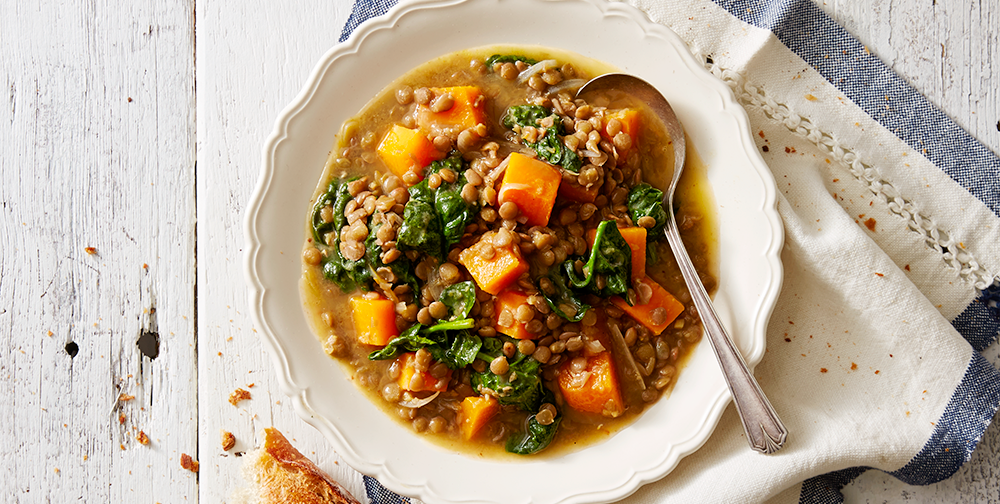

Butternut squash soup is the culinary equivalent of putting on a soft sweaterwarm, familiar, and immediately comforting. The difference is that nobody has ever accidentally shrunk a bowl of soup in the dryer.
With its naturally sweet, nutty flavor and smooth texture, butternut squash can become a creamy soup without requiring cups of heavy cream. It also plays nicely with apples, curry powder, coconut milk, fresh herbs, smoky bacon, lentils, cheese, and practically every fall spice hiding in the back of your cabinet.
The best butternut squash soup recipes generally follow one of two paths. You can roast the squash to develop browned, caramelized flavors, or simmer cubed squash directly in broth for a faster weeknight meal. Roasting creates greater depth, while simmering keeps the process simple and usually gets dinner on the table sooner.
This guide provides a dependable master method, 20 distinctive recipe variations, topping ideas, troubleshooting advice, and practical lessons learned from making pot after pot of orange soup.
How to Choose and Prepare Butternut Squash
Choose a squash that feels heavy for its size and has firm, matte, evenly tan skin. Avoid specimens with soft spots, deep cuts, or obvious green patches. A long, thick neck is especially useful because it provides more solid flesh and a smaller seed cavity.
To prepare it safely, place the squash on a stable cutting board, trim both ends, peel it with a sturdy vegetable peeler, and separate the narrow neck from the rounded base. Cut each section in half, scoop the seeds from the base, and slice the flesh into evenly sized cubes. A sharp knife is safer and easier to control than a dull one attempting an unauthorized escape across the counter.
Precut squash is perfectly acceptable when convenience matters. Frozen cubes also work well in simmered soups, although fresh squash generally browns more effectively when roasted.
A Foolproof Easy Butternut Squash Soup Base
Basic Ingredients
- 1 medium butternut squash, about 2 1/2 to 3 pounds
- 1 medium yellow onion, chopped
- 2 garlic cloves, minced
- 2 tablespoons olive oil or butter
- 4 cups vegetable or chicken broth
- 1/2 teaspoon kosher salt, plus more as needed
- 1/4 teaspoon black pepper
- Optional: 1/2 cup cream, half-and-half, or coconut milk
Easy Stovetop Method
- Peel, seed, and cut the squash into one-inch cubes.
- Heat the oil or butter in a Dutch oven over medium heat. Add the onion and cook for 6 to 8 minutes, until soft.
- Add the garlic and cook for approximately 30 seconds.
- Add the squash, broth, salt, and pepper. Bring to a boil, then reduce the heat and simmer for 20 to 25 minutes.
- When the squash can be crushed easily with a fork, blend the soup until smooth.
- Stir in the optional cream or coconut milk. Taste and adjust the seasoning before serving.
For a more intense flavor, toss the squash and onion with oil and roast them at 425°F until tender and browned, usually 30 to 40 minutes. Transfer the roasted vegetables to a pot, add warm broth, and blend. Roasting concentrates sweetness and adds savory complexity through browning.
An immersion blender is the easiest tool for puréeing soup directly in the pot. When using a countertop blender, allow the mixture to cool slightly, work in small batches, leave room for steam to escape, and hold the lid securely with a folded kitchen towel.
20 Best Butternut Squash Soup Recipes
1. Classic Creamy Butternut Squash Soup
Begin with the basic stovetop recipe and finish it with 1/2 cup of heavy cream. Add a small pinch of nutmeg and white pepper for warmth without overwhelming the squash. Garnish with cream, chopped chives, and freshly cracked black pepper. This is the dependable crowd-pleaser to make when experimental relatives are coming for dinner.
2. Roasted Butternut Squash Soup
Roast cubed squash, onion, and garlic until the edges are deeply golden. Blend them with warm vegetable broth and a tablespoon of butter. The caramelized vegetables produce a fuller flavor than boiled squash, so the finished soup needs very little decoration beyond toasted seeds and good olive oil.
3. Vegan Coconut Butternut Squash Soup
Replace dairy with full-fat coconut milk and use vegetable broth. Fresh ginger, garlic, and lime juice prevent the coconut and squash from becoming excessively sweet. Finish each bowl with cilantro, sliced scallions, and a few drops of chili oil. Coconut milk and ginger are frequently paired with squash because they provide richness, fragrance, and contrast.
4. Curried Butternut Squash Soup
Cook one to two tablespoons of mild curry powder with the onion before adding the squash. Stirring spices briefly in fat releases their aroma and distributes the flavor throughout the pot. Add coconut milk for a creamy version, then serve with toasted cashews, coconut flakes, or a spoonful of yogurt.
5. Butternut Squash and Apple Soup
Add two peeled tart apples to the pot with the squash. Granny Smith apples provide brightness, while Honeycrisp or Fuji apples make the soup sweeter. Ground ginger, coriander, and a dash of cayenne create balance. Garnish with finely diced apple tossed in lemon juice for fresh crunch.
6. Butternut Squash Soup With Sage
Sauté six fresh sage leaves in butter until crisp, then set them aside for garnish. Use the sage-infused butter to cook the onion and garlic. Blend the soup with a little Parmesan and top it with the crispy leaves. Sage provides an earthy counterpoint to the squash’s natural sweetness.
7. Spicy Southwest Butternut Squash Soup
Add diced red bell pepper, jalapeño, cumin, coriander, oregano, and smoked paprika. Blend only three-quarters of the soup if you prefer a slightly chunky texture. Top it with avocado, lime, cilantro, crushed tortilla chips, or black beans for a meal that has moved several time zones away from ordinary purée.
8. Thai-Inspired Butternut Squash Soup
Sauté red curry paste with garlic and ginger before adding squash, broth, and coconut milk. Finish the soup with lime juice, a small splash of soy sauce, and fresh basil or cilantro. Adjust the curry paste gradually because brands vary considerably in heat and saltiness.
9. Butternut Squash and Carrot Soup
Replace approximately one-third of the squash with sliced carrots. Add fresh thyme and a strip of orange zest while the vegetables simmer, removing the zest before blending. Carrots reinforce the color and sweetness, while citrus brings enough acidity to keep the soup lively.
10. Butternut Squash and Sweet Potato Soup
Combine equal quantities of cubed squash and sweet potato with onion, garlic, and vegetable broth. Season with cumin, cinnamon, and smoked paprika. This thicker, more substantial soup is particularly good with lemon juice and a spoonful of Greek yogurt stirred into each serving.
11. Butternut Squash and Lentil Soup
Add one cup of rinsed red lentils and an additional two cups of broth to the basic recipe. Simmer until the lentils collapse and the squash is tender. Blend completely or leave it rustic. Cumin, coriander, cinnamon, parsley, yogurt, and lemon turn it into a hearty plant-based dinner rather than a dainty appetizer.
12. Miso-Ginger Butternut Squash Soup
Blend cooked squash with ginger, vegetable broth, and two tablespoons of white miso. Add the miso after lowering the heat and avoid aggressively boiling the finished soup. Lemon juice, cilantro, scallions, sesame seeds, and chili crisp create a savory, tangy bowl with far more personality than its short ingredient list suggests.
13. Bacon Butternut Squash Soup
Cook chopped bacon until crisp, reserve it, and sauté the onion in a tablespoon of the rendered fat. Add squash, potato, apple, and chicken broth. Blend until smooth, then top each serving with bacon and thin apple slices. The smoky, salty bacon balances the sweet vegetables beautifully.
14. Butternut Squash and Italian Sausage Soup
Brown mild or hot Italian sausage in the pot, remove it, and prepare the soup in the remaining drippings. Return the sausage after blending, along with chopped kale or spinach. This variation is thick, savory, and filling enough to qualify as dinner without requiring a committee meeting.
15. Apple-Cheddar Butternut Squash Soup
Cook squash with onion, tart apple, a small potato, cider, and chicken broth. Blend until smooth, then gradually stir in sharp cheddar over low heat. Do not boil once the cheese has been added. Serve with extra cheddar, toasted bread, or cheese crostini for dipping.
16. Pumpkin-Spice Butternut Squash Soup
Season the soup with cinnamon, ginger, allspice, and a restrained pinch of cloves. Add a small amount of maple syrup only after tasting; the squash may already be sufficiently sweet. Black pepper, cayenne, or lemon juice keeps this savory soup from wandering into dessert territory.
17. Persian-Inspired Butternut Squash Soup
Combine squash with sweet potato, turmeric, cinnamon, maple syrup, and a subtle splash of orange blossom water. Add the floral ingredient carefullya little is elegant, while too much makes dinner smell as though it was catered by a perfume counter. Finish with pistachios, herbs, and lemon.
18. Sheet-Pan Butternut Squash Soup
Roast squash, onion, carrot, celery, and garlic together on one rimmed baking sheet. Transfer everything to a blender with hot broth, purée, and reheat if necessary. This method limits stovetop work and creates browned flavor without requiring multiple pans or advanced dishwashing negotiations.
19. Slow-Cooker Butternut Squash Soup
Add squash, onion, carrot, apple, garlic, thyme, and broth to a slow cooker. Cook on low until very tender, then blend and add cream or coconut milk. This is an excellent hands-off option, although roasted versions will have more caramelization. Use vegetable broth to keep it vegan.
20. Instant Pot Butternut Squash Soup
Sauté the onion and garlic using the pressure cooker’s sauté function. Add squash, apple, sage, and broth, then pressure-cook until soft. Blend after releasing the pressure according to the appliance instructions. It is a practical choice when you want homemade soup quickly and forgot to begin the slow-cooker version six hours ago.
How to Balance the Flavor
Butternut squash is naturally sweet, so a successful soup usually needs contrasting flavors. Add salt gradually, then introduce acidity with lemon juice, lime juice, apple cider vinegar, or dry wine. Fresh herbs add fragrance, chile provides heat, and ingredients such as miso, Parmesan, bacon, or roasted garlic contribute savory depth.
If the soup tastes flat, it rarely needs more cream. It probably needs salt or acid. Add a pinch of salt and a teaspoon of lemon juice, stir, and taste again before making larger adjustments.
Best Toppings for Butternut Squash Soup
A perfectly smooth soup benefits from something crunchy, fresh, or tangy on top. Good options include toasted pumpkin seeds, fried sage, crispy bacon, croutons, roasted chickpeas, chopped cashews, sliced scallions, diced apples, fresh herbs, chili crisp, sour cream, Greek yogurt, coconut milk, or grated cheese.
Use two or three toppings with different textures rather than emptying the entire pantry into one bowl. Soup should look inviting, not as though it lost a bet at the salad bar.
Common Butternut Squash Soup Problems
The Soup Is Too Thick
Add warm broth, water, milk, or coconut milk in small increments until the desired consistency is reached. Remember that the soup will thicken further as it cools.
The Soup Is Too Thin
Simmer it uncovered to reduce the liquid, or add cooked potato, white beans, red lentils, or additional roasted squash before blending again.
The Soup Is Too Sweet
Add lemon juice, vinegar, black pepper, chile, salt, miso, or Parmesan. Avoid adding extra carrots, sweet apples, maple syrup, or coconut cream until the balance has been corrected.
The Texture Is Grainy
Cook the squash until it is completely tender and blend longer than you think necessary. For an exceptionally refined texture, pass the blended soup through a fine-mesh strainer.
Storage and Make-Ahead Tips
Cool leftover soup promptly and refrigerate it in shallow, covered containers. Properly refrigerated vegetable or meat-based soups generally keep for three to four days. For longer storage, freeze the soup for approximately two to three months. Dairy-free versions often freeze more smoothly; cream can be added after thawing and reheating.
Reheat the soup gently over medium-low heat, stirring occasionally. Add broth if it has thickened in storage. Coconut milk or dairy may separate slightly, but vigorous stirring usually restores the texture.
Final Kitchen Experience: What Making Butternut Squash Soup Teaches You
The first lesson is that the easiest preparation is not always the fastest on paper. Peeling and cubing a whole squash can turn a “quick soup” into an upper-body workout, especially when the squash is shaped like a bowling pin and appears personally opposed to dinner. Precut squash costs more, but it can make the difference between cooking and ordering takeout. For busy evenings, that convenience is often worth it.
Roasting consistently produces the most memorable flavor. A soup made from squash simmered directly in broth can be smooth, fresh, and pleasant, but roasted squash brings deeper sweetness and lightly toasted notes. The trick is giving the cubes enough room on the baking sheet. Crowded vegetables steam instead of brown. Using two pans may create an additional dish to wash, but it also creates the golden edges that make the final soup taste as though considerably more effort was involved.
Another practical discovery is that broth should be added conservatively. It is easy to thin a thick soup, but reducing an overly watery pot takes time. Beginning with enough liquid to barely cover the vegetables gives you control. Once everything is blended, extra broth can be stirred in until the texture moves from “orange mashed potatoes” to silky soup.
Seasoning requires more attention than the short ingredient list suggests. Squash absorbs a surprising amount of salt, and its sweetness can conceal blandness. Tasting before blending, immediately after blending, and once more after adding cream produces better results. A splash of acid at the end often makes the largest improvement. Lemon or vinegar does not make the soup taste sour when used carefully; it simply makes every other flavor easier to notice.
Toppings are not merely decoration. Butternut squash soup is soft from the first spoonful to the last, so toasted seeds, croutons, bacon, crisp apples, or fried sage prevent the texture from becoming monotonous. Even an inexpensive handful of roasted chickpeas can make a basic bowl feel like a complete meal.
It is also useful to treat the basic soup as a flexible formula rather than an inflexible recipe. One batch can be divided and seasoned in different ways. Add curry and coconut milk to one portion, sage and cream to another, and miso with ginger to a third. This approach is particularly handy for families whose spice preferences range from “bring the hot sauce” to “black pepper seems aggressive.”
Finally, butternut squash soup rewards restraint. It can accommodate apples, cheese, herbs, bacon, lentils, curry, coconut, and chile, but it does not need all of them simultaneously. Begin with one clear flavor direction, season thoughtfully, and add a contrasting garnish. The best bowl is usually not the one with the longest ingredient list. It is the one that balances sweetness, salt, acidity, richness, and texture while still allowing the squash to taste like itself.
Note: This original article synthesizes established cooking methods and flavor combinations documented by reputable U.S. food publications and food-safety educators, including Food Network, Allrecipes, Bon Appétit, Serious Eats, EatingWell, Martha Stewart, Southern Living, Taste of Home, Epicurious, The Kitchn, Delish, and University of Minnesota Extension. No recipe has been reproduced verbatim.


