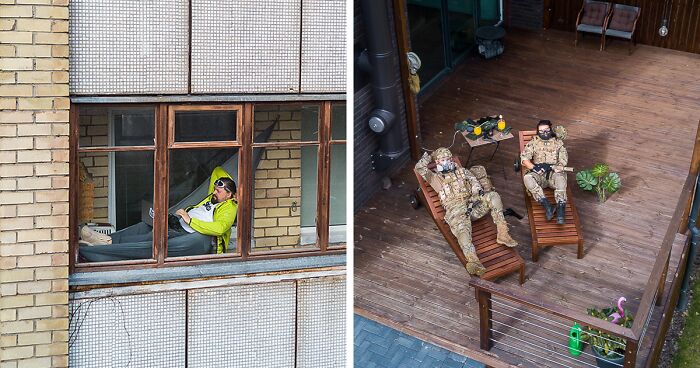
16 Quarantine Portraits That I Took With A Drone To Show Everyone That It Can Be Fun

Note: The first-person title belongs to the original quarantine portrait project by Lithuanian photographer Adas Vasiliauskas. This article is an editorial feature analyzing the creative idea, its cultural impact, and the lessons it offers for drone portrait photography.
In the early days of quarantine, the world became strangely quiet. Streets emptied, calendars evaporated, and everyone suddenly discovered that their living room had terrible acoustics for video calls. For photographers, the problem was especially sharp: how do you make portraits when standing close to people is no longer an option?
One answer came buzzing through the air.
Photographer Adas Vasiliauskas turned a drone into a socially distanced camera crew and photographed people from outside their windows, balconies, terraces, and rooftops. The result was a series of quarantine portraits that did not pretend lockdown was easy. Instead, it found the absurd comedy, tenderness, boredom, costumes, pets, snacks, and beautifully unpolished humanity hiding inside ordinary homes.
These photographs mattered because they captured something many people felt but could not quite explain: isolation was serious, stressful, and sometimes frightening, but it was also weirdly theatrical. Suddenly, everybody had a tiny stage. The balcony became a beach. The window became a cinema screen. The family patio became a fashion runway, a birthday venue, or a place to stare at the sky while wearing pajamas at 2 p.m. with absolutely no regrets.
When a Drone Became the Safest Seat in the House
Quarantine changed photography almost overnight. Weddings, advertising shoots, events, and portrait sessions were postponed or canceled. Many photographers found themselves with cameras, creativity, and nowhere to go. Vasiliauskas had used drones in wedding photography, so he recognized an unusual advantage: a drone could keep distance while still creating a personal image.
That distinction is important. A drone portrait is not simply a photo taken from far away. The best aerial portraits still feel intimate. They show personality through posture, props, clothing, color, location, and timing. A person looking directly up at the drone can communicate curiosity, loneliness, pride, defiance, or pure nonsense without saying a word.
The project also depended on consent. The people in the portraits knew they were being photographed and agreed to participate. That simple fact made the series feel collaborative rather than intrusive. Each subject was not merely observed during quarantine; they became a co-creator of a tiny visual joke about life indoors.
In a period dominated by bad headlines and anxious scrolling, the drone portraits offered a different kind of update: people were still finding ways to play, connect, and make themselves laugh.
Why These Quarantine Drone Portraits Feel So Human
Most memorable portraits tell us something about the person in front of the camera. These images do that, but they also tell us something about the space around them. A balcony full of plants, a cluttered rooftop, a bright window, a patio chair, a pile of household supplies, or a pet wandering into frame all become part of the personality.
That is what makes aerial portrait photography so powerful. From the ground, a person standing on a balcony may look ordinary. From above, the same scene can become graphic, cinematic, or hilariously dramatic. The drone does not just rise into the air; it changes the visual grammar of the moment.
Instead of treating isolation as a blank, empty experience, the series showed that people filled it with imagination. Sometimes that imagination involved costumes. Sometimes it involved sunbathing. Sometimes it involved a family doing its best to look cheerful while standing in a very small rectangle of outdoor space. Honestly, that may be the most relatable group portrait genre ever invented.
16 Portrait Moments That Turned Isolation Into a Stage
-
1. The Balcony Beach Vacation
When travel disappeared, the balcony became an all-inclusive resort with a much stricter minibar policy. Sunglasses, a towel, a bright shirt, and a reclining chair could transform a few square feet of concrete into a comic escape from reality.
-
2. The Window Performance
A window is more than glass in a quarantine portrait. It becomes a frame within a frame. The subject looks out, the drone looks in, and suddenly an ordinary apartment facade feels like a scene from a quiet independent film.
-
3. The Rooftop Sunbather
Rooftops offered a bit of space, a bit of sky, and a rare chance to remember that the outdoors still existed. From above, a sunbather becomes a tiny figure in a wide geometric world of shingles, shadows, and sunlight.
-
4. The Family Birthday Party
Birthdays did not stop because quarantine arrived. They simply got smaller, stranger, and often more memorable. A cake, a few family members, and a drone overhead could turn a backyard gathering into a time capsule.
-
5. The Work-From-Home Hero
There is no corporate portrait quite like someone attempting to look professional from a patio chair. A laptop, a coffee mug, and the expression of a person who has attended seven meetings before noon create a very modern kind of dignity.
-
6. The Costume Commitment
Quarantine encouraged people to dress for the job they wanted, the vacation they missed, or the fictional kingdom they apparently ruled from their terrace. Costumes worked because they made the portrait playful without needing an elaborate set.
-
7. The Pet Photobomb
No quarantine photo project is complete without a pet who did not consent to being famous but accepts the responsibility anyway. Dogs, cats, and suspicious-looking birds gave the images extra warmth and just enough chaos.
-
8. The Toilet Paper Comedy Sketch
Early quarantine had its own visual language, and toilet paper became one of its strangest symbols. In a humorous portrait, a household item can become a prop that instantly tells viewers, “Yes, this was that year.”
-
9. The Patio Picnic
Meals outside became small events. A patio picnic did not need a scenic vineyard or a restaurant reservation. It only needed snacks, sunlight, and the collective agreement that sitting outdoors for thirty minutes counted as an adventure.
-
10. The Morning Hair Situation
Quarantine reduced many people’s beauty routines to the bare minimum, and that honesty was part of the charm. A portrait with messy hair and sleepy posture feels more real than a polished studio headshot ever could.
-
11. The Tiny Garden Escape
Gardens, flowerpots, and balconies full of greenery became emotional life rafts. From above, plants create texture and color around the subject, turning a small outdoor corner into a lush little island.
-
12. The “I Heard a Drone” Pose
There is a universal human reaction to hearing something fly overhead: look up immediately. That spontaneous upward glance is one reason drone portraits can feel so alive. The subject is not posing at a camera; they are reacting to a tiny flying robot with excellent timing.
-
13. The Family Formation
Families arranged themselves in yards, patios, or balconies like living puzzle pieces. From above, their spacing, clothing colors, and body language create a composition that feels both intimate and graphic.
-
14. The Isolation Workout
Home workouts became a full genre of quarantine behavior. Yoga mats, improvised weights, and dramatic stretching poses gave aerial photography plenty to work with. Nothing says resilience quite like doing squats next to a laundry basket.
-
15. The Quiet Solo Portrait
Not every image needed a joke. A person standing alone by a window or sitting quietly on a balcony could express the reflective side of quarantine. These calmer photographs gave the playful ones more emotional weight.
-
16. The “We’re Still Here” Wave
A simple wave toward the drone became a message of connection. It was not a handshake, hug, or crowded celebration. But it said something equally clear: life was different, people were adapting, and humor had not been canceled.
What the Project Teaches About Creative Drone Photography
The cleverness of these quarantine portraits was not just the drone itself. Plenty of people own drones. Far fewer use them to tell a story. The real lesson is that creative photography begins with a question: what can this perspective reveal that another camera angle cannot?
For aerial portraits, height is a compositional tool rather than a flex. Flying as high as possible is rarely the answer. Lower angles can preserve facial expression, show the environment, and make the subject feel connected to the scene. A few feet of elevation may reveal patterns in tiles, gardens, furniture, rooflines, or shadows that are invisible from eye level.
Planning also matters. Before flying, photographers should study the location, notice the light, and identify visual shapes. A balcony with striped flooring, a bright red chair, or a strong afternoon shadow can become the entire structure of the image. The drone should not arrive and hope something interesting happens. It should arrive with a visual idea.
Props do not need to be expensive. A colorful umbrella, costume, blanket, plants, inflatable pool toy, birthday cake, or pet can give the photograph a clear visual hook. The best prop is usually the one that already belongs to the subject. It tells a more personal story and is less likely to look like a discount commercial for novelty sunglasses.
Drone Portrait Safety, Privacy, and Common Sense
Aerial creativity should always come with responsibility. Photograph people only with clear permission, especially around homes, balconies, and private property. A drone can feel playful to one person and unsettling to another, so consent is not a technical detail. It is the foundation of a respectful portrait session.
For drone pilots in the United States, recreational flights may involve registration requirements for drones weighing 250 grams or more, completion of the FAA’s TRUST safety test, visual line-of-sight rules, airspace awareness, and Remote ID compliance when applicable. Commercial portrait work may require additional certification and operating requirements.
Good drone photography also means checking weather, battery levels, local rules, nearby airports, obstacles, birds, trees, and the emotional readiness of the subject. A drone portrait should make people smile, not make them sprint indoors while yelling, “Why is there a mechanical bee outside my window?”
Extra Experience: What Quarantine Portraits Taught Us About Finding Joy in Small Spaces
The lasting appeal of quarantine portraits is not really about drones. It is about attention. During isolation, many people were forced to look at the same rooms, sidewalks, balconies, and windows every day. At first, that repetition felt suffocating. Over time, however, some people began noticing details they had previously ignored: the afternoon light on the kitchen floor, the sound of birds in a quieter neighborhood, a neighbor’s tiny garden, or the fact that the family dog had apparently been living a secret double life as a professional napper.
Aerial portrait photography turns that attention into a creative exercise. Instead of asking, “What exciting place can I travel to?” it asks, “What story is already happening here?” That is a more useful question than it seems. It works in a small apartment, a suburban backyard, a rooftop, a courtyard, or a fire escape. Constraints do not automatically make creativity easier, but they can make decisions clearer.
When options disappear, people start experimenting with what remains. A plain towel becomes a beach scene. A balcony chair becomes a vacation throne. A row of potted plants becomes a jungle. A child’s toy becomes a dramatic prop. A window becomes a theater curtain. The point is not to fool anyone into believing the setting is luxurious. The humor comes from the obviousness of the improvisation.
There is also something comforting about portraits that are not polished. Quarantine made many people more aware of how staged online life can be. Suddenly, professional backgrounds, perfect hair, and glamorous plans felt less relevant than a mug of coffee, a cracked patio tile, or a stack of laundry waiting patiently to become a chair.
That is why the portraits work best when they embrace imperfection. A child may look away. A pet may wander off. A gust of wind may ruin the carefully arranged costume. The subject may laugh at the wrong moment. Those accidents are not failures. They are the evidence that a real moment happened.
For photographers, the experience is a reminder that people do not need exotic locations to become interesting subjects. They need permission to be themselves. A great portrait does not always depend on a dramatic sunset, expensive lens, or faraway destination. Sometimes it begins with a friendly message, a safe distance, and a simple invitation: step outside, look up, and show me how you are getting through the day.
For everyone else, the lesson is even simpler. Fun does not have to be grand to be meaningful. It can be dressing up for no reason, sharing a meal on the balcony, waving at a camera, or laughing because your carefully planned photo includes a dog’s rear end in the foreground. That is not a ruined picture. That is documentation.
Final Thoughts
The 16 quarantine drone portraits became memorable because they found humor without dismissing hardship. They showed people adapting to an unusual moment with costumes, small celebrations, quiet reflections, and plenty of personality. The drone offered distance, but the photographs created connection. In a time when everyone was physically apart, that was a pretty impressive trick for a flying camera.


