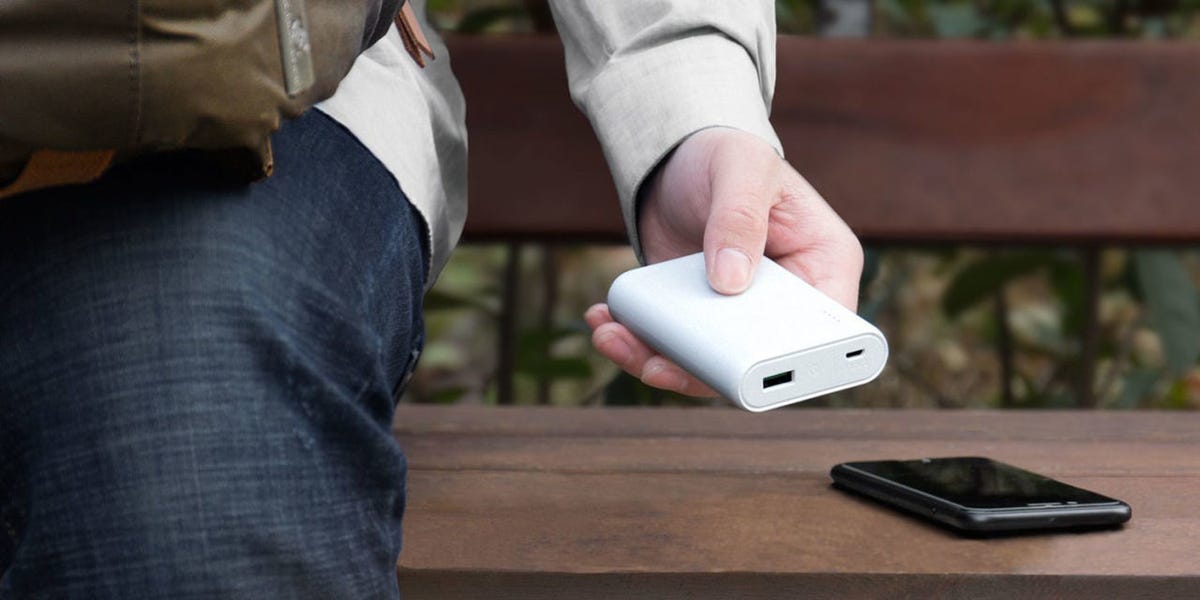
15 Best Portable Phone Chargers in 2017 – External Battery Packs for Your Smartphone

In 2017, the smartphone battery problem was painfully simple: phones were getting smarter, screens were getting brighter, apps were getting hungrier, and batteries were still acting like they had a dentist appointment at 3 p.m. Whether you were chasing Pokémon, navigating a city, recording vacation videos, or simply scrolling through social media with Olympic-level dedication, a portable phone charger was no longer a “nice-to-have.” It was digital survival gear.
This guide looks back at the best portable phone chargers in 2017, focusing on external battery packs that offered the right mix of capacity, portability, charging speed, build quality, and everyday practicality. Some were pocket-friendly emergency boosters. Others were brick-sized power tanks ready to revive multiple smartphones, tablets, headphones, and a friend’s phonebecause someone always forgets to charge before leaving home.
Before jumping in, one important note: this is a 2017-era roundup. If you are using or buying any older power bank today, check the model number, recall status, battery condition, and airline rules. Lithium-ion batteries age, and a charger that was a great pick years ago may not be the safest or smartest choice now.
How We Chose the Best Portable Phone Chargers in 2017
The best portable phone chargers in 2017 were judged by a few practical standards. First, capacity mattered. A 3,000mAh to 5,000mAh charger could rescue a phone from the dreaded red battery icon, while 10,000mAh models often delivered two or more smartphone charges. Heavy users, travelers, and tablet owners usually looked toward 20,000mAh and higher.
Second, charging speed became a serious selling point. Many people wanted a 2.4A output, Quick Charge support, or at least enough power to charge while using GPS or streaming music. Third, size and weight could make or break the experience. A charger that felt like carrying a small paving stone was not ideal for jeans pockets, though it could be perfect for backpacks and long flights.
Finally, we considered convenience. Built-in Lightning cables, micro-USB cables, dual USB ports, LED indicators, durable cases, and compact designs all mattered. In other words, the best external battery pack was not always the biggest one. It was the one you would actually carry.
15 Best Portable Phone Chargers in 2017
1. Anker PowerCore 10000
The Anker PowerCore 10000 was one of the most popular portable chargers of its time because it hit the sweet spot: large enough to recharge most smartphones multiple times, yet small enough to slide into a bag without demanding its own zip code. Its 10,000mAh capacity made it ideal for commuters, students, and travelers who wanted dependable backup power without carrying a huge battery pack.
In 2017, Anker had already built a strong reputation for reliable charging accessories, and the PowerCore 10000 benefited from that trust. It was simple, compact, and easy to recommend for most smartphone users.
Best for: everyday phone users who wanted a compact, reliable power bank.
Important update: some Anker PowerCore 10000 model A1263 units were later recalled. Anyone using an older unit should check the model and serial number before continuing to use it.
2. Anker PowerCore 20100
The Anker PowerCore 20100 was the “I refuse to live near an outlet” choice. With a 20,100mAh capacity, it could charge phones several times and handle tablets better than smaller pocket chargers. It also offered dual USB outputs, making it useful for people who traveled with multiple devicesor with friends who suddenly became very polite when their battery hit 4%.
Its slim rectangular shape made it more bag-friendly than many high-capacity competitors. It was not exactly featherweight, but for the amount of power it carried, it felt surprisingly reasonable. In 2017, this was one of the best portable phone chargers for road trips, airports, conferences, and long days away from a wall outlet.
Best for: travelers, tablet owners, and heavy smartphone users.
3. Anker PowerCore+ 26800 PD
The Anker PowerCore+ 26800 PD was a beast, and we mean that lovingly. With a massive 26,800mAh capacity and USB-C Power Delivery, it stood out in 2017 as a future-facing external battery pack. While many chargers were still focused on phones alone, this model could serve more demanding devices, including certain USB-C tablets and compact laptops.
For smartphone users, it was almost overkillbut the fun kind of overkill, like bringing a suitcase full of snacks to a movie. It was especially useful for long-haul travel, gaming devices, and multi-device households. The downside was obvious: size and price. This was not a casual pocket charger. It was a serious portable power station before portable power stations became trendy.
Best for: power users, USB-C early adopters, and long-distance travelers.
4. RAVPower 16750mAh Portable Charger
RAVPower’s 16,750mAh portable charger was a strong middle-ground option in 2017. It offered more capacity than a basic 10,000mAh bank without jumping into the extra-heavy 20,000mAh category. That made it attractive for people who wanted several phone charges but did not want to carry a battery brick that could double as a doorstop.
Its dual USB outputs helped users charge two devices at once, and its price-to-capacity ratio was one of its biggest strengths. For families, couples, or anyone traveling with a phone and wireless headphones, it was a practical pick.
Best for: users who wanted high capacity without extreme bulk.
5. RAVPower 26800mAh Power Bank
If the 16,750mAh model was sensible, the RAVPower 26,800mAh power bank was the “bring it all” version. In 2017, large-capacity battery packs like this were popular with campers, photographers, travelers, and anyone who used their phone as a camera, map, flashlight, notebook, and entertainment system.
The biggest benefit was endurance. A charger this large could keep multiple phones alive through a weekend trip. The trade-off was portability. You would not casually slip it into skinny jeans unless you enjoyed walking at a 15-degree angle.
Best for: camping, road trips, and multi-device charging.
6. Mophie Powerstation Plus Mini
The Mophie Powerstation Plus Mini was one of the most stylish and convenient portable phone chargers in 2017. Its main appeal was the integrated cable system, which reduced the classic power bank problem: bringing the battery but forgetting the cable. That is a very specific kind of modern tragedy.
With a smaller capacity than the big Anker and RAVPower models, the Powerstation Plus Mini was not built for a week in the wilderness. It was built for daily rescue missions: a dinner out, a commute, a concert, or a long afternoon when your iPhone decided it had worked hard enough.
Best for: iPhone users and anyone who valued convenience over huge capacity.
7. Mophie Powerstation XXL
The Mophie Powerstation XXL brought a more premium feel to the high-capacity power bank category. Mophie products often cost more than budget alternatives, but they were known for polished design and strong compatibility with Apple devices. In 2017, that mattered because many iPhone users wanted accessories that felt as well-finished as the phone itself.
The XXL model was better suited for bags than pockets, but its large capacity made it useful for multiple phone charges. It was also a strong choice for people who wanted a name-brand charger and did not mind paying extra for build quality.
Best for: premium buyers, iPhone users, and frequent travelers.
8. Jackery Bolt 6000
The Jackery Bolt 6000 was one of the smartest convenience-first chargers of 2017. Its 6,000mAh capacity was not enormous, but it included built-in Lightning and micro-USB cables, which made it incredibly practical. You could charge an iPhone or many Android phones without digging through a backpack full of cables that all somehow looked identical.
The built-in cable design made the Bolt especially useful for students, commuters, and travelers who wanted fewer accessories to remember. It was also compact enough for everyday carry. If you valued simplicity, this charger made a lot of sense.
Best for: people who hate carrying extra cables.
9. Jackery Bar Premium 6000
The Jackery Bar Premium 6000 was another compact favorite. It offered enough capacity for roughly one to two phone recharges depending on the smartphone, and it had a sturdy, travel-friendly design. Compared with larger power banks, it felt less like equipment and more like a practical daily accessory.
For 2017 smartphone owners who did not need to charge three devices at once, the Jackery Bar Premium was a clean and simple solution. It worked well for daily backup power and short trips, especially when you needed something smaller than a big battery pack.
Best for: daily emergency charging and light travel.
10. AmazonBasics Portable Power Bank 10000mAh
The AmazonBasics 10,000mAh portable power bank was not the flashiest charger in 2017, but that was the point. It was a budget-friendly external battery pack that focused on capacity and value rather than luxury styling. If you wanted a practical charger at a low price, it deserved attention.
It did not have the same premium finish as Mophie or the same enthusiast reputation as Anker, but it offered a straightforward solution for people who simply wanted their phone to stop dying halfway through the day. Sometimes boring is beautiful, especially when your battery icon is blinking like a tiny red warning siren.
Best for: budget shoppers who wanted dependable capacity.
11. AUKEY 30000mAh USB-C Portable Charger
The AUKEY 30,000mAh USB-C portable charger was one of the most interesting large-capacity chargers around 2017 because it supported multiple input and output options, including USB-C. That made it more versatile than many older micro-USB-only battery packs.
This charger was not designed for minimalists. It was big, powerful, and better suited for backpacks, travel bags, and people who used several devices daily. For smartphone users, it provided serious endurance. For gadget fans, it was a flexible charging hub.
Best for: users who wanted huge capacity and USB-C versatility.
12. AUKEY 10000mAh Quick Charge Power Bank
For Android users with compatible phones, AUKEY’s 10,000mAh Quick Charge models were appealing in 2017. Quick Charge support helped reduce waiting time, especially for devices from brands like Samsung, LG, HTC, and Motorola that supported fast-charging standards.
The 10,000mAh size kept it practical for daily use, while fast charging made it feel more modern than basic 1A or 2A battery packs. It was a smart pick for people who cared less about brand polish and more about speed per dollar.
Best for: Android users who wanted faster charging in a compact size.
13. Belkin Pocket Power 5K
The Belkin Pocket Power 5K was a slim, lightweight option designed for everyday carry. Its 5,000mAh capacity was enough for meaningful backup power without adding much bulk. It also had a simple USB-A output and a clean design, which made it easy to toss into a purse, backpack, or jacket pocket.
Belkin’s advantage was brand trust. The Pocket Power line came in several capacities, including 5K, 10K, and 15K versions, giving buyers flexibility. The 5K model was the most pocketable and best suited for people who wanted insurance against a dead phone rather than a full weekend power supply.
Best for: lightweight everyday backup power.
14. EasyAcc 10000mAh Power Bank
EasyAcc was a strong budget-friendly name in portable chargers during the mid-2010s. Its 10,000mAh models were popular because they offered a practical balance of capacity, size, and price. Many versions included two USB outputs, which was useful when charging a phone and another small device.
The EasyAcc 10,000mAh power bank was not trying to be fancy. It was trying to keep your phone alive, and that is a noble calling. For shoppers who wanted value and did not need premium branding, it was a sensible 2017 pick.
Best for: value-focused buyers and multi-device basics.
15. Zendure A2 Portable Charger
The Zendure A2 stood out because of its durability. With a rugged, crush-resistant style and compact body, it was built for people who were tough on gear. Its capacity, commonly listed around the 6,700mAh range depending on version, made it a good daily charger rather than a giant travel battery.
What made the Zendure A2 memorable was confidence. It felt like the kind of charger you could throw into a bag with keys, cables, snacks, and whatever mysterious crumbs live at the bottom of backpacks. For commuters and travelers who cared about build quality, it was one of the more distinctive external battery packs of the era.
Best for: durability, commuting, and rough everyday use.
What Capacity Did You Need in 2017?
Choosing the best portable phone charger in 2017 often started with capacity. A small 3,000mAh to 5,000mAh charger was enough for emergency top-ups. These models were light, affordable, and easy to carry, but they were not ideal for long trips.
A 10,000mAh power bank was the best all-around size for most people. It usually offered multiple phone charges while staying reasonably portable. This made models like the Anker PowerCore 10000, AmazonBasics 10000, and EasyAcc 10000 especially attractive.
For heavy users, 20,000mAh and larger chargers were the better choice. These external battery packs could charge a phone several times and often handled tablets more comfortably. The trade-off was weight. A high-capacity charger was fantastic in a backpack but less charming in a pants pocket.
Charging Speed: Why Output Mattered
In 2017, not all USB ports were equal. Some older power banks delivered slow 1A output, which could feel painfully sluggish on larger smartphones. Better chargers offered 2.1A or 2.4A output, helping phones recharge more quickly. For compatible Android phones, Quick Charge support was a major bonus.
USB-C was also beginning to matter more. Many phones still used micro-USB or Lightning, but USB-C was clearly becoming the future. Chargers like the Anker PowerCore+ 26800 PD and AUKEY 30000mAh USB-C model looked ahead by supporting newer charging standards.
Safety Tips for Older Portable Phone Chargers
If you still own a portable charger from 2017, inspect it carefully. Do not use a battery pack that is swollen, cracked, leaking, unusually hot, or giving off a strange smell. Lithium-ion batteries are convenient, but they deserve respect. They are not tiny pillows full of electricity; they are chemical energy storage devices.
Also, check recall notices. Some older power banks, including certain Anker PowerCore 10000 model A1263 units, were later recalled due to fire and burn hazards. If your charger model has a recall notice, stop using it and follow official instructions.
For air travel, portable chargers and spare lithium-ion batteries should be carried in carry-on baggage, not checked luggage. Many airline rules use watt-hours rather than mAh, so check the label on your battery and confirm current airline limits before flying.
Personal Experience: What It Was Like Using Portable Chargers in 2017
Using a portable phone charger in 2017 felt different from using one today. Modern phones generally charge faster, USB-C is more common, and many people now expect built-in cables, digital displays, magnetic charging, and laptop-level output. Back then, expectations were simpler: please keep the phone alive until dinner.
The most common real-world problem was cable chaos. You might have a power bank, but did you bring the right cable? iPhone users needed Lightning. Many Android users needed micro-USB. Some newer devices were moving to USB-C. A shared charger in a group could quickly turn into a small diplomatic summit over cable compatibility. That is why models like the Jackery Bolt and Mophie Powerstation Plus Mini felt so clever. Built-in cables were not just convenient; they were peace treaties.
Capacity also changed how people carried chargers. A compact 5,000mAh power bank was perfect for a day out. It could live in a jacket pocket and rescue a phone at 12%. But if you were traveling, going to a festival, or spending a long day using GPS, a small charger could disappear quickly. That was when 10,000mAh became the practical favorite. It had enough power to feel dependable without turning your bag into a gym workout.
The big 20,000mAh and 26,800mAh chargers were a different lifestyle. You did not carry them because they were cute. You carried them because you were serious. These were the chargers for airports, road trips, conferences, and family vacations where everyone claimed they “only needed a little battery.” Ten minutes later, your power bank was running a small village of phones.
Another 2017 experience was the rise of battery anxiety. Apps were becoming more demanding, phone cameras were used constantly, and mobile games could drain a battery at heroic speed. A portable charger gave people freedom. You could take more photos, use maps longer, stream music on the train, or survive a delayed flight without staring at the battery percentage like it owed you money.
The best portable phone chargers also taught one practical lesson: the right charger is the one you actually bring. A giant power bank left at home is less useful than a small one in your pocket. For everyday life, compact models like the Belkin Pocket Power 5K, Jackery Bar, or Zendure A2 made more sense than oversized chargers. For travel, the bigger Anker, RAVPower, Mophie, and AUKEY models were worth the extra weight.
Durability mattered too. A charger lived a rough life. It got dropped into bags, knocked off desks, stuffed into airplane seat pockets, and buried under keys. Rugged models like the Zendure A2 earned attention because they looked ready for abuse. Meanwhile, polished models like Mophie appealed to people who wanted their charger to feel like a proper tech accessory instead of a mysterious black rectangle from the bargain bin.
Looking back, 2017 was a transitional year for portable power. Micro-USB was still everywhere, Lightning dominated iPhones, USB-C was gaining momentum, and fast charging was becoming more important. The best external battery packs from that year were not just about raw mAh. They were about solving everyday problems: dead phones, forgotten cables, slow charging, and the eternal search for an open outlet at the airport.
Final Thoughts
The best portable phone chargers in 2017 were practical, affordable, and often surprisingly powerful. The Anker PowerCore 10000 was a near-perfect everyday choice, while the PowerCore 20100 and PowerCore+ 26800 PD served travelers and heavy users. Mophie offered polished, cable-friendly designs. Jackery made convenience a priority. RAVPower, AUKEY, EasyAcc, Belkin, AmazonBasics, and Zendure gave shoppers plenty of options across different budgets and lifestyles.
If you are reading this as a historical buying guide, these models show what mattered most in 2017: capacity, speed, portability, and convenience. If you are reading it because you found an old power bank in a drawer, inspect it carefully before use. A good portable charger is a lifesaver. A damaged old battery pack is a tiny drama box, and nobody needs that kind of plot twist.


