
Animals have been blamed for plenty of bad behavior over the years: raiding bird feeders, rummaging through trash cans, stealing picnics, and staring directly into your soul while holding a slice of pizza. But occasionally, wildlife makes the news for an even stranger reasonalcohol.
Most wild animals are not secretly hosting cocktail parties under the moonlight. In many cases, they consume fermented berries, overripe fruit, flower nectar, or alcohol left carelessly within human reach. The result can range from a mildly clumsy bird to a raccoon passed out beside a liquor-store toilet. Nature, it turns out, has a weird relationship with fermentation.
Why Do Animals Get Drunk in the First Place?
Alcohol occurs naturally when yeast feeds on sugar in ripe fruit, berries, nectar, and sap. A frost can speed up the process by changing fruit chemistry, while warm temperatures can encourage fermentation. For animals that rely heavily on fruit, eating a large amount of fermented food can occasionally lead to poor coordination, strange behavior, or dangerous collisions.
Still, not every wobbly animal is intoxicated. Illness, injury, poisoning, neurological problems, parasites, and exhaustion can all make wildlife act strangely. That is why good wildlife workers avoid diagnosing a “drunk animal” from a funny video alone. A bird that cannot fly straight may need medical help, not a tiny bird-sized glass of water and a lecture about responsibility.
With that important reality check out of the way, here are 10 unusual stories involving animals, alcohol, fermented fruit, and several moments when Mother Nature appeared to be running an extremely chaotic happy hour.
10 Unusual Drunk Animal Stories That Sound Made Up but Aren’t
-
The Virginia Raccoon That Raided a Liquor Store
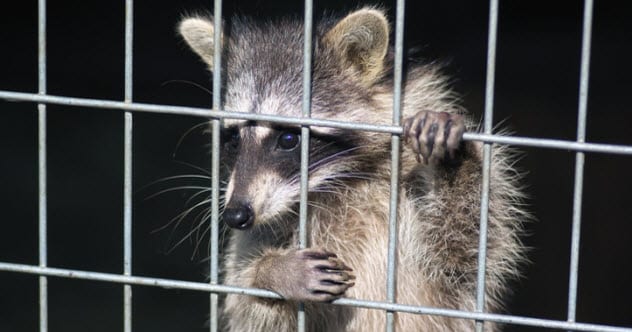
In late 2025, a raccoon broke into a Virginia liquor store, knocked over bottles, encountered spilled liquor, and eventually passed out on the bathroom floor. Animal control officers found the masked suspect asleep near a toilet after what can only be described as a tiny criminal spiral. The raccoon was checked for injuries, allowed to recover, and released back into the wild.
The story was funny because raccoons already look like they are planning a heist. But it also showed why alcohol must be kept away from animals. Human beverages can be dangerous for wildlife, especially in concentrated forms. This raccoon may have earned international fame, but the ideal wildlife vacation is still not “all-inclusive liquor store.”
-
Minnesota Birds Started Flying Like They Had Bad GPS
In Gilbert, Minnesota, residents reported birds flying unusually close to windows, cars, and other objects. Local officials suggested the birds had eaten fermented berries after an early frost. Robins, waxwings, thrushes, and other fruit-eating birds can be especially vulnerable when they gorge on berries that have begun producing alcohol.
For people watching from the sidewalk, it looked like the birds had forgotten the basic rules of aviation. But impaired flight is serious business for a small bird. A tipsy waxwing can collide with a window, fence, or vehicle long before it has a chance to sober up. Nature may provide the fruit buffet, but it does not provide a designated driver.
-
Cedar Waxwings Turned Overripe Berries Into a Dangerous Feast
Cedar waxwings are beautiful birds with sleek feathers, stylish little masks, and a deep appreciation for fruit. Unfortunately, that fruit-heavy diet can occasionally become risky. In California, researchers examined cedar waxwings that had died after striking windows, fences, and other solid surfaces. The birds had eaten large quantities of overripe Brazilian pepper berries.
The concern was not merely that the birds had eaten too much fruit. Fermentation had likely turned some of that fruit into alcohol. The waxwings were not being reckless on purpose; they were simply eating what looked like a convenient meal. Their story is a reminder that the line between “ripe snack” and “unexpected flight hazard” can be surprisingly thin.
-
The Swedish Moose That Got Stuck in an Apple Tree
One of the most famous drunk animal stories involved a moose in Sweden that became tangled in an apple tree. Reports suggested the animal may have eaten fermented apples from the ground before attempting to reach fresher fruit in the branches. The result was an enormous, antlered creature stuck in a tree and requiring help to get free.
It sounds like a rejected children’s book title: The Moose Who Made One Bad Apple Decision. Yet the story also fits a broader seasonal pattern. In places with orchards and fallen fruit, deer, moose, and other mammals may encounter apples that have started fermenting. Large animals do not need to be drunk for long to become a danger to themselves, nearby people, or decorative landscaping.
-
The Pony That Ate Fermented Apples and Fell Into a Pool
A pony in England reportedly ate a large amount of fallen fermented apples, became confused, and ended up in a swimming pool. Rescuers got the animal out safely, but the episode became one of those stories that makes pet owners stare suspiciously at every apple tree in the neighborhood.
Horses, ponies, and livestock are not built for fruit binges. Aside from alcohol exposure, too much fallen fruit can create digestive problems and other health risks. The pool incident may have been memorable, but it was not cute from the pony’s perspective. Confusion, impaired balance, and panic are not party tricks; they are signs that an animal may need immediate assistance.
-
Australian Lorikeets and the Mystery of Mango Madness
In northern Australia, rainbow lorikeets have sometimes been found stumbling, falling from perches, acting disoriented, or appearing strangely lethargic. Fermented fruit, including overripe mangoes, has been one possible explanation. Some observers described flocks behaving like noisy little feathered revelers who had found the world’s most questionable fruit punch.
However, researchers and veterinarians have urged caution. Not every strange lorikeet episode can be blamed on alcohol alone. Illnesses and toxins may also cause similar symptoms. That uncertainty makes the story more interesting, not less. It is a lesson in scientific humility: sometimes the bird looks drunk, but the real explanation may be more complicated than fermented mangoes.
-
Fruit Bats Took Alcohol Testsand the Results Were Split
Scientists studying fruit bats have found that alcohol affects different species in different ways. Egyptian fruit bats that consumed ethanol-rich food showed slower flight and changes in echolocation behavior. In other experiments, several New World fruit bat species appeared less affected, even after consuming alcohol-containing sugar water.
This is less of a wild bar story and more of a biological plot twist. Some bats may be better equipped to handle the alcohol naturally found in fruit because fermented fruit is part of their normal environment. Others appear more sensitive. The lesson is simple: evolution gives some animals impressive tolerance, but it does not hand out the same operating manual to everyone.
-
The Pen-Tailed Treeshrew That Drinks Nectar Like It Is Nothing
The pen-tailed treeshrew of Southeast Asia regularly consumes fermented nectar from the bertam palm. The nectar can contain alcohol levels similar to a light beer, yet the small mammal does not appear visibly intoxicated. Researchers have suggested that the species has evolved an unusually effective way of dealing with regular alcohol exposure.
For humans, this would be like living on a diet of floral beer and still showing up on time for work every morning. The treeshrew’s ability is fascinating because it reveals that alcohol is not exclusively a human problem or pleasure. In ecosystems where fermentation happens naturally, some species may have evolved to tolerate what would make others stumble into a shrub.
-
Chimpanzees Used Leaf “Sponges” to Drink Palm Sap
In West Africa, researchers observed chimpanzees using folded and chewed leaves as sponges to soak up fermented raffia palm sap. The chimps then squeezed or drank the liquid from the leaves. The sap could contain alcohol, and the behavior was recorded repeatedly over many years.
This was remarkable for two reasons. First, the chimpanzees were using a tool to access the drink. Second, the behavior raised questions about whether they were attracted to the alcohol itself, the sugar in the sap, or both. Chimps are famously smart, but this discovery added another strange chapter to their résumé: tool user, social strategist, and occasional palm-sap sampler.
-
Wild Chimps Shared Fermented Breadfruit Like a Tiny Forest Feast
More recent observations have shown wild chimpanzees sharing naturally fermented African breadfruit. Camera footage captured several occasions in which chimpanzees ate and passed around fruit containing low levels of alcohol. Researchers did not conclude that the chimps were getting visibly drunk, but the behavior was still unusual because chimps do not casually share food all the time.
The scene suggests that fermented fruit may have a social role as well as a nutritional one. It also gives scientists a clue about the deep evolutionary history of alcohol exposure. Humans did not invent fermentation; we simply got very organized about it, added branding, and started charging admission.
What These Stories Really Tell Us About Animal Alcohol Exposure
The most important takeaway is that animals do not usually seek alcohol for the same reasons humans do. In the wild, alcohol is often an accidental byproduct of sugar-rich food becoming fermented. A bird eating berries, a deer grazing under an apple tree, or a bat feeding on ripe fruit may simply be following calories.
At the same time, animals vary wildly in how they process ethanol. Some species seem highly sensitive. Others can consume naturally fermented food without obvious impairment. Scientists are still studying whether certain animals actively prefer ethanol-containing foods, whether alcohol helps them identify energy-rich fruit, and how long-term exposure shaped their metabolism.
The funny headlines are irresistible, but the welfare lesson matters more. Wildlife that seems intoxicated may be injured, sick, poisoned, or in danger. Keep your distance, prevent pets from accessing alcohol or spoiled fruit, and contact a licensed wildlife rehabilitator or local animal control agency when an animal cannot move, fly, or behave normally.
Experiences and Lessons From Watching “Drunk Animal” Situations
Stories about drunk animals are entertaining because they make wildlife seem oddly familiar. A raccoon asleep in a bathroom, a bird bouncing off a window, or a moose stuck in an apple tree feels like something out of a sitcom. Yet the more useful lesson comes from seeing how quickly a funny moment can become a dangerous one.
People who spend time around gardens, orchards, farms, bird feeders, parks, or wooded neighborhoods may occasionally encounter animals acting strangely near fallen fruit. The first instinct is often to record a video, laugh with friends, and invent a hilarious caption. That reaction is understandable. A clumsy bird can look like it has just survived a disastrous office party. But wildlife does not have the luxury of sleeping it off safely on a couch.
A bird with poor coordination can hit a window, get caught by a cat, wander into traffic, or become too weak to escape a predator. A deer or raccoon that has eaten human alcohol may become disoriented near roads or homes. A horse or pony that consumes spoiled fruit can develop much more serious problems than temporary confusion. The safest approach is always calm observation from a distance.
Another important experience-related lesson is that people should not assume alcohol is the cause. Wildlife illnesses can look surprisingly similar to intoxication. Birds affected by disease, head trauma, pesticide exposure, heat stress, or neurological problems may wobble, fall, circle, or struggle to fly. Mammals can act confused because of injury, poisoning, dehydration, or fear. Calling every unusual animal “drunk” may make for a catchy headline, but it can delay the right response.
Homeowners can reduce the risk of these incidents with a few simple habits. Pick up fallen apples, pears, berries, and other fruit before they rot heavily. Secure trash cans, compost, outdoor alcohol containers, and recycling bins. Avoid leaving open beer, wine, cocktails, or liquor outside after gatherings. If you have fruit trees near windows, consider bird-safe window treatments to reduce collision risk during seasonal berry feeding.
Bird lovers also learn that a visibly impaired bird should not be handled casually. Small birds are delicate, stressed easily, and may carry diseases. If a bird has struck a window or cannot fly properly, contact a licensed wildlife rehabilitator for guidance. A quiet, dark, ventilated box may be appropriate in some cases, but local rehabilitation experts should guide the process whenever possible.
Perhaps the strangest experience connected to drunk animal stories is realizing that nature is already full of fermentation. Fruit ripens, falls, freezes, thaws, warms up, attracts yeast, and changes chemically. Animals are simply moving through that environment looking for food. Sometimes they find calories. Sometimes they find trouble. And occasionally, they make the evening news while reminding the rest of us that even the animal kingdom can have a very bad fruit day.


