
Cholesterol is a little like that quiet guest at a party who seems harmless until you realize they have taken over the playlist, the snack table, and possibly your arteries. Your body needs cholesterol to make hormones, vitamin D, and cell membranes, but too much low-density lipoprotein cholesterolbetter known as LDL or “bad” cholesterolcan raise your risk of heart disease and stroke. The good news? You do not need to start living on plain lettuce and sadness. There are practical, natural ways to lower cholesterol levels while still eating real food, enjoying your life, and occasionally making peace with dessert.
This guide covers 10 natural ways to lower your cholesterol levels, focusing on diet, exercise, weight management, fiber, healthy fats, stress control, and everyday habits that are realistic for busy humans. These strategies are based on established heart-health recommendations and can support better LDL cholesterol, HDL cholesterol, triglycerides, and overall cardiovascular wellness. Of course, if your cholesterol is very high, runs in your family, or you already have heart disease, lifestyle changes may not be enough by themselves. Think of this article as your smart starting pointnot a replacement for your doctor.
Understanding Cholesterol Before You Try to Lower It
Before we jump into the natural fixes, let’s decode the cholesterol alphabet soup. LDL cholesterol can build up in artery walls and contribute to plaque. HDL cholesterol is often called “good” cholesterol because it helps carry excess cholesterol away from the bloodstream. Triglycerides are another type of blood fat, and high levels often travel with low HDL, insulin resistance, excess sugar intake, or too much alcohol. Total cholesterol matters, but your full lipid panel gives a clearer picture.
The goal is not to eliminate cholesterol. That would be like trying to remove all traffic lights from a city because one intersection gets crowded. The goal is balance: lower LDL, support healthy HDL, keep triglycerides in check, and reduce inflammation through daily choices that your heart quietly applauds.
10 Natural Ways to Lower Your Cholesterol Levels
1. Eat More Soluble Fiber Every Day
If cholesterol had a natural cleanup crew, soluble fiber would be wearing the uniform. Soluble fiber forms a gel-like substance in the digestive tract that helps bind cholesterol and move it out of the body. This can reduce LDL cholesterol over time when eaten consistently.
Excellent sources include oats, barley, beans, lentils, chickpeas, apples, pears, citrus fruits, carrots, Brussels sprouts, flaxseed, chia seeds, and psyllium. A simple example: swap a low-fiber breakfast pastry for oatmeal topped with berries and ground flaxseed. Your arteries may not send a thank-you card, but they would probably consider it.
Start slowly if you are not used to high-fiber foods. Going from “I occasionally see a vegetable” to “bean kingdom forever” overnight can upset your stomach. Add fiber gradually and drink more water.
2. Replace Saturated Fats With Unsaturated Fats
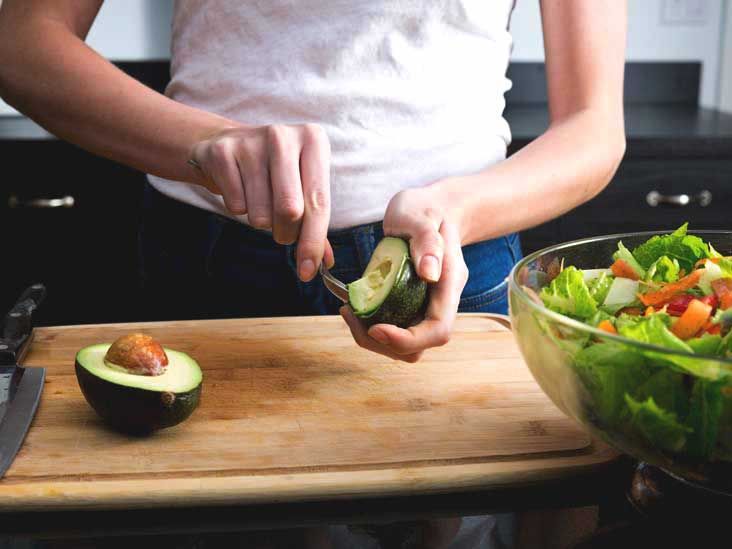
One of the most effective natural ways to lower cholesterol is to improve the type of fat you eat. Saturated fats, commonly found in fatty cuts of meat, butter, full-fat dairy, coconut oil, palm oil, and many baked goods, can raise LDL cholesterol. Unsaturated fats, found in foods like olive oil, avocado, nuts, seeds, and fatty fish, are more heart-friendly.
This does not mean fat is the villain. Fat is not sneaking around your kitchen wearing a cape. The type of fat matters. Try cooking vegetables in olive oil instead of butter, choosing salmon instead of sausage, or adding avocado to a sandwich instead of heavy cheese. These small swaps can create meaningful changes when repeated often.
3. Avoid Trans Fats Like They Owe You Money
Trans fats are especially bad for cholesterol because they can raise LDL cholesterol and lower HDL cholesterol. In plain English: they push the wrong numbers in the wrong direction. Many artificial trans fats have been removed from the U.S. food supply, but it is still wise to read labels. Watch for “partially hydrogenated oils” in packaged snacks, frostings, fried foods, and older-style processed baked goods.
A good rule: if a food has a shelf life longer than your favorite TV series and contains mystery fats, investigate. Choose whole or minimally processed foods more often, and treat deep-fried convenience foods as occasional guests rather than permanent roommates.
4. Build Meals Around Plants
A plant-forward eating pattern can naturally lower cholesterol levels because it usually increases fiber, antioxidants, minerals, and unsaturated fats while reducing saturated fat. You do not have to become fully vegetarian unless you want to. Even shifting from meat-centered plates to plant-centered plates can help.
Try the “half-plate” method: fill half your plate with vegetables or fruit, one quarter with whole grains or starchy vegetables, and one quarter with lean protein. For protein, rotate beans, lentils, tofu, tempeh, fish, skinless poultry, and smaller portions of lean meat. A chili made with beans and vegetables, a lentil soup, or a tofu stir-fry with brown rice can be cholesterol-friendly without tasting like a punishment from the wellness police.
5. Choose Whole Grains Instead of Refined Carbs
Whole grains contain more fiber, vitamins, minerals, and plant compounds than refined grains. Oats and barley are especially useful because they contain beta-glucan, a type of soluble fiber linked with LDL cholesterol reduction. Brown rice, quinoa, whole-wheat pasta, farro, bulgur, and whole-grain bread can also support a healthier eating pattern.
Refined carbohydrates and added sugars can raise triglycerides in some people, especially when eaten often. That means white bread, sugary cereals, soda, candy, pastries, and sweetened coffee drinks should be treated as occasional treats rather than daily fuel. If your morning drink looks like dessert wearing a coffee costume, your triglycerides may have opinions.
6. Add Nuts and Seeds in Smart Portions
Nuts and seeds are small but mighty. Almonds, walnuts, pistachios, peanuts, chia seeds, flaxseeds, pumpkin seeds, and sunflower seeds provide unsaturated fats, fiber, magnesium, and plant compounds that support heart health. Walnuts also contain plant-based omega-3 fats.
The key phrase is “smart portions.” Nuts are nutrient-dense, but they are also calorie-dense. A small handful makes a great snack. A mixing bowl full of cashews eaten during a movie may technically be plant-based, but your calorie balance may file a complaint.
Easy ideas include sprinkling ground flaxseed into oatmeal, adding chia seeds to yogurt, using crushed walnuts on salads, or eating a small handful of almonds with fruit instead of reaching for chips.
7. Move Your Body Most Days of the Week
Exercise helps improve cholesterol by lowering LDL cholesterol and triglycerides while supporting HDL cholesterol. It also improves blood pressure, insulin sensitivity, mood, sleep, and weight management. In other words, movement is the overachiever of heart health.
Aim for a mix of aerobic exercise and strength training. Brisk walking, cycling, swimming, dancing, jogging, hiking, and rowing all count. If you are starting from zero, walking is perfect. You do not need fancy gear, a heroic playlist, or a gym mirror. Start with 10 to 15 minutes after meals and build toward 30 minutes on most days.
Strength training two or more days per week can also help by building muscle and improving metabolism. Bodyweight squats, pushups against a wall, resistance bands, dumbbells, or machines all work. The best exercise is the one you will actually repeat.
8. Lose a Modest Amount of Weight If Needed
If you are carrying extra weight, losing even a modest amount can improve cholesterol and triglycerides. This does not require crash dieting, detox teas, or pretending cauliflower is birthday cake. Sustainable weight loss usually comes from consistent habits: more vegetables, more protein, more fiber, fewer sugary drinks, better sleep, and regular movement.
One practical strategy is to focus on meal structure rather than obsession. Include protein, fiber-rich carbohydrates, healthy fats, and colorful produce at most meals. For example, a bowl with grilled salmon, quinoa, roasted broccoli, chickpeas, olive oil, and lemon is filling, heart-friendly, and unlikely to leave you hunting cookies 20 minutes later.
9. Quit Smoking and Limit Alcohol
Smoking damages blood vessels and lowers HDL cholesterol. Quitting smoking can improve HDL cholesterol and reduce cardiovascular risk. It is one of the most powerful heart-health decisions a person can make. If quitting feels difficult, that does not mean you lack willpower. Nicotine is addictive, and support can make a major difference. Counseling, quitlines, nicotine replacement, and medical guidance can help.
Alcohol deserves honesty too. Drinking too much can raise triglycerides, add extra calories, and increase blood pressure. Some people should avoid alcohol completely, including people with certain medical conditions, liver disease, addiction history, pregnancy, or medications that interact with alcohol. If you drink, moderation matters. Your heart is not impressed by “wine counts as fruit.” Nice try, though.
10. Manage Stress and Improve Sleep
Stress and sleep may not seem directly related to cholesterol, but they influence the behaviors and hormones that affect heart health. Chronic stress can push people toward emotional eating, skipped workouts, poor sleep, smoking, or more alcohol. Poor sleep can affect appetite, weight, blood sugar, and inflammation.
Natural stress management does not need to be complicated. Try a 10-minute walk, deep breathing, journaling, stretching, prayer, meditation, time outdoors, music, or calling someone who does not make your blood pressure climb. For sleep, keep a consistent schedule, reduce late-night screens, avoid heavy meals close to bedtime, and create a dark, cool room.
Think of stress management as cholesterol support from the side door. It may not replace dietary changes, but it helps you stick with them.
Foods That Help Lower Cholesterol Naturally
Some foods deserve a regular spot on your grocery list if your goal is to lower cholesterol naturally. Oats, barley, beans, lentils, apples, berries, citrus fruits, nuts, seeds, olive oil, avocado, soy foods, vegetables, and fatty fish are excellent choices. Foods fortified with plant sterols or stanols may also help reduce LDL cholesterol by limiting cholesterol absorption.
A cholesterol-lowering day might look like this: oatmeal with berries and flaxseed for breakfast, lentil soup with a side salad for lunch, an apple with peanut butter for a snack, and grilled fish with roasted vegetables and brown rice for dinner. That is not a diet prison. That is food with a retirement plan.
Foods to Limit for Better Cholesterol
To lower LDL cholesterol, limit fatty processed meats, bacon, sausage, butter, cream, full-fat cheese, fried fast food, packaged pastries, refined grains, sugary drinks, and foods made with hydrogenated oils. You do not need to ban every joyful bite. The goal is to make your usual pattern heart-friendly so occasional treats remain occasional.
One helpful approach is the 80/20 mindset. Make nutritious choices most of the time, and leave room for life. A birthday slice of cake will not ruin your cholesterol. A daily “birthday” at 3 p.m. with frosting and soda might be a different conversation.
How Long Does It Take to Lower Cholesterol Naturally?
Some people see changes in cholesterol within several weeks, while others need a few months. Results depend on genetics, starting cholesterol levels, body weight, diet quality, exercise, medications, age, and underlying health conditions. A common approach is to follow lifestyle changes consistently for about three months and then repeat a lipid panel with your healthcare provider.
Do not panic if your numbers do not transform overnight. Cholesterol improvement is more like gardening than flipping a light switch. You plant habits, water them daily, and eventually see progress.
When Natural Cholesterol Control May Not Be Enough
Natural strategies are powerful, but they are not magic. Some people have familial hypercholesterolemia, diabetes, kidney disease, thyroid problems, or a history of heart disease that requires medication. Statins and other cholesterol-lowering medications can be lifesaving for people at higher risk. Choosing medication does not mean you failed at lifestyle. It means you are using the tools that match your risk.
If your LDL cholesterol is very high, your triglycerides are elevated, or you have chest pain, shortness of breath, numbness, weakness, or symptoms of a possible heart problem, seek medical care promptly. Lifestyle changes are important, but they should work alongside professional guidance.
Practical Experience: A Realistic 30-Day Cholesterol-Lowering Routine
Imagine someone named Mark. Mark is 46, works at a desk, loves burgers, and believes “cardio” is walking quickly to the microwave before someone else uses it. After a routine checkup, his doctor tells him his LDL cholesterol is higher than ideal. Mark does not want to panic, but he also does not want his arteries turning into clogged city traffic. So he chooses a realistic 30-day experiment.
In week one, Mark starts with breakfast. Instead of skipping breakfast and later attacking a vending machine like a raccoon in business casual, he eats oatmeal four mornings a week. He adds blueberries, cinnamon, and a spoonful of ground flaxseed. On the other mornings, he has Greek yogurt with chia seeds and fruit. He also replaces his sweetened coffee drink with regular coffee and a splash of milk. It is not glamorous, but his mornings stop feeling like a sugar roller coaster.
In week two, he changes lunch. Instead of ordering fast food every day, he prepares three simple lunches: bean chili, turkey and avocado on whole-grain bread, and a salad bowl with chickpeas, vegetables, olive oil, and lemon. He still eats out twice, but he chooses grilled options and swaps fries for a side salad. This is not perfection. It is progress wearing comfortable shoes.
In week three, Mark adds movement. He walks for 15 minutes after lunch and 15 minutes after dinner. At first, he thinks it sounds too easy to matter. Then he notices he sleeps better, feels less bloated, and no longer gets winded carrying groceries. By the end of the week, he adds two short strength workouts using resistance bands. His dog is thrilled. His couch is suspicious.
In week four, Mark focuses on dinner and snacks. He cooks salmon once, makes lentil pasta once, and tries a vegetable stir-fry with tofu. He keeps almonds, apples, carrots, hummus, and air-popped popcorn available so he is not relying on chips. He also stops eating directly from the package because “just a few” becomes “where did the whole bag go?” faster than anyone wants to admit.
By day 30, Mark has not become a fitness influencer. He has not purchased a blender that costs more than his phone. But he has built habits that feel repeatable: fiber at breakfast, plant-forward lunches, daily walking, fewer fried foods, more whole grains, and smarter snacks. When he retests his cholesterol a few months later, his numbers improve. More importantly, he understands what caused the improvement. That confidence matters because natural cholesterol control is not about one heroic week. It is about becoming the kind of person whose regular routine supports a healthier heart.
Conclusion
Lowering cholesterol naturally is not about chasing one miracle food or swearing lifelong loyalty to kale. It is about stacking smart habits: more soluble fiber, better fats, fewer trans fats, more plant-based meals, whole grains, nuts, movement, healthy weight management, no smoking, moderate alcohol, better sleep, and lower stress. These changes can help lower LDL cholesterol, support HDL cholesterol, improve triglycerides, and protect long-term heart health.
Start with one or two changes this week. Add oatmeal. Take a walk. Swap butter for olive oil. Eat beans twice. Read labels. Go to bed earlier. Small actions repeated consistently can become powerful. Your heart does not need drama; it needs dependable daily choices. And maybe a few walnuts.
Note: This article is for educational purposes only and should not replace medical advice. Anyone with high cholesterol, heart disease, diabetes, kidney disease, very high LDL cholesterol, high triglycerides, or a family history of early heart disease should consult a qualified healthcare professional for personalized guidance.


