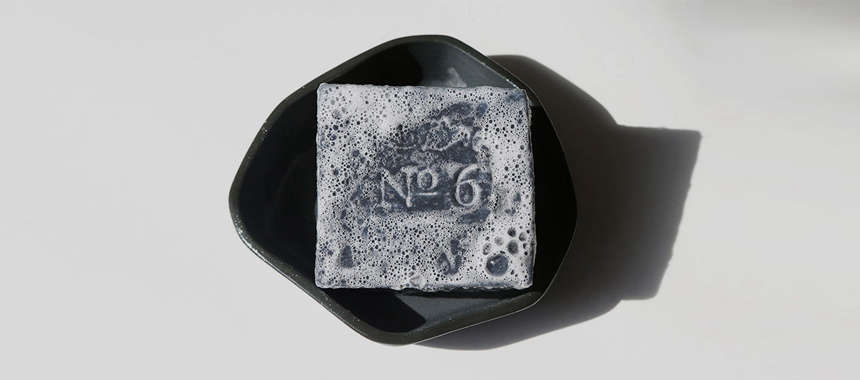

African black soap is the rare beauty product that sounds mysterious, looks like a chunk of fancy volcanic brownie, and somehow earns a permanent spot in many bathrooms after one good lather. Traditionally made with ingredients such as plantain peel ash, cocoa pod ash, palm kernel oil, coconut oil, and shea butter, black soap has long been used as a cleansing staple in parts of West Africa. Today, it has become a favorite among people looking for a more natural-feeling cleanser for the face, body, and sometimes even the scalp.
But let’s be honest: not every black soap product is created equal. Some are raw and crumbly. Some are silky liquid washes. Some smell earthy and smoky, while others arrive with peppermint, citrus, tea tree, or lavender swagger. The best black soap for you depends on your skin type, your tolerance for texture, your loveor fearof fragrance, and whether your shower shelf already looks like a tiny cosmetic warehouse.
This guide rounds up 10 favorites from the world of black soap, with practical notes on what makes each one useful, who may like it most, and how to use it without turning your skin barrier into a dramatic soap opera.
What Is Black Soap?
Black soap, especially African black soap, is a plant-based cleanser traditionally made by combining ash from roasted plant materials with nourishing oils and butters. The ash helps create the cleansing effect, while oils such as palm kernel oil, coconut oil, and shea butter add conditioning qualities. Authentic raw black soap is usually dark brown rather than jet black, with an uneven, rustic texture. It can look a little imperfect, which is part of the charm. Your bar soap does not need to resemble a luxury marble countertop to do its job.
Because formulas vary widely, black soap can feel gentle for some people and too drying for others. Dermatology-friendly advice still applies: use lukewarm water, avoid scrubbing aggressively, and moisturize after cleansing. If your skin feels tight, itchy, or squeaky-clean in the bad way, reduce usage or switch to a milder cleanser. A patch test is also smart, especially for sensitive, eczema-prone, rosacea-prone, or very dry skin.
How We Chose These 10 Favorites
The picks below were chosen based on ingredient transparency, brand availability in the U.S. market, usefulness for different skin needs, texture, value, and overall practicality. Some are traditional-style raw soaps. Others are modern body washes or bar formulas inspired by African black soap. The goal is not to crown one universal winner, because skin is not a monarchy. The goal is to help you find the best black soap for your routine.
10 Favorites: The Best of Black Soap
1. Alaffia Authentic African Black Soap, Unscented
Best for: Simple, fragrance-free cleansing
Alaffia’s unscented liquid black soap is one of the most practical choices for anyone who wants black soap without a perfume parade. It is made with traditional inspiration, including shea butter and West African palm-based ingredients, and it works as an all-in-one cleanser for body, face, and sometimes hair. The liquid format is especially convenient if you do not love the crumbly nature of raw black soap.
The unscented version is the safest starting point for people who are cautious about fragrance. It still has a natural earthy aroma, but it is not trying to smell like a tropical vacation wearing sunglasses. Use it as a body wash first before testing it on the face. If your skin tolerates it well, it can become a low-fuss shower staple.
2. SheaMoisture African Black Soap Bar
Best for: Blemish-prone body skin and classic bar soap fans
SheaMoisture’s African Black Soap Bar is widely available and popular for a reason. It combines black soap-inspired cleansing with ingredients such as shea butter, oats, aloe, and vitamin E. That makes it more approachable than some raw black soap bars, especially for people who want a cleanser that feels familiar.
This bar is often chosen by people dealing with oily or troubled skin, particularly on the back, chest, shoulders, or arms. The oats and aloe help give the formula a calmer personality. Still, it is a soap bar, so follow with moisturizer. The bar may be confident, but your skin barrier still enjoys backup.
3. Nubian Heritage African Black Soap Body Wash
Best for: A polished shower experience
Nubian Heritage’s African Black Soap Body Wash is a good option for anyone who wants the concept of black soap in a smoother, spa-like body wash. It often features ingredients such as shea butter, aloe, oat extract, jojoba beads, and mineral-rich salts, depending on the product version. The result is less rustic and more “I have my life together,” even if your towel is still on the floor.
This pick is especially useful for body cleansing. Because some formulas include exfoliating particles or fragrance, it may not be the best first choice for highly sensitive facial skin. For normal, oily, or blemish-prone body skin, however, it can feel refreshing and satisfying.
4. Dudu-Osun Black Soap
Best for: A bold, traditional-style bar with a strong following
Dudu-Osun is one of the most recognizable black soap bars in the world. It is known for its dark color, distinctive scent, and rich lather. The formula is inspired by traditional African black soap and often includes ingredients such as shea butter, aloe vera, honey, palm kernel oil, and citrus derivatives.
This is not the shy soap at the party. It has personality. People who love it often praise its deep-clean feeling, while people with sensitive or dry skin may find it too intense for daily use. Start slowlyperhaps two or three times per week on the bodyand see how your skin responds. Your face does not need to be the testing laboratory on day one.
5. Plant Guru Raw African Black Soap
Best for: DIY users and raw soap purists
Plant Guru’s raw African black soap is a strong option for people who want a more traditional, unrefined soap experience. Raw black soap usually comes in uneven chunks or bulk blocks, and it can be cut into smaller pieces. This is useful because leaving the entire block in a wet shower can turn it into a soft, melting situation. Think soap, not pudding.
Raw black soap is versatile but requires a little care. Break off a small piece, lather it in your hands, and avoid rubbing rough chunks directly on the face. Store unused portions somewhere dry. This pick is best for experienced users who like controlling how much they use and do not mind a rustic texture.
6. Our Earth’s Secrets Raw African Black Soap
Best for: Budget-friendly bulk use
Our Earth’s Secrets is another popular raw African black soap option, often sold in larger quantities. It appeals to shoppers who want a simple, traditional-style product without paying boutique prices for tiny bars wrapped like birthday jewelry.
Like other raw options, it may be stronger than creamy commercial cleansers. Use a small amount, keep it away from the eyes, and follow with a moisturizer. It can be especially handy for body cleansing, occasional scalp cleansing, or making a diluted liquid soap at home. Just avoid the temptation to use it like a power washer for your face.
7. Shea Radiance African Black Soap
Best for: A softer artisan-style choice
Shea Radiance focuses on shea-based skincare and offers African black soap products that lean into traditional ingredients while still feeling curated. This is a good category to explore if you want a product with a more artisan feel and a brand story connected to shea butter sourcing.
Depending on the specific product, Shea Radiance black soap may be suitable for body or face, but the same rule applies: start small. Black soap can cleanse thoroughly, and overuse can leave some skin types dry. Pair it with a good moisturizer and listen to your skin. If your cheeks feel like they are filing a complaint, reduce frequency.
8. Wonderfully Natural African Black Soap
Best for: Simple ingredient lovers
Wonderfully Natural is often associated with raw African black soap in bar or bulk form. It is a practical pick for people who prefer straightforward products and want to avoid heavily perfumed cleansers. Raw-style black soap can vary in color, shape, and texture, which is normal.
This kind of soap is best used with patience. Lather first, apply gently, rinse well, and moisturize. Do not scrub aggressively just because the soap looks rugged. Your skin is not a cast-iron skillet.
9. Alaffia African Black Soap with Eucalyptus Tea Tree
Best for: A refreshing body wash feel
If unscented soap feels too quiet, Alaffia’s eucalyptus tea tree version brings a cleaner, more invigorating shower experience. Tea tree and eucalyptus scents can feel especially fresh after a workout or on humid days when your skin says, “Please send help.”
Because essential oil scents can bother sensitive skin, this pick is better for the body than the face for many users. It is also a good reminder that “natural fragrance” can still be irritating for some people. Natural does not automatically mean your skin will write it a thank-you note.
10. Nubian Heritage African Black Soap Bar
Best for: A fragrant, creamy bar experience
Nubian Heritage’s African Black Soap Bar is a favorite for people who want a more finished, fragrant bar rather than a raw, crumbly soap. It often includes shea butter and botanical ingredients that make the bar feel more luxurious. It is the kind of soap that looks nice in the shower and smells like it has weekend plans.
Because it is scented and may include exfoliating elements, use caution on sensitive skin. For normal or oily body skin, it can be a satisfying cleanser. For facial use, patch test first and avoid combining it with strong exfoliating acids, retinoids, or acne treatments in the same routine unless your dermatologist says it is fine.
How to Use Black Soap Without Annoying Your Skin
Start Slowly
Use black soap two or three times per week at first. If your skin tolerates it well, you can adjust from there. Daily use may work for some oily skin types, but it may be too much for dry or sensitive skin.
Lather Before Applying
Raw black soap can be rough. Instead of rubbing the bar directly on your face, create a lather in your hands, then apply the foam gently. This reduces friction and helps avoid irritation.
Moisturize Immediately
After rinsing, apply a moisturizer while your skin is slightly damp. This helps keep the cleansing step from becoming too drying. Even oily skin needs hydration; it is not a cactus with Wi-Fi.
Do Not Combine Everything at Once
If you use retinoids, benzoyl peroxide, salicylic acid, exfoliating toners, or prescription acne products, be careful. Adding black soap too aggressively can increase dryness or irritation. Introduce one new product at a time so you know what is helping and what is causing drama.
Who Should Be Careful With Black Soap?
Black soap is not automatically perfect for everyone. People with very dry, highly sensitive, eczema-prone, or rosacea-prone skin should be cautious. Some formulas can feel drying, especially raw soaps or heavily scented bars. If you have a diagnosed skin condition, ongoing irritation, painful acne, or a compromised skin barrier, ask a dermatologist before relying on black soap as a main cleanser.
Also, black soap should not be treated as a cure for acne, eczema, dark spots, or psoriasis. It may support a routine by cleansing and gently exfoliating, but medical skin concerns often need targeted treatment. A cleanser can help, but it is not a tiny dermatologist in bar form.
What to Look for When Buying Black Soap
Ingredient Clarity
Look for recognizable ingredients such as shea butter, palm kernel oil, coconut oil, cocoa pod ash, plantain ash, aloe, oats, or glycerin. Avoid products that hide behind vague claims and no ingredient list.
Texture and Format
Raw soap is traditional and customizable, but it can be messy. Bar soap is convenient and familiar. Liquid black soap is easiest for shared showers, gym bags, and people who do not want soap crumbs staging a rebellion near the drain.
Fragrance Level
If you have sensitive skin, choose fragrance-free or unscented options first. Scented formulas can be enjoyable, but fragrance is one of the most common reasons cleansers become irritating.
Storage Needs
Black soap often contains natural glycerin, which attracts moisture. Store bars in a draining soap dish and keep bulk raw soap sealed in a dry place. Otherwise, your prized soap chunk may soften faster than your willpower near fresh cookies.
Experiences With Black Soap: What Real Use Often Feels Like
The first experience with black soap can be surprising. Many people expect a smooth, black bar like charcoal soap, then open the package and find something brown, uneven, earthy, and crumbly. At first glance, raw African black soap may look less like a beauty product and more like something discovered during a very ambitious hiking trip. But once it lathers, the appeal becomes clearer.
One common experience is the “clean but not perfumed” feeling. Unscented black soap does not usually smell like a department-store fragrance counter. It can smell smoky, nutty, earthy, or slightly sweet depending on the oils and ash used. For people tired of body washes that smell like cupcakes fighting tropical fruit, this can be refreshing.
Another experience is the deep-clean effect. Oily and blemish-prone skin types often enjoy how black soap removes sweat, sunscreen, and buildup. It can feel especially helpful after hot weather, workouts, or long days when your skin feels like it has collected every molecule in the atmosphere. Used on the back or chest, it may help keep skin feeling clearer and less congested.
However, the learning curve is real. Some users make the classic beginner mistake: they use black soap every morning and night, directly rub the bar on their face, skip moisturizer, and then wonder why their skin feels tight enough to play a violin solo. Black soap can be effective, but it rewards moderation. The better experience is usually slower: use it a few times weekly, lather in the hands, rinse well, and moisturize like a responsible adult who owns at least one clean pillowcase.
People with dry skin often find that black soap works better on the body than the face. For example, someone may love it for shoulders, arms, or feet, but prefer a cream cleanser for cheeks and around the nose. Combination skin users may use it only on oily areas, such as the T-zone, while avoiding dry patches. This flexible approach is smarter than forcing one product to do every job. Even the best black soap does not need to be your cleanser, exfoliator, personality, and emotional support system.
Another practical experience: storage matters. A raw chunk left under the shower stream can soften quickly and create a brown puddle that looks more alarming than it is. The fix is simple. Cut off a small piece for daily use and store the rest in a dry container. A draining soap dish also helps bar soap last longer. This one tiny habit can save money, mess, and that awkward moment when guests ask whether your soap is supposed to be melting like a dessert.
For hair and scalp, experiences are mixed. Some people enjoy diluted liquid black soap as a clarifying wash, especially when their scalp feels oily. Others find it too drying for curls, color-treated hair, or already dry scalps. If you try it on hair, dilute it, use it occasionally, and follow with conditioner. Do not expect raw soap to behave like a creamy salon shampoo. It is more of a reset button than a daily hair romance.
The best experience with black soap usually comes from matching the product to the person. A fragrance-free liquid soap may suit a minimalist. A creamy bar may fit someone who wants convenience. A raw bulk soap may delight the DIY skincare fan who owns tiny jars and labels everything. The magic is not in using the strongest product. The magic is in finding the version your skin actually enjoys.
Conclusion: Is Black Soap Worth Trying?
Black soap is worth trying if you like plant-based cleansers, want a more traditional soap experience, or need a body cleanser that feels thorough without being overly complicated. The best black soap products offer a balance of cleansing power, nourishing oils, and practical usability. Alaffia is excellent for liquid simplicity, SheaMoisture is a strong everyday bar option, Nubian Heritage brings a polished body wash experience, and raw soaps from brands like Plant Guru or Our Earth’s Secrets appeal to traditionalists.
The most important rule is to treat black soap with respect. Start slowly, lather gently, moisturize afterward, and stop if your skin feels irritated. When used wisely, black soap can be a satisfying, affordable, and refreshingly no-nonsense addition to your skincare routine. It may not solve every skin concern, but it can absolutely earn its little corner of the shower shelfand maybe even behave better than the half-empty bottles currently living there rent-free.
Note: This article is written for web publication and synthesized from reputable U.S. skincare, dermatology, and product information sources.


