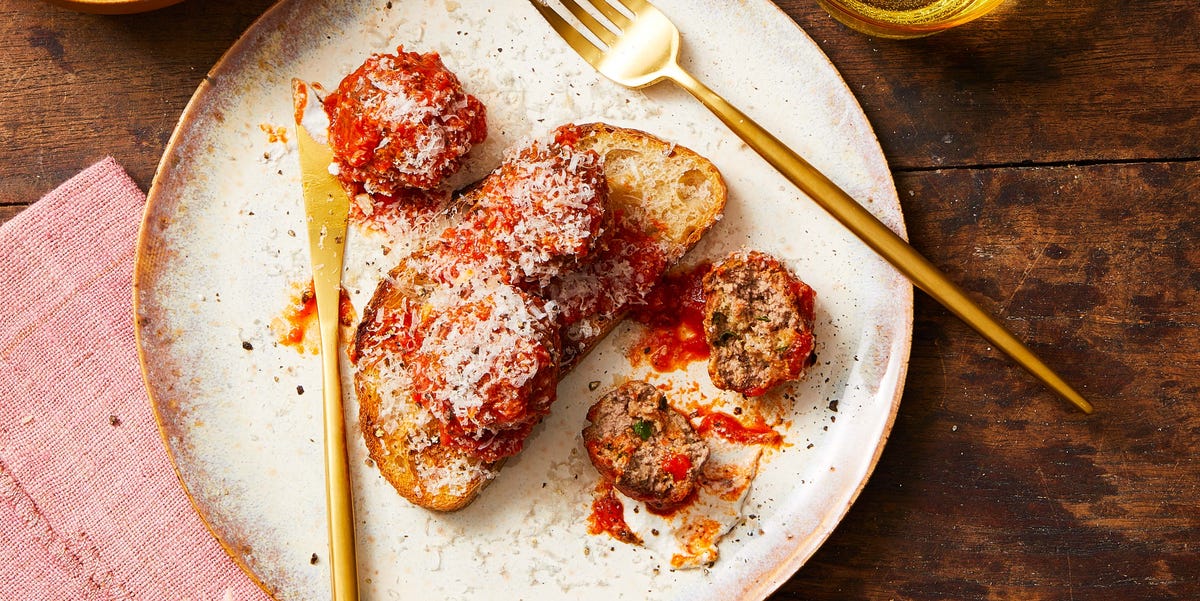

Stuffing meatballs are what happens when a cozy holiday side dish decides it deserves top billing. They combine juicy ground turkey, savory sausage, buttery herbs, tender stuffing, and just enough onion and celery to make every bite taste like Thanksgiving dinnerwithout requiring a 16-pound bird, three casseroles, or a family debate about who forgot the cranberry sauce.
This recipe uses seasoned stuffing mix as both a flavor booster and a moisture-retaining binder. Hydrating the stuffing before mixing it with the meat creates a soft bread mixture similar to a panade, a classic meatball technique that helps prevent dry, bouncy results. Soaking stuffing mix or bread in liquid before mixing it with ground meat is widely used to produce softer, juicier meatballs.
The meatballs are baked rather than fried, so they brown nicely with less mess and can be served as a weeknight dinner, holiday appetizer, Friendsgiving dish, or clever way to use leftover stuffing.
The best part is flexibility. Serve them over mashed potatoes with gravy, tuck them into slider buns, spear them with toothpicks beside cranberry dipping sauce, or eat one directly from the baking sheet while pretending you are “checking the seasoning.” Quality control is a demanding profession.
Why Stuffing Mix Makes Better Meatballs
Traditional meatballs often rely on breadcrumbs, milk, and seasonings. Stuffing mix performs all three jobs at once. The dried bread absorbs broth, the seasoning blend adds sage and other poultry-friendly herbs, and the softened crumbs help distribute moisture throughout the meat. When the mixture cooks, it stays cohesive without becoming dense.
That does not mean more stuffing is always better. Too little produces firm meatballs; too much can make them taste like bread balls that briefly met a turkey. The ratio below gives the stuffing a clear presence while keeping the meat juicy and substantial.
A blend of ground turkey and mild pork sausage creates an especially satisfying balance. Turkey supplies the familiar holiday flavor, while sausage contributes fat, salt, and richness. You can make the recipe with all turkey, but choose 93% lean rather than ultra-lean breast meat and add a tablespoon of melted butter or olive oil to protect against dryness.
Stuffing Meatballs Recipe at a Glance
- Prep time: 25 minutes
- Cook time: 18 to 22 minutes
- Total time: About 45 minutes
- Yield: 22 to 24 meatballs
- Serving size: 4 meatballs
- Cooking method: Oven-baked
- Safe internal temperature: 165°F because the recipe contains ground turkey
Ingredients
For the Stuffing Meatballs
- 2 cups herb-seasoned dry stuffing mix, lightly crushed
- 3/4 cup low-sodium chicken or turkey broth, warmed
- 1 tablespoon unsalted butter
- 1/2 cup very finely diced yellow onion
- 1/2 cup very finely diced celery
- 1 pound 93% lean ground turkey
- 1/2 pound mild pork sausage, casings removed if necessary
- 1 large egg, lightly beaten
- 1 tablespoon Worcestershire sauce
- 2 tablespoons chopped fresh parsley
- 1/2 teaspoon rubbed sage
- 1/2 teaspoon garlic powder
- 1/2 teaspoon freshly ground black pepper
- 1/4 teaspoon kosher salt, plus more only if needed
- Nonstick cooking spray or a thin coating of oil
For the Optional Cranberry Dipping Sauce
- 3/4 cup whole-berry cranberry sauce
- 2 tablespoons orange juice
- 1 teaspoon Dijon mustard
- 1 teaspoon lemon juice or apple cider vinegar
- Pinch of black pepper
How to Make Stuffing Meatballs
1. Hydrate the Stuffing
Place the crushed stuffing mix in a large bowl. Pour the warm broth over it, stir once, and let it stand for 5 to 7 minutes. The crumbs should feel evenly damp and soft but not soupy.
If dry pockets remain, add broth one tablespoon at a time. Starting with controlled moisture is much easier than rescuing a mixture that has become stuffing soup.
2. Sauté the Vegetables
Melt the butter in a small skillet over medium heat. Add the onion and celery and cook for 5 to 6 minutes, stirring occasionally, until softened but not deeply browned.
Finely chopped vegetables blend into the meatballs more smoothly, while large raw pieces can cause cracking and make rolling awkward. Transfer the vegetables to the bowl with the stuffing and let the mixture cool for several minutes.
3. Prepare the Oven and Pan
Preheat the oven to 400°F. Line a large rimmed baking sheet with parchment paper or foil, then lightly coat it with cooking spray or oil.
A rimmed pan catches any rendered fat, while parchment makes cleanup considerably less dramatic. Use a light-colored baking sheet when possible because very dark pans can brown the bottoms before the centers finish cooking.
4. Mix the Meatball Mixture Gently
Add the ground turkey, sausage, egg, Worcestershire sauce, parsley, sage, garlic powder, pepper, and salt to the cooled stuffing mixture.
Using clean hands or a sturdy fork, combine everything just until no large streaks of meat remain. Do not knead, squeeze, or repeatedly mash the mixture. Excess mixing develops the meat proteins and can turn a tender meatball into a small edible stress ball.
5. Cook a Test Patty
Pinch off a teaspoon of the mixture, flatten it, and cook it in the same skillet for a few minutes until completely done. Taste it before shaping the full batch.
Stuffing mix and sausage brands vary significantly in salt and seasoning. This tiny test prevents an entire tray from being bland, overly salty, or powerful enough to perfume the neighborhood with sage. Add more salt, pepper, or herbs only after tasting.
6. Shape the Meatballs
Use a 1 1/2-tablespoon cookie scoop or damp hands to portion the mixture into 22 to 24 balls, each about 1 1/2 inches wide.
Roll each portion lightly rather than compressing it into a perfectly smooth sphere. Loosely formed meatballs retain a more tender texture. Arrange them approximately one inch apart on the prepared baking sheet so hot air can circulate around them.
7. Bake Until Browned and Fully Cooked
Bake for 18 to 22 minutes, rotating the pan once, until the meatballs are lightly browned and an instant-read thermometer inserted into the center of a large meatball registers 165°F.
The USDA recommends cooking all ground poultry to a minimum internal temperature of 165°F. Color alone is not a dependable indication of safety, so let the thermometer make the final decision.
For a deeper golden surface, broil the meatballs for 1 to 2 minutes after they reach temperature. Watch them closely; broilers operate with the emotional stability of a dragon.
8. Make the Cranberry Dipping Sauce
While the meatballs bake, combine the cranberry sauce, orange juice, Dijon mustard, lemon juice, and pepper in a small saucepan.
Warm over low heat for 4 to 5 minutes, stirring until glossy and evenly combined. Add a splash of broth or water for a thinner sauce. Serve warm or at room temperature.
Expert Tips for Tender, Flavorful Stuffing Meatballs
Let the Stuffing Absorb the Liquid
Dry stuffing added directly to the meat can absorb juices during baking. Hydrating it first softens the bread and distributes moisture more evenly. If you are using prepared leftover stuffing, skip the initial broth because the bread is already moist.
Keep the Ingredients Cool
Let the sautéed vegetables and hydrated stuffing cool before adding raw meat. Warm ingredients soften the meat fat and can make the mixture greasy or difficult to roll.
If the finished mixture feels unusually soft, refrigerate it for 15 minutes. Chilling gives the bread more time to absorb moisture and makes shaping easier.
Do Not Overmix
Mix only until the ingredients are distributed. A stand mixer may be useful for commercial batches, but clean hands provide better feedback for a single tray and make it easier to stop before the mixture becomes overworked.
Keep Every Meatball the Same Size
Uniform meatballs cook at approximately the same rate. A spring-loaded scoop is ideal, but a tablespoon works too. If some portions resemble golf balls and others resemble decorative boulders, the smaller ones may dry out before the larger ones are safe to eat.
Do Not Guess the Seasoning
Stuffing mix, sausage, broth, and Worcestershire sauce all contain varying amounts of sodium. The cooked test patty is the most reliable way to adjust seasoning without tasting raw meat.
Easy Stuffing Meatball Variations
All-Turkey Stuffing Meatballs
Replace the sausage with another 1/2 pound of 93% lean ground turkey. Add one tablespoon of melted butter or olive oil and an extra pinch of salt if the test patty needs it.
Avoid 99% lean turkey breast unless you prefer meatballs with the charisma of packing material.
Leftover Stuffing Meatballs
Use 2 cups of cold prepared stuffing in place of the dry mix and broth. Break it into small crumbs before combining it with the meat and remaining ingredients.
Leftover stuffing may already contain eggs, broth, sausage, or plenty of salt. Cook a test patty before adding more seasoning. If the mixture feels dry, add broth one tablespoon at a time. If it is too wet to roll, add a small amount of plain breadcrumbs.
Cornbread Stuffing Meatballs
Substitute cornbread stuffing mix for the herb variety. Cornbread can be more crumbly than wheat bread, so give it several minutes to absorb the broth completely. Chopped scallions, smoked paprika, or a pinch of cayenne complement this version.
Apple-Sage Meatballs
Add 1/3 cup of peeled apple grated on the large holes of a box grater. Squeeze out the excess juice before mixing it into the meat. The apple contributes gentle sweetness and moisture without making the meatballs taste like dessert.
Cheesy Stuffing Meatballs
Fold in 1/3 cup finely grated Parmesan or sharp white cheddar. Parmesan adds concentrated savoriness, while cheddar creates richer pockets throughout the meatballs. Reduce the added salt until you have tasted the test patty.
Gluten-Free Stuffing Meatballs
Choose a certified gluten-free stuffing mix and verify that the sausage, broth, Worcestershire sauce, and other packaged ingredients meet your dietary requirements. The preparation method and cooking temperature remain the same.
What to Serve With Stuffing Meatballs
For a complete holiday-style dinner, serve the meatballs over mashed potatoes with turkey gravy, roasted green beans, and cranberry sauce. Gravy reinforces the savory stuffing flavors, while cranberry sauce supplies acidity that balances the butter and sausage.
For an appetizer, arrange the meatballs on a warm platter with toothpicks and two small bowls: cranberry-Dijon sauce and gravy. Keeping the sauces separate lets guests choose sweet-tart, deeply savory, or the diplomatic optionboth.
For an everyday meal, pair them with roasted sweet potatoes, sautéed kale, a crisp apple salad, buttered egg noodles, or rice. They also make excellent sliders with soft rolls, a little gravy, and a thin layer of cranberry sauce.
Make-Ahead, Storage, and Reheating Instructions
Making the Meatballs Ahead
Shape the uncooked meatballs up to one day in advance. Arrange them on the baking sheet, cover tightly, and refrigerate. Let the pan sit out only while the oven preheats, then bake as directed.
Refrigerating Cooked Meatballs
Cool cooked meatballs promptly and store them in a shallow airtight container in the refrigerator for 3 to 4 days. USDA guidance recommends using refrigerated leftovers within this period.
Store the cranberry sauce or gravy separately when possible so the meatballs do not absorb too much liquid and become overly soft.
Freezing Stuffing Meatballs
Arrange cooked and cooled meatballs in a single layer on a baking sheet. Freeze until firm, then transfer them to a freezer bag or airtight container. They will maintain their best flavor and texture for approximately 3 months.
Remove excess air from the container to reduce freezer burn. Thaw frozen meatballs overnight in the refrigerator before reheating.
Reheating Without Drying Them Out
Place the meatballs in a covered baking dish with a few spoonfuls of broth or gravy. Warm them in a 325°F oven until heated through.
You can also microwave individual portions at reduced power in short intervals. Gentle reheating protects their moisture better than blasting them until they become tiny savory meteors.
Frequently Asked Questions
Can I Fry Stuffing Meatballs Instead of Baking Them?
Yes. Heat a thin layer of oil in a skillet over medium heat and brown the meatballs in batches, turning them carefully. Reduce the heat, cover the skillet, and continue cooking until the centers reach 165°F.
Baking is simpler for a full batch and usually helps the delicate stuffing mixture hold together more reliably.
Why Are My Stuffing Meatballs Falling Apart?
The mixture may be too wet, the vegetables may be chopped too coarsely, or the egg may not have been evenly distributed. Refrigerate the mixture for 15 minutes before trying again.
If it still will not hold, add one or two tablespoons of plain breadcrumbs. Avoid adding a large quantity at once because too many breadcrumbs can make the finished meatballs dry.
Why Did My Meatballs Turn Out Dry?
Common causes include using ultra-lean turkey, failing to hydrate the stuffing, mixing too aggressively, packing the portions tightly, or cooking past 165°F.
Use 93% lean turkey, soften the stuffing with broth, shape gently, and begin checking the internal temperature near the lower end of the recommended cooking time.
Can I Make Stuffing Meatballs With Ground Chicken?
Yes. Ground chicken works well and should also be cooked to 165°F. A blend containing some dark meat will generally be juicier than ground chicken breast alone.
Can I Keep Them Warm in a Slow Cooker?
Bake the meatballs first so their shape and browned exterior are properly set. Transfer them to a slow cooker with warm gravy and hold them on the low or warm setting.
Avoid simmering them for many hours. Excessive cooking can soften the exterior and eventually dry out the center.
Kitchen Experience: What I Learned While Perfecting Stuffing Meatballs
My first batch of stuffing meatballs looked promising right up until I tried to roll them. The onion and celery had been chopped with the confidence of someone making soup, which meant the pieces were far too large. Every meatball developed fault lines. One split open before reaching the pan, and another resembled a tiny globe with celery marking the continents.
The flavor was good, but the texture made it clear that “finely diced” is not decorative recipe language. Cutting the vegetables into pieces no larger than a grain of cooked rice allowed them to blend into the stuffing instead of acting like structural obstacles.
The second lesson involved hydration. In an early test, I poured broth over the stuffing and immediately added the meat. The dry centers of the bread continued absorbing moisture in the oven, leaving the turkey noticeably firmer.
Letting the stuffing rest for five minutes made a dramatic difference. The crumbs became soft, the seasonings spread evenly, and the finished meatballs had a plush interior instead of a springy one. That small pause is now nonnegotiable.
I also tested all-turkey and turkey-sausage versions side by side. The all-turkey batch tasted clean and pleasantly herbal, but the mixed batch won the table vote. Sausage added richness and delivered the holiday flavor people expected before the gravy even arrived.
The key was restraint. Equal amounts of turkey and sausage tasted too heavy, while a two-to-one ratio kept the turkey flavor clear and supplied enough fat for juiciness. It also produced meatballs sturdy enough for toothpicks but tender enough to cut with a fork.
The most useful discovery came from cooking the test patty. Seasoned stuffing mixes range from mild to salty, and sausage brands are equally unpredictable. Tasting a fully cooked teaspoon of mixture saved one batch that needed no extra salt and another that desperately needed pepper and sage.
The test adds only a few minutes and removes the suspense from serving food to a crowd. It also gives the cook official permission to have a snack before dinner, which is valuable compensation.
Shaping technique mattered too. At first, I rolled each portion firmly to create perfect spheres. They looked excellent and ate like holiday-themed racquetballs. A lighter roll produced softer meatballs with a slightly rustic surface that browned better. Perfection, it turns out, was the enemy of dinner.
A cookie scoop was helpful because every portion cooked at approximately the same speed. Without it, I inevitably created three normal meatballs, one marble, and something that belonged in a shot-put competition.
For serving, gravy and cranberry sauce together beat either one alone. Gravy amplified the savory stuffing flavor, while cranberry sauce woke everything up with fruit and acidity. A thinner cranberry-Dijon dip worked especially well for appetizers because it clung to the meatballs without turning them into sticky candy.
At dinner, mashed potatoes provided the ideal landing pad for gravy and prevented anyone from chasing a runaway meatball across the plate. Roasted green beans added freshness and supplied the reassuring presence of a vegetable.
Finally, these meatballs proved more useful outside the holidays than expected. They freeze well, reheat gently, and can become sliders, grain bowls, party appetizers, or quick dinners with roasted vegetables. The recipe feels nostalgic, but it is not trapped in November. It is simply a smart, flavorful meatball formula wearing its favorite sweater.
Conclusion
The best stuffing meatballs combine hydrated herb stuffing, finely sautéed vegetables, ground turkey, and a modest amount of sausage for moisture and flavor. Mix gently, shape lightly, and bake only until the centers reach 165°F. The result is tender, savory, and familiar enough for a holiday table but practical enough for an ordinary Tuesday.
Serve them with gravy and cranberry sauce for the full comfort-food experience, or adapt the recipe with leftover stuffing, cornbread dressing, apple, cheese, or ground chicken. Once you discover that an entire celebration can fit inside a meatball, the roasting pan may start feeling a little nervous.
Note: This original recipe and article synthesize established cooking techniques and food-safety guidance from USDA FSIS, FoodSafety.gov, Bon Appétit, Serious Eats, Allrecipes, Taste of Home, Southern Living, Delish, Budget Bytes, Love & Lemons, Spend With Pennies, How Sweet Eats, Pillsbury, and registered-dietitian recipe resources. Ingredient brands, meatball sizes, and oven performance vary, so always use a food thermometer to verify doneness.


