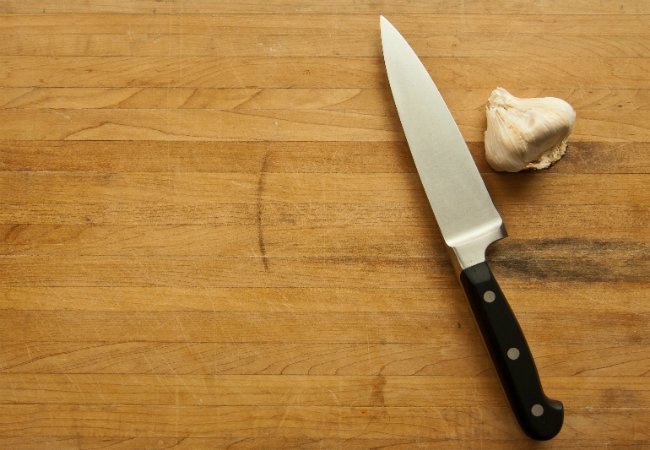

Butcher block brings something to a kitchen that stone and laminate cannot quite imitate: warmth, texture, and the quipared a few hundred meals. Unfortunately, it also collects crumbs, tomato stains, grease, water rings, and the occasional mysterious sticky patch that nobody in the household remembers creating.
The good news is that learning how to clean butcher block is not difficult. The secret is using enough moisture to remove grime without giving the wood an unwanted bath. With mild soap, prompt drying, occasional stain treatment, and the right protective finish, a butcher block countertop can remain attractive and useful for decades.
Before You Start: Identify the Butcher Block Finish
Do not reach for a spray bottle until you know how the wood was finished. Two countertops may look nearly identical while requiring different cleaning routines.
Oil-Finished Butcher Block
An oil-finished surface usually has a natural, low-sheen appearance. Food-grade mineral oil penetrates the wood rather than forming a hard film over it. This finish is commonly used when the surface is intended for direct food preparation because scratches can be sanded out and the wood can be re-oiled.
Oil-finished wood needs periodic conditioning. John Boos recommends oiling wood surfaces at least monthly, depending on use and household conditions, while other manufacturers advise reapplication whenever the wood appears dry. Food-grade mineral oil is widely used because it is odorless, tasteless, penetrates the fibers, and does not become rancid like many cooking oils. ilm-Finished or Sealed Butcher Block
Polyurethane, varnish, conversion finishes, and similar coatings form a protective layer above the wood. These surfaces are generally more resistant to water and stains, but they should not automatically be treated like unfinished cutting boards.
Some manufacturers specifically warn against bleach, ammonia, abrasive pads, and concentrated cleaners because these products can cloud or damage the coating. Always follow the instructions supplied with the countertop or finish. A cleaner that is appropriate for an oil-finished chopping block may be completely wrong for a polyurethane-coated island. n>
Tools and Materials
- Flexible plastic scraper or bench scraper
- Soft sponge or microfiber cloth
- Soft-bristled cleaning brush
- Mild liquid dish soap
- Warm water
- Clean, absorbent towels
- Distilled white vinegar for odor control and routine freshening
- Unscented liquid chlorine bleach, when food-safe sanitizing is necessary and the finish permits it
- Table salt or coarse kosher salt
- Fresh lemon
- Baking soda or cornstarch for greasy marks
- Three-percent hydrogen peroxide for selected dark stains
- Fine-grit sandpaper for repairable unfinished or oil-finished surfaces
- Food-grade mineral oil or butcher block conditioner
How to Clean Butcher Block After Everyday Use
Step 1: Remove Loose Debris
Clear appliances, cutting boards, utensil jars, and decorative objects from the work area. Brush crumbs into your hand or use a dry cloth to gather them. For stuck-on dough, dried sauce, or cheese, hold a flexible plastic scraper at a low angle and gently push the residue away.
Avoid metal putty knives, razor blades, and aggressive scraping. The goal is to remove the dried oatmeal, not excavate a new river system through the countertop.
Step 2: Wash With Mild Soap and Warm Water
Add a few drops of mild dish soap to warm water. Dampen a soft sponge or microfiber cloth, wring it out well, and wipe along the direction of the wood grain. Pay special attention to seams, corners, sink edges, and the area behind faucets, where grease and moisture often hide.
For stubborn residue, use a soft-bristled brush and gentle pressure. Do not flood the counter, leave a wet towel sitting on it, or pour soapy water directly onto the wood. Extension and manufacturer guidance consistently recommends mild soap, limited water exposure, and prompt drying because prolonged moisture can contribute to swelling, cracking, or warping. tep 3: Remove Soap Residue
Wipe the surface again with a separate cloth lightly dampened with clean water. Rinse and wring the cloth frequently so that you remove soap rather than moving it from one end of the counter to the other.
Step 4: Dry the Wood Immediately
Use a clean towel to dry the countertop thoroughly. Do not depend entirely on air-drying, particularly around seams and sink cutouts. Standing water is one of butcher block’s least favorite houseguests: It arrives quietly, overstays its welcome, and may leave permanent damage behind.
How to Sanitize a Butcher Block Surface Safely
Cleaning removes food, grease, and visible soil. Sanitizing is an additional step used to reduce microorganisms, especially after the surface has contacted raw meat, poultry, seafood, or their juices.
The USDA states that both wooden and plastic cutting boards can be sanitized with a solution containing one tablespoon of unscented liquid chlorine bleach per gallon of water. The cleaned surface is flooded with the solution, allowed to stand for several minutes, rinsed with clear water, and then air-dried or dried with clean paper towels. mportant Finish Warning
Use a bleach solution only when the countertop manufacturer or finish instructions allow it. Some sealed butcher block products prohibit bleach because it can damage the protective coating. When the finish is unknown, avoid improvising and check the product documentation first.
White vinegar is often recommended for routine freshening and odor reduction on compatible wood surfaces. However, it should not be treated as a universal replacement for an approved food-contact sanitizer after raw poultry or meat preparation. For easier cross-contamination control, use a separate removable cutting board for raw animal products and wash the countertop promptly if juices escape. USDA food-safety guidance also recommends keeping raw meat and its juices away from ready-to-eat foods. n>
How to Remove Stains From Butcher Block
Before treating a stain, test the method in an inconspicuous spot. Natural wood species, stains, oils, waxes, and clear coatings can react differently.
Light Food Stains: Salt and Lemon
- Blot any remaining moisture from the stained area.
- Sprinkle the mark with table salt or coarse kosher salt.
- Cut a lemon in half and rub the cut side over the salt.
- Allow the mixture to rest briefly for a fresh stain or longer for a stubborn mark.
- Wipe the area with a clean, damp cloth and dry it immediately.
The salt provides gentle abrasion while the lemon helps loosen discoloration and odors. Do not use this method on a film finish unless the manufacturer approves acidic cleaners. Bob Vila, Better Homes & Gardens, and other home-care sources commonly recommend the salt-and-lemon method for unfinished or appropriately finished butcher block. rease Marks: Baking Soda or Cornstarch
If oil has penetrated a worn section of wood, combine baking soda or cornstarch with a small amount of water to make a thick paste. Spread it over the greasy mark and allow it to sit for several hours or overnight. The powder may help draw oil from the pores.
Wipe away the paste, clean the area with mild soap, and dry it. Repeat if needed rather than attacking the stain with a steel scrubber. Aggressive abrasion can create a pale patch that is more noticeable than the original grease spot. ark Organic Stains: Hydrogen Peroxide
On compatible unfinished or oil-finished wood, a small amount of three-percent hydrogen peroxide can help lighten certain dark stains. Apply it carefully with a cotton swab or clean cloth, keeping the treatment confined to the mark. Let the area dry and repeat cautiously if necessary.
Hydrogen peroxide can alter wood color, so testing is essential. Never mix hydrogen peroxide with vinegar, bleach, ammonia, or another cleaner.
Deep Stains and Knife Marks: Sand and Refinish
One advantage of traditional butcher block is repairability. If a stain has soaked deeply into bare or oil-finished wood, allow the counter to dry completely and sand the damaged area in the direction of the grain. Begin with a grit appropriate for the damage, then progress to a finer grit so the repaired section blends with the surrounding surface.
Remove all sanding dust and reapply the same food-safe finish used on the rest of the counter. Sanding should not be used casually on veneer, engineered products, stained surfaces, or film finishes. Manufacturer instructions take priority. Fine sanding followed by refinishing can restore scratched or worn solid butcher block, but a mismatched finish may leave a visible halo. n>
How to Re-Oil Butcher Block
Re-oiling applies only to countertops maintained with penetrating oil or a compatible oil-and-wax conditioner. Do not spread mineral oil over polyurethane, lacquer, or another film-forming finish.
- Clean the countertop. Remove grease, crumbs, and residue using mild soap and limited water.
- Let it dry completely. Trapped moisture should not be sealed beneath fresh oil.
- Apply food-grade mineral oil. Pour a modest amount onto the surface and distribute it with a clean, lint-free cloth, working with the grain.
- Coat exposed edges. Pay attention to end grain, sink openings, corners, and other areas that dry quickly.
- Allow absorption time. Follow the oil manufacturer’s directions. Many products are allowed to penetrate for several hours or overnight.
- Remove excess oil. Buff the countertop with a clean cloth until it feels smooth rather than greasy.
- Add conditioner if desired. A compatible mineral-oil-and-beeswax conditioner can provide an additional moisture barrier.
Apply another coat if the wood absorbs the first application almost immediately. A properly conditioned surface usually develops a richer, more even tone. Do not use olive, corn, canola, or other ordinary cooking oils; they may oxidize, become sticky, or develop unpleasant odors. n>
Common Butcher Block Cleaning Mistakes
Soaking the Countertop
Wood responds to changes in moisture. Saturating one area while the rest remains dry can encourage uneven movement, raised grain, cracking, and warping. Use a damp cloth, not a miniature indoor rainstorm.
Ignoring Water Around the Sink
Sink edges are especially vulnerable because droplets repeatedly collect in the same places. Dry these areas after dishwashing and inspect the finish regularly. Darkening, rough grain, separation, or softness can indicate that water has moved beyond a simple surface-cleaning problem.
Using Abrasive Pads
Steel wool and harsh scrubbers can scratch the wood or dull a sealed finish. A plastic scraper, soft brush, or nonabrasive sponge is usually sufficient.
Cutting Directly on Every Type of Butcher Block
Traditional oil-finished butcher block may be designed for chopping, but many modern countertops have decorative stains or protective coatings that should not be cut on. Some product instructions explicitly require a separate cutting board. lacing Hot Cookware on the Wood
Butcher block is not a built-in trivet. Hot pans can scorch the wood or damage its finish. Use heat-resistant pads beneath cookware and wipe up hot liquid spills promptly.
Waiting Until the Wood Cracks to Oil It
Dryness often appears first as fading color, a rough texture, pale patches, or rapid water absorption. Reconditioning the surface at these early signs is easier than repairing a split later.
A Practical Butcher Block Maintenance Schedule
| Frequency | Maintenance Task |
|---|---|
| After each use | Remove crumbs, wipe with mild soapy water, remove soap residue, and dry thoroughly. |
| Immediately after spills | Blot liquids, especially wine, coffee, beet juice, tomato sauce, cooking oil, and water near seams. |
| After raw meat contact | Clean first, then use a finish-compatible food-contact sanitizing method. |
| Weekly | Inspect sink edges, seams, corners, and appliance areas for moisture, grease, or finish wear. |
| Monthly or when dry | Condition oil-finished butcher block with food-grade mineral oil, following product directions. |
| As needed | Treat stains, smooth raised grain, or repair scratches using methods appropriate for the finish. |
Experience-Based Lessons From Living With Butcher Block
The most useful lessons about butcher block usually arrive after installation, when the countertop stops being a showroom sample and starts dealing with coffee, groceries, wet colanders, pizza dough, and hurried weeknight dinners. The following experience-based observations reflect recurring situations encountered by homeowners and woodworkers.
The Sink Area Needs More Attention Than the Rest
A large center section may remain beautiful for years while the narrow strip behind the faucet begins to look tired. That area receives repeated splashes, soap residue, and damp sponge contact. The practical solution is not a heroic annual restoration. It is a ten-second wipe with a dry towel after using the sink.
Leaving the dish-drying mat in place all week can also trap moisture. Lifting it regularly allows the wood and mat to dry. This tiny habit prevents the gloomy surprise of discovering a dark rectangle beneath an innocent-looking rack.
More Cleaner Does Not Mean More Clean
New owners sometimes spray butcher block repeatedly because the surface does not feel as slick as stone. Natural wood has texture; it does not need to feel like a polished windshield. Excess detergent may leave a dull film, while repeated wetting can raise the grain. A small amount of soap on a well-wrung cloth usually works better than a counter covered in foam.
Fast Spill Cleanup Beats Complicated Stain Removal
Red wine, berries, turmeric, tomato sauce, and coffee become dramatically less intimidating when blotted immediately. A fresh spill may require nothing more than soap and water. The same spill discovered the next morning may require lemon, salt, peroxide, sanding, bargaining, and a heartfelt apology to the countertop.
Oiling Is Easier When It Becomes Routine
Many people wait until the wood looks pale and thirsty before locating the mineral oil at the back of a cabinet. A better approach is to connect oiling with a recurring household task. Applying it on the first weekend of each month, for example, turns maintenance into a predictable ten-minute job.
Heavy-use areas may absorb oil more quickly than decorative sections. The counter beside the stove or sink may need attention before an overhang used mainly for seating. Condition according to appearance and use rather than assuming every square inch follows the same calendar.
Scratches Are Not Always Defects
Butcher block develops character. Fine knife marks and gentle color changes can create a working-kitchen patina rather than making the surface look ruined. Owners who expect permanent showroom perfection may spend too much time chasing every tiny mark.
Deep gouges, splinters, burned areas, and open seams deserve repair, but faint signs of use are often part of the material’s appeal. A butcher block that has helped make Sunday pancakes, holiday dinners, and hundreds of hurried sandwiches is allowed to have a résumé.
A Separate Cutting Board Simplifies Food Safety
Even when a counter is approved for chopping, a removable board makes raw-meat preparation easier to contain. It can be carried to the sink, cleaned on all sides, and replaced when deeply grooved. Meanwhile, the main countertop avoids constant knife damage and repeated exposure to poultry juices.
This does not eliminate routine countertop cleaning, but it reduces the number of situations requiring stronger sanitizing methods. It is one of those rare kitchen habits that protects the wood, improves workflow, and saves cleanup time at once.
Manufacturer Instructions Prevent Expensive Experiments
The biggest maintenance mistake is treating “butcher block” as a single finish. One counter may be bare maple conditioned with mineral oil; another may be stained walnut beneath a cured protective coating. Before applying bleach, vinegar, peroxide, sandpaper, wax, or oil, identify the finish. Five minutes spent checking the documentation can prevent a pale stain, cloudy coating, or sticky surface that takes hours to correct.
Conclusion
Cleaning butcher block successfully comes down to gentle products, limited moisture, prompt drying, and finish-specific maintenance. For ordinary messes, a flexible scraper, mild dish soap, and a damp cloth are usually all you need. More serious contamination may require an approved sanitizer, while stains can often be addressed with salt and lemon, an absorbent paste, careful peroxide treatment, or light sanding on compatible solid wood.
The counter should also be protected from standing water, hot cookware, harsh scrubbers, and neglect. Oil-finished butcher block benefits from regular applications of food-grade mineral oil, but sealed surfaces must be maintained according to the coating manufacturer’s instructions.
Treat the wood like a hardworking kitchen tool rather than an indestructible platform. Clean spills before they settle in, dry the sink area, and respond when the surface begins to look thirsty. In return, butcher block will age with character instead of simply looking worn out.


