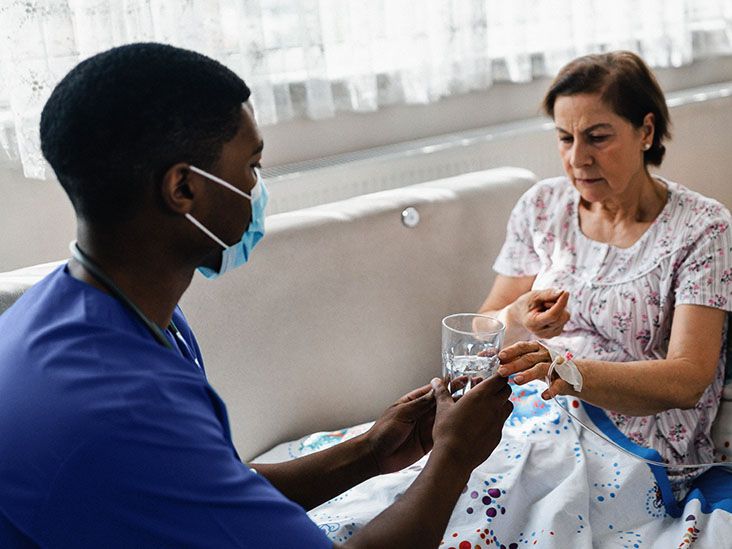

Chemotherapy remains one of the most important treatments for non-Hodgkin lymphoma, but there is no universal “lymphoma chemo.” Non-Hodgkin lymphoma, or NHL, is a large family of cancers that includes dozens of B-cell and T-cell subtypes. Some grow slowly enough to be monitored for years, while others require treatment to begin faster than anyone would prefer to learn the meaning of the word “infusion.”
The most effective plan depends on the exact lymphoma subtype, its stage, its molecular features, the symptoms it is causing, previous treatments, and the patient’s overall health. Chemotherapy may be used alone, but it is frequently combined with a monoclonal antibody, targeted drug, steroid, radiation therapy, or stem cell transplant. For many aggressive lymphomas, the goal is cure. For some indolent lymphomas, the goal is long-lasting disease control with the least treatment burden possible.
What does chemotherapy do in non-Hodgkin lymphoma?
Chemotherapy uses medicines that damage cancer cells, prevent them from dividing, or interfere with processes they need to survive. Because the drugs circulate through the bloodstream, they can reach lymphoma cells in lymph nodes, bone marrow, the spleen, and other parts of the body. This systemic reach is one reason chemotherapy is useful when lymphoma is present in more than one location.
Unfortunately, chemotherapy is not equipped with tiny reading glasses that allow it to distinguish every malignant cell from every healthy one. It may also affect rapidly dividing cells in the bone marrow, digestive tract, mouth, hair follicles, and reproductive system. That collateral damage is responsible for many familiar chemotherapy side effects.
How chemotherapy is delivered
Many NHL medicines are given intravenously through a peripheral IV, central line, or implanted port. Others are taken as tablets or capsules. Treatment is usually organized into cycles: medication is administered on one or more days, followed by a rest period that allows blood counts and healthy tissues to recover. A common cycle lasts 21 or 28 days, although the schedule can be shorter, longer, or continuous depending on the regimen.
Certain high-risk lymphomas may also require intrathecal chemotherapy, meaning medicine is placed into the fluid surrounding the brain and spinal cord. This may be used to treat central nervous system involvement or to reduce the risk of lymphoma spreading there. It is not routinely necessary for every patient with NHL.
When is chemotherapy recommended?
Chemotherapy is commonly recommended for aggressive lymphomas, widespread symptomatic disease, rapidly enlarging tumors, organ involvement, or lymphoma that is affecting blood counts. It may also be used when localized treatment, such as radiation therapy, is unlikely to control all known disease.
Immediate chemotherapy is not always the best answer. A person with an indolent lymphoma such as follicular lymphoma may enter active surveillance when the disease is not causing symptoms or threatening an organ. Treatment begins when there is a clinical reason to intervene. This approach does not mean the medical team is ignoring the lymphoma; it means treatment is being saved until its benefits outweigh its risks.
Factors that shape the treatment plan
Before selecting a regimen, the oncology team reviews the pathology report, immunophenotyping, molecular test results, disease stage, tumor burden, symptoms, age, kidney and liver function, heart health, previous treatment, and personal priorities. A second pathology review at a lymphoma center may be valuable for an uncommon subtype because a precise diagnosis is the foundation of an effective plan.
Common chemotherapy regimens for non-Hodgkin lymphoma
Combination treatment uses drugs with different mechanisms so that lymphoma cells are attacked from several directions. The alphabet-heavy regimen names may look as though an oncologist lost a wrestling match with a bowl of Scrabble tiles, but each letter represents a specific medicine.
R-CHOP
R-CHOP is a widely used treatment for diffuse large B-cell lymphoma and some other B-cell lymphomas. It combines rituximab, cyclophosphamide, doxorubicin, vincristine, and prednisone. Rituximab is a monoclonal antibody directed at the CD20 protein rather than traditional chemotherapy, and prednisone is a corticosteroid. Nevertheless, the entire combination is often casually described as chemotherapy or immunochemotherapy. A typical course may include six cycles, although the number, timing, and doses vary.
Other possible combinations
Some patients with newly diagnosed diffuse large B-cell lymphoma receive polatuzumab vedotin with rituximab, cyclophosphamide, doxorubicin, and prednisone, known as Pola-R-CHP. More intensive regimens, such as dose-adjusted EPOCH-R, may be selected for certain high-grade biological profiles. Treatments containing bendamustine, rituximab, obinutuzumab, cyclophosphamide, vincristine, methotrexate, cytarabine, etoposide, or platinum drugs may be used for other subtypes or for relapsed disease.
Burkitt lymphoma, lymphoblastic lymphoma, mantle cell lymphoma, peripheral T-cell lymphoma, and primary central nervous system lymphoma each have distinct treatment strategies. A regimen that is excellent for one subtype may be ineffective or unnecessarily toxic for another. Treatment names alone therefore tell only part of the story.
How effective is chemotherapy for non-Hodgkin lymphoma?
There is no honest single success rate for NHL chemotherapy. Effectiveness depends on what “success” meanstumor shrinkage, complete remission, progression-free survival, long-term disease control, or cureand on which lymphoma is being treated.
Aggressive lymphomas
In aggressive lymphomas such as diffuse large B-cell lymphoma, treatment is often given with curative intent. Modern first-line immunochemotherapy produces durable remission in roughly 60% of people with DLBCL overall, although outcomes vary substantially with age, disease stage, molecular subtype, tumor biology, and response to the first cycles. Approximately 30% to 40% of patients eventually have refractory or relapsed disease and may need CAR T-cell therapy, bispecific antibodies, antibody-drug conjugates, additional chemotherapy, or stem cell transplantation.
Indolent lymphomas
Slow-growing lymphomas such as follicular lymphoma often respond very well to initial treatment, but advanced indolent NHL may return after remission. In that setting, chemotherapy can reduce symptoms, shrink lymph nodes, improve blood counts, and produce long treatment-free intervals. The disease may be managed more like a recurring chronic condition, with therapy selected according to symptoms, previous responses, and the need to limit cumulative toxicity.
How doctors determine whether treatment is working
The care team may use physical examinations, blood tests, symptom changes, CT scans, and PET/CT imaging to evaluate response. Interim scans are sometimes performed during treatment, while an end-of-treatment scan helps determine whether active lymphoma remains. A residual mass does not automatically mean treatment failed; it can represent scar tissue, which is one reason imaging must be interpreted in clinical context.
Common short-term side effects
Side effects depend on the drugs, doses, schedule, treatment duration, age, and underlying health conditions. Two patients receiving the same regimen can have noticeably different experiences. Common effects include:
- Fatigue and reduced stamina
- Nausea, vomiting, or appetite changes
- Diarrhea or constipation
- Mouth sores and throat discomfort
- Temporary hair thinning or hair loss
- Changes in taste and smell
- Low white blood cell, red blood cell, or platelet counts
- Increased infection, bleeding, bruising, or anemia risk
- Numbness, tingling, or pain from peripheral neuropathy
- Skin, nail, sleep, mood, or concentration changes
Many short-term effects improve between cycles or after treatment ends. Side effects should still be reported promptly. Oncology teams can prescribe anti-nausea medicines, adjust constipation treatment, recommend mouth care, provide blood-cell growth factors, arrange transfusions, or modify doses when medically appropriate. Quietly suffering earns no bonus points and may make a manageable problem harder to control.
Drug-specific effects
Doxorubicin can affect heart function, especially at higher cumulative doses. Vincristine commonly causes neuropathy and constipation. Cyclophosphamide may irritate the bladder and can affect fertility. Prednisone may cause increased appetite, insomnia, mood changes, elevated blood sugar, and fluid retention. Rituximab may cause an infusion reaction, particularly during the first administration, and can reactivate hepatitis B in susceptible patients. The oncology team may order heart testing, viral screening, laboratory monitoring, and preventive medications based on the planned regimen.
Serious and longer-term risks
Infection and neutropenic fever
Chemotherapy may lower neutrophils, the white blood cells that provide an important defense against infection. During neutropenia, fever may be the only obvious sign of a dangerous infection. Patients should follow the temperature threshold provided by their treatment center. A temperature of 100.4°F, or 38°C, is commonly treated as an urgent reason to contact the oncology team, and the CDC describes fever during chemotherapy as a medical emergency. Patients should call before taking medicine intended to hide the fever unless their team has instructed otherwise.
Tumor lysis syndrome
When a large number of lymphoma cells break down rapidly, they can release substances into the blood faster than the kidneys can remove them. This is called tumor lysis syndrome. It can disturb potassium, phosphate, calcium, and uric acid levels and may damage the kidneys or affect the heart. People with bulky or highly aggressive lymphoma may receive extra fluids, frequent blood tests, and medicines such as allopurinol or rasburicase to lower the risk.
Late effects
Some complications appear months or years after chemotherapy. Depending on the drugs and cumulative exposure, these may include persistent neuropathy, infertility, heart damage, kidney or lung problems, cognitive changes, or a small increased risk of a second cancer. Many survivors do not develop major late effects, but long-term follow-up helps identify problems early. Fertility preservation should ideally be discussed before treatment begins because options can become more limited after chemotherapy starts.
Managing chemotherapy side effects
Supportive care is part of cancer treatment, not an optional side quest. Practical steps may include taking anti-nausea medication on schedule, drinking enough fluid, eating small protein-rich meals, using a soft toothbrush, rinsing the mouth with a solution recommended by the care team, and balancing light activity with planned rest.
Patients should ask before taking vitamins, herbs, probiotics, over-the-counter medicines, or “immune boosting” products. Natural does not automatically mean compatible with chemotherapy. Some products affect bleeding, liver enzymes, drug metabolism, or infection risk.
Keeping a daily record of temperature, bowel movements, food intake, pain, nausea, sleep, and neuropathy can reveal patterns across cycles. For example, if nausea predictably peaks on the third day, the team may adjust preventive medication before the next cycle rather than waiting for the stomach to file another formal complaint.
When to seek urgent medical help
Contact the oncology team immediately for a fever at or above the instructed threshold, shaking chills, new breathing difficulty, chest pain, confusion, uncontrolled vomiting or diarrhea, inability to drink, severe mouth sores, unusual bleeding, black or bloody stool, very little urine, sudden swelling, a severe rash, or rapidly worsening weakness. Emergency instructions from the treating center should always take priority over general online guidance.
What chemotherapy can feel like: A realistic treatment experience
The following is a composite overview based on commonly reported treatment patterns and published patient experiences. It is not the story of one person and should not be treated as a prediction. Some people remain active throughout chemotherapy, while others need substantial help with transportation, meals, work, and daily tasks.
The first treatment day can feel surprisingly ordinary and completely surreal at the same time. There may be blood tests, weight checks, premedications, several infusion bags, repeated vital signs, and long stretches of waiting. A patient might bring a book and then discover that concentration has packed a suitcase and left town. Infusion nurses explain each drug, watch for allergic reactions, and answer questions that often appear only after the doctor has walked out of the room.
The days after treatment are not always a straight downhill slide. Steroids can temporarily create extra energy, hunger, restlessness, or insomnia. A person may reorganize a kitchen cabinet at 2 a.m. and then feel exhausted two days later. When the steroid course ends and blood counts begin to fall, fatigue can become heavier. Ordinary activities such as showering, preparing food, or walking to the mailbox may require more planning than they did before treatment.
Symptoms often develop in a recognizable rhythm. Nausea may be mild because modern anti-nausea medicines work well, or it may break through despite prevention. Food can taste metallic, overly sweet, strangely bland, or simply wrong. Mouth tenderness may make acidic or crunchy foods difficult. Published patient accounts describe mucositis appearing at predictable points in a cycle and lasting several days, illustrating why early mouth care and rapid communication with the treatment team matter.
Hair loss, when it occurs, can carry more emotional weight than outsiders expect. It makes a private diagnosis visible. Some people shave their hair before it falls out; others wait. Neither approach is braver. Eyebrows and eyelashes may thin later, just when a person thought the hair situation had finished submitting paperwork.
Neuropathy can begin as mild tingling in the fingertips or toes. Patients sometimes hesitate to mention it because it appears less urgent than nausea or infection. Reporting it early is important because progressive nerve injury may affect balance, handwriting, buttoning clothes, or walking. Dose changes can sometimes reduce the risk of permanent symptoms. Patient stories from major cancer centers describe neuropathy, hearing changes, cognitive fog, and fatigue continuing after active treatment, although these effects are not experienced by everyone.
Emotional experiences also fluctuate. Scan anxiety may rise before every imaging appointment. Friends may assume the final infusion marks an immediate return to normal, while the patient’s body is still recovering and follow-up uncertainty has just begun. Relief, fear, gratitude, anger, and boredom can coexist without politely taking turns.
Practical support can make treatment more manageable. A caregiver may track medications, drive to appointments, prepare simple meals, handle insurance calls, or help monitor fever. Patients often appreciate specific offers“I can take you to Tuesday’s appointment”more than broad promises to help someday.
Recovery after the last cycle is usually gradual. Blood counts, appetite, stamina, sleep, and hair growth recover on different schedules. Follow-up visits monitor remission, treatment complications, and general health. Some patients feel ready to celebrate immediately; others need time before the experience feels safely in the past. Both responses are normal, and survivorship support, counseling, rehabilitation, and peer groups may help people adjust to life after treatment.
Questions to ask before starting treatment
- What exact subtype of non-Hodgkin lymphoma do I have?
- Is the goal cure, remission, symptom control, or delayed progression?
- Why is this regimen preferred over the alternatives?
- How many cycles are planned, and when will response be assessed?
- Which side effects require an immediate phone call?
- Could treatment affect my heart, nerves, fertility, or future cancer risk?
- Will I need infection prevention medicine or a white blood cell growth factor?
- Are clinical trials or chemotherapy-free options appropriate?
Conclusion
Chemotherapy can be highly effective against non-Hodgkin lymphoma, particularly when the regimen is matched to an accurate subtype diagnosis. It can cure many aggressive lymphomas and produce meaningful, sometimes lengthy remissions in indolent disease. Its benefits must be balanced against short-term side effects, infection risk, organ-specific toxicity, fertility concerns, and possible late effects.
New targeted treatments, immunotherapies, bispecific antibodies, antibody-drug conjugates, and CAR T-cell therapies are changing the treatment landscape, but chemotherapy remains a central component of care for many patients. The best plan is not necessarily the newest, strongest, or most complicated one. It is the plan most likely to control the individual lymphoma while keeping risks within an acceptable range.


