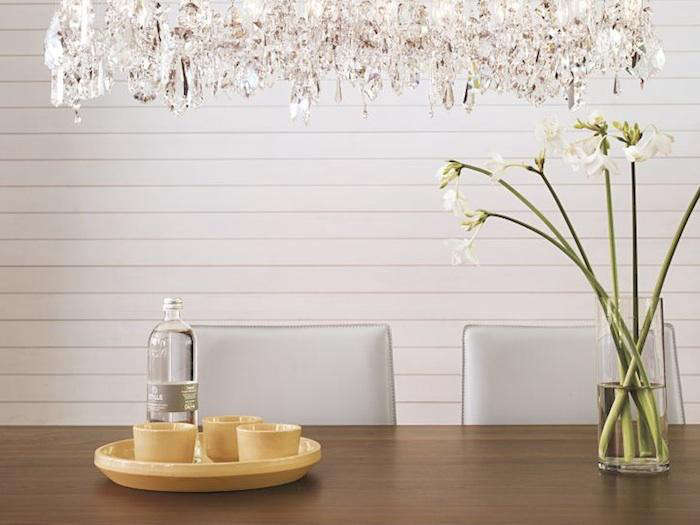

Some deals whisper. This one practically clinked its wine cup and announced itself across the room.
Deal of the Day: Atelier NL Tableware at DWR is the kind of design story that makes modern-home fans sit up a little straighter. Not because it was just another discount, but because it involved a collection with an unusually poetic backstory: tableware shaped from clay gathered from different locations throughout the Netherlands, then sold through Design Within Reach, the retailer famous for turning authentic modern design into something more approachable. That combination is catnip for anyone who likes their dinner plates with a side of meaning.
The original spotlight centered on Atelier NL’s Clay Service line for Royal Tichelaar Makkum, and the markdowns were eye-catching enough to cause a minor wallet tremor. A bowl that had been priced at $45 was marked down to $11.25. A plate dropped from $135 to $33.75. A wine cup fell from $35 to $8.75. In design-retail terms, that is not a sale. That is a dramatic plot twist.
But what made the moment memorable was not just the price. It was the product. Atelier NL’s work has long stood out for its obsession with place, raw materials, and the idea that everyday objects can carry a geographic identity. In a world full of generic dinnerware sets that look like they were designed by an algorithm with a beige addiction, this collection had personality, provenance, and a very good reason for existing.
What Made This DWR Deal Worth a Second Look?
A lot of “deal of the day” content is basically retail speed-dating: quick glance, mild interest, immediate forgetfulness. This one had more staying power because the markdown was attached to a design concept that felt unusually rich.
Atelier NL’s Clay Service was not created to be just another nice-looking tabletop collection. The designers, Nadine Sterk and Lonny van Ryswyck, worked with clay taken from different Dutch locations and transformed those materials into functional ceramics. The resulting colors were not decorative afterthoughts; they reflected the composition of the soil itself. That means the pale yellows, earthy rusts, and muted natural tones were not just stylish. They were evidence. Each piece told a story about where it came from.
That idea gives the phrase designer tableware a little more muscle. Instead of treating dinnerware as a blank supporting actor, Atelier NL turned it into part of the meal’s larger narrative. Their approach connected food, land, craft, and use in a way that felt both intellectual and wonderfully practical. Yes, the plate holds dinner. But it also quietly asks where dinner came from. Not bad for a piece of ceramic.
Who Is Atelier NL, Exactly?
Atelier NL is a Dutch design studio known for working with local raw materials, especially clay and sand, to create ceramics and glass that speak to specific places. Their broader philosophy is rooted in the idea that materials are not anonymous. They come from somewhere, and that “somewhere” matters.
That philosophy helps explain why the collection resonated so strongly with design lovers. Plenty of brands sell handmade ceramics. Fewer make the origin of the material itself central to the design language. Atelier NL’s work sits at the intersection of research, craft, and storytelling. It is design with dirt under its fingernails, in the best possible way.
Academic writing on Atelier NL has described the studio as an example of place-based material craft, emphasizing how mapping and local sourcing can reconnect objects to their ecosystems. In other words, this is not just pretty pottery. It is a serious design practice that happens to look fantastic on a dining table.
Clay as Geography, Not Just Material
One of the smartest ideas behind Clay Service is that the collection treats clay as more than a raw ingredient. It treats clay as geography. The pieces were shaped and baked to reveal the agricultural and mineral differences between locations, and each item was stamped with a geo-code corresponding to the plot where the soil was unearthed.
That is the kind of detail that makes design people weak in the knees. It is also the kind of detail that helps justify why a piece might have started at a premium price before landing in markdown territory. You were not buying a random bowl. You were buying a bowl with a map hiding in plain sight.
Why the Collection Felt Bigger Than Dinnerware
Good tableware does two jobs. First, it needs to function: hold food, survive real use, and not behave like a temperamental museum object. Second, it should make the table feel considered. Atelier NL’s collection checked both boxes.
The Clay Service line was made in the Netherlands, launched by Royal Tichelaar Makkum in 2009, and described as dishwasher safe. That matters. A lot of design-forward ceramics look gorgeous right up until you imagine actually using them on a Tuesday night with pasta, roasted vegetables, and a sink full of life choices. This line managed to preserve an artful, one-of-a-kind appearance while still being usable in the real world.
And real-world use is exactly where handmade tableware shines. U.S. food and home publications have repeatedly pointed to the appeal of ceramics that feel unique, distinctive, and a little imperfect. Some praise how cohesive dinnerware can instantly elevate a table. Others celebrate mismatched pottery that still looks collected rather than chaotic. The common thread is clear: people want tabletop pieces with character. Atelier NL delivered that in spades.
No two pieces were exactly alike, and that inconsistency was not treated as a flaw. It was the feature. In a market crowded with machine-perfect dinnerware, the collection offered something warmer and more human. The slight variations in finish, tone, and shape made the set feel alive, as if each piece had its own tiny biography.
Why DWR Was the Right Retailer for the Job
There is also a retail story here, and it matters. Design Within Reach built its identity around making authentic modern design more accessible to retail customers. The company still frames itself around authenticity, emphasizing that it sells the real thing rather than lookalikes or “inspired by” versions. That positioning makes DWR a particularly strong match for a collection like Clay Service, where material origin and design integrity are part of the appeal.
DWR also remains deeply associated with curated modern living, not just furniture. Its shopping categories continue to include dinnerware, tabletop accents, barware, and related dining accessories. And, yes, it still runs sale and clearance sections that encourage deal hunters to browse with hopeful optimism and slightly dangerous confidence. So while the original Atelier NL markdown belongs to an earlier retail moment, the larger pattern still fits DWR perfectly: strong design, authentic sourcing, and the occasional sale that makes you open a second browser tab “just to think about it.”
The retailer’s connection to Herman Miller, which acquired DWR in 2015, only reinforces the point. DWR is not trying to be the cheapest place on the internet to buy plates. It is trying to be a destination for authentic design objects with real pedigree. In that environment, an Atelier NL collection makes total sense.
How to Style Atelier NL Tableware Without Trying Too Hard
The beauty of this collection is that it does not need a dramatic supporting cast. In fact, overstyling it would be like putting a tuxedo on a sourdough loaf. Possible, technically, but unhelpful.
1. Let the Clay Colors Do the Heavy Lifting
Because the tones come from the clay composition, the palette already feels grounded and layered. Pair the pieces with washed linen napkins, simple flatware, and natural wood serving boards. That gives the ceramics room to breathe.
2. Mix Shapes, Keep the Mood Calm
One reason handmade ceramics work so well is that they can be slightly mismatched without looking messy. If your table has consistent tones or materials, a little variation in form makes the setting feel collected and relaxed rather than showroom-stiff.
3. Use Seasonal Food as Part of the Design
Atelier NL’s whole concept is closely tied to land and produce, so the styling almost suggests itself. Roasted carrots, crusty bread, olives, stone fruit, leafy salads, or simple pasta dishes all look especially at home on earthy ceramics. This is not flashy dinnerware begging for molecular gastronomy foam. It wants food that still looks like food.
4. Think Everyday Luxury, Not Special-Occasion Panic
The smartest way to use ceramics like these is often the least theatrical. Set the table on an ordinary weeknight. Pour the wine. Put the vegetables in the bowl with the geo-code. Feel mysteriously more competent than usual.
Was It Actually a Good Buy?
At full price, Clay Service was the kind of purchase design enthusiasts rationalize with phrases like “investment in daily rituals” and “future heirloom energy.” At markdown prices, it became much easier to justify. The sale narrowed the distance between collectible design and everyday ownership, which is exactly the kind of tension DWR has long traded on.
And that is why the original Deal of the Day: Atelier NL Tableware at DWR still feels relevant. It shows what happens when thoughtful design, strong retail curation, and a genuinely sharp discount line up at the same moment. You do not get that every day. Sometimes you barely get it every fiscal quarter.
For shoppers, the bigger lesson is simple: if you are going to splurge on tableware, do it on pieces that bring more than surface beauty. Look for materials with a story, craftsmanship you can feel, and forms you will still like once the trend cycle has scampered off to obsess over something scalloped, fluted, or cabbage-shaped.
What This Deal Still Teaches Design Shoppers Today
Even if the original pieces are discontinued, the deal remains a smart case study in how to shop modern tableware. First, know the backstory. When a product has a strong design narrative, you are more likely to understand whether the price reflects real craft or just marketing perfume. Second, watch the retailer, not just the object. Stores like DWR routinely turn premium design into a better value when categories go on sale. Third, think long-term. Great tableware does not only serve dinner. It shapes the experience of hosting, gathering, and even ordinary Tuesday leftovers.
That may sound a little lofty for a bowl. But anyone who has ever eaten soup from a truly beautiful bowl knows I am not exaggerating. Or, at the very least, not by much.
The Experience of Bringing Atelier NL-Style Tableware Home
What does a collection like this actually feel like in daily life? Not in a catalog. Not under perfect studio lighting. In a real home, with fingerprints on the water glasses, a skillet cooling on the stove, and somebody asking whether there is more bread.
The first thing people notice is usually the texture. Handmade ceramics do not have the sterile slickness of mass-market dinnerware. They feel grounded. Slightly weighty. Quietly reassuring. You pick up a cup or plate and immediately understand that a person, not just a production line, had something to do with its final form. That physical experience is part of the charm. It slows you down for half a second, which is not nothing in a world where people regularly eat lunch while answering emails and pretending that is fine.
Then there is the color. Atelier NL’s approach to clay makes color feel less like decoration and more like evidence. The soft earth tones do something calming to a table. They do not shout over the food. They frame it. A tomato salad looks redder. Butter looks more golden. Roast chicken suddenly appears to have a publicist. Even a humble bowl of apples looks like it belongs in a very expensive kitchen you absolutely swear you are not jealous of.
Another experience people tend to love is the way handmade tableware changes the mood of gathering. Guests notice it. Maybe not in a formal, “Ah yes, the geological narrative of this serviceware is compelling” kind of way. More in a “Wow, these are beautiful” kind of way. The pieces become conversation starters without trying too hard. They signal care, but not fussiness. That balance is rare.
There is also a quiet pleasure in using something that resists sameness. In many homes, tableware is chosen to disappear into the background. Collections like this do the opposite. They add a little rhythm to the everyday. A slightly different glaze here. A warmer tone there. A bowl that is just imperfect enough to feel memorable. You begin to recognize favorite pieces the way people recognize favorite mugs. Not because they are flawless, but because they are distinct.
And perhaps that is the real experience attached to a deal like this: the feeling that you found something unusually thoughtful at a surprisingly good price. That combination creates a particular kind of satisfaction. You are not just pleased that you saved money. You are pleased that what you brought home has ideas built into it. It can live with takeout noodles, holiday dinners, coffee and toast, or a lonely midnight snack eaten over the sink while making vague promises about becoming a more organized person.
In that sense, Atelier NL tableware at DWR represents more than a markdown. It represents the happy collision of design intelligence and domestic usefulness. It proves that a plate can be beautiful, practical, and full of story all at once. And if you can snag that kind of object on sale, well, that is not just good shopping. That is table-setting destiny.
Conclusion
Deal of the Day: Atelier NL Tableware at DWR works as a headline because it promises a bargain, but it stays interesting because it delivers something better: a glimpse into what great design shopping looks like when form, material, and meaning all line up. Atelier NL’s Clay Service was more than a pretty tabletop collection. It turned local clay into a design language, gave everyday dining objects a sense of place, and reminded shoppers that the best home pieces are often the ones with a story baked right in.
DWR was the ideal stage for that kind of collection, thanks to its long-standing focus on authentic modern design and curated access to high-quality pieces. Add a sharp markdown, and suddenly what might have felt like an aspirational purchase became a thrillingly practical one. That is why this deal still stands out. It was not just about saving money. It was about catching real design value at exactly the right moment.
And honestly, that may be the dream: a plate that looks smart, works hard, and makes your dinner feel just a little more special. A bargain with taste. A bowl with a backstory. A sale worth talking about long after the checkout page is gone.


