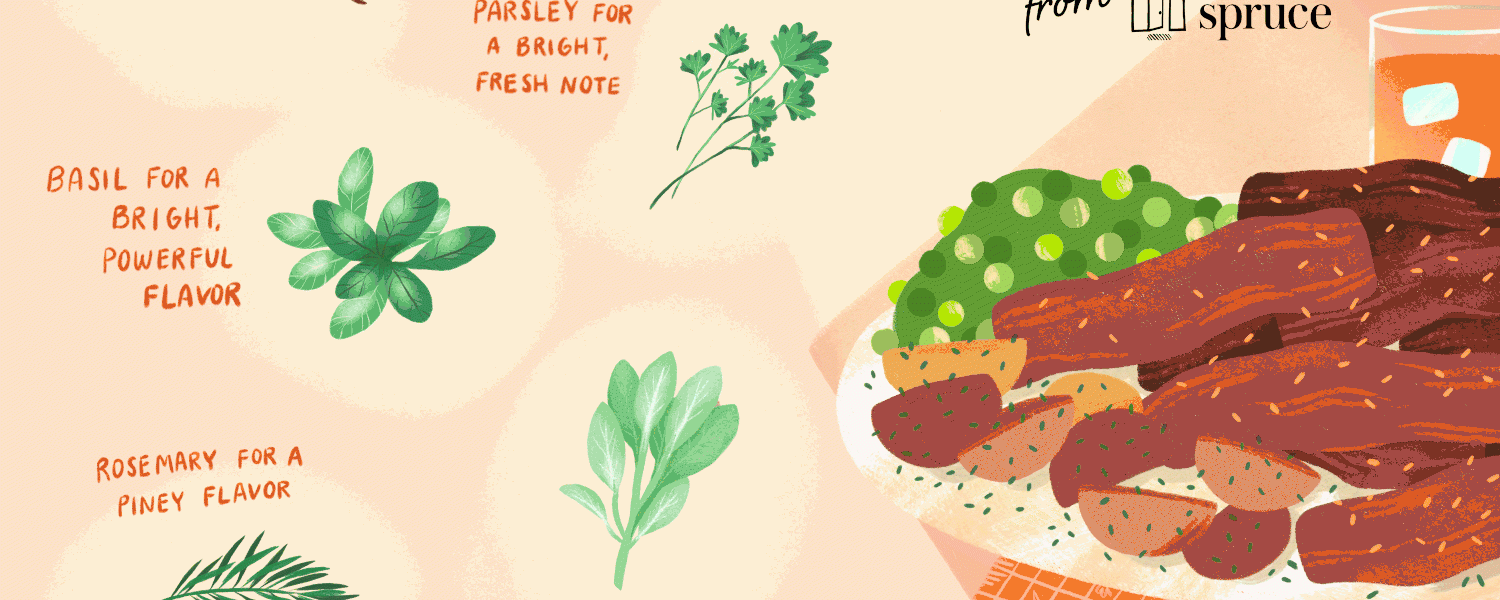

Beef has a big personality. It is rich, savory, a little dramatic, and absolutely not the kind of ingredient that wants to be buried under random seasoning chaos. That is where herbs come in. The right herbs do not fight beef for attention. They flatter it. They sharpen its edges, add freshness, build aroma, and make everything from burgers to rib roast taste like you actually had a plan instead of just waving a spice jar over a skillet like a wizard in a hurry.
If you have ever stood in your kitchen holding a bundle of rosemary in one hand and a steak in the other, wondering whether this is genius or culinary overconfidence, good news: you are asking the right question. Some herbs naturally pair better with beef because they can stand up to its bold flavor. Others work best as a finishing touch that brightens the dish at the last minute. Knowing which is which is the difference between “restaurant-worthy” and “why does my roast taste like a flower shop?”
In this guide, we will break down the five best herbs to flavor your beef dishes, explain how each one tastes, when to use it, and which cuts or cooking methods bring out its best side. Along the way, you will get practical cooking ideas, herb-pairing tips, and a few lessons that can save you from the common mistake of throwing every green thing in the fridge at your dinner and hoping for the best.
Why Herbs Matter So Much in Beef Recipes
Beef is naturally flavorful, but that does not mean it should be left alone all the time. Herbs help beef in three big ways. First, they add aroma. When rosemary hits hot fat or thyme meets melted butter, your kitchen suddenly smells like someone competent lives there. Second, herbs create contrast. Rich meat benefits from freshness, bitterness, sweetness, or anise-like notes that keep each bite from feeling too heavy. Third, herbs help shape the personality of the dish. A roast with rosemary feels rustic. A steak with tarragon sauce feels French and a little fancy. A flank steak with oregano leans bright, zippy, and Mediterranean or Latin-inspired.
There is also a practical side to herb use. Woody herbs like rosemary and thyme hold up well during roasting, braising, and butter basting. Tender herbs like parsley and tarragon shine in sauces, compound butters, and finishing touches. In other words, not all herbs behave the same way, and that matters if you want your beef dish to taste intentional instead of confused.
1. Rosemary: The Bold Classic for Roasts and Steaks
If beef had a best friend in the herb world, rosemary would be making a strong campaign speech. Its piney, woodsy, deeply savory flavor works beautifully with rich cuts of beef, especially rib roast, tenderloin, sirloin, and ribeye. Rosemary is assertive, which is exactly why it works so well with beef. This is not a shy herb. It walks into the room and announces itself, but beef is strong enough to answer back.
What Rosemary Tastes Like With Beef
Rosemary adds warmth and a slightly resinous aroma that makes roasted or seared beef taste heartier. It is especially good when paired with garlic, black pepper, olive oil, and butter. Those combinations show up again and again in steakhouse-style recipes because they simply work. Rosemary loves high-heat cooking and long roasting, so it is a natural fit for oven-roasted beef and pan-basted steak.
Best Beef Dishes for Rosemary
- Prime rib and standing rib roast
- Roasted beef tenderloin
- Pan-seared ribeye
- Garlic-herb compound butter for steak
- Balsamic marinated flank steak
How to Use Rosemary Well
Fresh rosemary is stronger than many cooks expect, so a little goes a long way. For a roast, chop it finely and mix it with garlic, salt, pepper, and oil. For steak, throw a sprig into the pan while basting with butter. The fat picks up the herb’s aroma and carries it over the surface of the meat. That is how you get a steak that tastes expensive without requiring a white tablecloth.
One warning: dried rosemary can be tough and needle-like, so crush it well or use it in marinades where it has time to soften. Nobody wants their tender steak interrupted by something that feels like a tiny Christmas tree branch.
2. Thyme: The Quiet Overachiever
Thyme may not get the glory that rosemary gets, but it is one of the most useful herbs for beef dishes. Its flavor is earthy, slightly minty, subtly lemony, and much more flexible than people realize. If rosemary is the bold friend who orders for the table, thyme is the one who quietly makes everything better and never needs credit.
Why Thyme Works So Well With Beef
Thyme adds depth without overwhelming the meat. That makes it perfect for dishes where you want the beef to stay front and center. It is wonderful in pan sauces, braises, herb butters, stews, burgers, and roast beef. Because thyme is more delicate than rosemary, it blends easily with shallots, garlic, mushrooms, wine, and butter.
Best Beef Dishes for Thyme
- Butter-basted steak
- Classic beef stew
- Beef bourguignon
- Roast beef with pan gravy
- Steak bites with herb butter
How to Use Thyme Well
Use whole sprigs in braises and stews, then remove them before serving. For fast-cooking dishes, strip the leaves from the stems and add them to butter, marinades, or finishing sauces. Thyme is especially useful when cooking with mushrooms or red wine because it bridges those earthy flavors beautifully.
If you are trying to build a reliable “I make good steak at home” routine, thyme is the herb to keep around. Drop it into hot butter with garlic during the last minute or two of cooking, spoon the butter over the steak, and suddenly dinner has main-character energy.
3. Parsley: The Fresh Finisher That Saves Heavy Dishes
Parsley is often treated like decoration, which is wildly unfair. Sure, it is green and pretty, but parsley does real work in beef dishes. Its fresh, grassy, slightly peppery flavor cuts through richness and makes beef taste brighter and cleaner. It is less about building deep background flavor and more about adding lift at the end.
Why Parsley Belongs on This List
Beef can get heavy fast, especially in richer cuts and buttery sauces. Parsley helps reset the palate. That is why it appears in steak sauces, compound butters, chimichurri-style toppings, meatballs, meatloaf, and braised dishes. It brings freshness without stealing the spotlight.
Best Beef Dishes for Parsley
- Steak with herb butter
- Chimichurri over grilled skirt steak
- Beef tenderloin with herb crust
- Meatballs and meatloaf
- Braised beef finished with fresh herbs
How to Use Parsley Well
Parsley works best fresh. Chop it and stir it into sauces, butter, vinaigrettes, or finishing oils. You can mix it with garlic and lemon zest for a simple gremolata-style topping, or pair it with thyme and rosemary in a compound butter for steak. Flat-leaf parsley usually has better flavor than curly parsley, so choose it whenever possible.
This is the herb that makes a rich beef dish feel balanced instead of exhausting. Think of parsley as the culinary equivalent of opening a window after roasting a giant rib roast. Everything just feels better.
4. Oregano: The Bright, Punchy Choice for Marinades and Grilled Beef
Oregano brings a different mood to beef. It is peppery, aromatic, a little bitter, and fantastic when you want bold, lively flavor rather than deep, cozy richness. Oregano is especially good in marinades, grilled beef dishes, flank steak, skirt steak, and dishes with citrus, garlic, or vinegar.
What Oregano Does for Beef
Because oregano has a more assertive, sharper taste than parsley or thyme, it works beautifully when beef needs brightness. That is why it shows up in Mediterranean-style steak recipes, Cuban-inspired flank steak, herb rubs, and grilled dishes where char and acidity play a role. Oregano helps beef taste vivid, not sleepy.
Best Beef Dishes for Oregano
- Flank steak marinades
- Skirt steak with citrus and garlic
- Grilled beef kebabs
- Beef rubbed with olive oil and dried herbs
- Steak salads with vinaigrette
How to Use Oregano Well
Oregano works in both fresh and dried form, which makes it very practical. Dried oregano is strong and concentrated, making it ideal for rubs and marinades. Fresh oregano is more vibrant and slightly greener in flavor, which can be great in finishing sauces. Pair it with lemon, red wine vinegar, garlic, black pepper, and olive oil for a beef marinade that tastes sunny and confident.
If rosemary feels too woodsy and thyme feels too subtle, oregano can be the perfect middle path. It adds personality fast, which is helpful on busy nights when your meal needs flavor but your patience has already clocked out.
5. Tarragon: The Underrated Secret Weapon
Tarragon is not always the first herb people grab for beef, and that is exactly why it deserves more respect. Its flavor is lightly sweet, slightly peppery, and faintly anise-like. Used well, it gives beef an elegant, restaurant-style finish that feels more refined than rustic.
Why Tarragon Works With Beef
Tarragon shines in sauces more than dry rubs. It is famous in béarnaise, and there is a reason that sauce and steak have stayed together for so long. Tarragon adds brightness and complexity that play beautifully against buttery richness. It also works in creamy dressings, pan sauces, and herb blends for tenderloin or steak tartare-style preparations.
Best Beef Dishes for Tarragon
- Steak with béarnaise sauce
- Tenderloin with herb sauce
- Steak Oscar-inspired dishes
- Beef tartare or chilled beef preparations
- Creamy mustard-tarragon sauce for sliced beef
How to Use Tarragon Well
Use tarragon in moderation. It is lovely, but too much can make the dish taste more licorice-forward than intended. Chop it finely and stir it into butter sauces, cream sauces, mustard sauces, or vinaigrettes. It is especially good with shallots, white wine vinegar, Dijon mustard, and butter.
If rosemary is the backyard grill hero, tarragon is the dinner-party upgrade. It says, “I know what I’m doing,” even if you absolutely googled béarnaise twenty minutes ago.
How to Choose the Right Herb for the Right Beef Dish
Here is the simple version. Use rosemary for roasts and bold steakhouse flavor. Use thyme for butter basting, stews, and everyday versatility. Use parsley to brighten rich dishes at the end. Use oregano for grilled or marinated beef with a zippy edge. Use tarragon when you want a refined sauce or an elegant finish.
You also need to think about cooking time. Woody herbs like rosemary and thyme are better for long cooking or hot fat. Tender herbs like parsley and tarragon are better near the end. Oregano can do both, depending on whether it is fresh or dried. When in doubt, cook the hardy herbs and finish with the delicate ones. Your beef will thank you by not tasting muddy.
Common Herb Mistakes to Avoid
- Using too much rosemary: It can overpower the meat quickly.
- Adding parsley too early: It loses freshness and becomes dull.
- Ignoring herb texture: Tough stems in a finished dish are not a charming surprise.
- Skipping salt and fat: Herbs need a little help from butter, oil, or beef juices to bloom.
- Overcooking the beef: Great herbs cannot rescue dry meat. Use a thermometer when needed.
For a practical safety note, whole cuts like steaks and roasts are commonly cooked to 145°F with a short rest, while ground beef should reach 160°F. That is not the glamorous part of cooking, but it is the part that keeps dinner both delicious and sensible.
Real Kitchen Experiences: What These Herbs Actually Feel Like in Practice
On paper, herb pairings sound neat and tidy. In real kitchens, they reveal their personality fast. Rosemary is the herb that makes a kitchen smell incredible almost immediately. The minute it lands in hot butter next to a steak, the whole room starts giving steakhouse energy. It is dramatic, reliable, and especially satisfying when you are cooking a thick ribeye or a holiday roast and want that “something special is happening here” feeling.
Thyme, on the other hand, tends to win people over slowly. It does not shout. Instead, it quietly makes pan sauces deeper, stews warmer, and everyday beef dishes more polished. A lot of home cooks discover thyme by accident in a stew or butter baste and then start reaching for it constantly because it just works. It is one of those herbs that builds confidence. If you are learning how to cook beef well, thyme is the herb that helps you look more skilled than you feel.
Parsley usually earns respect later. At first, people think of it as garnish. Then they try chopped parsley in a compound butter over sliced steak, or in a chimichurri spooned over grilled skirt steak, and suddenly they understand the assignment. Rich beef needs contrast. Parsley brings that fresh pop that keeps you coming back for another bite instead of feeling full after three forkfuls.
Oregano often shows its best side in marinades. It is the herb that makes flank steak taste lively and grilled beef taste like it belongs at an outdoor table with charred vegetables and something cold to drink. It feels energetic. The flavor comes through especially well with garlic, lemon, or vinegar, and that combination can make less expensive cuts taste exciting and intentional.
Tarragon is the herb people remember after a restaurant meal and then try to figure out later. It is subtle, but when it appears in a béarnaise or mustard cream sauce with beef, it leaves an impression. It tastes elegant without being fussy. The first time you pair it with steak, it can feel like you unlocked a secret menu item in your own kitchen.
The bigger lesson from real cooking experience is this: herbs are not there to hide beef. They are there to shape it. The best results usually come from restraint, not herb overload. One main herb, one or two supporting flavors, enough salt, and proper cooking go further than throwing half the produce drawer into a pan. Beef likes confidence. Herbs help deliver it.
Conclusion
The best herbs to flavor your beef dishes are not random, and they are not interchangeable in every situation. Rosemary gives you bold, woodsy depth. Thyme adds balance and quiet complexity. Parsley lifts rich dishes with freshness. Oregano brings bright punch to marinades and grilled beef. Tarragon delivers elegance in sauces and finishing touches. Once you know what each herb does, choosing the right one becomes much easier.
The good news is that you do not need a professional kitchen or a dramatic chef voice to use them well. Start simple. Pair rosemary with roast beef, thyme with butter-basted steak, parsley with chimichurri, oregano with flank steak marinade, and tarragon with a quick pan sauce. Your beef dishes will taste more layered, more balanced, and more memorable. Also, your kitchen will smell amazing, which is not exactly a tragedy.
SEO Tags


