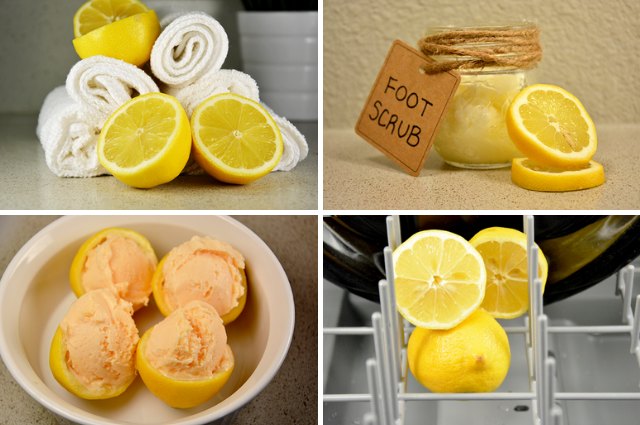

There are two kinds of lemons in life: the ones that make lemonade and the ones that rescue your home from mystery smells, sticky gunk, hard-water spots, dull faucets, sad cutting boards, and the suspicious crust hiding inside the microwave. In other words, lemons are not just citrus fruit. They are tiny yellow multitaskers wearing invisible capes.
If you have ever bought a bag of lemons for one recipe and watched the rest slowly wrinkle in the fruit bowl like tiny retirees, this guide is for you. With their bright scent, natural acidity, and gentle cleaning power, lemons can help freshen, polish, deodorize, and loosen everyday grime around the house. They are affordable, easy to find, and far less dramatic than hauling out six specialty cleaners for one Saturday wipe-down.
Before we begin, one important housekeeping truth: lemon juice is useful for cleaning, deodorizing, and tackling mineral buildup, but it is not a replacement for an EPA-registered disinfectant when you need to kill serious germs. Also, never mix lemon juice with bleach. Lemon is acidic, and bleach does not enjoy surprise acid parties. Toxic fumes are not the vibe.
Why Lemons Work So Well Around the Home
Lemons contain citric acid, which helps break down mineral deposits, soap scum, light rust, and some greasy residue. Their fresh scent can also help neutralize stale odors in kitchens, refrigerators, trash areas, and drains. Lemon juice has mild natural bleaching qualities, which can brighten some stains, but that same quality means you should test it first on fabric, stone, wood, or colored surfaces.
The golden rule is simple: use lemons for light cleaning, polishing, deodorizing, and maintenance. For raw meat messes, illness-related cleaning, mold problems, or high-risk surfaces, clean first with soap and water, then use an appropriate sanitizer or disinfectant according to the label.
10 Brilliant Ways to Use Lemons Around the Home
1. Freshen a Smelly Garbage Disposal
A garbage disposal is basically a tiny underground cave where onion scraps go to hold grudges. Lemon peels can help freshen it naturally. After removing any visible debris, drop a few lemon peels into the disposal, run cold water, and turn it on for a few seconds. The peels help release citrus oils while the grinding action helps reduce lingering food odors.
For extra freshness, add a small handful of ice cubes with the lemon peels. The ice can help knock loose soft buildup from the grinding chamber while the lemon leaves behind a cleaner scent. This is not a deep plumbing repair, of course. If the sink smells like a swamp with a legal department, you may need to inspect the trap or call a professional.
2. Steam-Clean the Microwave
The microwave is where soup becomes wall art. Fortunately, lemons can help loosen splatters without aggressive scrubbing. Slice one lemon into a microwave-safe bowl, add about one cup of water, and heat it until the water steams heavily. Let the bowl sit inside for a few minutes with the door closed.
The steam softens stuck-on food, and the lemon helps reduce odors from reheated leftovers. Carefully remove the hot bowl, then wipe the interior with a damp cloth. If there is a stubborn spot, dip the cloth in the warm lemon water and gently rub again. Suddenly, your microwave looks less like a crime scene for marinara sauce.
3. Remove Hard-Water Spots From Faucets
Hard-water spots happen when minerals in water dry on surfaces, leaving cloudy marks on faucets, shower fixtures, and sink hardware. Lemon juice is acidic, so it can help loosen those mineral deposits. Cut a lemon in half and rub the cut side over chrome or stainless-steel fixtures. Let the juice sit briefly, then rinse and dry with a soft cloth.
Do not let lemon juice sit too long on plated finishes, brass coatings, natural stone, or delicate metals. When in doubt, test a hidden area first. The goal is sparkle, not a dramatic “before and after” where the “after” includes damage.
4. Deodorize the Refrigerator
Refrigerators are magical boxes that preserve food and occasionally preserve the smell of last Tuesday’s takeout with museum-level dedication. To freshen yours, place a small bowl with lemon slices or lemon peels on a shelf for a day or two. You can also dab lemon juice onto a cotton ball and place it in a small dish in the fridge.
This trick works best after removing spoiled food and wiping sticky spills. Lemon will not defeat a forgotten container of fish stew hiding behind the pickles. It can, however, help your fridge smell brighter once the real odor source is gone.
5. Brighten Cutting Boards and Reduce Food Odors
Wood and plastic cutting boards can hold onto smells from garlic, onion, fish, and other strong foods. Sprinkle coarse salt over the board, rub it with half a lemon, and let it sit for a few minutes before rinsing. The salt provides gentle abrasion, while the lemon helps lift odor and light staining.
For food safety, especially after raw meat, poultry, seafood, or eggs, wash cutting boards with hot, soapy water. Use separate boards for raw proteins and ready-to-eat foods whenever possible. Lemon is a helpful deodorizer, but it should not be treated as your only defense against cross-contamination.
6. Polish Copper and Brass
If your copper pot or brass decor looks dull, lemon can help bring back some shine. Mix lemon juice with a little salt or baking soda to form a gentle paste. Rub it onto the tarnished area with a soft cloth, rinse thoroughly, and dry immediately.
This method is best for unlacquered copper or brass. If a piece has a protective coating, antique finish, or special patina, skip the lemon and follow the manufacturer’s care instructions. Sometimes “character” is valuable; sometimes it is just tarnish wearing a fancy hat.
7. Clean Greasy Cabinet Handles and Light Kitchen Grime
Kitchen cabinets collect fingerprints, cooking oils, and the mysterious film that appears when life includes bacon. For light grease on sealed surfaces, mix lemon juice with warm water and a drop of mild dish soap. Dip a microfiber cloth into the solution, wring it well, and wipe handles, knobs, and small sticky spots.
Avoid soaking wood cabinets. Too much moisture can damage finishes, and too much lemon juice can be harsh on delicate surfaces. Wipe with a clean damp cloth afterward, then dry. For heavy grease buildup, a dedicated degreaser may be more effective and safer for the finish.
8. Freshen Trash Cans
Even when the bag is changed regularly, trash cans can develop a stubborn smell. After washing the bin with warm, soapy water and letting it dry, rub the inside with a lemon peel or wipe it with diluted lemon juice. You can also place a few dried lemon peels at the bottom of the can under the liner.
This works especially well for kitchen trash cans, diaper pails, and compost containers that need a little citrus encouragement. Just remember that lemon peels are not a substitute for washing the bin. They are the finishing touch, not the entire cleaning staff.
9. Make Glass and Mirrors Smell Fresher While You Clean
For light glass cleaning, combine lemon juice with water in a spray bottle, mist sparingly, and wipe with a lint-free microfiber cloth. Lemon can help cut through light smudges while leaving a fresh scent. This is handy for glass tabletops, mirrors, and interior windows that need a quick refresh.
Avoid using lemon mixtures on tinted windows, electronic screens, natural stone, or surfaces with special coatings. Also, do not overdo the juice. Too much lemon can leave residue, and then you are just cleaning your cleaning. That is how Saturday disappears.
10. Create a Simple Sink Scrub
A stained sink can make an otherwise clean kitchen look tired. For stainless steel or porcelain sinks, sprinkle baking soda over the damp surface, then scrub gently with half a lemon. The baking soda adds mild abrasion, and the lemon helps brighten and deodorize.
Rinse thoroughly and dry with a soft cloth. Do not use this on natural stone sinks or delicate specialty finishes unless the manufacturer says it is safe. Lemon is a hero in many places, but on marble and other acid-sensitive stone, it can be a tiny villain with a cheerful smell.
Where Not to Use Lemons
Lemon cleaning hacks are useful, but they are not universal. Avoid using lemon juice on marble, granite, limestone, travertine, or other natural stone surfaces because acid can etch the finish. Be careful with hardwood floors, unsealed wood, cast iron, aluminum, silver, and delicate metals. Always spot-test first.
You should also avoid pouring lemon juice into your washing machine as a regular laundry hack. Acidic ingredients may not be ideal for appliance components over time. If clothes smell musty, focus on washing promptly, drying thoroughly, not overloading the machine, and cleaning the washer according to its manual.
Smart Safety Tips for Cleaning With Lemons
Natural does not automatically mean risk-free. Lemon juice can irritate skin, sting small cuts, lighten some fabrics, and damage acid-sensitive materials. Wear gloves if your skin is sensitive, ventilate the room when cleaning, and keep lemon mixtures away from children and pets.
Most importantly, never mix lemon juice with bleach, ammonia, or unknown cleaning products. Acids and bleach can release dangerous fumes. If you want to use a stronger disinfectant after cleaning, rinse the surface first, let it dry, and follow the disinfectant label exactly.
Extra Practical Tips for Getting More From Every Lemon
To get more juice, roll the lemon firmly on the counter before cutting it. You can also warm it briefly in your hands or let it sit in warm water for a few minutes. Use the juice for cleaning mixtures, the cut half for scrubbing, and the peel for deodorizing. That is full-circle citrus efficiency.
If you only need part of a lemon, cut the rest into wedges and freeze them. Frozen lemon pieces can go into the disposal, simmer pots, or cleaning bowls for microwave steaming. A slightly tired lemon that no longer looks perfect for a garnish may still be excellent for household cleaning.
Real-Life Experience: What It Is Like Using Lemons Around the Home
The first thing you notice when using lemons for home cleaning is not the shine. It is the smell. A kitchen cleaned with lemon does not smell like a chemical thunderstorm. It smells awake. It smells like someone opened a window, made tea, and decided to become a better person before 10 a.m. That alone makes lemons worth keeping around.
In daily home use, lemons are best for small messes that need quick attention. For example, after chopping onions, rubbing a lemon half over the cutting board with a sprinkle of salt makes the board smell fresher almost immediately. It does not replace washing, but it turns that lingering onion cloud into something far less aggressive. The same goes for hands after handling garlic or fish. A quick rub with lemon juice, followed by soap and water, helps reduce stubborn food smells.
The microwave method is one of the most satisfying lemon tricks because the result feels almost unfair. Instead of scraping dried sauce with the determination of an archaeologist, you let steam do the hard part. The lemon water loosens the splatters, and the inside wipes clean with much less effort. It is especially helpful after reheating tomato sauce, curry, or anything that popped like it was auditioning for a disaster movie.
Lemons also shine in the sink area. A stainless-steel sink scrubbed with baking soda and lemon looks brighter, and the drain area smells better. The effect is not always dramatic on old scratches or deep stains, but for everyday dullness, it works beautifully. The same is true for faucets. Rubbing a lemon over hard-water spots, then rinsing and drying, can make fixtures look cleaner in minutes. The drying step matters. If you skip it, water spots come right back like they pay rent.
One lesson learned quickly: lemons are better as a maintenance tool than an emergency rescue squad. If grease has been sitting on cabinets for months, lemon water may help a little, but it will not perform a miracle while inspirational music plays. For heavy buildup, use the right cleaner for the job. But for weekly wipe-downs, lemon adds freshness and helps keep light grime from becoming a sticky historical landmark.
Another practical experience is that lemon cleaning feels less wasteful. After juicing a lemon for cooking, the peel can freshen the disposal or trash can. After using a lemon half for cleaning the cutting board, it can still go into a simmer pot with water and a cinnamon stick to freshen the kitchen. It makes the fruit feel fully used instead of forgotten at the bottom of the crisper drawer, slowly becoming a citrus fossil.
The biggest caution from experience is surface testing. Lemon is acidic. It may be gentle compared with many commercial cleaners, but it can still harm stone counters, delicate finishes, and certain metals. The safest habit is to test first, keep contact time short, rinse well, and dry thoroughly. Used thoughtfully, lemons are one of the easiest ways to make a home feel fresher without buying another bottle that promises to clean “virtually everything” but somehow cannot handle the coffee ring on the counter.
Conclusion
Lemons are small, affordable, and surprisingly useful around the home. They can freshen a garbage disposal, loosen microwave grime, reduce refrigerator odors, brighten cutting boards, polish certain metals, remove light hard-water spots, and make everyday cleaning feel less like a chore invented by a grumpy committee.
The secret is using lemons wisely. They are excellent for deodorizing, light cleaning, polishing, and maintenance, but they are not the right choice for every surface or every sanitation job. Avoid natural stone, be cautious with delicate finishes, never mix lemon with bleach, and use proper disinfectants when the situation calls for them.
When life gives you lemons, you can still make lemonade. But once the pitcher is full, use the peels, halves, and juice to make your home smell fresher, look brighter, and feel a little more under control. That is not bad for a fruit that also looks great in a bowl.


