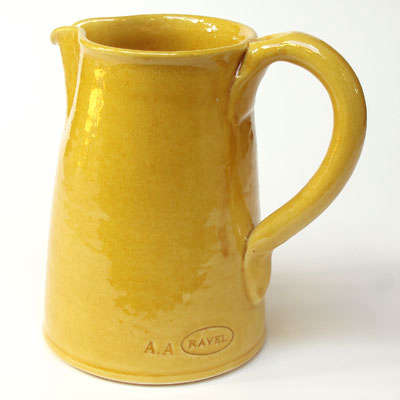

Some home objects shout for attention. The Poterie Ravel Perfect Pitcher does not. It strolls into the room, leans casually on a shelf, and somehow becomes the thing everyone notices anyway. That is part of its magic. It is not flashy in the sequins-and-confetti sense. It is charming in the old-world, quietly confident, “of course I belong here” sense.
If you love French ceramics, timeless kitchen decor, and pieces that can pull double duty without looking like they are trying too hard, this pitcher deserves a closer look. Historically listed in the U.S. through Emilia Ceramics and highlighted by Remodelista, the Poterie Ravel Perfect Pitcher was described as a handcrafted ceramic piece meant for serving water, lemonade, or wine and for moonlighting as a vase for fresh-cut flowers. In other words, it is the overachiever of the tabletop world, but in a very relaxed Provençal accent.
This article takes a deep dive into what makes the Poterie Ravel Perfect Pitcher memorable, why design lovers still admire it, how it fits into real homes, and what kind of experience a piece like this creates once it is no longer just a “pretty object” and starts becoming part of daily life.
What Is the Poterie Ravel Perfect Pitcher?
The Poterie Ravel Perfect Pitcher is a ceramic pitcher tied to Poterie Ravel, a historic pottery house in Aubagne, Provence. The company’s roots go back to 1837, and the maker is known for preserving artisanal ceramic traditions while continuing to produce pieces that feel relevant in modern interiors. While Poterie Ravel is especially famous for terracotta planters and larger decorative forms, its tableware and serving pieces carry the same handmade spirit.
Older product descriptions gave the Perfect Pitcher a personality that was refreshingly honest: it may seem simple, but it is “perfect.” Not because it is mathematically flawless or blessed by some mystical pitcher committee, but because its proportions, glaze, and versatility land in a sweet spot. The pitcher was described as ideal for serving cold drinks or wine and equally suited to holding flowers. That kind of functional beauty is a recurring theme in the best ceramic pieces. They do not just sit there looking expensive. They work.
One detail that stands out is the glaze. The pitcher was associated with a subtle, slightly rustic mustard finish that gave it distinctive French charm. That matters more than it sounds. Color in ceramics is never just color. It sets the mood. A bright white pitcher can feel crisp and formal. A glossy black one can feel dramatic. A warm mustard-toned glaze feels lived-in, sunny, earthy, and just a little romantic. It practically wants a loaf of bread and a linen napkin nearby.
Why This Pitcher Still Feels Special
It has the right kind of simplicity
Some “minimalist” pieces wind up looking so stripped down that they feel anonymous. The Poterie Ravel Perfect Pitcher avoids that trap. It appears restrained, but not bland. The shape is useful, the handle is practical, and the silhouette has enough curve and softness to feel handmade rather than factory-flat. That balance is difficult to get right. When it works, you get a piece that can live in a rustic kitchen, a collected apartment, or a polished dining room without looking confused about its purpose.
It works as serveware and decor
This is where the pitcher earns its keep. U.S. home and design publications have repeatedly celebrated the idea that pitchers make excellent decor objects, especially when they can also function as vases, shelf accents, or countertop styling pieces. A ceramic pitcher can hold flowers, kitchen utensils, branches, or absolutely nothing at all and still look intentional. That “double-duty” quality is a major reason objects like this stay relevant instead of becoming one-season wonders.
It carries visible craftsmanship
Handmade ceramics have something mass-market pieces often lack: irregularity that feels human rather than defective. Slight variation in glaze, a soft edge, the sense of weight in the handle, or the way a vessel catches light unevenly can all make a piece feel alive. Poterie Ravel’s broader reputation is built on artisanal production, hand-finishing, and a strong connection between maker, material, and place. That heritage gives the Perfect Pitcher more depth than a generic decorative jug from the land of anonymous warehouse shelves.
It tells a story without being fussy
One reason collectors and decorators love vintage or handmade ceramic pitchers is that they add warmth and character fast. They do not need a dramatic backstory posted on a tiny acrylic museum card. Their story is visible in the material itself. The Poterie Ravel Perfect Pitcher fits neatly into that tradition. It suggests craftsmanship, regional identity, and everyday beauty. It feels collected, not algorithmically recommended. That is a big compliment in a world where half of home decor seems to have been designed by a committee of beige throw pillows.
The Poterie Ravel Difference
Understanding the maker helps explain the appeal of the pitcher. Poterie Ravel is one of the oldest ceramic manufacturers in Provence and remains associated with family continuity, local production, and hands-on craft. Official brand materials emphasize that the company controls key stages of production on site, from clay preparation to forming and firing, and that its tableware line includes hundreds of pieces alongside its better-known garden pottery.
That background matters because a pitcher like this is not just “French-inspired.” It is connected to a real ceramic tradition from a place with a long history of clay work. Aubagne has deep ties to pottery, and Poterie Ravel’s identity is very much shaped by Provençal design language: warm tones, practical forms, tactile finishes, and pieces meant to live comfortably between indoors and out. Even when the object is small enough to sit on a breakfast table, it carries the atmosphere of a larger craft heritage.
There is also a nice tension in the brand’s identity. It is historic, but not trapped in the past. The company’s story includes both traditional methods and contemporary design collaborations. That blend helps explain why the Perfect Pitcher feels classic instead of old-fashioned. It belongs to a long lineage, but it still feels usable in a modern American home.
How to Style the Poterie Ravel Perfect Pitcher
The easiest way to style this pitcher is to let it do what it was made to do: hold something beautiful or useful. Fresh flowers are the obvious option, and for good reason. Floral experts and home editors routinely recommend pitchers for relaxed bouquets because the shape feels welcoming rather than stiff. Wildflowers, tulips, hydrangeas, garden roses, eucalyptus, olive branches, and even grocery-store stems all look more approachable in a pitcher than in a formal vase.
In a kitchen, the Perfect Pitcher can sit on a counter with wooden spoons, hold a small bouquet near the sink, or live on an island as a decorative accent that still feels practical. Design advice from magazines like Architectural Digest often leans toward decorative restraint in kitchens, and a good pitcher fits that logic perfectly. It adds personality without becoming clutter.
On a dining table, it can become the centerpiece without acting like a diva. That is one of the hidden strengths of ceramic serveware. It has presence, but it does not reflect light aggressively or beg to be the only thing anyone sees. A pitcher filled with branches or flowers creates height and texture while keeping the table usable and conversational.
Elsewhere in the house, it works on open shelving, a mantel, or a sideboard. Designers often recommend ceramic pitchers because they add height and softness to a vignette. Pair one with stacked books, a small tray, brass candlesticks, or a bowl of fruit, and suddenly the room looks layered instead of merely inhabited by furniture.
Why the Color and Finish Matter So Much
The rustic mustard glaze associated with the Poterie Ravel Perfect Pitcher is a quiet star of the show. Warm ocher and mustard tones play especially well with natural woods, white walls, terracotta, brushed brass, stone countertops, and linen textiles. They also bridge seasonal styling beautifully. In summer, the glaze looks sunny and Mediterranean. In fall, it feels earthy and cozy. In winter, it brings warmth to a room that might otherwise lean cold. In spring, it looks terrific with green stems and pale blooms.
There is also a tactile advantage to a glaze with a slightly rustic character. Super-glossy pieces can feel formal or fragile, even when they are not. Rustic glazes read as approachable. They make a room feel more human. If your decorating goal is “collected and comfortable” rather than “please do not breathe near the furniture,” this kind of ceramic finish is your friend.
And because handcrafted glazes vary, each pitcher tends to feel individual. That one-of-a-kind quality is not just marketing poetry. It affects how people respond to the object. Unique ceramics often become favorites because they resist sameness. They do not feel replaceable, and that emotional stickiness is often what turns a nice object into a beloved one.
Care Tips for a Handcrafted Ceramic Pitcher
If you are using a ceramic pitcher as both serveware and a vase, a little care goes a long way. First, confirm that the interior is properly glazed and watertight before using it for flowers. Home experts regularly note that glaze matters when a ceramic vessel will hold water. If the interior finish is sound, great. If not, the pitcher may be better reserved for dried stems or decorative use.
Hand washing is often the safest route for artisanal ceramics, especially older or one-of-a-kind pieces. Even if a vessel seems sturdy, repeated dishwasher cycles can be rough on special glazes over time. Avoid sudden temperature swings too. Pouring boiling liquid into a cool handmade ceramic piece is a great way to test your luck, and luck is not a warranty plan.
For flowers, rinse promptly after use so residue does not linger inside. For serving, dry thoroughly before shelving. If you display it empty, give it the dignity of a quick dusting now and then. Handmade ceramics do not ask for much, but they do appreciate not being treated like a forgotten sports bottle in the back seat of a car.
Is the Poterie Ravel Perfect Pitcher Worth the Attention?
Yes, but not for the reasons hype usually suggests. This is not a viral object because it is shocking, trendy, or loaded with gimmicks. It is compelling because it solves a problem many beautiful things fail to solve: how to be both useful and memorable. The Poterie Ravel Perfect Pitcher offers visual warmth, handmade character, and enough versatility to justify its place in the home.
It also benefits from scarcity. Older U.S. listings indicate that the piece was later marked discontinued, which only adds to its appeal for collectors and design lovers who enjoy tracking down ceramics with a real sense of identity. If you ever encounter one through a specialty seller, estate source, or resale discovery, you are not just finding a pitcher. You are finding a small piece of Provençal ceramic culture dressed as a household object.
And frankly, that is a lot more interesting than buying yet another trendy container that looks fantastic for six weeks and then spends the rest of its life storing rubber bands.
Living With the Poterie Ravel Perfect Pitcher: A Longer Experience-Based Reflection
A piece like the Poterie Ravel Perfect Pitcher changes your space in small ways before you fully notice it. The first change is visual. Kitchens and dining areas can easily become dominated by hard surfaces and practical things: appliances, cabinets, dishes, cords, mail, fruit bowls trying their best. A handmade ceramic pitcher introduces softness. Not softness in the fluffy-pillow sense, but in the sense of curve, warmth, and material honesty. It breaks up the machinery of the room.
The second change is behavioral. When you own a vessel this nice, you start finding reasons to use it. You pour water into it for lunch instead of setting a plastic bottle on the table. You buy flowers because you know exactly what you will put them in. You clip branches from the yard and suddenly feel like the kind of person who knows what a branch arrangement is. You may not know. You may simply have scissors and confidence. But the pitcher helps.
Then there is the emotional layer, which is harder to quantify but often more important. Handmade ceramics create a sense of companionship with daily routines. That sounds dramatic for a pitcher, but here we are. You reach for it in the morning, see it on the counter in the afternoon, pass it again at night, and over time it becomes part of the atmosphere of home. The object starts holding memory in addition to liquid. A Saturday lunch. Summer flowers. Guests leaning across the table asking where you found it. The slightly ridiculous pride of saying, “Oh, that old thing?” while absolutely meaning, “Yes, behold my excellent taste.”
What is especially appealing about the Poterie Ravel Perfect Pitcher is that it seems suited to imperfect living. It is elegant, but not stiff. You can imagine it on a beautifully styled table with linen napkins and also on a kitchen counter beside lemons, olive oil, and a grocery receipt you forgot to throw away. It does not require a museum-house lifestyle. It actually improves with a little context, a little use, a little real life around it.
That quality makes it easy to picture in American homes, even though its soul is unmistakably French. It brings a Provençal mood without forcing the whole room into costume. You do not need shutters, stone floors, and a vineyard in the backyard to make it work. You just need a place where beauty and utility are both welcome. That could be a city apartment, a suburban kitchen, a farmhouse table, or a tiny breakfast nook where sunlight hits for twenty blessed minutes each morning.
And perhaps that is why the pitcher lingers in people’s minds. It does not just decorate a room; it encourages a style of living that is slower, more tactile, and a little more attentive. It suggests that everyday objects can be chosen with care, that serving water can still feel lovely, and that something as ordinary as a pitcher can carry place, craft, and pleasure all at once.
In a market crowded with disposable decor and fast-moving trends, that feels almost radical. Or at least refreshingly sane. The Poterie Ravel Perfect Pitcher reminds us that the best home pieces are not always the loudest. Sometimes they are simply the ones that continue to look right, feel right, and work beautifully long after the shopping buzz has worn off. That is not just good design. That is staying power.
Final Thoughts
The Poterie Ravel Perfect Pitcher earns its reputation through restraint, craftsmanship, and versatility. It carries the heritage of a long-standing Provençal pottery maker, the usefulness of a well-shaped serving piece, and the decorative charm of an object that looks just as good filled with flowers as it does holding lemonade. If you appreciate French ceramics, handmade tableware, or decor that can multitask gracefully, this pitcher represents the kind of design that ages well instead of aging out.
That is probably why it still resonates. It is not merely a pitcher. It is a reminder that the most satisfying home objects are often the ones that make ordinary moments feel a little more beautiful.


