
Your car is not just a machine with cup holders. It is your commuting partner, grocery-hauling mule, road-trip lounge, weather shelter, and occasionally the place where french fries go to retire. The good news? You do not need to be a certified mechanic, a garage wizard, or that one neighbor who owns seven torque wrenches to keep your vehicle cleaner, safer, and easier to live with.
These 13 car owner hacks combine practical DIY tricks with real maintenance wisdom: tire safety, emergency preparation, visibility, organization, fuel efficiency, and small habits that prevent big headaches. Some are delightfully low-tech, like using a pool noodle in the garage. Others are maintenance habits that can save money and possibly your weekend. Together, they make car ownership less stressful and a lot less mysterious.
Why Smart Car Hacks Matter
The best car hacks are not gimmicks. They help you prevent breakdowns, spot problems early, keep your cabin usable, and avoid paying for repairs that could have been prevented with a five-minute check. A simple tire gauge, a charged jump starter, clean headlights, and a basic emergency kit can do more for everyday confidence than a trunk full of random gadgets.
Think of these tips as “adulting with wheels.” They are easy enough for beginners, useful enough for experienced drivers, and cheap enough that your wallet will not file a formal complaint.
13 Hacks Every Car Owner Should Know
1. Use a Small Container as a Car Trash Can
A clean car starts with a place for trash that is not “somewhere near the passenger footwell.” Use a small lidded cereal container, compact bin, or leak-resistant food container lined with a grocery bag. The lid keeps wrappers, tissues, receipts, and snack evidence from flying around every time you turn a corner.
This hack is especially useful for families, commuters, rideshare drivers, and anyone who treats the center console like a archaeological dig site. Empty it every time you fuel up or once a week. That tiny habit keeps smells, clutter, and mystery crumbs under control.
2. Hang a Tennis Ball to Park Perfectly in the Garage
If your garage feels like it was designed for a bicycle and a dream, a tennis ball can save your bumper. Park your car exactly where it should stop, hang a tennis ball from the ceiling with string, and position it so it touches the windshield when the vehicle is in the right spot.
The next time you pull in, stop when the ball touches the glass. It is simple, cheap, and wonderfully analog. No subscription, no app update, no Bluetooth drama.
3. Add Pool Noodles to Garage Walls
Garage walls and car doors have been enemies since the invention of narrow parking spaces. Cut a pool noodle lengthwise and mount it horizontally on the wall where your doors usually open. It becomes a soft bumper that helps prevent chips, scratches, and tiny dents.
This is one of the easiest car protection hacks for tight garages. It is especially helpful for kids, older vehicles with heavy doors, and anyone who has ever whispered “please don’t hit the wall” while exiting the driver’s seat.
4. Keep Cup Holders Clean with Silicone Liners
Cup holders collect coffee splashes, coins, straw wrappers, dust, and sticky substances that should probably be studied by science. Drop reusable silicone liners into the bottom of each cup holder. When they get dirty, pull them out, rinse them, and put them back.
Paper cupcake liners can work in a pinch, but silicone versions last longer and handle moisture better. This tiny upgrade makes your interior feel cleaner without requiring a full detailing session every time someone orders an iced latte with reckless enthusiasm.
5. Check Tire Pressure When Tires Are Cold
Proper tire pressure improves handling, supports fuel economy, and helps tires wear evenly. The important detail many drivers miss: check pressure when the tires are cold, ideally before driving or after the car has been parked for several hours.
Use the recommended PSI listed on the driver’s door-jamb sticker or in the owner’s manual, not the maximum pressure printed on the tire sidewall. That sidewall number is a limit, not your car’s ideal setting. Keep a tire gauge in the glove box and check all four tires monthly. Do not forget the spare if your vehicle has one.
6. Use the Penny Test for Tire Tread
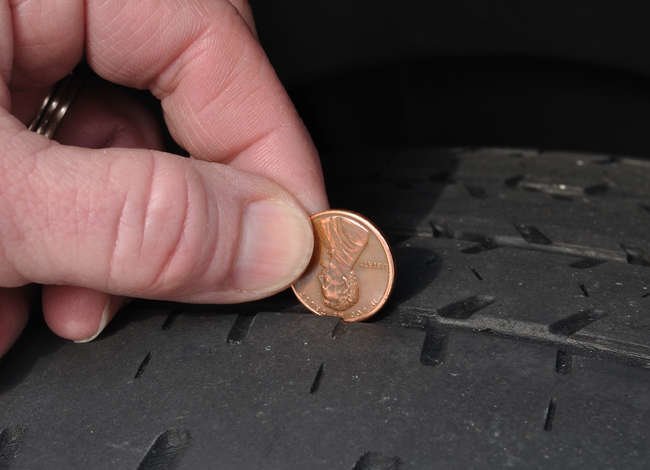
Your tires are the only parts of your car that touch the road, which means they deserve more attention than the air freshener shaped like a pine tree. To check tread depth, place a penny into the tread groove with Lincoln’s head upside down. If you can see the top of Lincoln’s head, your tread is too worn and the tire should be replaced.
Also look for cracks, bulges, punctures, uneven wear, or vibration while driving. Uneven tread can signal alignment or suspension issues. Catching that early may save your tires from becoming expensive rubber confetti.
7. Build a Real Roadside Emergency Kit
A roadside kit is one of those things you hope you never need and deeply appreciate when you do. At minimum, keep jumper cables or a portable jump starter, a flashlight, spare batteries or a power bank, reflective triangles or flares, a first-aid kit, gloves, a tire pressure gauge, basic tools, water, nonperishable snacks, a phone charger, duct tape, and a blanket.
Customize the kit for your climate. Snowy areas may need an ice scraper, small shovel, traction aid, and warm clothing. Hot climates call for extra water and sun protection. Road trips deserve extra medications, paper towels, and a printed backup route. Yes, printed maps still exist, and unlike your phone, they do not panic at 2 percent battery.
8. Keep a Portable Jump Starter Charged
A dead battery can turn a normal Tuesday into a parking-lot adventure. Jumper cables are useful, but they require another vehicle and a willing human. A portable jump starter lets you revive many dead batteries without flagging down a stranger.
Charge it every few months and store it where you can reach it. Do not bury it under beach chairs, reusable shopping bags, and that one jacket you forgot in 2023. Read your vehicle manual before jump-starting, especially if you drive a hybrid or electric vehicle with special battery procedures.
9. Replace Wiper Blades Before They Become Useless
Wiper blades are cheap compared with the thrill of driving through rain while seeing the world in abstract watercolor. Replace them when they streak, chatter, crack, or leave unwiped areas. Many drivers replace blades about once a year, but heat, cold, salt, and sun can shorten their life.
Top off windshield washer fluid regularly and use a seasonal formula if you live where temperatures drop below freezing. In winter, lift wipers away from the glass before a storm or cover them with old socks overnight to reduce freezing. Remove the socks before driving unless you want your car to look like it is wearing tiny windshield pajamas.
10. Restore Cloudy Headlights Carefully
Cloudy headlights reduce visibility and make your car look tired. Mild oxidation can sometimes be improved with a headlight restoration kit, a microfiber cloth, and patience. Toothpaste is a popular DIY trick because it contains gentle abrasives, but it is usually a temporary improvement, not a permanent fix.
For longer-lasting results, use a proper restoration kit with sanding pads, polish, and UV sealant. The sealant matters because sunlight is what oxidizes plastic headlight lenses in the first place. Clean headlights help you see better and help other drivers see you sooner.
11. Use Your Owner’s Manual Like a Money-Saving Cheat Sheet
Your owner’s manual is not thrilling literature, but it is the most underrated tool in your car. It tells you the correct oil type, tire pressure, maintenance intervals, fluid specifications, fuse locations, warning light meanings, and safe towing limits.
Following the manufacturer’s maintenance schedule helps you avoid unnecessary “recommended” services that may not be due yet. Oil changes, tire rotations, brake inspections, coolant service, air filters, spark plugs, and belts all have intervals that vary by vehicle. When a shop suggests extra work, compare it with the manual and ask why the service is needed now.
12. Save Fuel with Small Driving Habits
Fuel-saving hacks are not always glamorous, but neither is overpaying at the pump. Keep tires properly inflated, remove unnecessary heavy cargo, avoid aggressive acceleration, maintain steady speeds, and do not ignore maintenance issues that reduce efficiency.
Use the recommended motor oil grade, replace clogged air filters when needed, and avoid hauling a rooftop cargo box when you are not using it. Smooth driving is easier on your engine, brakes, tires, and passengers. It also makes you look calm and mysterious, which is a bonus.
13. Turn Your Phone Into a Car Ownership Command Center
Your phone can do more than play podcasts and argue with your navigation app. Use it to photograph your license plate, tire size, VIN, insurance card, registration, maintenance receipts, battery date sticker, and parking location. Store these in a dedicated album or secure notes app.
Set recurring reminders for tire pressure checks, oil changes, registration renewal, insurance renewal, and battery testing. Many map apps can save your parking spot, which is handy at airports, stadiums, malls, and any parking garage designed by someone with a grudge against humanity.
Extra Maintenance Habits That Make These Hacks Work Better
Do a Five-Minute Monthly Walkaround
Once a month, walk around your car in daylight. Look at tire sidewalls, tread, lights, wipers, mirrors, license plates, and fluid leaks under the vehicle. Turn on headlights, brake lights, hazard lights, and turn signals. A quick inspection can catch small problems before they become repair-shop opera.
Check Fluids Safely
For gasoline and hybrid vehicles, check engine oil, coolant, brake fluid, transmission fluid if accessible, power steering fluid if applicable, and windshield washer fluid. Always check coolant only when the engine is cool. Hot cooling systems can cause serious burns, and no one wants a maintenance hack that ends with a trip to urgent care.
Take Warning Lights Seriously
A dashboard warning light is your car’s way of saying, “We need to talk.” Some lights are urgent, such as oil pressure, overheating, brake warnings, or flashing check-engine lights. Others may allow you to drive to a repair facility, but they still deserve attention. Read the manual, note the conditions, and get a diagnosis instead of hoping the light gets bored and leaves.
Real-World Experience: How These Car Hacks Help in Everyday Life
The best thing about these car owner hacks is that they do not require a dramatic roadside emergency to prove their worth. They show up quietly in normal life. Imagine a typical week: Monday morning, you are running late, coffee in one hand, keys in the other, and your car is not a rolling landfill because the small trash container caught yesterday’s receipts and snack wrappers. It is not glamorous, but neither is stepping on an old ketchup packet.
On Tuesday, you pull into the garage after work. Instead of creeping forward like you are defusing a bomb, the tennis ball taps the windshield and tells you exactly where to stop. You open the door, and the pool noodle on the wall prevents another tiny paint chip. Two cheap objects have just done the job of a very polite parking assistant.
By Wednesday, the tire pressure light comes on after a cold night. Instead of ignoring it, you use the gauge in your glove box, check the door-jamb PSI, and add air. The whole process takes less time than waiting in line for coffee. That small pressure correction helps your tires wear evenly and keeps your fuel economy from slipping. It also gives you the oddly satisfying feeling of being a responsible adult before lunch.
Thursday brings rain. Your wipers clear the windshield cleanly because you replaced them before they turned into streak-making rubber noodles. Washer fluid is full, headlights are clear, and visibility is not a guessing game. This is where maintenance stops being boring and starts being safety.
On Friday, a coworker needs a jump start. You have a charged portable jump starter, gloves, and basic instructions saved on your phone. You help without needing another vehicle, and suddenly you are the parking-lot hero. No cape required, though a reflective vest from your emergency kit would be both safe and stylish in a highly specific way.
Saturday is road-trip day. Because your emergency kit includes water, snacks, a flashlight, a phone charger, reflective triangles, and a first-aid kit, you are not relying on luck as your only travel plan. You check tires cold, confirm the spare or inflator is usable, glance at fluids, and clean the windshield. None of this takes long, but it changes the entire mood of the drive. Prepared drivers are calmer drivers.
Sunday, you log the week’s small maintenance tasks in your phone: tire pressure checked, wipers replaced, jump starter recharged, oil change reminder scheduled. The vehicle feels less like a mysterious machine and more like something you understand. That confidence is the real hack. Car ownership becomes easier when you turn maintenance into small routines instead of waiting for expensive surprises.
Conclusion
Car ownership does not have to be complicated. The smartest hacks are simple, repeatable, and grounded in real safety and maintenance habits. A clean interior makes daily driving nicer. Tire checks improve safety and efficiency. A roadside kit prepares you for the unexpected. Clear headlights, fresh wipers, and organized records help you avoid the kind of problems that usually appear when you are already late.
You do not need to rebuild an engine in your driveway to be a capable car owner. Start with the basics: keep it clean, check it monthly, prepare for emergencies, follow the owner’s manual, and handle small issues before they become large invoices. Your car will thank you by starting more reliably, driving more safely, and smelling less like abandoned fries.
Note: This original article synthesizes practical automotive safety, maintenance, cleaning, and organization guidance from reputable U.S. automotive and consumer resources, including government safety recommendations, roadside assistance guidance, vehicle maintenance experts, and established home-improvement and car-care publishers. It is fully rewritten for web publication and does not copy or duplicate any single source.


