
There is a particular kind of object that makes a room feel instantly more alive. It might be a hand-thrown mug with a thumbprint still visible near the handle, a woven basket that refuses to be perfectly symmetrical, or a wooden stool with grain so beautiful it looks like nature was showing off. These pieces do not shout. They do not arrive with a glossy trend label or demand their own spotlight. They simply sit there, quietly saying, “A real person made me, and yes, I have better posture than your flat-pack bookshelf.”
That is the heart of today’s design obsession: meeting the makers. In an age of overnight shipping, algorithmic recommendations, and homes that can accidentally start looking like the same neutral showroom, people are craving objects with evidence of human hands. Craftsmanship, small-batch production, artisan home goods, handmade decor, and maker-led design are not just nostalgic ideas anymore. They are a response to a very modern problem: too much sameness.
“Current Obsessions: Meet the Makers” is more than a charming phrase. It is a design mood, a shopping philosophy, and a cultural shift. It invites us to look beyond the finished product and ask better questions: Who made this? What material did they choose? What technique did they preserve, reinvent, or learn the hard way after ruining six prototypes and possibly one kitchen table?
Why Makers Are Having a Moment
Handmade design has always had its devoted fans, but the current maker movement feels especially timely. After years of hyper-minimal interiors and fast furniture, many homeowners are looking for warmth, texture, and personality. The return of interest in Arts and Crafts principles says a lot about the moment we are in. That late-19th-century movement pushed back against industrial sameness by valuing honest materials, useful design, and skilled labor. Today’s version has a similar spirit, though thankfully with better lighting and fewer uncomfortable parlor chairs.
Modern buyers are not simply buying a ceramic bowl because they need a place for olives. They are buying the slightly uneven rim, the glaze variation, the maker’s story, and the feeling that the object will still matter five years from now. In other words, craft has become a form of resistance against disposable decor.
This does not mean every home needs to look like a historical craft museum. The strongest interiors mix old and new, handmade and manufactured, polished and imperfect. A room can have a clean-lined sofa, a vintage side table, a handwoven throw, and a sculptural lamp by an independent designer. The goal is not to reject modern life. The goal is to make modern life feel less copy-and-paste.
The New Meaning of “Handmade”
The word “handmade” used to bring to mind pottery wheels, looms, chisels, and maybe one extremely intense person at a craft fair explaining kiln temperatures. Those things still matter, of course. But handmade design today is broader. It includes traditional artisans, studio furniture makers, textile artists, ceramicists, glassblowers, metalsmiths, independent product designers, small-batch brands, and digitally savvy makers who use technology without letting it erase the human touch.
A maker may use a CNC router to rough-cut a piece of wood, then hand-finish it for hours. A jewelry designer may build a collage-inspired collection in a Brooklyn studio. A textile artist may work with natural fibers and dye experiments. A furniture designer may draw from historical joinery while creating pieces that feel crisp and contemporary. The important distinction is not whether a tool is old or new. It is whether the maker’s judgment, skill, and point of view remain visible.
That visibility is what separates meaningful craft from generic “artisan-style” decor. The real thing has specificity. It has material intelligence. It has a maker who can tell you why white oak behaved differently from walnut, why a glaze broke blue at the edge, or why a chair leg had to be shaped one-sixteenth of an inch differently so the whole piece would feel right. It is nerdy. It is beautiful. It is why the object works.
What We Are Obsessing Over Right Now
1. Ceramics With Personality
Ceramics may be the unofficial mascot of the maker revival. Hand-thrown mugs, stoneware bowls, sculptural vases, tiled lamps, and irregular serving platters have moved from “nice craft fair find” to “main character of the open shelf.” Their appeal is easy to understand. Clay records touch. It remembers pressure, movement, heat, and chemistry. Even when a ceramic piece is refined, it carries tiny signs of transformation.
In the home, handmade ceramics soften hard surfaces. A matte vase on a marble counter, a speckled bowl on a wood table, or a set of mismatched cups can make a space feel collected rather than staged. The best pieces do not need to match perfectly. In fact, a little variation is the point. Your mugs are allowed to have different personalities. So are your dinner guests, unfortunately.
2. Wood Furniture That Shows Its Work
Wood has returned as a hero material, but not in the overly polished, orange-varnished way that haunted many dining rooms of the past. Today’s most desirable maker-led furniture highlights grain, joinery, proportion, and touch. Think stools shaped from solid timber, benches with visible tool marks, cabinets that celebrate the natural movement of wood, and tables designed to get better with age.
The strongest contemporary woodworkers are not simply recreating old forms. They are translating tradition into modern life. A maker might use age-old joinery in a minimal console or turn a utilitarian bench into something sculptural. These pieces appeal because they have patience built into them. They remind us that good design can be quiet, durable, and deeply satisfying.
3. Textiles With Texture and Story
Textiles are where a room learns to breathe. Linen curtains, wool rugs, embroidered pillows, quilted throws, handwoven runners, and naturally dyed fabrics bring movement and comfort into interiors. The current obsession with tactile materials reflects a larger craving for softnessnot just visually, but emotionally.
Washed linen, nubby wool, slub cotton, and woven fibers make a home feel less like a photo backdrop and more like a place where actual humans live. These materials wrinkle, shift, fade, and soften. They are not trying to look perfect forever. Frankly, that is inspirational. If linen can be beloved while wrinkled, perhaps there is hope for all of us.
4. Small-Batch Lighting
Lighting is one of the easiest ways to bring maker energy into a room. A handmade ceramic lamp, a pleated paper pendant, a forged metal sconce, or a hand-blown glass shade can change the entire mood of a space. Unlike mass-produced fixtures that often disappear into the background, small-batch lighting behaves like functional sculpture.
Good lighting also reveals the beauty of other handmade pieces. It catches the ridges in a vase, the weave of a textile, the grain of a table, and the surface of a plaster wall. In other words, maker-led lighting does not just look good. It helps everything else look like it got eight hours of sleep.
5. Objects That Invite Ritual
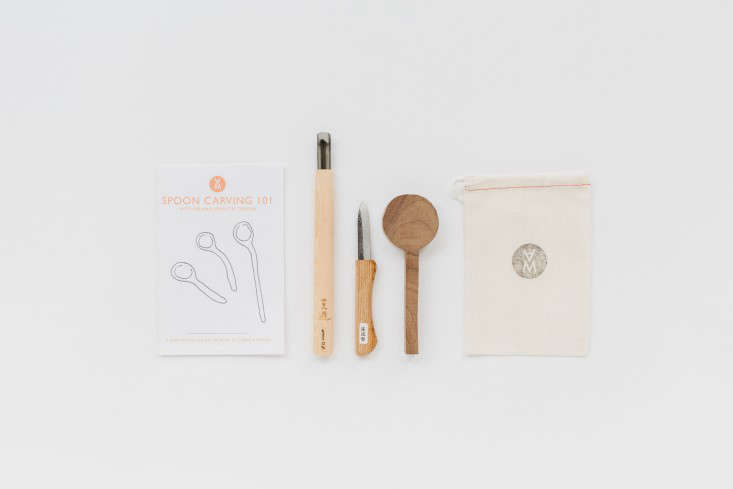
Many handmade objects are appealing because they slow us down. A hand-carved spoon turns cooking into a small ceremony. A ceramic pour-over cone makes coffee feel less like a caffeine emergency and more like a morning ritual. A woven basket near the door can turn clutter into something almost poetic, assuming the clutter cooperates.
These objects matter because they are used, not because they are precious. The best maker pieces do not sit untouched behind glass. They hold fruit, pour tea, support tired feet, organize mail, illuminate dinner, and survive the occasional dramatic key drop. Function is not the enemy of beauty. For many makers, it is the whole point.
Meet the Makers, Not Just the Products
The most interesting part of the maker movement is the person behind the object. When shoppers learn about a maker’s process, materials, training, location, and inspiration, the object becomes more than decor. It becomes a relationship, even if a small one.
Major craft organizations, museums, design stores, marketplaces, and independent publications have all helped bring maker stories forward. American craft fairs invite visitors to meet artists directly. Museum design stores feature interviews with designers and founders. Public television craft programming documents the techniques and cultural histories behind handmade objects. Online marketplaces allow small studios to reach national audiences. Together, these platforms have made the maker visible again.
That visibility changes how we shop. Instead of asking only, “Does this match my sofa?” we start asking, “How was this made? Will it last? Who benefits when I buy it? Does it bring something real into my home?” These are not fussy questions. They are practical ones. They help buyers avoid impulse purchases and choose pieces that hold meaning beyond the checkout page.
The Beauty of Imperfection
One reason handmade decor feels fresh is that it gives us permission to stop worshiping perfection. A handwoven textile may have slight irregularities. A ceramic glaze may vary from piece to piece. A wood surface may reveal knots, mineral streaks, or tool marks. These are not flaws in the lazy sense. They are evidence.
Designers often talk about wabi-sabi, the appreciation of impermanence and imperfection. But even without using a formal term, most people understand the feeling. A perfectly identical set of objects can be impressive, but it can also feel cold. A handmade object carries warmth because it shows that someone made decisions in real time. They adjusted. They responded. They solved problems. They possibly muttered at the material. The material may have muttered back.
This is why handmade pieces work so well in modern interiors. They interrupt smoothness. They add friction in the best way. A room full of sleek surfaces can feel more grounded with one rough clay vase or a woven wall piece. A minimalist kitchen can become warmer with handmade tile or a wooden cutting board that actually gets used. Imperfection gives the eye somewhere to rest.
How to Bring Maker-Led Design Into Your Home
Start Small, But Choose Well
You do not need to replace everything you own with artisan-made goods. That would be expensive, unnecessary, and possibly alarming to your delivery person. Start with one category you use often: mugs, bowls, lighting, textiles, hooks, trays, cutting boards, or bedside objects. Daily-use pieces offer the best return because you interact with them constantly.
Mix Handmade With What You Already Own
Handmade pieces do not require a fully handmade room. In fact, they often look better when mixed with simple modern furniture, vintage finds, family pieces, and practical basics. A handwoven rug can warm up a contemporary sofa. A studio pottery lamp can make a mass-produced nightstand feel intentional. A carved bowl can rescue a bland entry table from emotional bankruptcy.
Ask About Materials
Materials tell you a lot about quality. Look for solid wood, natural fibers, durable ceramics, hand-finished metal, responsibly sourced materials, and repairable construction. A maker who can explain material choices usually understands longevity. That matters, especially if you are buying furniture, lighting, or functional objects.
Value Time, Not Just Price
Handmade objects often cost more because they contain labor, skill, experimentation, and smaller production runs. The price reflects more than the object. It reflects the years it took to learn the technique, the tools, the studio rent, the failed attempts, the finishing work, and the maker’s ability to keep making. Buying fewer, better pieces is often the smarter strategy.
Buy Locally When Possible
Local craft fairs, open studios, museum shops, independent boutiques, and regional markets are excellent places to discover makers. Buying locally lets you see the work in person, ask questions, and understand the context behind the piece. It also supports creative ecosystems in your own community. As a bonus, you can feel virtuous while shopping, which is one of life’s more efficient multitasking opportunities.
The Business Side of the Maker Movement
The maker revival is not only aesthetic; it is economic. Craft artists and independent designers operate in a challenging space. Many balance creative labor with marketing, photography, shipping, accounting, customer service, wholesale relationships, social media, and the occasional existential crisis over packaging tape. The romantic idea of the maker in a sunlit studio is partly true, but so is the spreadsheet.
Online platforms have expanded opportunities for independent sellers, allowing makers to reach buyers far beyond their local markets. At the same time, those platforms come with competition, fees, algorithms, and pressure to produce content as well as objects. The most sustainable maker businesses often combine several channels: direct sales, craft fairs, wholesale partnerships, commissions, workshops, collaborations, and carefully managed online storefronts.
For buyers, understanding this ecosystem encourages more thoughtful purchasing. A handmade object is not simply “more expensive than the similar-looking thing.” It may be supporting a studio practice, preserving a skill, funding an apprentice, keeping a local material tradition alive, or helping an artist build a business that can survive beyond one viral moment.
Why Maker Stories Are Good SEO, Too
For brands, publications, shops, and design blogs, maker stories are not just charming content. They are strong SEO assets because they answer the questions real readers search for: how something is made, what materials are best, where to buy handmade decor, how to identify quality craftsmanship, and how to style artisan home goods. Search engines reward useful, specific, experience-rich content, and maker stories naturally provide that.
A generic product description might say, “Beautiful handmade vase.” A stronger maker-focused description explains the clay body, glaze, firing method, shape, intended use, and design inspiration. It might include care instructions, styling ideas, and the maker’s background. That kind of content helps readers, supports long-tail keywords, and builds trust. It also makes the product more memorable than another sad little adjective parade.
For Google and Bing, helpful content is content that demonstrates knowledge and satisfies intent. “Meet the Makers” articles do this well when they include real process details, material education, examples, and practical buying guidance. The trick is to avoid turning the maker into a marketing prop. Readers can smell empty storytelling from across the internet. Authenticity needs actual information behind it.
Current Obsessions: The Pieces Worth Watching
Right now, the most compelling maker-led pieces share a few qualities. They are tactile. They use honest materials. They balance beauty with function. They feel personal without being overly precious. They can live comfortably in real homes, not just in editorial photographs where nobody owns phone chargers.
Watch for hand-built ceramics with sculptural silhouettes, wooden furniture with visible joinery, woven storage baskets, naturally dyed textiles, handmade tiles, small-batch lighting, forged hardware, glassware with subtle variation, and decorative objects that carry cultural or regional specificity. Also watch for collaborative collections between established design stores and independent artists. These collaborations often help makers reach wider audiences while keeping process and authorship visible.
The best pieces do not chase trendiness too aggressively. They feel current because they are deeply considered. They invite touch. They hold up to use. They offer enough character to make a room feel personal without making it feel chaotic. That balance is harder than it looks, which is why skilled makers deserve attention.
Experiences Related to “Current Obsessions: Meet the Makers”
One of the most memorable ways to understand maker culture is to attend a craft fair or open studio with no shopping list. This sounds dangerous, and financially speaking, it can be. But it changes how you see objects. Instead of scanning for “blue vase” or “small table,” you begin noticing process. You see the ceramicist’s hands demonstrating how a rim is pulled. You hear a woodworker explain why a certain joint will outlast glue alone. You watch a textile artist run fingers across a weave and describe tension, fiber, and dye as if introducing old friends.
The experience is different from ordinary retail because the conversation is part of the value. A maker can tell you what went wrong before the piece went right. They can explain why one surface is matte, why another is burnished, why the object should not go in the dishwasher unless you enjoy tragedy. These details create attachment. You remember them when you use the piece at home. A bowl is no longer just a bowl; it is the bowl made by the person who tested twenty glazes before choosing the stormy gray one now holding your oranges.
Workshops offer another kind of appreciation. Try a pottery class, spoon-carving session, weaving workshop, block-printing event, or beginner metalsmithing course, and you will quickly develop respect for makers. The first lesson is usually humility. Clay collapses. Wood splits. Thread tangles. Paint wanders off-script like a toddler in a grocery store. Your hands discover that the beautiful simplicity of handmade objects often comes from years of practice.
That experience makes buying handmade feel different. Once you have tried to center clay on a wheel, a perfectly balanced mug looks like a small miracle. Once you have sanded wood until your arm questions your life choices, a smooth chair rail feels heroic. Once you have woven even a tiny sample, a large textile becomes less of an object and more of a time capsule.
Meeting makers also changes how we decorate. Instead of filling a room quickly, we become more comfortable building it slowly. A home can evolve through discoveries: a lamp found during a weekend trip, a basket from a local market, a print from an artist-run studio, a table commissioned after a conversation about size and wood. The result feels layered because it is layered. It has memory built in.
There is also a social pleasure in maker spaces. Craft nights, studio tours, community markets, and hands-on demonstrations bring people together around doing and learning rather than scrolling and comparing. They make creativity feel accessible. You do not have to become a professional ceramicist to appreciate clay. You do not have to weave your own curtains to care about textiles. Participation builds connection, and connection is one of the reasons handmade design keeps gaining momentum.
The best experience, though, may happen later at home. You reach for the mug every morning. You turn on the lamp in the evening. You place keys in the dish near the door. These repeated gestures turn objects into companions. The maker is not physically there, but their choices are. Their skill becomes part of your daily rhythm. That is the real obsession: not owning handmade things for display, but living with objects that make ordinary life feel more considered.
Conclusion: The Human Touch Is the Real Luxury
The maker movement is not about rejecting convenience or pretending every object needs a dramatic origin story. It is about paying attention. In a world full of fast, flat, frictionless buying, handmade design restores texture. It gives us objects with presence, homes with personality, and a deeper respect for the people who shape materials into meaning.
“Current Obsessions: Meet the Makers” captures a design shift that feels both timely and lasting. We are rediscovering the value of craft, not as a quaint throwback, but as a forward-looking way to live with more intention. The makers worth meeting are not simply producing things. They are preserving skills, experimenting with materials, building small businesses, and reminding us that beauty often begins with patience.
If your home feels too polished, too generic, or too algorithm-approved, start with one handmade object. Let it interrupt the room. Let it carry a story. Let it be slightly irregular and completely useful. Perfection had a long run. The human touch is more interesting.
Note: This original article is based on synthesized research from reputable U.S. design, craft, museum, marketplace, labor, retail trend, and arts-economy sources. It has been fully rewritten for web publication in a natural editorial style without copied source text.


