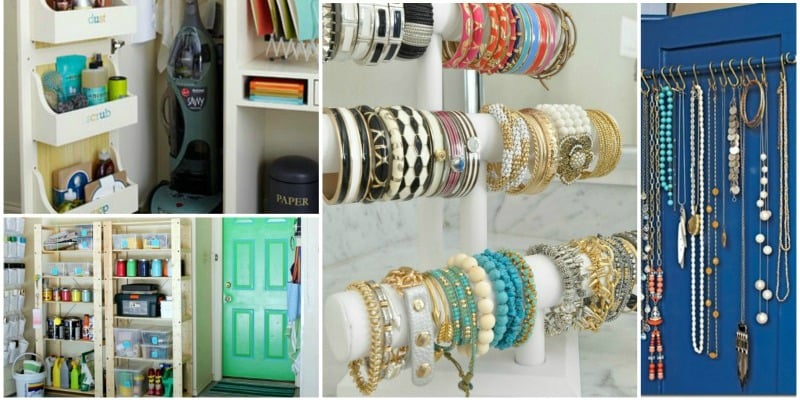

The New Year has a magical way of making us believe we can become an entirely new person by January 3. Suddenly, the pantry will alphabetize itself, the inbox will stop resembling a digital swamp, and the junk drawer will no longer contain batteries, birthday candles, and one mysterious key that opens absolutely nothing. Lovely dream, right?
Here is the good news: getting organized in the New Year does not require a full personality transplant, a label maker addiction, or a home that looks like a lifestyle magazine where nobody owns socks. Real organization is about creating simple systems that make daily life easier. It helps you find what you need, reduce stress, save time, and stop buying another bottle of cumin because the first three are hiding behind the pasta.
This guide shares 25 practical, realistic, and refreshingly human ways to get organized in the New Year. These home organization tips, decluttering ideas, productivity habits, and digital clean-up strategies are designed for real people with real homes, real schedules, and real piles of mail on the counter.
Why Getting Organized in the New Year Actually Works
A new year gives you a natural reset point. It is a clean calendar, a fresh notebook, and a socially acceptable excuse to say, “I am finally dealing with that closet.” But the goal is not perfection. The goal is less friction. When your keys have a home, your bills have a system, and your kitchen counters are not auditioning for a disaster movie, your brain gets a little breathing room.
Organization also works best when it is connected to a purpose. Maybe you want calmer mornings, faster meal prep, fewer late fees, or a living room that does not look like laundry is staging a quiet rebellion. Start with the reason, then build the system.
25 Ways to Get Organized in the New Year
1. Start With One Small Zone
Do not begin with “organize the whole house.” That is not a plan; that is a trap wearing yoga pants. Start with one drawer, one shelf, one bag, or one 15-minute corner. Small wins create momentum, and momentum is far more useful than dramatic motivation that disappears after lunch.
2. Create a New Year Decluttering Checklist
Write down the areas you want to tackle: closet, pantry, medicine cabinet, paperwork, digital files, garage, entryway, and calendar. A checklist turns vague guilt into visible action. Keep it simple and divide tasks by room so you can make progress without turning your Saturday into an archaeological dig.
3. Use the “Keep, Donate, Toss, Relocate” Method
Every organizing session needs categories. Use four boxes or bags labeled keep, donate, toss, and relocate. This prevents the classic mistake of picking up one item, walking to another room, and suddenly reorganizing the bathroom while the bedroom remains a crime scene.
4. Give Every Item a Home
The secret to staying organized is not buying more bins. It is deciding where things live. Keys go in a tray. Chargers go in one drawer. Cleaning supplies stay grouped by use. If an item has no home, it will wander the house like a tiny clutter ghost.
5. Follow the “Put It Away Right Away” Rule
This habit sounds almost too simple, but it is powerful. After using something, return it to its place immediately. Hang the coat. Put the scissors back. File the receipt. Future you will be deeply grateful and may even forgive present you for eating cereal for dinner.
6. Build a Command Center
A home command center is a dedicated spot for mail, keys, calendars, school papers, returns, and reminders. It can be a wall, drawer, basket, or small shelf. The goal is to stop important papers from touring the house like confused tourists.
7. Declutter Paperwork Before Tax Season
Paper clutter is one of the biggest organization headaches. Sort documents into action, archive, shred, and recycle. Keep tax-related records according to current recordkeeping needs, and shred papers with personal or financial information when they are no longer needed. A labeled folder system can save you from the annual “where is that form?” panic.
8. Clean Out the Medicine Cabinet Safely
Expired medicine, old prescriptions, and mystery bottles from 2018 do not belong in your bathroom cabinet. Check expiration dates and dispose of unused medicine through a take-back program when possible. This is one of those New Year organizing tasks that improves both safety and space.
9. Organize Your Pantry by Category
Group pantry items into zones: breakfast, baking, snacks, grains, canned goods, sauces, and spices. Put the oldest items in front so they get used first. Clear containers can help, but only if you actually like using them. Otherwise, congratulations, you have purchased homework.
10. Reset the Refrigerator
Pull everything out, wipe shelves, check dates, and group foods by type. Keep leftovers where you can see them, not in the back where they go to become science. Add a small “eat first” bin for items that need attention soon.
11. Edit Your Closet Seasonally
Try on clothes that you avoid wearing. Donate pieces that do not fit, do not feel good, or belong to a fantasy lifestyle where you attend garden parties every Thursday. Keep what supports your current life. Organize by category or color, whichever makes mornings easier.
12. Create a Donation Station
Keep one bag, bin, or basket in a closet for items ready to leave the house. When it fills, schedule a donation drop-off. This keeps decluttering from becoming a new pile called “things I meant to donate six months ago.”
13. Tackle the Junk Drawer
Yes, you can have a junk drawer. No, it should not require a search party. Empty it, toss trash, group small items, and use dividers for batteries, pens, tape, clips, and tools. If the drawer contains soy sauce packets, foreign coins, and a whistle, you are not alone.
14. Organize Entryway Essentials
The entryway is where clutter enters your home with confidence. Add hooks for bags and coats, a tray for keys, a basket for shoes, and a small spot for outgoing items. A tidy entryway makes mornings faster and returns home calmer.
15. Simplify Your Cleaning Supplies
Gather cleaning products from under sinks, closets, laundry rooms, and random places where optimism stored them. Keep what you use, check labels, and store supplies safely. A room-by-room cleaning checklist can help you avoid doing everything at once.
16. Make a Weekly Reset Routine
Choose one weekly reset time. Use it to clear surfaces, process mail, plan meals, check the calendar, start laundry, and return wandering objects to their homes. A weekly reset is not a deep clean; it is a rescue mission for your sanity.
17. Use Timers to Beat Overwhelm
Set a timer for 10, 15, or 30 minutes. Work until it rings, then stop or choose another short round. Timers make organizing feel finite. They also prevent the classic problem of starting with one drawer and ending up surrounded by every photo album you have ever owned.
18. Organize Digital Files
Your computer deserves a New Year reset too. Create simple folders such as finances, work, family, photos, home, health, and important documents. Use clear file names with dates, such as “2026-01-home-insurance.pdf.” Future you should not have to open 14 files called “scan_final_FINAL2.”
19. Clean Up Your Email Inbox
Use filters, labels, folders, and unsubscribe links to reduce inbox clutter. Create labels for receipts, travel, school, work, bills, and personal records. Then build a habit of processing email at specific times instead of letting your inbox boss you around all day.
20. Review Passwords and Digital Security
The New Year is a smart time to update weak or repeated passwords, turn on multi-factor authentication where available, and use a trusted password manager if it suits your needs. Digital organization is not only about neat files; it is also about protecting access to your accounts.
21. Back Up Important Photos and Documents
Organize photos by year, event, or family member. Delete duplicates, blurry shots, and the 47 accidental screenshots of your lock screen. Back up important files to a secure cloud service or external drive. Memories are precious; random blurry pictures of your grocery list are less precious.
22. Declutter Old Electronics Responsibly
Old phones, tangled cords, broken headphones, mystery adapters, and retired laptops can pile up quickly. Separate what still works from what needs recycling. Use retailer take-back programs, local recycling events, or certified e-waste options when available.
23. Organize Your Calendar Before It Organizes You
Add recurring reminders for bills, appointments, renewals, birthdays, school events, home maintenance, and seasonal tasks. A calendar is not just for meetings; it is a place to reduce mental load. If your brain keeps saying, “Don’t forget,” your calendar should be doing that job.
24. Create Morning and Evening Routines
Organization sticks when it is built into ordinary life. A morning routine might include making the bed, unloading the dishwasher, checking the calendar, and packing what you need. An evening routine might include a 10-minute tidy, setting out clothes, clearing the sink, and reviewing tomorrow’s plan.
25. Stop Organizing Things You Should Let Go
This is the grand finale and possibly the most important tip: do not organize clutter you do not need. Storage is not the same as organization. Before buying bins, baskets, shelving, or drawer inserts, decide what deserves space in your home and your life. Less stuff means fewer decisions, fewer piles, and fewer moments spent wondering why you own seven spatulas.
How to Make Organization Last Beyond January
The biggest mistake people make with New Year organization is treating it like a one-time makeover. Real organization is maintenance. It is less like a dramatic home reveal and more like brushing your teeth. Not glamorous, but extremely useful.
To make your systems last, keep them easy. If a basket is too high, people will not use it. If labels are too specific, they will become annoying. If your filing system has 29 categories, your future self may simply stack papers on top of it and whisper, “Not today.”
Good systems match your actual habits. If everyone drops shoes by the door, put shoe storage by the door. If mail lands on the kitchen counter, create a mail station nearby. If your kids never hang backpacks in a closet, hooks may work better. Organizing is not about forcing your household to behave like a showroom; it is about designing around real behavior.
Room-by-Room New Year Organization Ideas
Kitchen
Start with expired food, duplicate tools, mismatched containers, and appliances you never use. Keep everyday items easy to reach and occasional items higher or lower. Put cooking zones near where they are used: knives by the prep area, pans near the stove, mugs near the coffee maker.
Bedroom
Clear nightstands, simplify bedding, edit clothing, and remove items that do not support rest. The bedroom should not be the place where homeless clutter goes to hide. Give laundry, books, chargers, and personal items clear homes.
Bathroom
Sort toiletries, makeup, towels, medicine, and cleaning products. Toss expired products and keep daily essentials front and center. Use small bins under the sink so bottles do not roll around like bowling pins.
Living Room
Focus on surfaces, remote controls, blankets, toys, books, and media items. Add closed storage for things that tend to look messy. The goal is a room where people can relax without sharing couch space with paperwork and laundry.
Home Office
Clear your desk, file active paperwork, scan documents when appropriate, and create a charging station. Keep only daily work tools within reach. A clear workspace can help reduce visual distraction and make starting work feel less painful.
Common Organizing Mistakes to Avoid
First, do not buy organizing products before decluttering. Buying bins too early is like buying luggage before deciding where you are going. Declutter first, measure second, purchase last.
Second, do not make systems too complicated. If it takes five steps to put something away, the system will fail during a busy week. The best organization ideas are simple enough to use when you are tired.
Third, do not expect your home to stay perfect. Life creates clutter. Groceries arrive, laundry happens, mail appears, children produce paper at shocking rates, and adults somehow do the same. The goal is not a spotless home. The goal is a home that can recover quickly.
Personal Experiences: What Getting Organized in the New Year Really Feels Like
One of the most relatable things about getting organized in the New Year is the emotional roller coaster. At first, it feels exciting. You buy a new planner, open a fresh trash bag, and think, “This is my year.” Then you open the hall closet and discover wrapping paper, a board game missing half its pieces, three tote bags full of tote bags, and a humidifier manual for a humidifier you no longer own. Suddenly, becoming organized feels less like a fresh start and more like a documentary about poor decisions.
The turning point usually comes when you stop trying to organize everything at once. A small win changes the mood. Maybe you clean one kitchen drawer and find the vegetable peeler that vanished last spring. Maybe you clear your desk and realize work feels less chaotic when your coffee mug is not balancing on a pile of receipts. Maybe you finally create a donation bag and feel the strange joy of removing things that have been silently judging you from the closet.
In real life, organization often begins with frustration. You are late because you cannot find your keys. You buy batteries even though you already own batteries. You miss a bill because the envelope got buried under school forms and coupons. These moments are annoying, but they are also useful clues. They show exactly where a system is missing.
For example, if mornings are chaotic, the solution may not be a complete home makeover. It may be a launch pad near the door with keys, bags, shoes, and outgoing items. If dinner feels stressful, the answer may be a meal-planning note on the fridge and a pantry shelf for quick meals. If laundry never ends, the fix may be fewer clothes, smaller loads, or baskets labeled by person instead of one giant mountain called “later.”
Another honest lesson: sentimental clutter is the hardest. Old cards, children’s artwork, inherited dishes, vacation souvenirs, and gifts can make organizing feel emotional. The solution is not to become ruthless. It is to become selective. Keep the items that truly tell your story and display or store them with care. Letting go of something does not erase the memory. It simply gives your home room to support the life you are living now.
Digital organization can be surprisingly satisfying too. Deleting old screenshots, creating folders, cleaning up email subscriptions, and backing up photos may not look dramatic from the outside, but it reduces a lot of invisible stress. There is a special peace in knowing where important documents are and not having to search your inbox for “that one thing from maybe March.”
The best experience of getting organized is not the final look. It is the feeling of ease. You open a drawer and see what you need. You leave the house without a scavenger hunt. You cook without knocking over five expired sauces. Your home starts helping you instead of arguing with you.
And yes, clutter will come back. That does not mean you failed. It means you live in your home. The real victory is building small habits that bring things back to order: a weekly reset, a donation bin, a 10-minute evening tidy, a place for mail, a calendar reminder, and the courage to say, “I do not need to keep this just because it was on sale.”
Getting organized in the New Year is not about becoming perfect. It is about becoming kinder to your future self. Every labeled folder, cleared shelf, and simplified routine is a tiny gift to the version of you who will wake up tomorrow and have enough to do already.
Conclusion: A More Organized Year Starts Small
Getting organized in the New Year does not require a giant budget, a color-coded mansion, or the discipline of a professional monk. It starts with one drawer, one habit, one system, and one decision to make life a little easier. Choose a few ideas from this list, begin where the mess bothers you most, and build from there.
The best organizing system is the one you will actually use. Make it simple, visible, and forgiving. Declutter what no longer serves you, give the remaining items a logical home, and create routines that keep your space from sliding back into chaos. This year, do not aim for perfect. Aim for peaceful, practical, and possible.


