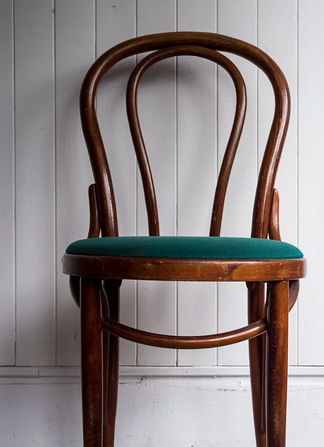

A Bent Wood Old Coffee Chair is more than a place to sit while pretending one cup of coffee will magically turn into productivity. It is a design object with history, charm, engineering, and that warm café feeling people keep trying to recreate in breakfast nooks, reading corners, and small apartments. With its graceful curved frame, lightweight build, and vintage personality, the bentwood coffee chair has earned its spot as one of the most recognizable pieces of seating in the world.
Often inspired by classic European café chairs, especially the famous Thonet-style bentwood chair, this type of chair blends old-world craftsmanship with practical everyday use. It looks delicate, but the best examples are surprisingly strong. It feels nostalgic, but it works beautifully in modern interiors. It is humble enough for a kitchen table, stylish enough for a boutique coffee shop, and photogenic enough to make your latte art feel like it needs an agent.
In this guide, we will explore what makes an old bent wood coffee chair special, how bentwood furniture became iconic, what to look for when buying vintage pieces, how to style them, and how to care for wood and cane so the chair keeps its good looks without turning into a wobbly museum exhibit in your dining room.
What Is a Bent Wood Old Coffee Chair?
A bent wood old coffee chair is typically a lightweight wooden chair made with curved wood components, often shaped through steam bending. Instead of carving curves out of thick blocks of wood, makers soften the wood with heat and moisture, bend it into a mold, and let it dry into a stable form. This method creates elegant curves with less waste and less visual heaviness.
The phrase “old coffee chair” usually refers to a vintage-style café chair, bistro chair, or dining side chair commonly used around small coffee tables, breakfast tables, and restaurant settings. Many have rounded backs, curved legs, cane seats, pressed wood seats, or woven details. The overall look is relaxed, practical, and charmingly civilized, as if the chair has overheard 10,000 conversations about books, breakups, business ideas, and whether oat milk is worth the extra dollar.
While not every bentwood chair is antique, and not every old café chair is made by Thonet, the classic bentwood silhouette is strongly linked to 19th-century café culture. That history gives the chair its identity: light, strong, easy to move, easy to pair with small tables, and visually warm without being bulky.
A Short History of Bentwood Chairs
Michael Thonet and the Steam-Bending Breakthrough
The story of bentwood furniture is closely tied to Michael Thonet, a German-Austrian cabinetmaker who helped transform furniture production in the 19th century. Before bentwood techniques became commercially successful, curved furniture parts were often carved by hand or built from layered veneers. That was slow, expensive, and not exactly friendly to mass production.
Thonet experimented with bending wood in the 1830s and later refined a process that used steam, pressure, and molds to shape solid wood. Beechwood became a favorite material because it bends well, has reliable strength, and offers a smooth, clean look once finished. The result was furniture that could be produced more efficiently, shipped more easily, and sold to a wider public.
One of the most famous designs associated with this movement is the No. 14 chair, often called the bistro chair or café chair. It used a small number of parts, a cane seat, and a simple curved frame. That simplicity was revolutionary. The chair was practical, attractive, and economical. In other words, it was the furniture version of a perfect black T-shirt: basic, useful, and somehow always stylish.
Why Cafés Fell in Love With Bentwood
Cafés and restaurants loved bentwood chairs because they solved real problems. They were light enough to move quickly, strong enough for daily use, and compact enough to fit around small tables. Their curved backs were comfortable for casual sitting, and their open frames made crowded interiors feel less cramped.
In the 19th and early 20th centuries, cafés were becoming social hubs. People gathered to read newspapers, talk politics, meet friends, write letters, and linger over coffee. The bentwood chair fit that lifestyle perfectly. It did not dominate the room. It supported the scene. It made café seating feel elegant without turning every table into a formal dining ceremony.
Key Design Features of a Bent Wood Old Coffee Chair
Curved Backrest
The most recognizable feature is the curved back. Some chairs have a simple rounded rail; others include decorative loops, fan shapes, or double hoops. These curves are not just decorative. They help create visual softness and allow the chair to feel airy rather than boxy.
Lightweight Wooden Frame
A good bentwood coffee chair is easy to lift and move. This is one reason it became popular in commercial spaces. In a home, that lightweight quality is equally useful. You can pull it into a living room when guests arrive, move it to a desk when needed, or place it beside a window for a quiet coffee moment.
Cane, Woven, or Solid Seat
Many vintage bentwood chairs feature cane seats, which add texture and flexibility. Cane also keeps the chair visually light. Other versions have solid wood seats, pressed seats with decorative patterns, or upholstered pads added later. Cane seats feel classic and breathable, while solid seats are often easier to maintain in busy households.
Warm Finish and Patina
Old bentwood chairs often develop a warm patina over time. Small marks, softened edges, and gentle color changes can make a chair feel authentic and lived-in. The trick is knowing the difference between charming age and structural damage. A scratch tells a story. A cracked joint tells you to put the chair down and back away slowly.
Why the Bent Wood Old Coffee Chair Still Works Today
Some furniture designs age like milk. Bentwood chairs age like jazz. They keep showing up because they are versatile, human-scaled, and easy to mix with different interiors. A bent wood old coffee chair can work in a farmhouse kitchen, a modern apartment, a Parisian-inspired café, a Scandinavian dining corner, or an eclectic living room.
The chair’s curves soften straight-lined interiors. Its wood tone adds warmth to white walls, concrete floors, or metal fixtures. Its vintage character helps a room feel collected rather than showroom-perfect. That matters because many people today want homes that feel personal, not like a catalog page where nobody has ever spilled coffee or lost a phone charger.
Another reason the style remains popular is sustainability. Buying or restoring an old chair keeps a usable object in circulation. Instead of replacing character with disposable furniture, you preserve craftsmanship and reduce waste. A well-made vintage chair can last for decades with basic care, occasional tightening, and a little respect.
How to Identify a Quality Old Bentwood Coffee Chair
Check the Curves
Look closely at the bent parts. Quality bentwood should have smooth curves without major splitting, flat spots, or awkward repairs. Tiny age marks are normal, but deep cracks along the bend may signal weakness.
Inspect the Joints
Gently test the chair for wobble. A slight looseness may be fixable, but severe movement at multiple joints can mean more work than the chair is worth. Check screws, bolts, braces, and areas where the legs meet the seat frame.
Look for Labels or Marks
Some antique and vintage bentwood chairs have paper labels, impressed marks, stamps, or manufacturer tags. These can help identify age, origin, and maker. However, labels often disappear over time, especially on chairs that lived hard-working lives in cafés, restaurants, or family kitchens.
Examine the Seat
If the chair has cane, check for broken strands, sagging, brittleness, or previous repairs. A slightly relaxed cane seat can sometimes be tightened, but broken cane usually needs professional recaning or replacement. If the seat is solid wood, look for splits, delamination, or poorly matched patches.
Study the Finish
A worn finish can be beautiful, but sticky residue, flaking varnish, or heavy paint may require careful restoration. Be cautious with painted antique pieces. Paint can hide repairs, insect damage, or mismatched parts. It can also reduce collectible value if the original finish was important.
Buying Tips for Vintage Bentwood Chairs
When shopping for a bent wood old coffee chair, decide first whether you want a decorative accent or a daily-use chair. A beautiful fragile chair may be perfect for a bedroom corner but not ideal for a busy kitchen where people sit, twist, lean, and occasionally use chairs in ways chairs did not consent to.
For daily use, prioritize structure over surface beauty. A dull finish can be revived; a broken frame is a bigger problem. Sit carefully if the seller allows it. Listen for creaks, feel for movement, and check whether all four legs meet the floor evenly. If the chair rocks when it is not supposed to, that is not “vintage charm.” That is a negotiation point.
For a set of chairs, compare height, seat size, color, and back shape. Mixed bentwood chairs can look fantastic around a coffee table or breakfast table, but the mix should feel intentional. Try matching either the wood tone, the silhouette, or the seat material so the group looks collected rather than rescued from five different garage sales during a thunderstorm.
Styling Ideas for a Bent Wood Old Coffee Chair
Classic Coffee Corner
Place one bentwood chair beside a small round table, add a ceramic mug, a linen napkin, and a tiny vase of flowers. Congratulations: you now have a café corner without paying café rent. This setup works beautifully near a window or in an unused kitchen nook.
Modern Minimalist Contrast
Pair a vintage bentwood chair with a sleek black, white, or stone-topped table. The contrast between old wood and modern surfaces creates balance. The chair prevents the space from feeling too cold, while the table keeps the look current.
Farmhouse and Cottage Style
Bentwood chairs look natural with farmhouse tables, butcher-block counters, open shelving, and vintage dishes. Choose warm brown finishes for a cozy look, or painted versions for a lighter cottage mood.
Small Apartment Seating
Because bentwood coffee chairs are visually light, they are excellent for compact spaces. Use one as a desk chair, dining chair, plant stand, or entryway seat. Just avoid overloading cane seats with heavy planters unless you enjoy learning furniture lessons the loud way.
How to Care for a Bent Wood Old Coffee Chair
Dust Gently and Often
Dust may look harmless, but it can be abrasive over time. Use a soft microfiber cloth to clean the wood regularly. Avoid rough pads, harsh scrubbers, or aggressive cleaning tools, especially on older finishes.
Use Minimal Moisture
Wood and excessive water are not friends. They are polite acquaintances at best. For sticky spots, use a barely damp cloth and dry the area immediately. If mild soap is needed, test it first on a hidden area, then clean gently without soaking the wood.
Protect Cane Seats
Cane needs moderate humidity to stay flexible. Keep cane chairs away from direct heat, heater vents, and long periods of harsh sunlight. Do not kneel on cane seats or use the chair as a step stool. Cane is meant to support evenly distributed seated weight, not heroic attempts to reach the top shelf.
Tighten and Repair Carefully
Loose screws or joints should be addressed early. Small problems become bigger when ignored. If the chair is valuable, antique, or structurally complex, consult a professional furniture restorer before sanding, gluing, repainting, or replacing original parts.
Common Mistakes to Avoid
One common mistake is over-restoring. Not every old chair needs to look new. In fact, removing patina can erase much of the character that made the chair appealing in the first place. Clean it, stabilize it, and protect it, but think twice before stripping the finish completely.
Another mistake is assuming all bentwood chairs are rare antiques. Many were mass-produced, and many modern reproductions exist. That does not make them bad. It simply means you should buy based on quality, condition, comfort, and price rather than romance alone.
A third mistake is using the chair beyond its condition. An old bentwood coffee chair can be sturdy, but age matters. If the joints are loose, the cane is brittle, or the frame has cracks, repair it before daily use. Your chair should support your coffee ritual, not turn breakfast into a surprise physics demonstration.
Experience Notes: Living With a Bent Wood Old Coffee Chair
Living with a bent wood old coffee chair teaches you something that glossy furniture ads rarely mention: the best furniture does not always shout. Sometimes it simply waits in the corner, looking useful, graceful, and slightly wiser than the rest of the room. A vintage bentwood chair has that quiet confidence. It does not need thick upholstery, oversized arms, or dramatic hardware. Its personality comes from proportion, curve, material, and age.
One of the first experiences people notice is how easily the chair moves. In a kitchen or small apartment, that matters. You can pull it to the table for breakfast, slide it beside the sofa for guests, or carry it to a balcony for morning coffee. Unlike heavy dining chairs that feel like moving small farm animals, a bentwood chair is light enough to be useful every day.
The second experience is visual warmth. Even a simple old coffee chair can make a room feel more human. Place it beside a modern table and the space immediately feels less sterile. Put it near bookshelves and it becomes a reading chair. Add a woven cushion and it feels softer without losing its shape. The chair adapts, which is why designers keep using bentwood seating in homes, cafés, studios, and boutique spaces.
There is also a tactile pleasure to old wood. The curve of the backrest, the rounded edge of the seat frame, the small worn areas where hands have touched the chair over timethese details create a sense of continuity. New furniture can be beautiful, but old furniture often feels like it has already learned how to belong somewhere.
Of course, owning one is not all poetry and espresso. Vintage bentwood chairs ask for a little attention. You may need to tighten a screw, protect the cane, add felt pads under the legs, or remind guests that the chair is not a ladder. If the cane seat sags, you may need a cushion or professional recaning. If the finish looks dry, gentle cleaning and conditioning can help. The chair rewards small acts of care.
The best use of a bent wood old coffee chair is not necessarily as part of a perfect matching set. Sometimes one chair is enough. It can sit at a writing desk, hold a folded throw in a bedroom, or become the unofficial “coffee chair” where you sit for ten minutes before the day starts making demands. In that role, it becomes more than décor. It becomes a tiny daily ritual with legs.
Perhaps that is why these chairs remain loved. They are practical, but they also carry atmosphere. They suggest cafés, conversations, handwritten notes, slow mornings, and rooms that were assembled over time. A good bentwood chair does not just fill space. It gives the space a memory, even if you bought it last weekend.
Conclusion
The Bent Wood Old Coffee Chair remains a classic because it combines beauty, utility, and history in one compact form. Its curved frame reflects a major breakthrough in furniture making, while its café-friendly shape continues to feel relaxed and relevant. Whether you choose an authentic antique, a vintage café chair, or a well-made reproduction, the appeal is the same: graceful lines, everyday usefulness, and a warm character that makes a room feel instantly more inviting.
For buyers, the smartest approach is to look beyond surface charm. Check the structure, joints, seat condition, and finish before bringing one home. For owners, gentle cleaning, moisture control, and careful cane care will help preserve the chair’s life. And for decorators, the bentwood chair is wonderfully flexible. It can make a modern room warmer, a farmhouse kitchen more authentic, and a small coffee corner feel like the best seat in town.
In a world full of oversized furniture and short-lived trends, the bent wood old coffee chair proves that simple design can have serious staying power. It is light, lovely, practical, and quietly iconic. Not bad for a chair that also holds your coffee break.
SEO Tags
Note: This article was created from synthesized historical, museum, design, and furniture-care information and rewritten in original standard American English for web publication.


