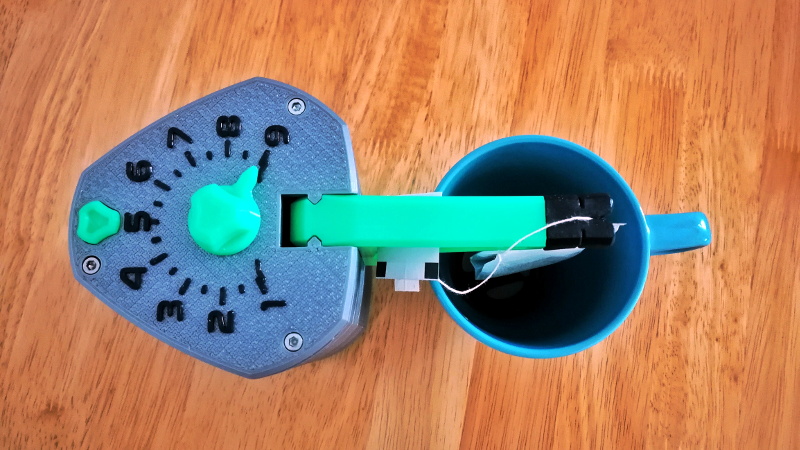

Tea is supposed to be relaxing. Yet somehow, the act of making it can turn into a tiny kitchen drama. You boil the water, forget the ue, and then quietly blame the tea like it personally betrayed you. The good news? The smart kitchen has finally noticed our suffering. Enter the tea robot: an automatic tea maker designed to watch the clock, control the water temperature, manage steeping time, and rescue your cup from becoming bitter leaf soup.
The idea behind “No Need To Watch Your Tea, This Robot Does It For You” is simple but surprisingly powerful. A robotic tea maker or smart tea brewer handles the fussy parts of tea preparation so you can enjoy the good part: drinking it. Whether it is a full-featured machine like a one-touch tea maker, an app-connected smart infuser, or a playful DIY robot that dips a tea bag on schedule, tea automation is changing how people think about this ancient drink.
And no, this is not just a gadget for people who own three smart speakers and ask their refrigerator for emotional support. Automatic tea makers solve a real problem: tea is sensitive. Green tea hates boiling water. Black tea wants a stronger approach. Herbal tea often needs more time. Oolong sits somewhere in the middle like the mysterious friend who never gives a straight answer. A tea robot can help bring consistency to all of it.
What Is a Tea Robot?
A tea robot is any automated device that prepares tea with little human supervision. Some versions are simple: a mechanical arm lowers a tea bag into hot water, stirs it, waits for the correct steeping time, and lifts it out. Other machines are more advanced, using temperature sensors, programmable settings, water flow control, app connectivity, and preset brewing profiles for black, green, white, oolong, and herbal teas.
In everyday terms, it is like having a tiny tea butler on your counter. It does not wear white gloves, sadly, but it also does not judge you for drinking chamomile at 2 p.m. while pretending to be productive.
How Automatic Tea Makers Work
Most smart tea brewers focus on three core brewing variables: water temperature, steeping time, and tea-to-water ratio. These are the details that determine whether your cup tastes smooth, fragrant, grassy, floral, rich, or like something you found in a rain gutter.
A typical automatic tea maker may include:
- A water reservoir or kettle chamber
- A tea basket, infuser, or brewing compartment
- Programmable temperature controls
- Automatic steeping timers
- Preset modes for different tea types
- Keep-warm functions
- Self-cleaning or rinse cycles on premium models
- App control or barcode scanning on some smart systems
The basic process is beautifully lazy. You add water, add tea leaves or a tea bag, choose the type of tea, press a button, and let the machine handle the rest. Some systems heat the water first, then lower the tea basket automatically. Others use controlled infusion cycles to move water through the leaves. The best models aim to mimic what a knowledgeable tea drinker would do manually, except without wandering off to check one text message and returning 11 minutes later to a mug of regret.
Why Tea Is Harder to Brew Than It Looks
Tea looks simple because the ingredients are minimal: leaves and water. But simplicity is sneaky. The quality of a cup depends heavily on how those leaves meet that water. Too hot, and delicate green tea can taste harsh or grassy. Too cool, and black tea may seem thin. Too short, and herbal tea may taste like warm optimism. Too long, and tannins can take over, leaving your mouth feeling like it just argued with a chalkboard.
Different teas need different treatment. Green tea often performs best at lower temperatures than black tea. White tea is delicate and benefits from gentle handling. Oolong can vary widely depending on oxidation and roasting style. Herbal infusions usually need hotter water and longer steeping because they are made from flowers, roots, spices, fruits, or herbs rather than traditional Camellia sinensis tea leaves.
This is where a robotic tea maker becomes useful. Instead of asking your sleepy morning brain to remember whether jasmine green needs 175°F or “whatever the kettle feels like,” the machine can use a preset. That gives you a better chance of making the same satisfying cup every time.
The Rise of Smart Tea Brewers
Tea automation fits into a broader trend: smart kitchen appliances are becoming more common because people want convenience without giving up quality. Coffee has had this treatment for years. Espresso machines, pod brewers, smart grinders, programmable drip makers, and cold brew systems have all enjoyed their moment in the countertop spotlight. Tea, meanwhile, has often been left with a kettle and a shrug.
That is changing. Smart tea machines now offer features that once sounded like science fiction for leaf water. Some products can automatically adjust steeping time and temperature. Others allow users to customize strength. Some machines work with loose-leaf tea, tea bags, or herbal blends, which is important because tea drinkers are not one-size-fits-all people. A serious loose-leaf drinker and a “whatever bag is in the office drawer” drinker both deserve dignity.
Examples of Modern Tea Automation
The Breville One-Touch Tea Maker is one of the best-known examples of a premium automatic tea maker. It uses a moving tea basket that lowers and lifts automatically, helping control the infusion process. It also includes tea-type settings and keep-warm features, making it useful for people who want precision without turning tea into a science fair project.
Teforia took a more high-tech approach with smart infusion, tea recognition, and brewing parameters designed to bring out ideal flavor. Its concept showed how far tea automation could go when software, sensors, and tea knowledge are combined. Even though the smart tea market has had its ups and downs, Teforia helped prove that people are interested in a machine that understands tea better than the average rushed human.
The BRU Maker One represents another direction: a countertop automatic tea machine designed to work with loose-leaf tea, tea bags, and infusions. It focuses on convenience, customization, and repeatable brewing. Machines like this are especially appealing to households where several people drink different kinds of tea and nobody wants to babysit the kettle like it is a suspicious toddler.
There are also simpler DIY tea robots built with small motors, timers, and microcontrollers. These projects may dip and lift a tea bag automatically, stir during steeping, and alert the user when the tea is ready. They are charming because they solve the same problem in a delightfully nerdy way: tea should not require surveillance.
Benefits of a Tea Robot
1. Better Consistency
The biggest benefit of an automatic tea maker is consistency. If you love a certain black tea at two and a half minutes, or a green tea at a lower temperature, a programmable machine can repeat that routine. This matters because small changes can create big flavor differences. Humans are wonderfully creative, but we are not always reliable timers before breakfast.
2. Less Bitterness
Over-steeping is one of the most common tea mistakes. A robotic tea maker can lift the basket or stop infusion at the right time, reducing bitterness and astringency. It is basically a bouncer for your tea leaves: “You’ve had your time in the water, buddy. Let’s go.”
3. Better Use of Loose-Leaf Tea
Loose-leaf tea can taste richer and more complex than many standard tea bags, but some people avoid it because it feels inconvenient. A smart tea brewer makes loose-leaf tea easier by automating the steeping process. You still get the aroma, texture, and flavor of whole leaves, but without juggling strainers, timers, and sink cleanup like a caffeinated circus act.
4. Convenience for Busy Mornings
Morning routines can be chaotic. A tea robot lets you set up your tea, press a button, and move on. Some models include auto-start or keep-warm functions, meaning your tea can be ready when you are. That is a small luxury, but small luxuries are what keep many people from emotionally collapsing into a laundry basket.
5. Great for Shared Spaces
Offices, coworking spaces, waiting rooms, hotels, and cafes can benefit from automated tea systems. A machine that brews tea consistently can reduce staff time and improve the user experience. In commercial settings, tea robots may also support customization, letting users choose blends, strength, and cup size.
What to Look for in an Automatic Tea Maker
Not every smart tea brewer is worth your counter space. Some are truly helpful, while others are just expensive kettles wearing a tech costume. Before buying a robotic tea maker, consider the features that actually matter.
Temperature Control
Temperature control is essential. Look for a machine that lets you select specific temperatures or at least choose presets for green, black, white, oolong, and herbal tea. The more control you have, the better your results will be.
Adjustable Steeping Time
Tea strength depends largely on steeping time. A good automatic tea maker should allow you to customize the brew duration. Presets are useful, but personal taste still matters. Some people like a bold breakfast tea. Others want a lighter cup that does not arrive wearing steel-toed boots.
Loose-Leaf Compatibility
If you enjoy premium tea, make sure the machine works well with loose leaves. A spacious infuser is important because tea leaves need room to expand. Crowded leaves produce flat flavor, like a band trying to perform inside an elevator.
Ease of Cleaning
Tea stains. Tea leaves cling. Herbal blends shed tiny mysterious particles. A machine with removable parts, rinse cycles, or dishwasher-safe components can save you time. If cleaning the tea robot is harder than making tea by hand, the robot has failed its one job.
Countertop Size
Smart appliances can multiply quickly. First it is a tea maker, then an air fryer, then a blender, then a gadget that spiralizes vegetables you never planned to eat. Measure your space before buying. A compact tea brewer may be better for small kitchens, dorm rooms, or office corners.
Is a Tea Robot Better Than a Kettle?
A tea robot is not automatically better than a kettle. It depends on how you drink tea. If you make one basic tea bag occasionally and do not care about timing, a regular electric kettle may be enough. But if you drink tea daily, enjoy different varieties, use loose-leaf tea, or want reliable flavor, an automatic tea maker can be a real upgrade.
A kettle heats water. A tea robot manages the brewing process. That difference matters. The kettle says, “Here is hot water. Good luck.” The tea robot says, “I know what to do with this sencha, please step aside.”
Best Uses for a Robotic Tea Maker
A smart tea brewer shines in situations where precision and convenience overlap. It is ideal for green tea lovers who want to avoid bitterness, black tea drinkers who prefer consistent strength, office workers who want a reliable afternoon cup, and loose-leaf beginners who feel intimidated by brewing instructions.
It is also great for people trying to reduce coffee intake without giving up a warm ritual. Tea usually contains less caffeine than coffee, though the amount varies by type, serving size, and brewing method. Black tea often has more caffeine than green tea, while herbal infusions are usually caffeine-free unless they include naturally caffeinated plants such as yerba mate or yaupon.
Parents, students, remote workers, and anyone with a scattered schedule may appreciate the hands-off nature of an automatic tea maker. It does not eliminate the ritual of tea; it simply removes the part where you stare at a mug for four minutes like you are guarding treasure.
Does Automation Ruin the Tea Ritual?
Some tea lovers may argue that automation removes the soul from tea. That is a fair concern. Traditional tea preparation can be meditative. Measuring leaves, warming the pot, watching steam rise, and pouring carefully can feel grounding. A robot cannot replace that emotional experience.
But automation does not have to destroy ritual. It can support it. Think of a tea robot as a tool, not a replacement for appreciation. You can still choose beautiful leaves, smell the dry tea, select the right cup, and pause while drinking. The machine simply helps with accuracy.
For many people, convenience is what makes the ritual possible. A busy person may not have time for a full tea ceremony, but they may have time to load a smart tea brewer and enjoy a better cup while answering emails. That still counts. Peace does not always arrive wearing ceremonial robes. Sometimes it arrives in a mug next to a laptop.
Experience Section: Living With the Idea of a Tea Robot
The first thing you notice when using an automatic tea maker is how much mental space it gives back. Manual tea brewing is not difficult, but it is oddly easy to mess up. You start with good intentions. You tell yourself, “I will steep this green tea for exactly three minutes.” Then life happens. A notification appears. The dog barks. Someone asks where the scissors are, as if you are the national scissors archive. Suddenly, your delicate green tea has turned into something that tastes like boiled lawn clippings.
With a tea robot, that drama disappears. You choose the setting, press start, and walk away. The machine becomes the responsible adult in the room. It heats the water to the right range, controls the contact between water and tea, and stops the brew when the time is up. The result is not just convenient; it feels calmer. You are no longer negotiating with a timer. You are simply waiting for a cup that has a much better chance of tasting the way it should.
The biggest practical improvement is consistency. When you brew by hand, your results can change from day to day. Maybe you used too much tea yesterday. Maybe today’s water was too hot. Maybe you squeezed the tea bag like it owed you money. A smart tea brewer reduces those little mistakes. Over time, you learn which settings match your taste. A breakfast black tea might need a stronger setting. A jasmine green might need gentler heat. A peppermint infusion might need extra time to fully open up.
Another experience that stands out is how much easier loose-leaf tea becomes. Many people buy loose-leaf tea with great enthusiasm, then abandon it because the process feels messy. The tin looks elegant. The leaves smell amazing. Then you remember you need an infuser, a timer, a kettle, a clean mug, and the emotional strength to wash everything afterward. A tea robot lowers that barrier. It makes loose-leaf tea feel less like a weekend hobby and more like a weekday pleasure.
In a shared home or office, the benefits become even clearer. One person wants strong black tea. Another wants green tea. Someone else wants herbal tea and insists it helps them “reset,” which may or may not mean avoiding responsibilities for seven minutes. A programmable tea maker can handle those preferences without requiring everyone to become a tea expert. The machine does not roll its eyes. It simply brews.
There are still a few realities to accept. A tea robot needs cleaning. It takes up space. Premium models can cost more than a basic kettle. And if you enjoy the slow, hands-on beauty of traditional tea preparation, automation may feel too mechanical for special moments. But for daily use, the convenience is hard to ignore. It turns tea from “one more thing to manage” into a small automatic reward.
The best experience is the simplest one: hearing the machine finish and realizing you did not have to watch anything. No over-steeped leaves. No forgotten mug. No cold water. Just tea, ready when you are. It feels like a tiny victory over chaos, and frankly, most kitchens could use more of those.
Final Thoughts: The Future of Tea Is Hands-Free
“No Need To Watch Your Tea, This Robot Does It For You” sounds playful, but it points to a real shift in how people use kitchen technology. A tea robot is not just a novelty. It is a practical response to a drink that rewards precision. By controlling water temperature, steeping time, and infusion, an automatic tea maker can help more people enjoy better tea with less effort.
For casual tea drinkers, a smart tea brewer offers convenience. For loose-leaf fans, it offers repeatability. For busy households and offices, it offers consistency. And for anyone who has ever forgotten a tea bag until the mug looked like a swamp with ambition, it offers redemption.
The future of tea does not have to be cold, robotic, or soulless. It can be warm, fragrant, and surprisingly charming. The robot handles the details. You enjoy the cup. Honestly, that sounds like a fair division of labor.
Note: This article synthesizes real information from reputable tea, health, kitchen appliance, and smart home technology sources. Source links are intentionally excluded for clean web publishing.


