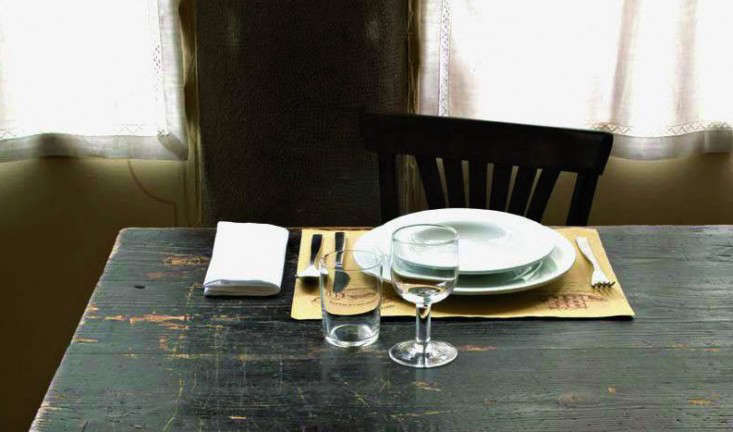

Dinnerware has a funny way of becoming complicated. One day you buy four white plates. Two birthdays, one holiday sale, and one “this bowl looks cute” moment later, your cabinet resembles a ceramic traffic jam. There are oversized pasta bowls, delicate saucers nobody trusts, mugs with personalities, and one mysterious tiny plate that may be for bread, jewelry, or emotional support crackers.
That is exactly why the idea of Dinnerware Simplified, Jasper Morrison Edition feels so refreshing. Morrison, the British designer known for quiet, useful, beautifully restrained objects, has built a career around making everyday things better without making them shout. His work in tableware, especially collections such as PlateBowlCup for Alessi and Raami for Iittala, proves that a table does not need theatrical drama to feel elegant. Sometimes it just needs the right plate, a good bowl, a glass that behaves, and a cup that does not look like it is auditioning for a museum label.
This guide explores Jasper Morrison dinnerware through the lens of simplicity: what makes it work, why “Super Normal” design matters, how to build a calmer table, and how this approach can make everyday meals feel more intentional. Not fancier. Not fussier. Just better.
What “Jasper Morrison Edition” Really Means
Jasper Morrison’s design language is often described as minimalist, but that word only tells half the story. Minimalism can sometimes feel cold, like a room where even the fruit bowl is afraid to breathe. Morrison’s work is different. It is pared down, yes, but it is also warm, familiar, and quietly human.
His famous idea of “Super Normal” design, developed in conversation with Japanese designer Naoto Fukasawa, celebrates objects that become valuable through use. These are not objects that beg for compliments the moment guests enter the room. They are objects that quietly earn affection because they function well, feel natural, and become part of daily life. In dinnerware terms, that means plates that stack properly, bowls that suit more than one meal, glasses that work for water and wine, and cups that feel right in the hand before you have had enough coffee to form opinions.
The Beauty of Ordinary Things Done Extremely Well
There is a reason Jasper Morrison’s tableware does not look like a design stunt. The shapes are simple because the job is simple: hold food, support a meal, create a pleasant atmosphere, and then survive the dishwasher without turning dinner into a ceramics rescue mission.
His work shows that ordinary dinnerware can still feel refined when the proportions are thoughtful. A dinner plate can be plain but not boring. A bowl can be modest but not generic. A glass can be basic but still elegant. This is the sweet spot of Morrison’s approach: usefulness with just enough poetry to make the object feel considered.
PlateBowlCup: The Case for a Daily Table That Makes Sense
One of the clearest examples of Morrison’s simplified dinnerware philosophy is PlateBowlCup, designed for Alessi. The name itself sounds almost comically direct, as if someone looked at the chaos of the tabletop industry and said, “Let us begin with nouns.” But that directness is the point.
The collection focuses on essential white porcelain pieces: plates, bowls, cups, saucers, and serving pieces designed for daily use. The forms are clean, the edges are subtle, and the overall impression is calm. It is dinnerware that does not try to control the mood of the table. Instead, it makes space for the food, the people, and the conversation.
Why White Porcelain Still Works
White dinnerware may sound predictable, but predictable is not always an insult. In the kitchen, predictability can be a blessing. White porcelain works with nearly every kind of food, from tomato pasta to roasted vegetables to takeout sushi eaten with the seriousness of a royal banquet. It reflects light, frames color well, and does not compete with sauces, herbs, or that one friend who photographs every meal from three angles.
Morrison’s white dinnerware is not about being plain for the sake of being plain. It is about removing distractions. The plate becomes a useful background, not the headline. That is exactly what good everyday dinnerware should do.
The Genius of Not Overdesigning
Overdesigned dinnerware can be exhausting. Plates with wild rims may look fun in a showroom but become awkward when you are trying to stack them. Bowls with dramatic shapes may photograph well but spill soup like they have personal issues. Cups that are too sculptural often punish the person simply trying to drink tea.
PlateBowlCup avoids that trap. Its strength is restraint. It is elegant because it is not trying too hard. It understands the table as a working environment, not a stage set. That makes the collection especially useful for people who want dinnerware that can handle breakfast, lunch, dinner, snacks, guests, and the occasional midnight cereal situation.
Raami: A Softer, Warmer Kind of Simplicity
If PlateBowlCup is Morrison’s study in porcelain clarity, Raami for Iittala is his meditation on atmosphere. The word “Raami” means “frame” in Finnish, and the collection is designed to frame shared moments around the table. It includes ceramic, glass, and wood pieces that work together without looking overly matched.
This is an important distinction. A perfectly matching table can sometimes feel stiff, as if every bowl received an instruction manual before dinner. Raami is more relaxed. The pieces have a family resemblance, but they are not identical twins wearing uniforms. Glass, ceramic, and wood bring different textures to the table, making the setting feel lived-in and approachable.
Creating Atmosphere Without Clutter
Raami shows how simplified dinnerware does not have to mean sterile dinnerware. The collection’s magic is in the balance between order and warmth. The pieces are simple enough to use daily but distinctive enough to make a table feel composed. A clear glass bowl can serve fruit in the morning, salad at lunch, and dessert at night. A ceramic plate can sit comfortably beside wood serving pieces without needing a decorator to supervise.
The result is an easy, modern table setting that feels intentional without being precious. It says, “Dinner is ready,” not “Please admire my tablescape and nobody touch anything.”
How to Build a Simplified Dinnerware Set
You do not need a warehouse of plates to have a beautiful table. In fact, too many options can make everyday meals harder. The Jasper Morrison approach suggests a smarter way: choose fewer pieces that do more work.
Start With the Daily Heroes
A simplified dinnerware set should begin with the pieces you actually use. For most households, that means dinner plates, smaller plates, medium bowls, mugs or cups, and a few serving pieces. Everything else should earn its place. If a dish only appears once a year and spends the rest of its life buried behind a fondue pot, it may not be a tableware essential. It may be ceramic clutter with excellent hiding skills.
Choose shapes that can cross categories. A low bowl can handle pasta, grain bowls, soup, salad, and dessert. A small plate can work for bread, breakfast, snacks, or cake. A simple serving platter can hold vegetables, roast chicken, sandwiches, or a dramatic pile of cookies when morale requires it.
Keep the Color Palette Calm
Jasper Morrison dinnerware often works because it does not overwhelm the table visually. White, off-white, clear glass, pale wood, and muted tones create flexibility. A calm base lets you change the mood with food, linens, flowers, or candles instead of needing a separate dinnerware set for every season.
This does not mean color is forbidden. It simply means color should be deliberate. If your plates are quiet, a bright salad looks brighter. If your bowls are neutral, a deep red soup looks richer. If your glasses are clear and well proportioned, the table feels lighter. Simplicity is not the absence of style. It is style that knows when to stop talking.
Think About Stacking, Washing, and Replacing
Beautiful dinnerware that refuses to stack is a tiny domestic villain. Before buying any set, think about how it lives in your real kitchen. Does it fit your cabinets? Can it go in the dishwasher? Is it microwave-safe if you rely on reheating leftovers? Can you replace one plate if it breaks, or must you mourn the whole set like a tragic opera?
Morrison’s tableware philosophy makes these practical questions feel central rather than boring. Good design is not only about how an object looks on a styled table. It is about how it behaves on a Tuesday night when someone is hungry, the sink is full, and the dishwasher is already negotiating overtime.
Why Simplified Dinnerware Feels More Modern
Modern living often involves smaller kitchens, open shelving, mixed schedules, and meals that range from home-cooked dinners to elegantly plated leftovers. A simplified dinnerware set supports that reality. It reduces visual noise, saves space, and makes the everyday table feel more polished without extra effort.
This is especially useful in apartments, city homes, and compact kitchens where storage is precious. A Morrison-inspired table does not require endless accessories. It asks for strong basics: pieces that are versatile, durable, and pleasant to use. The reward is a cabinet that opens without causing a landslide.
Jasper Morrison and the Anti-Trend Table
Trends are fun, but dinnerware trends can age quickly. Today’s must-have glaze can become tomorrow’s “Why did I buy twelve plates that look like storm clouds?” Morrison’s work avoids this problem by stepping around fashion rather than chasing it.
His dinnerware feels current because it is not trying to look current. The forms are rooted in usefulness, proportion, and familiarity. That gives them staying power. A plain white plate with the right curve can outlast a dozen novelty patterns. A well-shaped glass can survive years of changing décor. A simple cup can become the one everyone reaches for, which is the highest honor a cup can receive in a household democracy.
Specific Examples of a Morrison-Inspired Table
Imagine a weekday breakfast: a simple ceramic plate, a clear tumbler, a small bowl for yogurt, and a cup of coffee. Nothing matches aggressively, but everything belongs. The table feels calm before the day has had a chance to misbehave.
Now imagine a casual dinner: white plates, low bowls for pasta, a glass serving bowl for salad, and a wooden board for bread. Add linen napkins if you are feeling civilized. Add paper towels if life is moving fast. Either way, the table still works because the foundation is simple.
For guests, the same pieces can be elevated with candles, flowers, or a good serving platter. The dinnerware does not need to be replaced for entertaining. It simply needs to be arranged with a bit more care. That is the true advantage of simplified design: it scales from daily life to special occasions without requiring a second personality.
How to Shop for Dinnerware the Jasper Morrison Way
When shopping for simplified dinnerware, do not begin with the question, “What looks impressive?” Begin with, “What will I still enjoy using five years from now?” That question changes everything.
Look for clean shapes, comfortable weight, good stacking, useful sizes, and materials that suit your habits. Porcelain is crisp and durable. Stoneware can feel warm and casual. Glass adds lightness. Wood brings texture. The Morrison mindset is not about buying only one brand or collection; it is about choosing objects that improve daily life without demanding constant attention.
A Practical Starter Formula
For a household of two to four people, a smart simplified set might include eight dinner plates, eight small plates, eight versatile bowls, four to eight mugs or cups, a few clear glasses, one large serving platter, one medium serving bowl, and one wooden or neutral-toned serving piece. That is enough for most meals and small gatherings without turning your cabinets into a dinnerware archive.
If you entertain often, add slowly. Buy pieces that extend the system rather than disrupt it. The goal is not to own every possible object. The goal is to own the right objects and use them often.
The Emotional Side of Simple Dinnerware
Simple dinnerware can change how a meal feels. When the table is visually calm, the food becomes more inviting. When the pieces are easy to use, serving feels less fussy. When the cabinet is not overcrowded, setting the table becomes less of a puzzle and more of a habit.
This is where Jasper Morrison’s design philosophy becomes more than an aesthetic. It becomes a way of making daily life smoother. The best dinnerware is not the set that receives the most compliments. It is the set that disappears into good meals, good conversations, and the quiet rhythm of home.
Experiences Related to Dinnerware Simplified, Jasper Morrison Edition
The first time you simplify your dinnerware, the change may feel almost suspiciously small. No walls are knocked down. No dramatic renovation montage begins. You simply remove the plates you never use, stack the bowls that actually make sense, and keep the pieces that feel good in the hand. Then one morning, while making toast or pouring coffee, you notice that the cabinet is no longer arguing with you. This is the kind of domestic victory that deserves a tiny parade, preferably with butter.
A Morrison-inspired approach works especially well because it respects real life. In real life, people eat soup from bowls that also held popcorn the night before. They serve pasta on the same plates used for pancakes. They drink sparkling water from glasses that may later hold iced tea. The beauty of simplified dinnerware is that it does not judge. It adapts.
One useful experience is hosting a casual dinner with fewer pieces than usual. Instead of pulling out “guest plates” that have been sleeping since the last major holiday, use your everyday plates and make the table warm with lighting, napkins, and shared dishes. The result often feels more relaxed. Guests are not afraid of the table. Nobody whispers, “Is this plate expensive?” before cutting into roasted vegetables. The meal becomes about eating, not performing.
Another experience comes from living with white or neutral dinnerware for several weeks. At first, it may seem too simple. Then you begin to see how flexible it is. Scrambled eggs look cheerful. Green salad looks fresh. Soup looks deeper and richer. Even takeout looks more intentional when transferred from plastic containers to clean, well-shaped bowls. This does not magically turn delivery noodles into fine dining, but it does give them dignity. Sometimes dinner just needs a bowl with manners.
Simplified dinnerware also makes cleanup easier. When pieces stack neatly and serve multiple purposes, there is less cabinet chaos and fewer awkward leftovers of a half-used set. You stop saving plates “for special” and start enjoying them daily. This shift matters. Objects used every day should not be second-best. They should be the best you can reasonably choose, because they shape the ordinary moments that make up most of life.
The Jasper Morrison edition of dinnerware simplicity is not about copying a catalog page. It is about learning to value quiet usefulness. A good plate should make food look appealing. A good bowl should feel natural to hold. A good glass should not need an explanation. These things sound basic because they are basic, and that is exactly why they matter. When dinnerware does its job beautifully, the meal feels easier, the table feels calmer, and your home feels just a little more thoughtfully put together.
Conclusion: The Best Tableware Knows When to Be Quiet
Dinnerware Simplified, Jasper Morrison Edition is not a call to make your table boring. It is an invitation to make it clearer, calmer, and more useful. Morrison’s work reminds us that design does not have to be loud to be meaningful. Sometimes the most successful object is the one you reach for without thinking because it always feels right.
Whether you are inspired by Alessi’s PlateBowlCup, Iittala’s Raami, or simply the broader Super Normal idea, the lesson is practical: buy fewer things, choose them better, and let everyday meals become the main event. Your dinnerware does not need to steal the show. It just needs to hold the pasta, frame the salad, survive the dishwasher, and make the table feel quietly complete.
Note: This article is written for web publication and synthesizes real design information about Jasper Morrison, his Super Normal philosophy, and his known tableware collaborations, while avoiding unnecessary source-link clutter in the body content.


