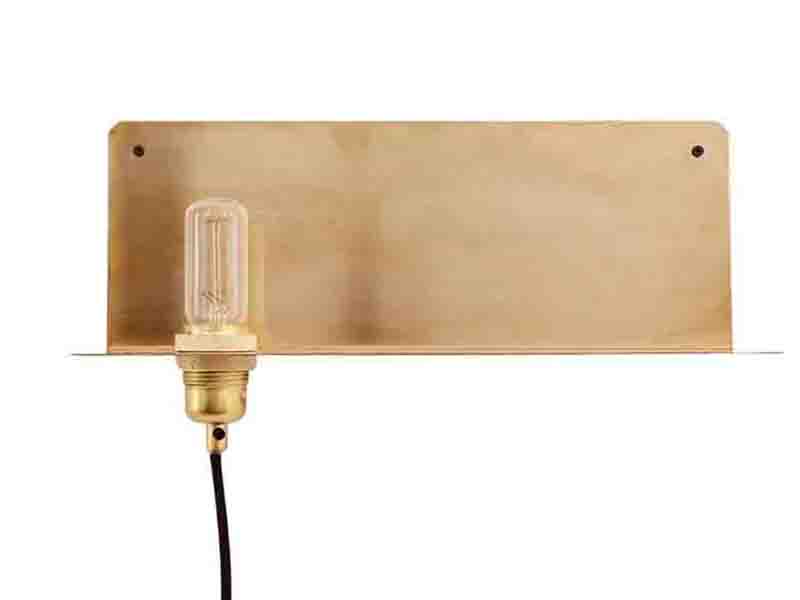

A 90 degree plug-in wall sconce sounds like something an electrician, a geometry teacher, and a home decorator invented during a coffee break. But in real life, it is one of the most practical lighting upgrades you can make without turning your wall into a drywall crime scene. Whether you mean a wall sconce with a right-angle arm, a plug-in fixture that projects neatly from the wall, or a swing-arm lamp that can bend and aim at 90 degrees, the idea is simple: convenient wall lighting with no hardwiring required.
Plug-in wall sconces have become popular because they solve a very modern problem: we want layered, stylish lighting, but we do not always want to hire an electrician, patch holes, repaint walls, or explain to a landlord why there is suddenly a junction box where there used to be beige paint. A 90 degree plug-in wall sconce gives you the polished look of mounted lighting with the flexibility of a table lamp. It can brighten a reading nook, replace a bedside lamp, frame a sofa, highlight artwork, or rescue a dark hallway from looking like the opening scene of a mystery movie.
What Is a 90 Degree Plug-In Wall Sconce?
A 90 degree plug-in wall sconce is a wall-mounted light fixture designed to plug into a standard outlet instead of being wired directly into your home’s electrical system. The “90 degree” part usually refers to the shape or movement of the fixture. Some sconces have an L-shaped arm that extends from the wall at a right angle. Others have adjustable joints or swing arms that let you position the shade or lamp head at a 90 degree angle for reading, task lighting, or focused illumination.
Unlike a hardwired wall sconce, a plug-in sconce uses a visible cord. That cord may hang straight down, run through a decorative cord cover, or be integrated into the design. Many modern plug-in sconces now treat the cord as part of the style instead of pretending it does not exist. A fabric-wrapped cord, brass cord channel, matte black stem, or paintable cover can make the fixture feel intentional rather than temporary.
Why Plug-In Wall Sconces Are So Popular
The big appeal is freedom. A plug-in wall sconce can be installed in many rooms without opening the wall. That makes it ideal for renters, dorm rooms, apartments, guest bedrooms, older homes, and anyone who enjoys beautiful lighting but does not enjoy electrical invoices.
Another advantage is flexibility. If you rearrange the room, you can move the sconce. If you change your bed size, swap the sofa, or decide your reading chair belongs in a different corner because the cat has claimed the old one, a plug-in fixture can usually come along for the journey. Hardwired sconces look seamless, but plug-in sconces win the “I changed my mind again” competition.
Best Uses for a 90 Degree Plug-In Wall Sconce
A right-angle plug-in sconce works especially well where direct, controlled light matters. In a bedroom, it can sit beside the bed and free up nightstand space. In a living room, it can extend over a chair for reading. In a home office, it can provide task lighting without crowding the desk. In an entryway, it can create a warm welcome without installing overhead lighting. In a hallway, a pair of plug-in sconces can add character and reduce that “forgotten tunnel” feeling.
Adjustable 90 degree sconces are also useful in small spaces. A table lamp needs a surface. A floor lamp needs floor area. A wall sconce politely stays out of the way, which is why it works beautifully in compact bedrooms, studio apartments, tiny reading corners, and narrow rooms where every inch has a job.
Plug-In vs. Hardwired Wall Sconces
The choice between plug-in and hardwired sconces depends on budget, permanence, and appearance. A hardwired sconce connects directly to electrical wiring inside the wall. It usually looks cleaner because there is no visible cord. However, installation may require an electrician, a junction box, wall repair, and careful placement before the fixture goes up.
A plug-in wall sconce mounts to the wall and plugs into an outlet. It is easier to install, easier to relocate, and usually more renter-friendly. The trade-off is the cord. If the cord bothers you, choose a sconce with a cord cover, a decorative cord, or a design that hides the wire inside a vertical stem. In many rooms, a neat cord cover painted the same color as the wall looks surprisingly finished. It is not magic, but it is close enough to make your guests think you planned ahead.
How to Choose the Right 90 Degree Plug-In Wall Sconce
1. Check the Arm Style
If you want focused task lighting, look for an adjustable arm, swing arm, or pivoting head. A fixed 90 degree arm is great for clean architectural style, while a swing-arm wall lamp offers more movement. For bedside reading, an articulated arm lets you pull the light closer when needed and push it back when you are done. This is helpful if one person reads while the other person is trying to sleep and silently questioning every page turn.
2. Measure the Projection
Projection is how far the sconce extends from the wall. A compact sconce may project only a few inches, while a swing-arm model may extend 12 to 24 inches or more. For tight hallways, keep the projection slim so people do not bump into it. For reading chairs and beds, a longer arm can be useful because it brings light directly over the page, laptop, or craft project.
3. Choose the Right Shade
The shade affects both style and performance. A fabric shade creates a soft glow and works well in bedrooms and living rooms. A metal shade directs light downward or sideways, making it better for reading and task lighting. A glass shade can feel airy and modern, though clear glass may create more glare if the bulb is exposed. If glare annoys you, choose frosted glass, an opaque shade, or a lower-lumen bulb.
4. Look at the Switch Location
Plug-in sconces may have an inline cord switch, a switch on the backplate, a pull chain, a rotary dimmer, or smart-bulb compatibility. For bedside use, make sure the switch is reachable from bed. A beautiful lamp with a switch you must perform yoga to reach is not a lighting solution; it is a nightly flexibility test.
5. Match the Finish to Your Room
Black, brass, bronze, nickel, chrome, white, and antique finishes are common. Matte black looks modern and graphic. Brass feels warm and classic. Nickel and chrome suit contemporary or transitional rooms. White disappears against pale walls. For a cohesive look, coordinate the sconce finish with nearby hardware, curtain rods, furniture legs, or picture frames. It does not need to match perfectly, but it should look like it was invited to the same party.
Bulb Choice: Brightness, Color Temperature, and Mood
The best 90 degree plug-in wall sconce can still disappoint if you put the wrong bulb in it. For most homes, LED bulbs are the smart choice because they use less energy and last longer than old-style incandescent bulbs. Instead of choosing by watts alone, look at lumens. Lumens measure brightness. A soft accent sconce may only need 300 to 500 lumens, while a reading sconce may work better around 450 to 800 lumens depending on shade design and distance.
Color temperature matters too. Warm white light around 2700K to 3000K is cozy and flattering for bedrooms and living rooms. Neutral white around 3500K can work in offices or task areas. Daylight bulbs around 5000K may be useful for detail work, but in a bedroom they can feel a bit like being interrogated by a very efficient refrigerator. For relaxing spaces, warmer is usually better.
If your sconce includes a dimmer, use a dimmable LED bulb that is compatible with the fixture. Not all LED bulbs behave nicely with all dimmers. The wrong pairing can cause flicker, buzzing, or dramatic little light tantrums.
Installation Tips for a Plug-In Wall Sconce
Installing a plug-in wall sconce is usually straightforward, but careful placement makes the difference between “designer moment” and “why is that lamp floating there?” Start by locating the nearest outlet. The cord should reach comfortably without being stretched. Avoid running cords across walkways where they can become tripping hazards.
For bedside sconces, many people mount the fixture so the light source sits slightly above shoulder height when seated in bed. For general wall lighting, a common placement range is around eye level, often between five and five-and-a-half feet from the floor, depending on ceiling height, furniture, and fixture size. Beside a bed, the sconce should be close enough to reach but not so close that the shade bumps your pillow every time you roll over.
Basic Installation Steps
First, hold the sconce template or mounting plate against the wall and mark the screw holes. Use a level, because crooked sconces are surprisingly noticeable. Second, install wall anchors if you are not drilling into studs. Third, attach the mounting plate or bracket. Fourth, secure the fixture to the bracket according to the manufacturer’s instructions. Fifth, organize the cord with a cord cover or clips, then plug it in and test the light.
If the fixture is heavy, use proper anchors or mount into a stud. Drywall alone is not a superhero. It can hold many things, but a heavy metal swing-arm lamp repeatedly pulled and adjusted deserves stronger support.
Safety Considerations Before You Buy
Choose a plug-in wall sconce that is listed or certified by a recognized testing laboratory, such as UL or ETL. This is especially important for metal fixtures, adjustable arms, and lamps used daily. Follow the manufacturer’s maximum wattage rating, even when using LED bulbs. Never hide a cord inside a wall, under a rug, or behind materials that can trap heat. If a cord, plug, or outlet ever feels warm, unplug the fixture and investigate before using it again.
Bathrooms require extra caution because moisture and electricity are not best friends. Use only fixtures rated for the location, and pay attention to damp-location or wet-location ratings where applicable. A plug-in sconce near a sink, tub, or shower may not be appropriate unless it is specifically designed and safely placed for that environment. When in doubt, ask a licensed electrician. That small professional opinion can prevent a very expensive “oops.”
Design Ideas for Every Room
Bedroom
Install a pair of 90 degree plug-in wall sconces on either side of the bed for a hotel-style look. Choose fabric shades for softness or metal shades for focused reading. Add cord covers painted to match the wall for a cleaner appearance. If your nightstands are small, wall sconces instantly free up space for books, glasses, water, phone chargers, and the mysterious collection of receipts everyone somehow keeps beside the bed.
Living Room
Place a swing-arm plug-in sconce next to a reading chair or above a compact side table. A black or brass sconce can add contrast and structure to a blank wall. If the living room lacks overhead lighting, use sconces as part of a layered plan with floor lamps, table lamps, and ambient light. One lonely ceiling light cannot do everything. It is a light fixture, not a department manager.
Home Office
A plug-in wall sconce can clear desk space while providing targeted illumination. Choose an adjustable head, opaque shade, and neutral-white bulb if you need crisp task lighting. Mount it so the light falls across the work surface without shining directly into your eyes or reflecting off your monitor.
Entryway and Hallway
A slim 90 degree plug-in wall sconce can warm up an entryway without requiring new wiring. Use one above a console table, beside a mirror, or in a dim corner. In narrow hallways, choose a low-profile fixture so shoulders, bags, and laundry baskets can pass safely.
Common Mistakes to Avoid
The first mistake is mounting the sconce too high. If the bulb is above eye level and exposed, it may create glare. The second mistake is choosing a fixture with too much projection for a tight space. The third mistake is ignoring the cord. A cord does not have to ruin the look, but it does need a plan. Use a cord cover, align it neatly, or choose a design where the cord looks intentional.
Another mistake is buying only for looks. A gorgeous sconce with a tiny shade, weak bulb, awkward switch, or flimsy arm may become wall jewelry instead of useful lighting. Beauty matters, but function pays rent.
Real-Life Experience: Living With a 90 Degree Plug-In Wall Sconce
The first thing you notice after installing a 90 degree plug-in wall sconce is how much cleaner a room feels. A bedside table without a bulky lamp suddenly looks twice as large. A reading chair feels more intentional. A dark corner becomes useful instead of mildly suspicious. The change is small, but the room behaves differently, almost as if it finally remembered its job.
In a bedroom, the best experience comes from pairing the sconce with a warm LED bulb and a reachable switch. A swing-arm design is especially nice because it can move with your routine. Pull it forward for reading. Push it back for ambient light. Angle it down when your partner is sleeping. Aim it toward the wall when you want a softer glow. It is a little like having a lighting assistant, except it does not ask for benefits.
Cord management is the part people underestimate. At first, you may think, “It is just a cord; how bad can it be?” Then you mount the sconce and realize the cord is now the main character. A paintable cord cover solves most of the problem. Measure carefully, cut it cleanly, and run it straight down to the outlet. If the wall is white, a white cord cover may disappear. If the wall is colored, painting the cover to match makes the whole installation look more custom.
Another real-world lesson is to test the height before drilling. Use painter’s tape to mark the fixture position, sit where you will use the light, and check the angle. In a bedroom, try sitting up with a book. In an office, check your monitor glare. In a hallway, walk past the taped outline with a laundry basket. This glamorous simulation may save you from mounting the sconce exactly where your elbow wants to live.
Bulb choice also changes the experience dramatically. A clear Edison bulb may look beautiful in photos but can be too bright or glaring for daily reading. A frosted LED often feels easier on the eyes. For cozy rooms, 2700K is usually a safe bet. For task zones, slightly cooler light can help. If the fixture allows dimming, the sconce becomes much more versatile. Bright for cleaning, medium for reading, low for “I want atmosphere but not enough light to see the dust.”
The biggest benefit is flexibility. A plug-in wall sconce gives a room structure without making a permanent electrical commitment. It is perfect for renters, but homeowners benefit too. You can experiment with placement before deciding whether hardwired sconces are worth it. You may discover that plug-in is enough. Or you may decide to hardwire later with confidence because you already know the exact location that works.
After living with one, the main advice is simple: buy for the way you actually use the room. If you read every night, prioritize adjustability and glare control. If you want mood lighting, choose a shade that diffuses light beautifully. If the sconce will sit in a hallway, keep it slim. If it is beside a bed, make sure the switch is easy to reach. The right 90 degree plug-in wall sconce should look good, work hard, and never require you to crawl under furniture just to turn off the light.
Final Thoughts
A 90 degree plug-in wall sconce is one of those rare home upgrades that is stylish, practical, affordable, and relatively easy to install. It brings light exactly where you need it, saves surface space, and gives rooms a more finished look without the commitment of hardwiring. The best choice depends on your room, your outlet location, your preferred style, and how you plan to use the light.
Look for a well-built fixture, a safe certification, a useful switch location, a cord plan, and the right bulb. When those pieces come together, a plug-in sconce can make a bedroom feel calmer, a living room feel smarter, and a dark corner feel like it finally got promoted. Not bad for a lamp with a cord.
SEO Tags


