
Editor’s note: This article revisits documented past Thanksgiving gatherings at Le Marché St. George in Vancouver. It is not an announcement of a current restaurant event, reservation program, or holiday menu. Confirm present-day hours and offerings directly with the business before making plans.
Some Thanksgiving dinners are remembered for the turkey. Others are remembered for the gravy, usually because someone put it in a mug and called it “rustic.” But the Thanksgiving dinner at Le Marché St. George is memorable for a different reason: it turned a neighborhood café and grocery into a warm, intimate celebration of food, friendship, and the wonderful idea that a table does not need to behave perfectly to feel special.
Le Marché St. George, the much-loved Vancouver café-market at the corner of St. George Street and East 28th Avenue, has long carried the spirit of a place where errands can become conversations. A person may arrive looking for coffee, bread, or a small pantry treasure and leave with a new appreciation for mismatched plates, seasonal produce, and the social power of a really good table. Its Thanksgiving gatherings showed how a familiar community space could become a deeply personal dining room without losing its charm.
The lesson is bigger than holiday décor. Thanksgiving dinner at Le Marché St. George offers a useful model for anyone who wants to host with more warmth and less performance anxiety. It is about cooking food that feels generous, setting a table with character instead of perfection, and making room for people to linger long enough that dessert becomes a second dinner.
A Neighborhood Market Turned Thanksgiving Dining Room
Le Marché St. George opened as a grocery-café in 2010, carrying forward the long neighborhood history of the building as a local store. That history matters. A market is already a place built around everyday rituals: choosing ingredients, exchanging recommendations, chatting while waiting for coffee, and realizing that you absolutely did not need another jar of fancy mustard but now cannot imagine life without it.
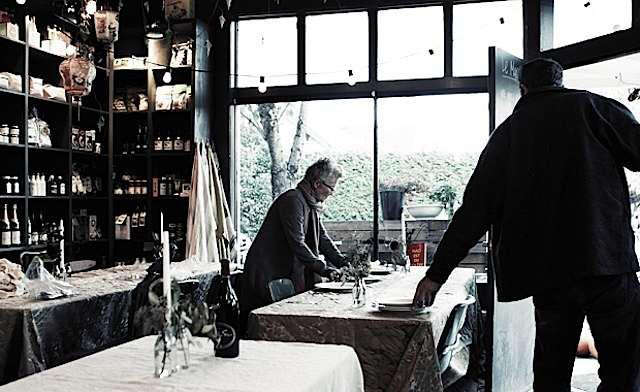
For a documented Canadian Thanksgiving celebration, Le Marché owners Pascal Roy, Janaki Larsen, and Klee Larsen transformed the café and grocery into a dining space for 28 relatives and close friends. The gathering was not designed to imitate a formal banquet hall. Instead, it leaned into what the café already was: cozy, eclectic, lived-in, creative, and full of food with a story behind it.
That choice is the key to the event’s appeal. Rather than hiding the market behind elaborate staging, the dinner embraced its setting. Refrigerators, shelves, bottles, ceramics, and ordinary café textures became part of the scene. The result felt less like a restaurant trying to impersonate a private home and more like a beloved home generously expanding to fit everyone who mattered.
Thanksgiving can sometimes become an Olympic event involving oven schedules, family group chats, and one person who insists that the cranberry sauce must retain its can-shaped ridges for “tradition.” Le Marché’s approach offered a calmer possibility. Start with what your space already does well. Let the food lead. Invite people who enjoy one another. The rest can remain a little imperfect, which is usually where the good stories begin.
The Menu: Abundant, Seasonal, and Built for Passing Around
The historic Le Marché Thanksgiving menu had the kind of abundance that makes guests begin planning leftovers before they have finished the first plate. Two turkeys anchored the meal: one paired with a wild mushroom and pear stuffing, and another served with a more traditional stuffing. This was a smart move for a large gathering. It offered familiar comfort for traditionalists while giving adventurous eaters something richer and more unexpected.
Turkey With Two Personalities
Serving more than one turkey preparation is not merely a show of culinary ambition. It is a hospitality strategy. Thanksgiving guests often arrive with strong feelings about stuffing, turkey skin, gravy texture, and whether a meal can be considered complete without a potato situation. A menu with a classic option and a more creative option helps everyone feel seen.
The mushroom-and-pear stuffing brought earthiness and a little sweetness to the table, while the traditional version kept the meal grounded in the familiar flavors people expect from a harvest feast. Together, the two birds represented the balance that makes Thanksgiving dinner work: respect the classics, but do not be afraid to give them a slightly better jacket.
Side Dishes That Refused To Be Background Characters
The sides were equally memorable. Parsnip and sweet potato purée added smooth, gently sweet comfort. Roasted Brussels sprouts brought a little bitterness and crispness to keep the plate from drifting into pure butter-colored dreamland. Truffled mashed potatoes made a convincing argument that potatoes deserve their own fan club, while a deeply flavored gravy tied the whole meal together.
Friends contributed dishes as well, including maple-glazed yams with toasted pecans, roasted fingerling potatoes with rosemary, garlic, and goat cheese, and cranberries brightened with citrusy depth. This is one of the most useful ideas to borrow from the Le Marché celebration: a collaborative Thanksgiving dinner does not dilute the host’s vision. It adds layers to it.
When guests bring a dish they care about, the meal gains personality. One person contributes the potatoes their grandmother always made. Another brings the pie that has quietly become legendary among their friends. Someone else arrives with a salad that makes everyone briefly pretend they are eating responsibly before returning to the mashed potatoes. Those contributions make the table feel shared instead of staged.
Dessert Was Not an Afterthought
The sweet finish included apple pie with ginger caramel and a classic pumpkin pie. That pairing captures the spirit of fall particularly well. Apple pie brings brightness, spice, and a little tartness, while pumpkin pie delivers the cozy, creamy certainty that November has officially arrived.
A successful Thanksgiving dessert table does not need six different pastries, a tower of macarons, and a dramatic smoke effect. It needs a few things people genuinely want to eat. At Le Marché, dessert followed the same philosophy as the rest of the dinner: familiar ingredients, seasonal flavor, and enough generosity that nobody had to negotiate for the final slice.
The Table Design: Casual, Collected, and Completely Intentional
One of the most striking parts of Thanksgiving dinner at Le Marché St. George was the table itself. The setting did not rely on matching everything. Instead, it used texture, found objects, handmade pieces, seasonal branches, and soft candlelight to create a look that felt relaxed but thoughtful.
Damask tablecloths, rented plates and wine glasses, thrifted silverware, muslin painter’s rags used as napkins, and greenery tucked into glass bottles helped create the atmosphere. The materials were humble in isolation. Together, they looked memorable. This is a useful reminder that holiday tablescapes do not need to be expensive to feel generous.
The secret was contrast. A formal linen tablecloth sat beside simple, practical napkins. Handmade ceramic salt and pepper bowls added artistry without becoming precious. Old glass bottles became vases. Pumpkins, branches, flowers, and garden greenery provided seasonal structure without requiring a floral designer or a mortgage-sized centerpiece budget.
Another gathering at Le Marché used foraged branches, quince, fall flowers, seed heads, chestnuts, fingerling potatoes, onions, yams, and juice bottles as part of the table’s visual language. The décor blurred the line between ingredients and ornament. That is an especially effective Thanksgiving strategy because harvest foods already look beautiful. A pile of chestnuts, a bowl of pears, or a few branches with changing leaves can do more emotional work than a glittery plastic sign shouting “GRATEFUL.”
How To Recreate the Look Without Copying It Exactly
The point is not to replicate every bottle and napkin knot. The point is to borrow the approach. Use what is already around you. Layer natural materials. Mix old and new. Choose a few elements that repeat, such as glassware, candle color, or linen, so the table feels cohesive even when the dishes do not match.
A good rule is to keep the center of the table low enough for conversation. Nobody should have to play peekaboo around a giant arrangement just to ask for the rolls. Put flowers, branches, or produce in small clusters instead of one towering centerpiece. The table should encourage people to talk, not require them to navigate it like a hedge maze.
Thanksgiving Food Has a Bigger Story Than the Menu
Thanksgiving food is more layered than the polished version of the holiday story often suggests. Indigenous foodways existed across North America long before colonial harvest celebrations, and many ingredients now strongly associated with Thanksgiving have deep Indigenous roots. Corn, squash, pumpkins, cranberries, and turkey are part of a larger history of agriculture, trade, knowledge, and regional food traditions.
The commonly imagined “first Thanksgiving” menu also looked very different from the modern holiday plate. Historical accounts suggest that wildfowl, venison, corn, and seafood were more likely than pumpkin pie, buttery mashed potatoes, or sweet potato casserole. The Thanksgiving dinner most Americans recognize today developed over many generations, influenced by regional cooking, migration, agriculture, publishing, and changing ideas about family celebration.
That broader history makes Le Marché’s feast more interesting. Its menu did not try to recreate 1621. Instead, it treated Thanksgiving as a living harvest meal: seasonal vegetables, turkey, cranberries, potatoes, pie, shared dishes, and a room full of people. It honored the emotional purpose of the holiday without pretending there is only one correct way to celebrate it.
For modern hosts, that is liberating. Your Thanksgiving can include the dish your family has made for decades, a recipe inspired by another culture, a plant-based centerpiece, a favorite soup, or a pie your neighbor insists is “technically a tart.” Tradition is not a museum display. It is what people choose to carry forward together.
Hosting Lessons From Le Marché St. George
Build Around Seasonality, Not Perfection
The Le Marché dinner worked because it embraced ingredients that naturally belong to fall. Root vegetables, Brussels sprouts, pears, apples, pumpkins, chestnuts, herbs, and cranberries all bring color and flavor without needing much theatrical help. Shopping seasonally also makes menu planning easier because the ingredients already make sense together.
Let Guests Contribute Something Meaningful
A potluck-style contribution does not mean the host has surrendered control. It means the meal has more voices. Assign categories if needed: one guest brings vegetables, another dessert, another bread, another a family side dish. A shared meal often feels more relaxed because no one person is responsible for producing an entire holiday miracle while smiling calmly in an apron.
Use Everyday Objects Creatively
Glass bottles can hold flowers. Pantry ingredients can become décor. Old linens can become napkins. Thrifted serving pieces can make a table feel more personal than a matched set purchased five minutes before guests arrive. The most appealing holiday table often looks collected over time, even when it was assembled in an afternoon.
Keep the Food Safe and the Mood Easy
Generosity should include food safety. Serve hot foods hot, keep cold dishes chilled, and refrigerate perishable leftovers promptly after the meal. A memorable Thanksgiving should end with pie, conversation, and a peaceful nap on the couch, not regret over a potato salad that spent the entire afternoon auditioning for room temperature.
The Experience: What Thanksgiving Dinner at Le Marché St. George Feels Like
Picture arriving at a neighborhood café that has been gently transformed for the evening. The room still has the personality of a market, but the shelves and counters now sit behind a long communal table. Candles glow in small glass bottles. Branches curl across the linen. Pumpkins and fall produce look less like groceries and more like guests with excellent color coordination.
At first, the room feels intimate rather than grand. That is part of the magic. A Thanksgiving dinner at Le Marché St. George is not designed to impress through scale. It impresses through attention. A chestnut on a plate, a napkin tied with a casual knot, a handmade bowl of salt, a bunch of branches collected from a nearby yard: none of these details is loud, but together they make people feel that someone cared enough to create a place for them.
The first conversations happen before anyone sits down. Coats come off. Children inspect the table. Someone notices the unusual flowers. Someone else asks whether the pears are part of the décor or dinner. The answer is probably both, which is a very Le Marché kind of answer.
Then the food arrives in generous bowls and platters. Turkey is carved. Potatoes are passed. The Brussels sprouts disappear faster than expected, proving that roasting can solve many public-relations problems. A guest reaches for cranberry sauce, then changes course and reaches for it again because Thanksgiving is not the time for restraint. The meal is rich but not stiff, beautiful but not fragile.
What makes the experience memorable is the way the room encourages people to stay. Nobody seems rushed to clear the plates. The table becomes a place for stories: old family jokes, new baby updates, travel plans, neighborhood gossip, and the kind of conversation that only happens after people have eaten enough to lower their defenses.
There is also an important sense of participation. This is not a dinner where guests simply consume a finished performance. They bring food, help set the table, refill glasses, move chairs, carry pies, and make room for one more person. The gathering feels alive because it is not overly choreographed. It has the slightly messy rhythm of real hospitality.
Later, dessert arrives with the soft confidence of a second act. Apple pie brings sharp, fragrant warmth. Pumpkin pie offers the familiar comfort people have been waiting for since the first whiff of cinnamon. Someone insists they are too full for dessert, which is a statement that has never survived contact with pie.
By the end of the night, Thanksgiving dinner at Le Marché St. George becomes more than a meal. It becomes a reminder that hospitality is not about having the biggest dining room, the newest dishes, or a menu engineered to make strangers nervous. It is about making a space feel generous enough that people relax into it.
That is why the Le Marché approach still resonates. It takes ordinary materials, seasonal food, community history, and imperfect human energy and turns them into something that feels quietly extraordinary. The dinner does not ask guests to admire it from a distance. It invites them closer, hands them a plate, and makes sure there is enough pie.
Conclusion: A Thanksgiving Worth Borrowing From
Thanksgiving dinner at Le Marché St. George remains inspiring because it treats celebration as something handmade, shared, and rooted in place. The historic gatherings combined a generous harvest menu with foraged décor, collected tableware, handmade details, and an easy sense of community.
Whether you are planning a full turkey dinner, a small Friendsgiving, or an autumn meal with a few people you love, the best takeaway is simple: use seasonal food, welcome contributions, make the table personal, and give everyone enough time to stay for dessert. Perfection can take the night off. Gratitude, good food, and an extra slice of pie can handle the job just fine.
{"meta_title": "Thanksgiving Dinner at Le Marché St. George","meta_description": "Relive a historic Le Marché St. George Thanksgiving dinner, from seasonal food and foraged décor to generous hosting lessons.","sapo": "Thanksgiving dinner at Le Marché St. George shows how a neighborhood café-market can become the setting for an unforgettable harvest celebration. Inspired by documented gatherings in Vancouver, this story explores the generous turkey dinner, seasonal side dishes, handmade table details, foraged branches, mismatched silverware, and welcoming atmosphere that made the occasion so memorable. Discover practical hosting ideas for creating a Thanksgiving table that feels personal, relaxed, beautiful, and full of genuine connection.","keywords": ["Thanksgiving Dinner at Le Marché St. George","Le Marché St. George Thanksgiving","Vancouver Thanksgiving dinner","Thanksgiving table ideas","seasonal Thanksgiving menu","rustic holiday tablescape","Friendsgiving hosting ideas"]}


