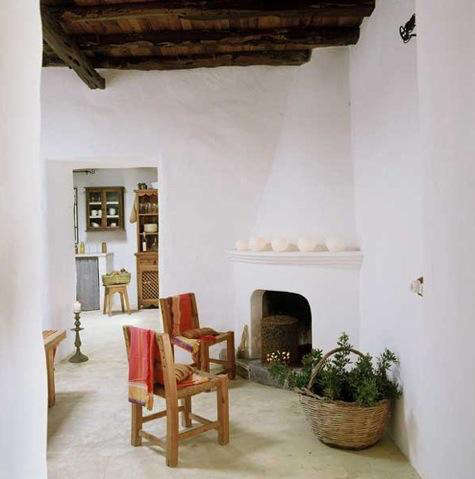

Some storage solutions arrive with assembly instructions, hex keys, and the quiet promise of future frustration. Moroccan baskets from Medina arrive with something much better: texture, history, and the ability to make yesterday’s laundry look like a curated lifestyle decision. These handwoven storage baskets are practical, beautiful, and pleasantly unfussythe kind of home accessory that can hide clutter while pretending it was hired as décor.
Moroccan baskets have long been used for market trips, household storage, garden harvests, beach days, firewood, textiles, and everyday carrying. Today, they are beloved in American homes because they solve two very modern problems at once: we own too much stuff, and we still want our living rooms to look calm enough for guests to believe we meditate.
The phrase “Moroccan baskets from Medina” can refer to two connected ideas. First, there is the medina itself: the historic old quarter of Moroccan cities such as Marrakech and Fez, where souks are packed with handmade goods, leather, textiles, spices, ceramics, lamps, rugs, and baskets. Second, Medina Mercantile, the Virginia-based family business known for importing handwoven Moroccan baskets, helped introduce these functional pieces to design-minded American shoppers. Together, the words suggest a basket with both travel romance and real utility: a beautiful object that can carry oranges, hold blankets, disguise pet toys, and still look like it belongs in a sun-washed riad.
What Makes Moroccan Baskets So Special?
The magic of Moroccan baskets is not complicated. They are woven by hand, usually from natural fibers such as date palm leaf, water reed, wild grasses, raffia, esparto grass, jute, or similar plant materials. Their beauty comes from the honesty of those materials. Each basket has tiny variations in color, curve, weave, and proportion. That means no two are exactly alike, which is inconvenient for robots but excellent for humans.
Unlike plastic bins, Moroccan storage baskets do not ask to be hidden in a closet. They look good in plain sight. A tall palm leaf basket can sit beside a sofa and hold throw blankets. A low water reed basket can slide onto a shelf and organize magazines. A market basket with leather trim can move from the farmer’s market to the mudroom without needing a costume change.
These baskets also carry a certain visual softness. Their rounded edges, warm neutral tones, and woven surfaces help balance the hard lines of modern interiors: metal shelving, square coffee tables, glass doors, laptops, televisions, and that one mysterious charging cable that appears in every room like a tiny black snake.
A Brief Journey Through the Medina
In Morocco, a medina is traditionally the old city or historic quarter. Marrakech’s medina is especially famous, with narrow lanes, souks, workshops, courtyards, riads, and centuries of craft culture woven into daily life. The experience is sensory: sunlight through reed roofing, spice pyramids in earthy reds and yellows, leather slippers hanging in rows, hammered metal trays catching light, and baskets stacked like friendly little mountains.
Basketry fits naturally into this environment because it is both ordinary and artful. In many Moroccan communities, woven baskets are not treated as precious museum objects. They are used. They carry bread, vegetables, laundry, wood, tools, herbs, and market finds. That everyday usefulness is exactly what makes them appealing in contemporary home design. They are not trying too hard. A Moroccan basket does not enter the room and announce, “Behold, I am an accent piece.” It simply holds your blankets and improves the mood.
Materials: Palm Leaf, Water Reed, and Wild Grasses
Palm Leaf Baskets
Date palm leaf is one of the most recognizable materials in Moroccan basketry. Palm leaves are dried, softened, and woven into flexible but sturdy forms. The result is lightweight, breathable, and naturally textured. Palm leaf baskets often have a pale straw color that deepens slightly with age and use. They are ideal for throws, towels, children’s toys, craft supplies, picnic goods, and market shopping.
Water Reed Baskets
Water reed baskets are typically more structured. They often have a tighter, firmer shape, making them useful for shelves, home offices, and organized storage zones. Some Moroccan water reed baskets include leather corners or handles, creating a polished look that works beautifully in entryways, kitchens, and studies. If palm leaf is relaxed and beachy, water reed is the cousin who owns a label maker.
Wild Grass, Raffia, and Other Natural Fibers
Wild grasses, raffia, esparto, jute, and other plant fibers bring different textures and strengths. Some are finer and more decorative; others are thick and rugged. The best choice depends on what you plan to store. Delicate woven trays may be perfect for keys and mail, while heavier baskets are better for blankets, firewood, or laundry.
Why Moroccan Baskets Are Brilliant for Storage
Good storage does not merely hide clutter. It changes how a room behaves. Moroccan baskets make everyday organization easier because they are portable, attractive, and forgiving. You do not need a perfect organizing system. You need a basket by the door for shoes, one by the sofa for blankets, one in the bathroom for rolled towels, and one in the bedroom for the clothing that is neither clean enough for the drawer nor dirty enough for the hamper. Every home has that chair. A basket is the chair’s responsible older sibling.
Living Room Storage
In the living room, Moroccan baskets are excellent for throw blankets, extra pillows, books, magazines, board games, remote controls, pet toys, and children’s toys. Choose a large open basket if you want easy access. Choose a more structured basket with a tighter weave if the contents are visually chaotic. A basket filled with cream throws looks serene. A basket filled with neon dinosaur toys needs a little more coverage.
Entryway Organization
An entryway is where good intentions go to trip over shoes. A Moroccan market basket or handled storage basket can hold scarves, hats, umbrellas, reusable shopping bags, dog leashes, or slippers. If you have a family, assign one basket per person. This will not prevent people from losing keys, but it will give them fewer excuses and you a better-looking hallway.
Bedroom and Closet Storage
In bedrooms, use baskets for extra linens, off-season accessories, slippers, yoga gear, or laundry overflow. Under a bench, beside a wardrobe, or tucked near a nightstand, a woven basket adds warmth without adding visual bulk. Smaller baskets can organize shelves inside closets, especially for belts, rolled scarves, handbags, socks, and other items that seem to multiply when unsupervised.
Bathroom Storage
Moroccan baskets can make a bathroom feel calmer and more spa-like, especially when used for rolled towels, washcloths, bath products, toilet paper, or hair tools. The key is moisture control. Natural fiber baskets like ventilation, not puddles. Keep them away from direct shower spray, allow airflow, and use liners if storing products that might leak.
Kitchen and Pantry Uses
In kitchens, smaller woven baskets can organize onions, garlic, napkins, tea towels, bread, snacks, or pantry packets. Larger market baskets can hold produce after shopping. For food use, choose baskets that are clean, dry, and easy to shake out. If you use a basket for bread or fruit, a washable cloth liner is a smart idea.
Decorating With Moroccan Baskets
The secret to decorating with Moroccan baskets is restraint mixed with confidence. One basket looks useful. Three baskets look intentional. Seventeen baskets may suggest you are preparing to open a very charming storage-themed hotel.
Start by mixing shapes. A tall floor basket beside a sofa, a shallow tray on a coffee table, and a handled market basket near the entry create visual rhythm without feeling repetitive. Keep the color palette natural if your room already has many patterns. If your space is minimal, a few striped or leather-trimmed baskets can add character without shouting.
Use Baskets as Planter Covers
A Moroccan basket can make a basic nursery pot look instantly sophisticated. Place the plant in a waterproof inner pot or saucer first, then set it inside the basket. Never water directly into the basket unless you want mildew to become your new roommate. Large palm leaf baskets work especially well with olive trees, fiddle-leaf figs, snake plants, and palms.
Create Texture in Neutral Rooms
Neutral rooms can become flat if every surface is smooth. Woven baskets add shadow, irregularity, and warmth. Pair them with linen curtains, wood furniture, clay vases, wool throws, and handmade ceramics for a room that feels collected rather than decorated in one panicked weekend.
Try Wall Basket Displays
Shallow Moroccan trays and flat woven baskets can be hung as wall décor. This works especially well in dining rooms, breakfast nooks, hallways, and above consoles. Use an odd-numbered grouping, vary the sizes, and leave enough negative space so the wall does not look like a basket convention got stuck in traffic.
How to Choose the Right Moroccan Basket
Before buying, think about purpose first and style second. A beautiful basket that cannot hold what you need will become decorative guilt. For blankets, choose a tall, wide basket with flexible sides. For documents, select a rectangular water reed basket that fits shelves. For laundry, look for strong handles and a generous opening. For children’s toys, choose something lightweight and low enough for small hands.
Also check the weave. A looser weave is airy and casual, while a tighter weave is better for small items. Handles matter if the basket will move often. Leather handles and trim add durability and polish, while simple woven handles keep the look rustic and relaxed.
Because handmade baskets naturally vary, do not obsess over perfect symmetry. A slightly uneven rim or gentle curve is part of the charm. In fact, that is how you know you did not accidentally buy a basket with the personality of a filing cabinet.
Care Tips for Moroccan Storage Baskets
Natural baskets are durable, but they are not indestructible. Treat them like woven plant fibers, not waterproof plastic tubs. Dust regularly with a soft cloth, feather duster, or vacuum brush attachment. For small debris, turn the basket upside down and gently shake it outside. This is also an excellent opportunity to discover old receipts, mystery crumbs, and possibly the missing toy your child claimed vanished into another dimension.
If the basket needs spot cleaning, use a barely damp cloth and mild soap. Avoid soaking it. Too much water can weaken fibers, encourage mold, or cause warping. After cleaning, dry the basket in a well-ventilated area away from harsh direct sun or artificial heat. Sunlight can fade and dry natural fibers, while intense heat may make them brittle.
For baskets that lose shape, a light misting and gentle reshaping by hand can help, but use moisture sparingly. Store baskets in a dry place. If stacking them, avoid crushing handles or loading heavy items on top. A Moroccan basket may be hardworking, but it does not enjoy being flattened like a pancake at brunch.
Ethical and Sustainable Appeal
One reason Moroccan baskets continue to attract thoughtful shoppers is their connection to handcraft. Many are made by artisans working with traditional techniques and locally available plant fibers. Buying well-made baskets can support craft economies, reduce reliance on disposable plastic storage, and bring long-lasting natural materials into the home.
That said, “handmade” and “ethical” should not be treated as decorative buzzwords. Look for sellers who clearly describe materials, artisan partnerships, sourcing practices, and country of origin. Reputable retailers often explain whether baskets are made from palm leaf, water reed, jute, raffia, or grasses, and whether artisans are paid fairly. If a seller gives only vague phrases such as “global boho vibes,” proceed with cautionand maybe a raised eyebrow.
Room-by-Room Styling Examples
Small Apartment
In a small apartment, use one large Moroccan basket as a “daily reset” bin. At night, toss in stray blankets, books, chargers, and items that belong elsewhere. Once a week, empty it properly. This gives you a tidy living room without pretending you have become a different person overnight.
Family Home
In a family home, Moroccan baskets are wonderful for toys, sports gear, shoes, and seasonal accessories. Place a sturdy basket near the stairs for items that need to go up or down. It will not carry them by itself, unfortunately, but it will make the pile look less like a domestic landslide.
Home Office
In a home office, a rectangular reed basket can hold files, notebooks, cables, printer paper, or camera gear. The natural texture softens the tech-heavy look of screens and equipment. Use smaller baskets for desk supplies so pens, sticky notes, and charging cords stop forming tiny office civilizations.
Guest Room
In a guest room, place a Moroccan basket with rolled towels, extra blankets, slippers, and a small welcome note. It feels generous without being fussy. Add a second small tray basket for keys, jewelry, or phones. Guests appreciate thoughtful storage, especially when they are trying not to live out of a suitcase like a raccoon on business travel.
Common Mistakes to Avoid
The first mistake is using the wrong basket for the wrong job. A delicate tray should not be asked to carry firewood. A loosely woven basket should not store tiny Lego pieces unless you enjoy stepping on plastic bricks at 2 a.m. Match the weave, size, and structure to the task.
The second mistake is overloading handles. Even sturdy baskets have limits. If you are carrying heavy books, tools, or logs, support the bottom. Handles are helpful, not magical.
The third mistake is placing baskets in damp corners. Natural fibers need air. Bathrooms, laundry rooms, and covered patios can work, but only if the basket stays dry and ventilated.
The fourth mistake is buying too many at once. Start with two or three baskets and observe how you actually use them. The best storage system grows from real habits, not fantasy habits. Fantasy You folds linen napkins. Real You needs a basket for tangled charging cables. Respect Real You.
Why Moroccan Baskets Never Really Go Out of Style
Trends come and go, but woven baskets remain useful because they are rooted in basic human needs: carrying, sorting, storing, gathering, and making a home feel warm. Moroccan baskets add a layer of craft and travel-inspired beauty to that function. They are not just containers. They are texture, story, and order in one object.
In a world of sleek plastic bins and algorithm-approved minimalism, a handwoven Moroccan basket feels refreshingly human. It has irregularities. It ages. It may lean a little to one side. Frankly, same. That is part of its appeal.
Personal Experience: Living With Moroccan Baskets From Medina
The first time I used a Moroccan basket for storage, I made the classic mistake of assuming it would be “just decorative.” I placed it beside the sofa, dropped in one throw blanket, admired the casual magazine-photo effect, and walked away feeling like a person who had conquered adulthood. Within a week, that same basket held three blankets, two unread magazines, a TV remote, a dog toy, a phone charger, and one sock that had clearly chosen independence. Somehow, the room still looked tidy. That is when I understood the true genius of Moroccan baskets: they are beautiful enough to be visible and useful enough to be abused by real life.
In an entryway, a Moroccan market basket can completely change the mood of the space. Without it, reusable grocery bags, umbrellas, and scarves tend to form a tragic little pile near the door. With it, the same objects become “organized essentials.” Nothing has changed except the container, which is exactly why good storage matters. The basket creates boundaries. It tells clutter, politely but firmly, “You live here now.”
I have also found that Moroccan baskets work especially well for seasonal storage. In summer, a large palm leaf basket can hold beach towels, sandals, sunscreen, and picnic blankets. In winter, it becomes a home for wool throws and extra slippers. During the holidays, it can hold wrapping paper rolls, ribbon, ornaments, or firewood. Unlike plastic holiday bins, it does not need to disappear into the garage immediately after use. It can sit in the corner looking rustic and intentional, even when it is secretly full of tangled ribbon and emotional damage from gift wrapping.
One of my favorite uses is as a plant basket. A plain plastic nursery pot dropped inside a handwoven Moroccan basket instantly looks considered. The trick is to protect the basket with a waterproof saucer or inner liner. Plants are lovely, but soil water leaking into natural fibers is not a design moment; it is a mildew audition. When done properly, though, the combination of green leaves and pale woven texture brings a relaxed, Mediterranean feeling to a room.
Another practical experience: baskets make fast cleaning possible. When someone texts that they are “five minutes away,” a Moroccan basket becomes emergency architecture. Toys go in. Mail goes in. The blanket heap goes in. Suddenly the living room looks composed, and nobody needs to know the basket is doing the emotional labor of the entire household. Later, when the guest leaves, you can sort it. Or you can wait until tomorrow. The basket will not judge you.
What makes Medina-style Moroccan baskets especially appealing is their blend of utility and quiet elegance. They do not force a room into one specific style. They work with farmhouse, coastal, bohemian, modern organic, rustic, traditional, and minimalist interiors. In a white room, they add warmth. In a colorful room, they add calm. In a cluttered room, they add hope.
The best lesson from living with these baskets is simple: storage should support your habits, not shame them. If you always drop your tote bag by the door, place a basket there. If blankets migrate across the living room, give them a beautiful home. If your bathroom shelves are chaos, use smaller baskets to group similar items. Moroccan baskets are not about pretending life is perfect. They are about making ordinary mess easier to manage and much nicer to look at.
Conclusion
Moroccan baskets from Medina are more than charming storage accessories. They are practical, durable, naturally beautiful pieces of handcraft that bring warmth and order into everyday spaces. Whether woven from palm leaf, water reed, wild grass, raffia, or jute, these baskets offer flexible storage for living rooms, bedrooms, bathrooms, kitchens, entryways, and home offices.
Their enduring appeal comes from balance. They are rustic but refined, decorative but hardworking, traditional but perfectly suited to modern homes. They can carry produce, hold laundry, organize shelves, dress up plants, store blankets, and hide clutter with the calm confidence of an object that has been useful for generations.
If your home needs better storage, Moroccan baskets are a smart place to start. They will not solve every organizational problem, but they will make your mess look significantly more worldly. And sometimes, that is enough.
Note: This article was written as original, publication-ready content based on synthesized information from reputable home design, organization, travel, artisan craft, and basket care references.


