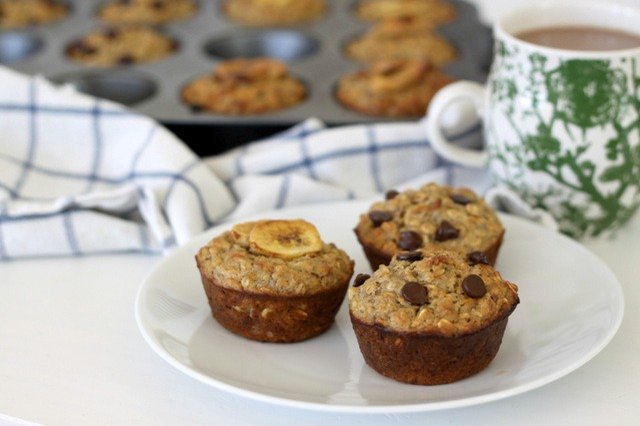

Oatmeal protein muffins are what happens when breakfast decides to stop being boring and put on a tiny paper liner. They are soft, hearty, lightly sweet, freezer-friendly, and packed with enough staying power to keep you from staring dramatically into the pantry at 10:17 a.m. wondering whether chocolate chips count as a food group. The beauty of this recipe is simple: oats bring fiber and cozy texture, protein powder adds muscle-friendly fuel, and ingredients like Greek yogurt, banana, eggs, and milk keep the muffins moist instead of turning them into cinnamon-scented doorstops.
This guide explains how to make oatmeal protein muffins from scratch, how to choose the right oats and protein powder, how to avoid dry or rubbery results, and how to customize the batter for different tastes. You will also get practical baking tips, storage instructions, variation ideas, and a long experience-based section at the end for real-world muffin wisdomthe kind that comes from actual batches, actual crumbs, and at least one muffin that looked like it was trying to escape the pan.
Why Oatmeal Protein Muffins Deserve a Spot in Your Kitchen
A good oatmeal protein muffin sits right between a healthy breakfast and a satisfying snack. It is not trying to be a cupcake in gym clothes. It has a different job: to be filling, balanced, easy to prep, and enjoyable enough that you actually want to eat it. Oats provide whole-grain texture, gentle sweetness, and a hearty base. Protein powder, Greek yogurt, eggs, nut butter, cottage cheese, or milk can raise the protein content without making the muffin feel like homework.
These muffins are especially useful for busy mornings. Instead of cooking oatmeal, scrambling eggs, and negotiating with your coffee maker, you can grab one or two muffins and move on with your life. They also work well after workouts, in lunchboxes, during road trips, or as an afternoon snack when your energy starts behaving like a phone battery at 3%.
The Best Ingredients for Moist Oatmeal Protein Muffins
Rolled Oats or Oat Flour
Old-fashioned rolled oats are the best choice for most oatmeal protein muffins because they soften nicely while still giving structure. Quick oats can work, but they create a softer, more uniform texture. Steel-cut oats are usually too firm for this style of muffin unless they are cooked first, which turns a simple recipe into a small construction project. For a smoother muffin, blend rolled oats into oat flour. For a rustic muffin, leave some oats whole.
Protein Powder
Protein powder is useful, but it must be handled with respect. Whey protein can make muffins light, but too much can dry them out. Casein and some plant-based protein powders absorb more liquid, so they may need extra milk. A whey-casein blend often gives a balanced result. Vanilla protein powder works beautifully with banana, blueberries, cinnamon, apples, and chocolate chips. Unflavored protein powder is better for savory or less sweet versions.
Greek Yogurt
Greek yogurt is one of the secret weapons of oatmeal protein muffins. It adds protein, moisture, and a slight tang that balances sweetness. Plain Greek yogurt is usually best because flavored yogurt can add extra sugar and change the taste. If you want a richer muffin, use 2% or whole-milk Greek yogurt. If you want a lighter version, nonfat Greek yogurt works, but add a tablespoon of oil, nut butter, or applesauce to avoid dryness.
Banana, Applesauce, or Pumpkin
Mashed ripe banana gives natural sweetness, moisture, and flavor. Applesauce makes the muffins tender without adding much fat. Pumpkin puree creates a soft, warmly spiced muffin that practically demands cinnamon. These ingredients help prevent the classic protein muffin problem: a dry, chewy texture that makes you question your life choices.
Eggs and Milk
Eggs help bind the batter and add structure. Milk loosens the mixture and helps the oats hydrate. Dairy milk, almond milk, soy milk, oat milk, or lactose-free milk can all work. Soy milk and dairy milk typically add more protein than almond or oat milk, so choose based on your goals and taste.
Basic Oatmeal Protein Muffins Recipe
This recipe makes 12 standard muffins. Each muffin is hearty, lightly sweet, and customizable. The exact protein content depends on your protein powder, milk, yogurt, and add-ins, but the recipe is designed to deliver a balanced breakfast muffin rather than a dessert pretending to own a dumbbell.
Ingredients
- 2 cups old-fashioned rolled oats, divided
- 1 scoop vanilla protein powder, about 25 to 35 grams
- 1 teaspoon baking powder
- 1/2 teaspoon baking soda
- 1 teaspoon cinnamon
- 1/4 teaspoon fine salt
- 2 large ripe bananas, mashed
- 2 large eggs
- 3/4 cup plain Greek yogurt
- 1/3 cup milk of choice, plus more if needed
- 1/4 cup maple syrup or honey
- 2 teaspoons vanilla extract
- 2 tablespoons neutral oil, melted coconut oil, or almond butter
- 1/2 cup blueberries, chopped nuts, or mini chocolate chips, optional
Instructions
- Preheat the oven to 350°F. Line a 12-cup muffin pan with paper liners or grease it lightly.
- Blend 1 cup of the rolled oats into a coarse oat flour. Leave the remaining 1 cup whole for texture.
- In a large bowl, whisk together the oat flour, whole oats, protein powder, baking powder, baking soda, cinnamon, and salt.
- In another bowl, mix the mashed bananas, eggs, Greek yogurt, milk, maple syrup, vanilla, and oil or almond butter.
- Pour the wet ingredients into the dry ingredients. Stir gently until combined. Do not overmix. The batter should be thick but scoopable.
- Let the batter rest for 8 to 10 minutes so the oats can absorb moisture. This improves texture and helps prevent crumbly muffins.
- Fold in blueberries, nuts, or chocolate chips if using.
- Divide the batter evenly among the muffin cups, filling each about three-quarters full.
- Bake for 18 to 23 minutes, or until the tops spring back lightly and a toothpick inserted into the center comes out clean or with a few moist crumbs.
- Cool in the pan for 5 minutes, then transfer to a wire rack. Try not to eat one immediately like a raccoon with Wi-Fi, but honestly, no judgment.
How to Get the Texture Right
The main challenge with oatmeal protein muffins is moisture. Oats absorb liquid. Protein powder absorbs liquid. Your oven removes liquid. Basically, the entire recipe is a tiny moisture negotiation. The goal is to create a batter that is thick but not stiff. If it looks like cookie dough, add milk one tablespoon at a time. If it pours like pancake batter, add a few tablespoons of oats and let it sit.
Resting the batter is a small step that makes a big difference. Oats need a few minutes to hydrate. Without that rest, the muffins can bake unevenly, with dry edges and dense centers. After resting, check the batter again. Plant-based protein powders and casein powders can thicken dramatically, so add a splash of milk before baking if needed.
Do not overmix the batter. Muffins prefer a gentle hand. Stir just until the dry ingredients disappear. A few small lumps are fine. Overmixing can make muffins dense, tough, or rubbery, especially when protein powder is involved. Think of it as folding laundry, not wrestling a bear.
Best Protein Powders for Oatmeal Muffins
Vanilla whey protein is popular because it tastes familiar and blends easily, but it can dry out if used heavily. Whey-casein blends often produce a softer muffin because casein holds moisture better. Plant-based protein powders made from pea, brown rice, or blends can work well, but they usually need more liquid and sometimes a stronger flavor pairing, such as cinnamon, cocoa, banana, or peanut butter.
Avoid using too much protein powder. More protein does not automatically mean better muffins. It can mean chalky muffins with the personality of packing peanuts. For a standard 12-muffin recipe, one scoop is usually enough. If you want more protein, increase Greek yogurt, add cottage cheese, use dairy or soy milk, add chopped nuts, or pair the muffin with a protein-rich side instead of forcing the entire job onto the powder.
Flavor Variations
Blueberry Almond Oatmeal Protein Muffins
Fold in 1/2 cup blueberries and 1/4 cup sliced almonds. Add a little lemon zest for a bright bakery-style flavor. This version is fresh, lightly sweet, and great for spring or summer breakfasts.
Chocolate Peanut Butter Protein Muffins
Add 2 tablespoons cocoa powder, use chocolate protein powder, and swirl in 1/4 cup peanut butter. Mini chocolate chips are optional, but let us be emotionally honest: they help.
Apple Cinnamon Oatmeal Protein Muffins
Replace one banana with 1/2 cup unsweetened applesauce. Fold in 3/4 cup finely diced apple and increase cinnamon to 1 1/2 teaspoons. A pinch of nutmeg makes the muffins taste like fall put on a sweater.
Pumpkin Spice Protein Muffins
Replace the mashed banana with 1 cup pumpkin puree. Use pumpkin pie spice instead of cinnamon and add 2 extra tablespoons maple syrup if you want a sweeter muffin. Pumpkin pairs especially well with vanilla or cinnamon protein powder.
Common Mistakes to Avoid
The first mistake is using too much protein powder. A muffin needs balance. If one scoop works, two scoops may not work twice as well. The second mistake is skipping fat entirely. Even a small amount of oil, nut butter, or egg yolk helps tenderness. The third mistake is baking too long. Protein muffins continue firming as they cool, so pull them from the oven when they are just set.
Another common mistake is using underripe bananas. Ripe bananas with brown spots are sweeter and mash more smoothly. If your bananas are still greenish, they will not provide enough sweetness or moisture. You can speed things up by baking unpeeled bananas on a lined baking sheet at 300°F for 15 to 20 minutes, then cooling and mashing them.
How to Store and Freeze Oatmeal Protein Muffins
Let the muffins cool completely before storing. Warm muffins trapped in a container create steam, and steam creates soggy tops. For short-term storage, place them in an airtight container lined with a paper towel. Keep them at room temperature for about two days if your kitchen is cool, or refrigerate them for three to four days for longer freshness.
To freeze, wrap muffins individually or place them in a freezer-safe bag with parchment between layers. Freeze for up to three months. Reheat from frozen in the microwave for 25 to 40 seconds, or warm in a 300°F oven until soft. A reheated oatmeal protein muffin with a little peanut butter on top is the kind of meal-prep victory that deserves applause, or at least a very smug sip of coffee.
Serving Ideas
For breakfast, pair one or two muffins with Greek yogurt and berries. For a post-workout snack, enjoy a muffin with milk or a smoothie. For a more filling meal, serve with scrambled eggs, cottage cheese, or fruit. If the muffins are less sweet, split one open and spread it with almond butter, peanut butter, cream cheese, or a little jam.
These muffins also make a smart lunchbox item because they are portable and not too messy. Use mini chocolate chips instead of large ones if packing for kids or taking them on the go. Mini chips distribute better, which means every bite gets a little chocolate without turning breakfast into a full dessert negotiation.
Nutrition Notes
Oatmeal protein muffins can be part of a balanced diet when they are made with whole-food ingredients and moderate sweeteners. Oats contribute fiber and complex carbohydrates. Greek yogurt, eggs, milk, nuts, seeds, cottage cheese, and protein powder can all raise the protein level. Fruit adds natural sweetness, moisture, vitamins, and flavor.
For a lighter muffin, use nonfat Greek yogurt, reduce the sweetener slightly, and choose berries instead of chocolate chips. For a higher-calorie, more filling muffin, add nut butter, chopped walnuts, almonds, or hemp seeds. For a gluten-free version, use certified gluten-free oats and make sure your protein powder and baking ingredients are labeled gluten-free.
Experience Notes: What I Learned Making Oatmeal Protein Muffins
After making oatmeal protein muffins in several styles, one lesson becomes obvious: the batter tells you almost everything. A good batter should look thick, soft, and slightly spoonable. It should not run like a smoothie, and it should not stand up like concrete with cinnamon. The first time I made a protein-heavy version, I thought, “More protein equals better breakfast.” The oven strongly disagreed. The muffins came out dry, pale, and so firm they could have been used to politely prop open a door. The fix was not complicated: less protein powder, more Greek yogurt, a mashed banana, and a short batter rest.
Banana versions are the most forgiving. Ripe bananas bring sweetness and moisture, which helps cover small measuring mistakes. If the batter is a bit too thick, banana keeps it tender. If the protein powder has a strong flavor, banana softens the edge. Blueberry versions are bright and fresh, but they need a gentle touch because too many berries can make the center wet. I like to toss blueberries with a teaspoon of oat flour before folding them in. It helps keep the batter from turning purple and moody.
Another useful discovery is that muffin liners matter. Paper liners can stick to low-fat protein muffins, especially when the muffins are warm. Silicone liners release better, and a lightly greased metal pan works well too. If using paper liners, let the muffins cool fully before peeling. Warm protein muffins are clingy little creatures.
I also learned that resting the batter is not optional if you want a better crumb. Oats need time to drink. Ten minutes on the counter can turn a loose, uncertain batter into a thicker, more confident one. This is especially important with plant-based protein powder, which absorbs liquid like it has been wandering the desert. After resting, I often add one or two tablespoons of milk to loosen the batter before scooping.
The best everyday version, in my experience, is vanilla banana with cinnamon and a small handful of mini chocolate chips. It tastes like breakfast, not punishment. For a more grown-up version, apple cinnamon with walnuts is excellent. For after workouts, chocolate peanut butter is the clear winner because it feels like a treat while still being practical. The biggest trick is not chasing perfection. Oatmeal protein muffins are meant to be useful, cozy, and repeatable. Once you understand the balanceoats for structure, yogurt for moisture, protein for staying power, and flavor add-ins for joyyou can make a batch every week without needing a recipe tattooed on your arm.
Conclusion
Learning how to make oatmeal protein muffins is really about learning balance. Oats give the muffins a wholesome base, protein powder boosts nutrition, and moist ingredients like Greek yogurt, banana, milk, eggs, applesauce, or pumpkin keep everything soft and tender. The best muffins are not overloaded with protein powder; they are thoughtfully built with flavor, texture, and meal-prep convenience in mind.
Start with the basic recipe, then customize it with blueberries, apples, pumpkin, peanut butter, nuts, or chocolate chips. Let the batter rest, avoid overmixing, and pull the muffins from the oven as soon as they are set. Do that, and you will have a reliable batch of oatmeal protein muffins ready for breakfast, snacks, lunchboxes, or those mysterious moments when you open the fridge and hope inspiration jumps out wearing a cape.


