
House numbers are the tiny front-door detail most homeowners ignore until a delivery driver calls from three blocks away, a guest circles the block like a confused hawk, or the pizza arrives cold enough to require an apology and a microwave. Yet the right house numbers can do much more than announce where you live. They can sharpen curb appeal, support emergency visibility, honor architectural history, and make a home feel intentionally finished.
That is exactly why Asbury House Numbers have such lasting charm. Inspired by Portland’s historic ceramic address tiles, Asbury-style numbers bring together old-city practicality and clean visual design. They are simple, sturdy, readable, and quietly stylishthe kind of exterior detail that says, “Yes, someone here owns a level,” even if the garage currently says otherwise.
In this guide, we will explore what Asbury House Numbers are, where their appeal comes from, how they compare with modern metal address numbers, and how to choose, install, and maintain them for a front entry that looks polished without trying too hard.
What Are Asbury House Numbers?
Asbury House Numbers generally refer to black-and-white ceramic tile address numbers inspired by the historic house numbering tiles associated with Portland, Oregon. The style is often linked to the civic work of Asbury Barbur, a Portland city commissioner who supported a more standardized street naming and address numbering system in the early 20th century. The goal was not glamorous. It was practical: make streets easier to understand and homes easier to find.
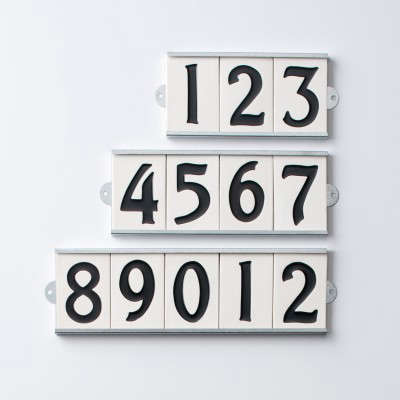
That practical idea produced an unexpectedly handsome design legacy. The classic Asbury-style tile is usually a small ceramic rectangle with a bold black numeral on a white background. Each digit is installed individually, often inside a metal bracket or frame. The look is crisp, legible, and slightly nostalgic, like a vintage subway sign decided to retire on a front porch.
Unlike oversized contemporary address numbers that can dominate an exterior, Asbury House Numbers are modest. They do not shout. They simply do their job with good manners. That is one reason they work on bungalows, Craftsman homes, cottages, brick houses, townhomes, and even modern exteriors that need a warmer, more handcrafted touch.
The History Behind Asbury House Numbers
The story of Asbury House Numbers is really a story about cities growing up. As American cities expanded, informal or inconsistent street naming became a real problem. Duplicate street names, unclear directional labels, and scattered numbering systems made navigation difficult for residents, postal workers, businesses, and emergency responders.
Portland’s “great renumbering” era in the early 1930s helped bring order to that chaos. The city adopted a more uniform address system, and ceramic number tiles were installed on homes and buildings to make the new system visible. Many of those original tiles proved impressively durable. Decades later, you can still spot them on older Portland homes, calmly doing their job while other exterior trends have come and gone like questionable patio furniture.
This is part of the appeal. Asbury-style house numbers are not just decorative hardware. They carry a civic design story. They remind us that good design is often born from ordinary problems: mail needs delivering, firefighters need clear addresses, and guests need to stop texting, “I think I’m outside?”
Why Asbury House Numbers Still Look So Good
They Are Easy to Read
The best house numbers are not mysterious. They should not require squinting, decoding, or a background in abstract typography. Asbury House Numbers typically use strong contrast: black numerals against a white ceramic tile. That contrast is one of the reasons the style remains effective today.
High-contrast numbers are easier to see from the street, especially when placed near the front door, porch column, gate, mailbox, or entry path. For homeowners, that means better daily usability. For emergency responders, it can mean faster identification of the correct property. Style is lovely, but visibility is the grown-up in the room.
They Fit Many Architectural Styles
Some house numbers look great on one type of home and awkward everywhere else. Ultra-thin floating numbers may suit a minimalist new build but look slightly confused on a 1920s bungalow. Decorative script numbers may charm on a cottage but disappear against a busy exterior.
Asbury House Numbers avoid that problem by being simple and classic. Their ceramic tile format feels at home on historic houses, while their clean contrast also works with modern exterior palettes. They pair especially well with painted wood siding, brick, stucco, stone, and dark front doors.
They Add Character Without Clutter
Curb appeal is often about restraint. A great front entry does not need twelve planters, three wreaths, two seasonal flags, and a welcome mat that threatens guests with sarcasm. Sometimes the strongest update is a small, permanent detail that looks intentional.
Asbury House Numbers add exactly that. They create a neat focal point without turning the front of the house into a craft fair booth. The ceramic surface gives texture, the black-and-white palette keeps things clean, and the individual tiles add a handmade rhythm.
Asbury House Numbers vs. Modern Metal Numbers
Modern metal address numbers are popular for good reason. Aluminum, brass, bronze, and stainless steel options can look sleek, durable, and architectural. Floating installation creates shadow lines, while brushed or matte finishes can complement door hardware and lighting.
Asbury House Numbers offer a different mood. They are less about sleekness and more about heritage. Instead of disappearing into a modern facade, they add a little story. Ceramic tile feels tactile and human. It says, “This house has roots,” even if the current owner just learned how to shut off the water main last Tuesday.
For a contemporary home, metal numbers may be the best fit if the exterior already leans sharp and minimal. For an older home, a porch-forward design, or a property that needs warmth, Asbury-style ceramic numbers can feel more natural. The choice is not only about material; it is about personality.
Where to Place Asbury House Numbers
Near the Front Door
The most traditional placement is beside or above the front door. This works well when the entry is visible from the street and not hidden by a deep porch, tall shrubs, or a dramatic but inconvenient wisteria situation.
For best readability, place the numbers at eye level or slightly higher. Avoid installing them too low, where porch furniture, railings, snow, plants, or holiday decorations can block them. A house number hiding behind a fern is not charming. It is a tiny hostage situation.
On a Porch Column or Entry Post
If the front door sits far back from the street, a porch column, gate post, or entry post may provide better visibility. Asbury House Numbers look especially handsome mounted vertically or horizontally on a clean column surface.
Before installing, stand at the curb and check sightlines. Look from the left, right, and across the street. If you cannot read the numbers easily from a normal approach, delivery drivers and emergency responders may struggle too.
On a Mailbox or Fence
Some homes benefit from two sets of numbers: one near the street and one near the entrance. A mailbox, fence, or driveway marker can help identify the property quickly, while the front-door numbers confirm the address closer to the home.
This is especially useful for homes on long driveways, corner lots, heavily landscaped properties, or streets where houses sit at irregular distances from the curb.
How to Choose the Right Asbury House Numbers
Check Local Code First
Many municipalities have address display requirements. Common rules include minimum number height, strong contrast, and visibility from the street. Some fire safety guidance recommends numbers at least four inches tall, though exact requirements vary by city, county, and neighborhood.
Before ordering tiles, check your local rules, HOA guidelines, or fire department recommendations. Asbury-style tiles are beautiful, but beauty should not get into a wrestling match with code compliance. Code usually wins, and it does not even mess up its hair.
Measure the Space
Asbury House Numbers are often sold as individual tiles, with separate brackets sized for three, four, or five digits. Measure the exact area where you plan to install them. Consider not only the tile width but also the bracket, mounting hardware, spacing, and surrounding trim.
A three-digit address can fit in a compact frame. A five-digit address needs more room and may look better above a door, on a wider porch beam, or on a dedicated plaque. The goal is to make the numbers feel integrated, not squeezed in like a suitcase before vacation.
Match the Exterior Palette
The classic black-and-white combination works with nearly everything, but the background still matters. White ceramic numbers pop beautifully against dark siding, brick, green doors, navy trim, charcoal paint, and natural wood. Against very light siding, you may need a dark bracket, shadow line, or contrasting mounting surface to keep the numbers visible.
If your exterior uses warm metals, a brass or bronze bracket can help connect the numbers to your lighting and door hardware. If your home leans crisp and traditional, a black frame may be the better choice.
Installation Tips for Asbury House Numbers
Use the Right Hardware
Installation depends on the surface. Wood siding, brick, stucco, concrete, and metal all require different fasteners. For masonry, use appropriate anchors and a masonry bit. For wood, exterior-rated screws are usually the simplest solution. If the tiles sit inside a bracket, install the bracket level and secure before placing the tiles.
Do not rely on weak adhesive outdoors unless the product is specifically designed for exterior use and your climate. Sun, rain, freeze-thaw cycles, and humidity can turn bargain adhesive into a regret with a receipt.
Keep Everything Level
House numbers are small, but crooked house numbers are surprisingly loud. Use painter’s tape to mark a guide line, then check with a level before drilling. If installing individual tiles without a frame, use spacers so the gaps remain consistent.
A tiny installation mistake can make the whole entry feel off. Take your time. Measure twice, drill once, and resist the ancient homeowner temptation to say, “That looks about right.”
Think About Nighttime Visibility
Even high-contrast numbers can disappear in darkness. If the area is not well lit, add a porch light, path light, small spotlight, or nearby sconce. Illuminated numbers are popular, but Asbury House Numbers usually rely on external lighting. A warm porch light can make the ceramic surface glow gently while still keeping the entry welcoming.
Maintenance: How to Keep Ceramic House Numbers Looking Fresh
Ceramic tiles are known for being durable, but outdoor exposure still calls for occasional cleaning. Dust, pollen, spider webs, road grime, and general “outside being outside” can dull the surface over time.
Clean Asbury House Numbers with mild soap, water, and a soft cloth. Avoid harsh abrasives that could scratch the glaze or damage painted details. If the numbers sit in a metal bracket, inspect the bracket periodically for rust, loose screws, or trapped debris.
Landscaping matters too. Trim shrubs and vines so they do not cover the address. A beautiful climbing plant is wonderful until it turns your house number into a botanical secret.
Design Ideas for Using Asbury House Numbers
Classic Bungalow Entry
On a Craftsman or bungalow-style home, install Asbury House Numbers beside the front door or on a porch column. Pair them with a warm porch light, a simple black mailbox, and a natural fiber doormat. The result feels historic without looking staged.
Brick Home Contrast
Black-and-white ceramic tiles look excellent against red or brown brick. Mount them in a slim black bracket to create a tidy border. If the brick is visually busy, consider placing the numbers on a small painted wood or metal plaque first.
Modern Cottage Mix
For a cottage with updated paint colors, Asbury numbers can bridge old and new. Try them near a sage green, navy, or charcoal front door. Add matte black lighting and simple planters for a look that feels curated, not overdecorated.
Gate or Fence Display
If your house sits behind a fence or garden gate, install the numbers at the entry point. This makes the address visible before visitors reach the porch. It also creates a charming first impression, especially when paired with climbing roses, boxwood, or low path lighting.
Are Asbury House Numbers Worth It?
For homeowners who value craftsmanship, history, and understated curb appeal, Asbury House Numbers are absolutely worth considering. They are not the flashiest option, and that is the point. They offer a timeless look that can outlast trend cycles and complement many home styles.
They are especially worthwhile if you own an older home, love Portland-inspired design, prefer ceramic materials, or want address numbers that feel more personal than standard hardware-store digits. They can also be a smart exterior upgrade because house numbers are affordable compared with major renovations. You can refresh the entry without repainting the house, replacing the door, or pretending you enjoy pressure washing.
Common Mistakes to Avoid
Choosing Style Over Readability
Decorative numbers are fun until nobody can read them. Make sure your Asbury House Numbers are large enough, high-contrast, and visible from the street. If your chosen location is too hidden, add a second set near the curb.
Installing Them Too Close to Trim
Give the numbers breathing room. If they are crowded against door casing, shutters, railings, or light fixtures, the display can feel accidental. A few inches of visual space can make the installation look much more professional.
Forgetting the Whole Entry
House numbers work best as part of a complete exterior composition. Consider the door color, mailbox, lighting, hardware finish, planters, and walkway. You do not need everything to match perfectly, but the pieces should feel like they are attending the same meeting.
Buying Guide: What to Look For
When shopping for Asbury House Numbers, look for quality ceramic tiles with clean numerals, durable glazing, and compatible brackets. Check whether tiles are sold individually or as a complete set. Confirm dimensions before buying, especially if your address has four or five digits.
If the numbers are hand-painted, expect subtle variation. That is part of their appeal. Handmade pieces should not look machine-perfect; they should look considered, crafted, and alive. However, the numerals should still be clear, centered, and easy to read.
Also review return policies, shipping times, and replacement availability. If one tile breaks years later, it is helpful to know whether matching digits can still be ordered.
Experiences With Asbury House Numbers: What Homeowners Often Notice
The first experience many homeowners have with Asbury House Numbers is surprise. They expect a small exterior update, but once the numbers are installed, the entry suddenly looks more complete. It is a little like putting on a belt with a good outfit. Nothing dramatic happened, yet everything seems more intentional.
On older homes, Asbury-style ceramic tiles often feel as if they have always belonged there. A homeowner with a 1930s cottage might install them beside the front door and immediately notice how naturally they connect with original details: wood trim, porch columns, divided-light windows, or a vintage mailbox. Instead of looking newly added, the numbers feel discovered.
Another common experience is improved wayfinding. Guests stop missing the house. Delivery drivers stop dropping packages at the neighbor’s porch, which is wonderful unless you enjoyed the accidental community bonding. Service providers, rideshare drivers, and visiting relatives can identify the home faster, especially when the numbers are installed in a visible spot with good lighting.
Homeowners also tend to appreciate how little maintenance the numbers require. Unlike painted numbers that can fade or stickers that peel, ceramic tiles hold their character well with simple cleaning. A quick wipe with mild soap and water is usually enough to remove dust and pollen. The bracket may need occasional tightening or inspection, but the overall upkeep is refreshingly low.
Design-wise, Asbury House Numbers often become a conversation piece. Visitors may ask whether the tiles are original, vintage, or custom. That opens the door to the history of Portland’s standardized address system and the broader role of house numbers in city planning. Not bad for a few small tiles that quietly sit by the door doing administrative work.
There is also a satisfying emotional element. Address numbers mark the boundary between public street and private home. They say, “This is the place.” When chosen thoughtfully, they can make a house feel more rooted. For new homeowners, installing better numbers may be one of the first small acts of ownership. It is practical, affordable, and symbolic. You are not just receiving mail there; you are making the place yours.
Of course, installation teaches lessons too. Many homeowners learn that placement matters more than expected. Numbers that look perfect up close may be unreadable from the curb. A shaded porch may need better lighting. A white tile may need a darker mounting surface on pale siding. The best approach is to tape a paper mockup in place, walk to the street, and check visibility before drilling holes. Future-you will be grateful, and future-you is already dealing with enough.
Overall, the experience of living with Asbury House Numbers is one of quiet satisfaction. They do not demand attention every day, but they improve the home every day. They help people find you, make the exterior feel cared for, and add a small piece of design history to the front of the house. In a world full of oversized trends, that kind of modest usefulness feels surprisingly luxurious.
Conclusion
Asbury House Numbers prove that small exterior details can carry big design value. They are practical, attractive, historically inspired, and easy to integrate into many American home styles. Their bold contrast supports visibility, their ceramic material adds character, and their connection to Portland’s civic design history gives them a story that ordinary address numbers rarely have.
If your current house numbers are faded, hidden, peeling, crooked, or hanging on with the optimism of one rusty screw, upgrading to Asbury-style ceramic tiles can make your home easier to find and more enjoyable to approach. It is a modest project with a noticeable payoffa front-entry improvement that blends usefulness, curb appeal, and just enough personality to make the mail carrier nod in approval.
Note: This article is based on synthesized information from real U.S. design, historical, retail, postal, and fire-safety guidance related to house numbers, address visibility, ceramic tiles, and curb appeal.


